Engagement
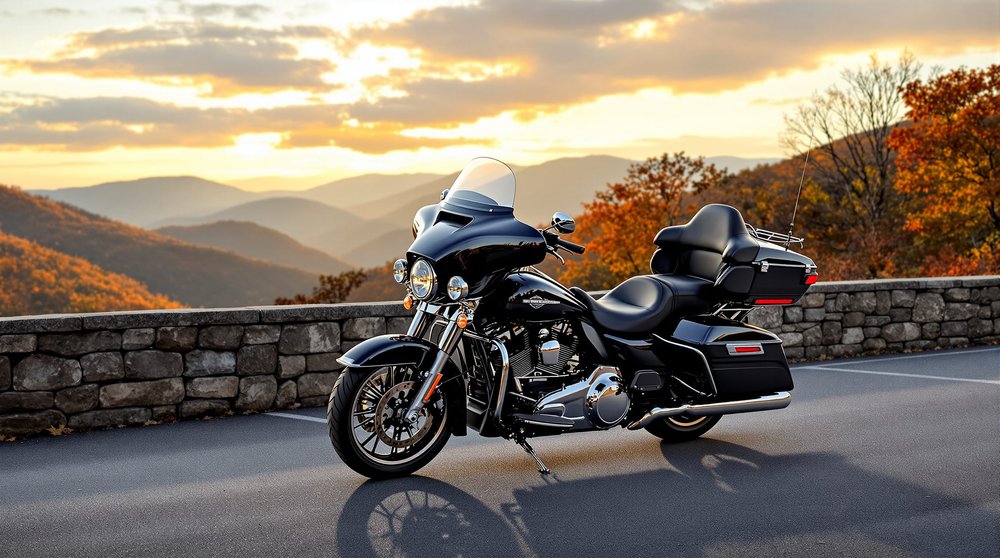
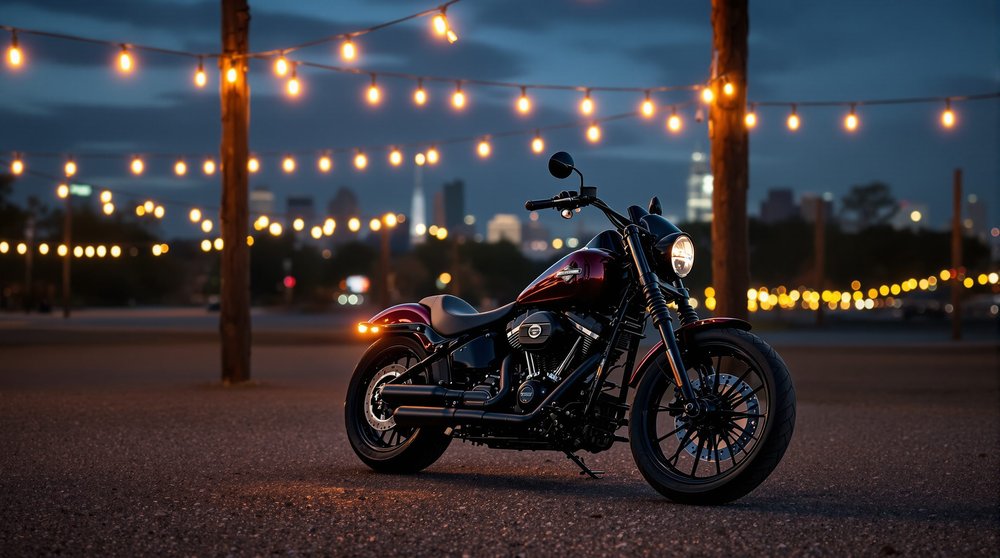
This or that: Skyline Drive at sunrise or the GW Parkway at golden hour? Drop your pick below. #RideNationDMV #SkylineDrive #GWParkway
Giveaway & Countdown
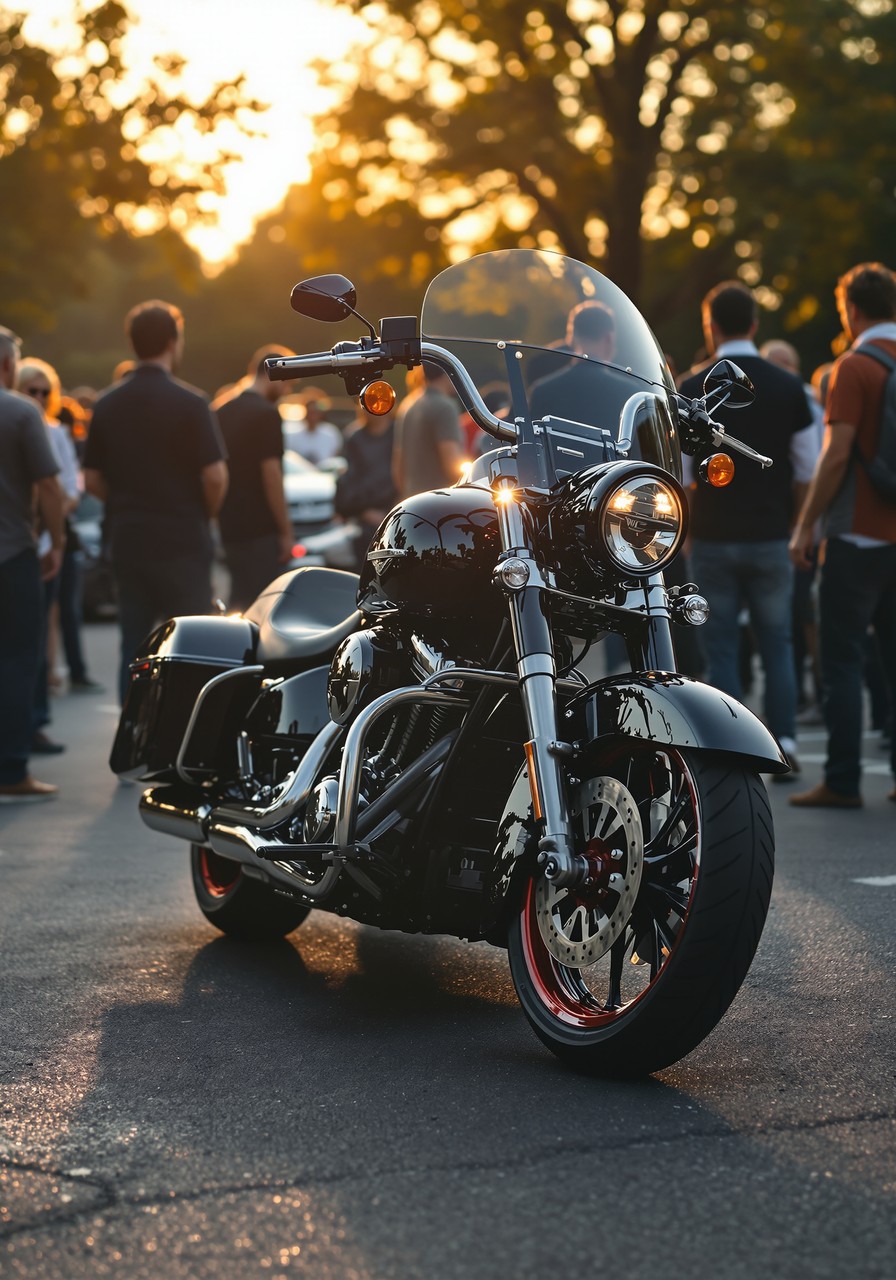
It's official, DMV riders: the BikersWin $20,000 motorcycle giveaway is ON. Every rider who talks to Malloy Law Offices about a crash gets entered for free. Drawing is December 10. #RideNationDMV #BikersWin #20kGiveaway
Local DMV & Rides
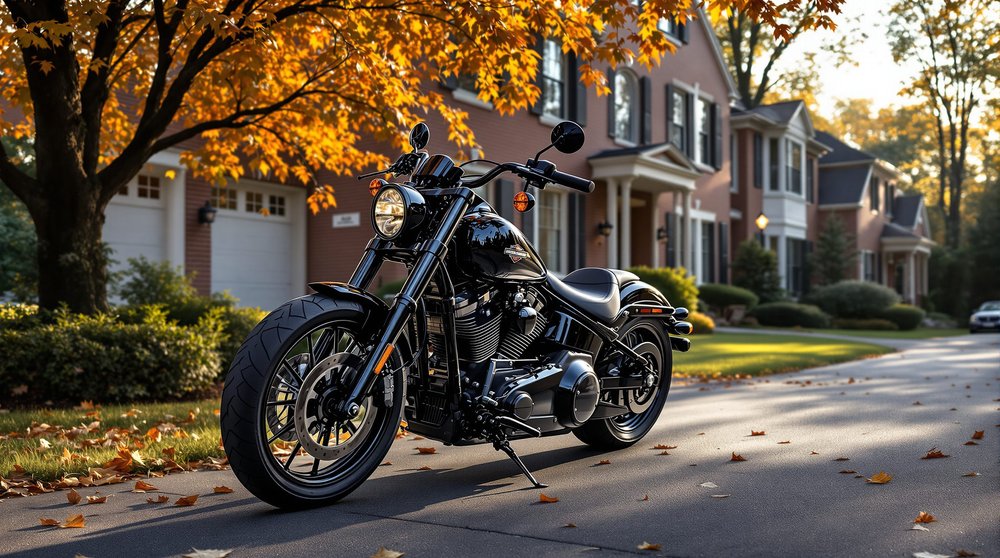
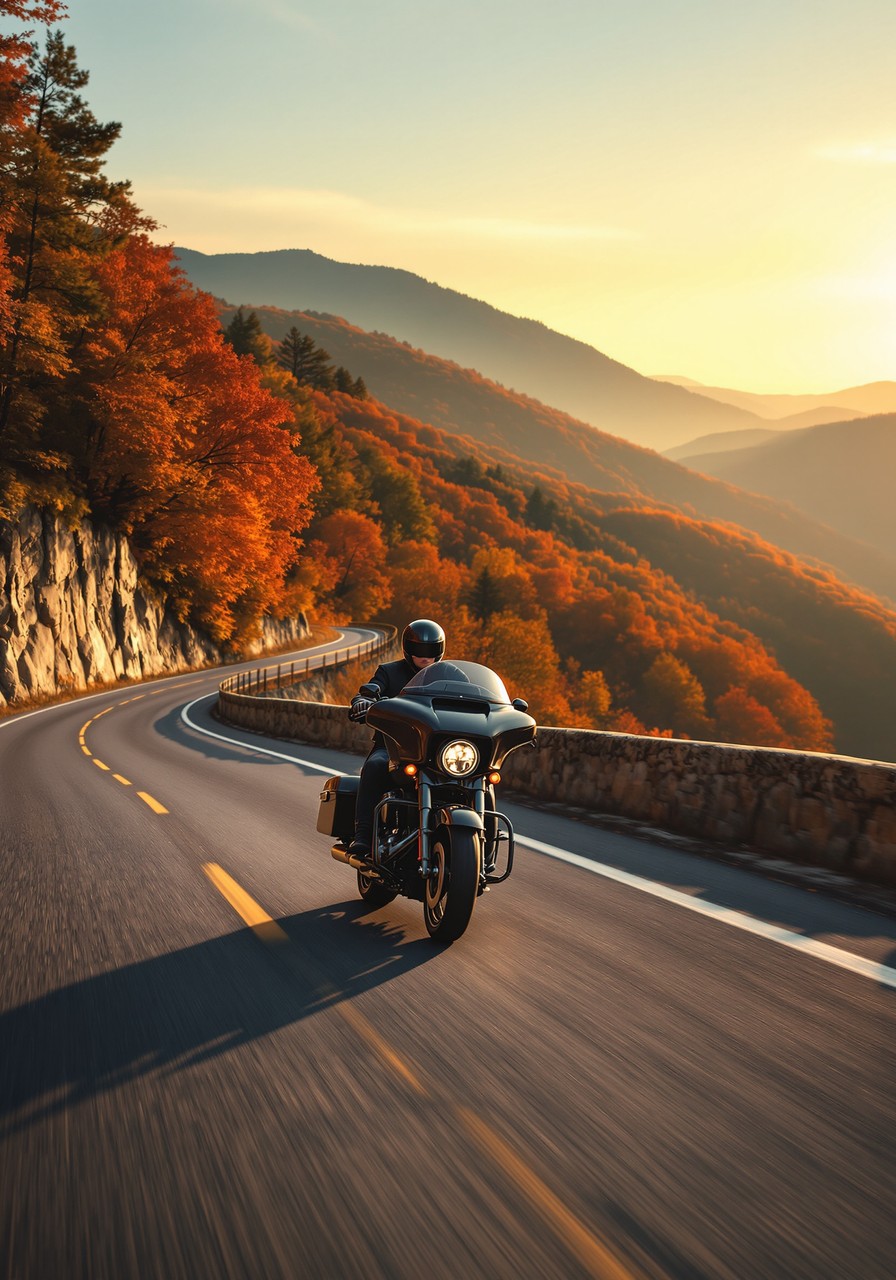
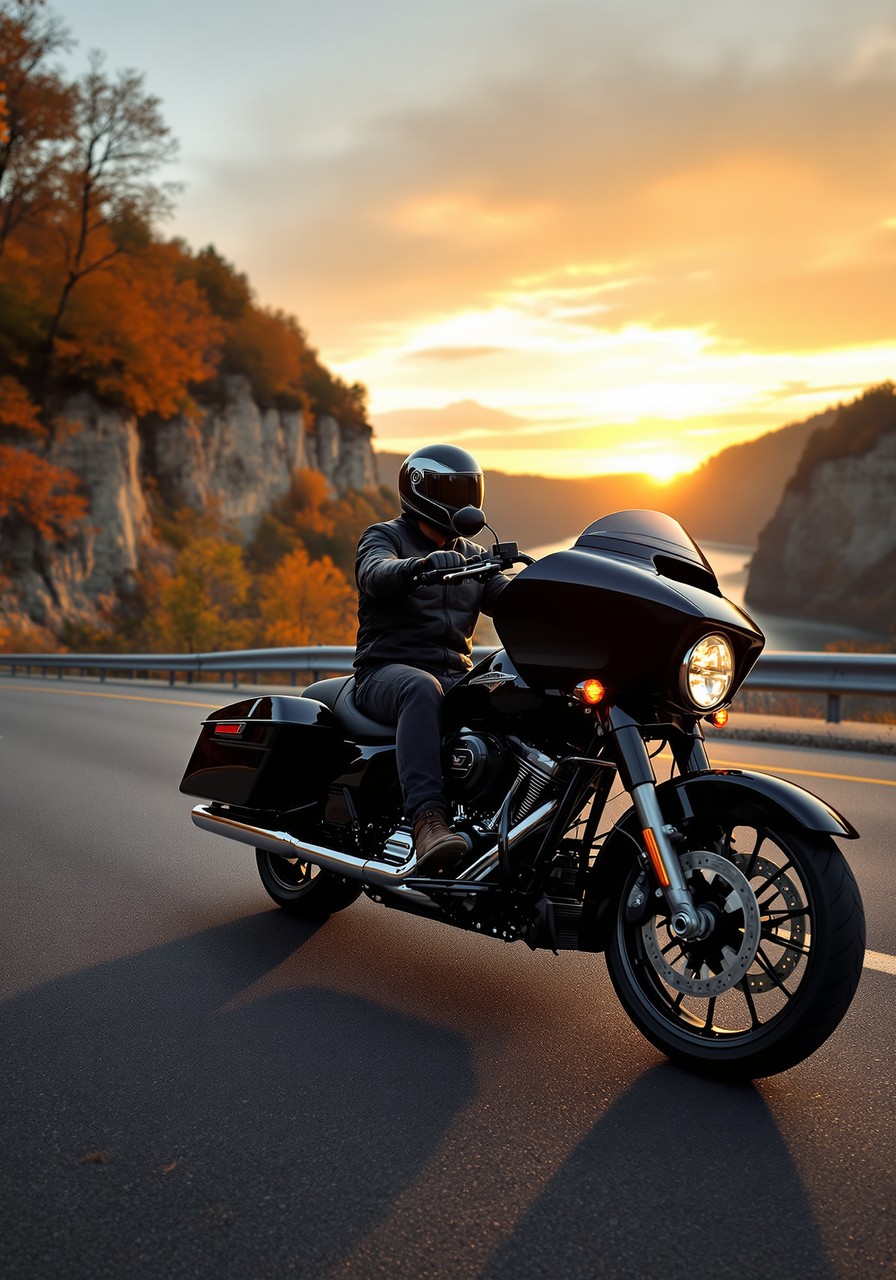
Skyline Drive in October is the whole reason we ride. Overlook after overlook, the Shenandoah valley lit up gold. Pack a layer, the ridge runs cool. #RideNationDMV #SkylineDrive #Shenandoah #BlueRidge
Gear & New Iron
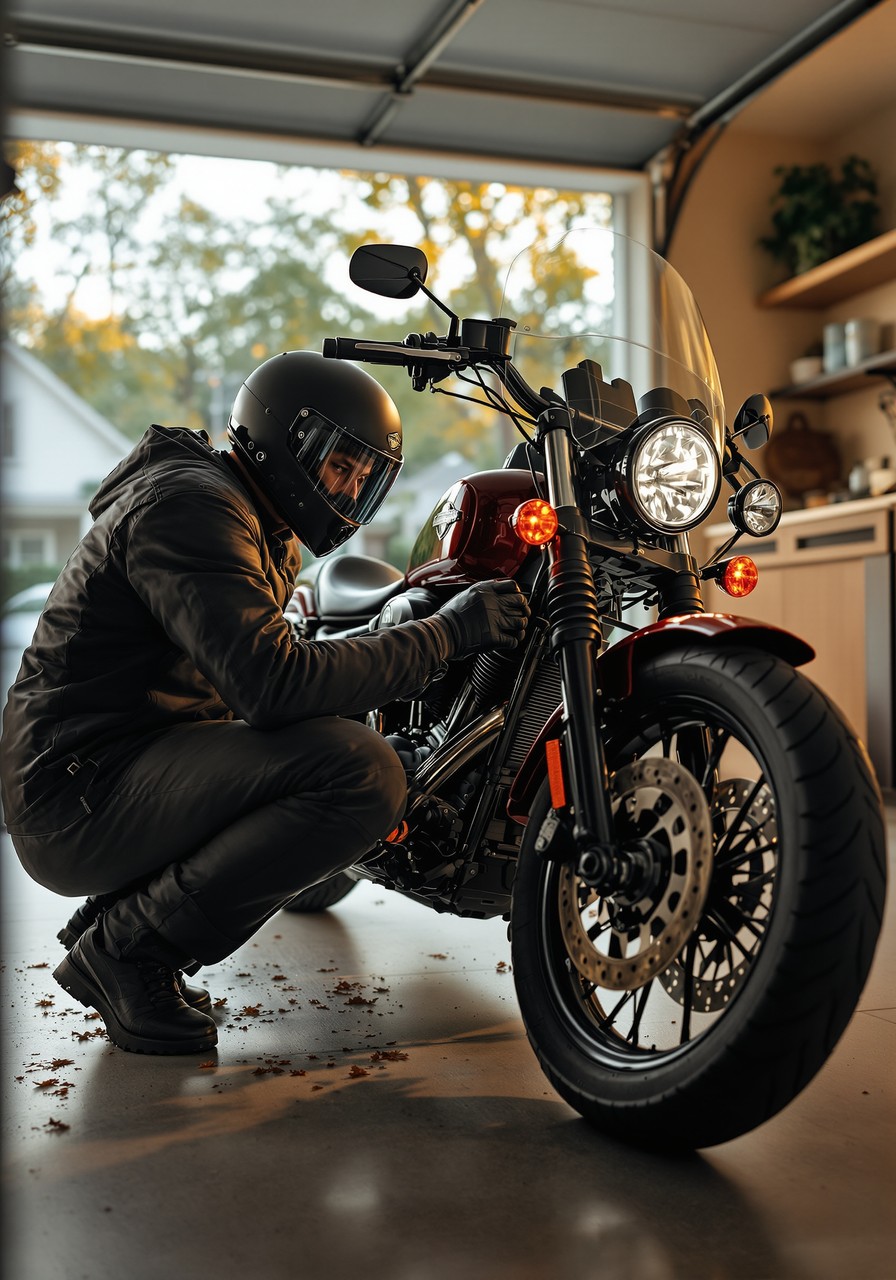
A good helmet is the cheapest upgrade you will ever love. DC, Maryland, and Virginia all require one, so pick the lid that makes you want to ride. #RideNationDMV #ATGATT #GearUp
Safety & DMV Law
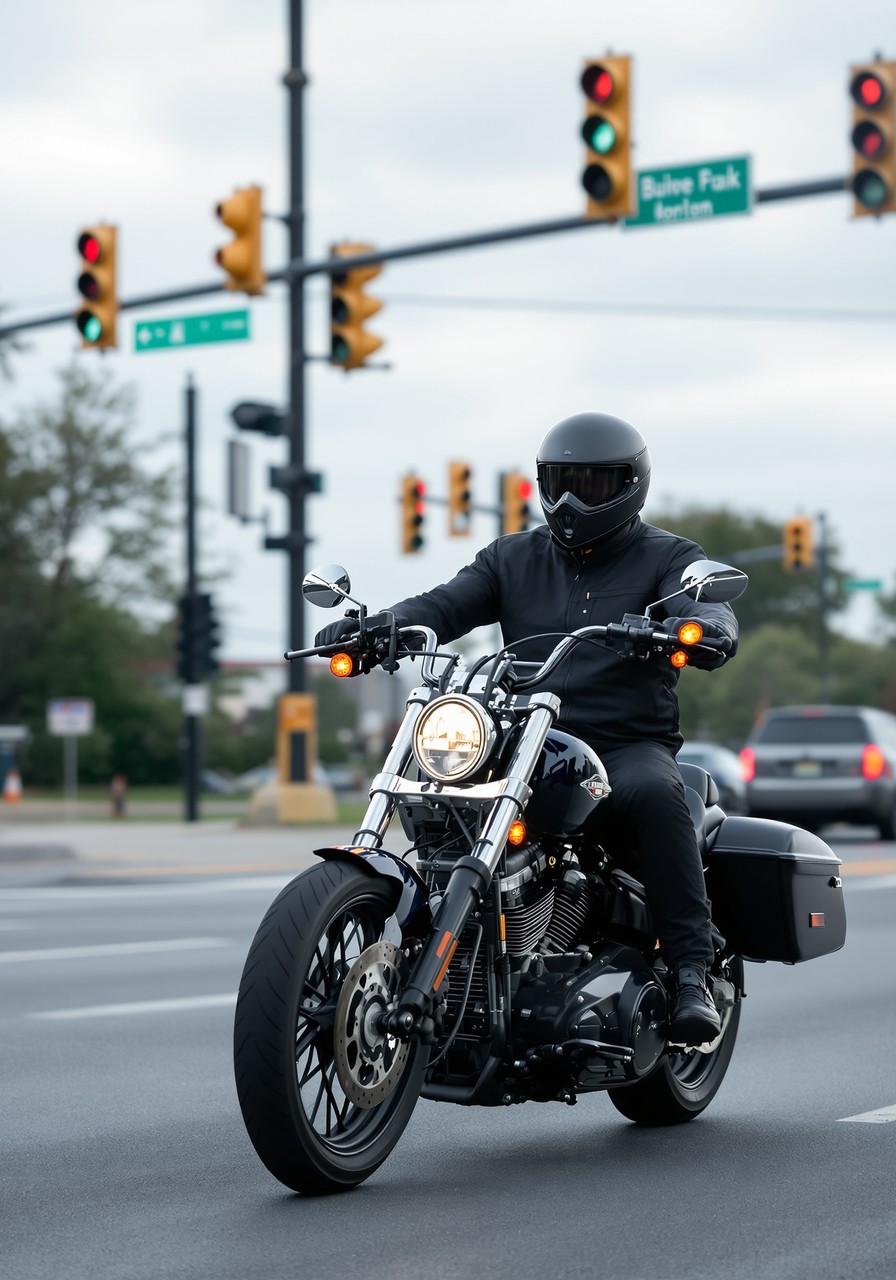
DC, Maryland, and Virginia all follow contributory negligence. If a rider is even 1 percent at fault, recovery can be barred, so documenting the other driver's fault is everything. Questions after a crash? Call Malloy Law Offices at (888) 485-1372. #RideNationDMV #RideSafe
Engagement
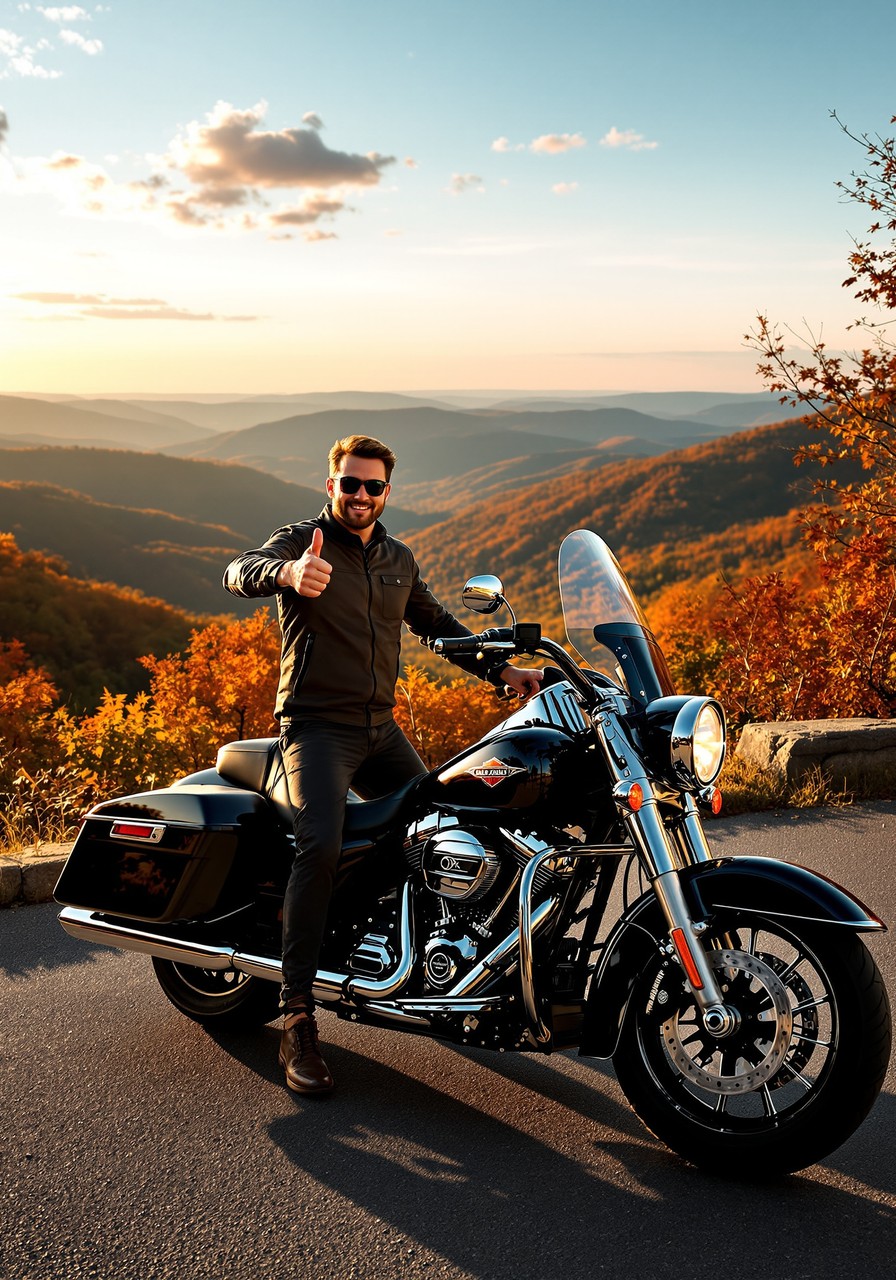
Caption this: you, one full tank, and an open Sunday in the DMV. Best line wins bragging rights. #RideNationDMV #DMVriders #WashingtonDC
Giveaway & Countdown
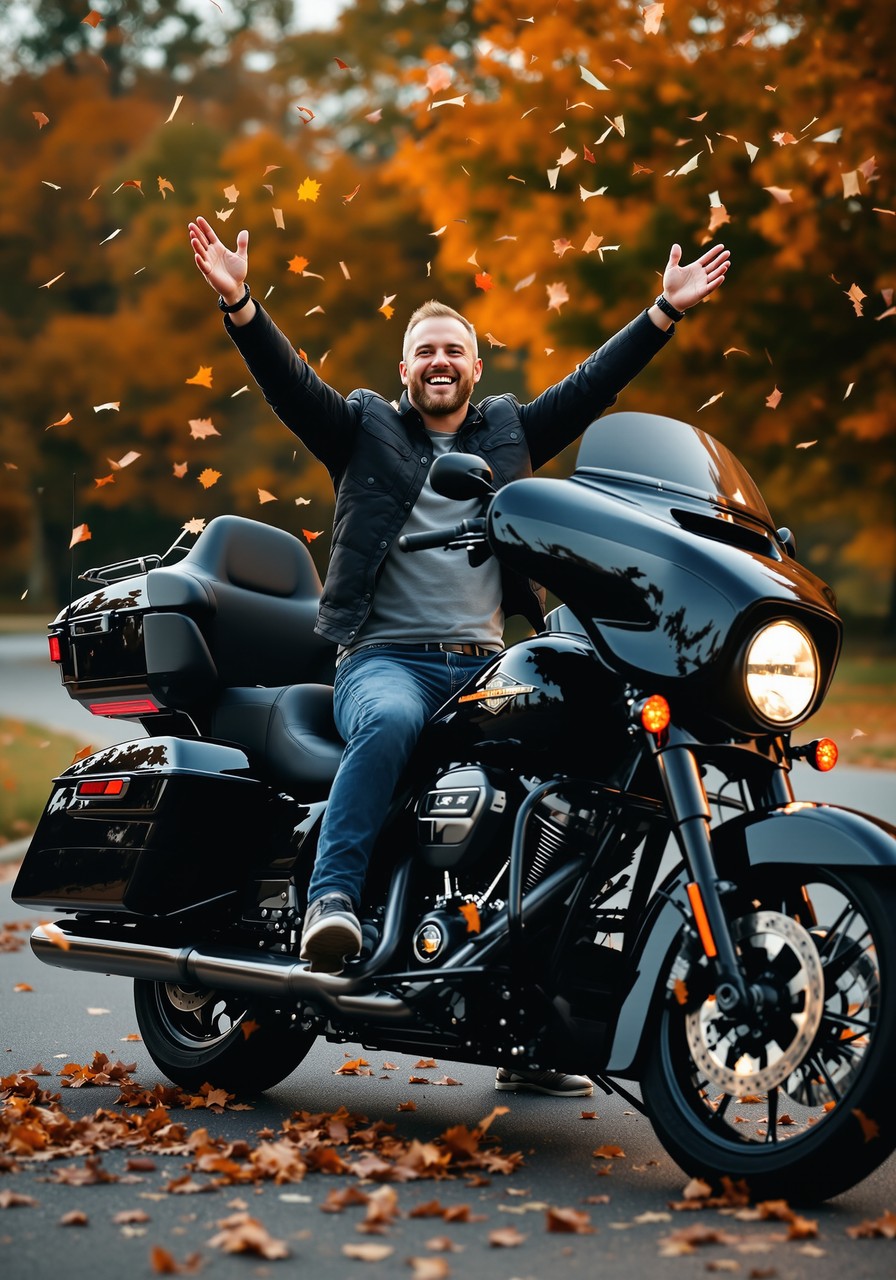
$20,000. One lucky rider. Drawn December 10. Talk to Malloy Law Offices about your crash and you're entered for free. #BikersWin #RideNationDMV #20kGiveaway
Local DMV & Rides
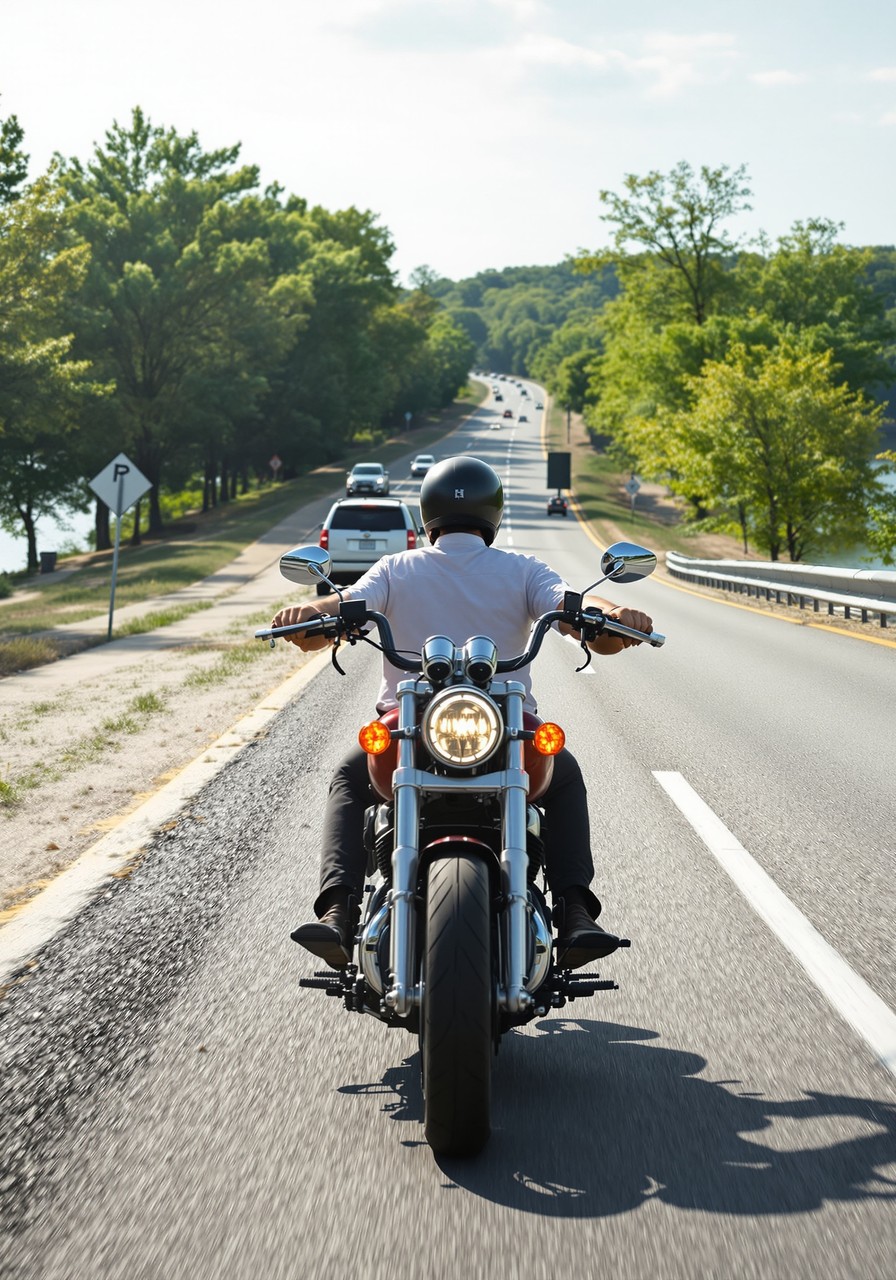
The George Washington Parkway along the Potomac never gets old. Early morning light on the water, easy sweeping curves, the monuments across the river. A quick classic before work. #RideNationDMV #GWParkway #DMVriders
Gear & New Iron
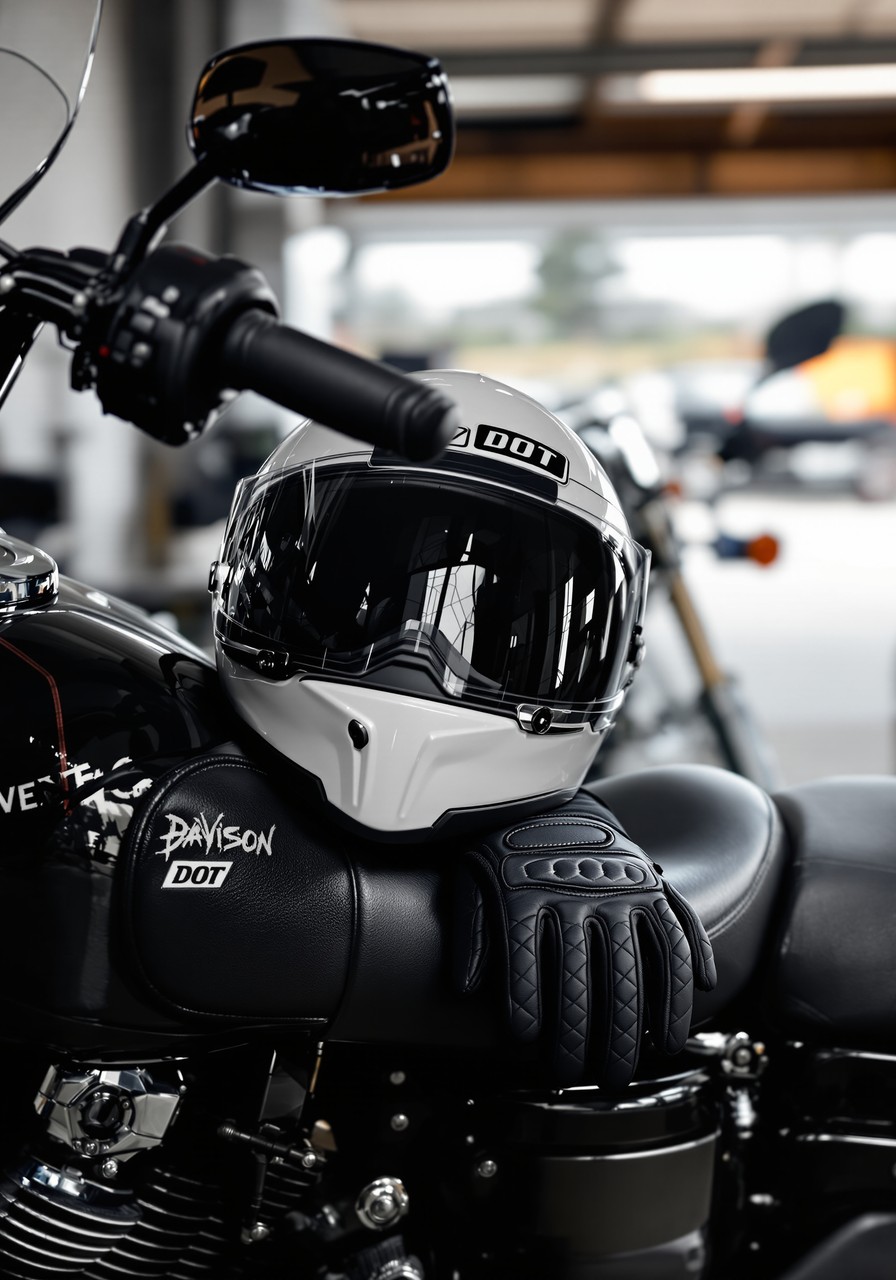
Full-face, modular, or three-quarter? Whatever fits your riding, wear it every mile. ATGATT is just good sense in the DMV. #RideNationDMV #ATGATT #MotorcycleGear
Safety & DMV Law
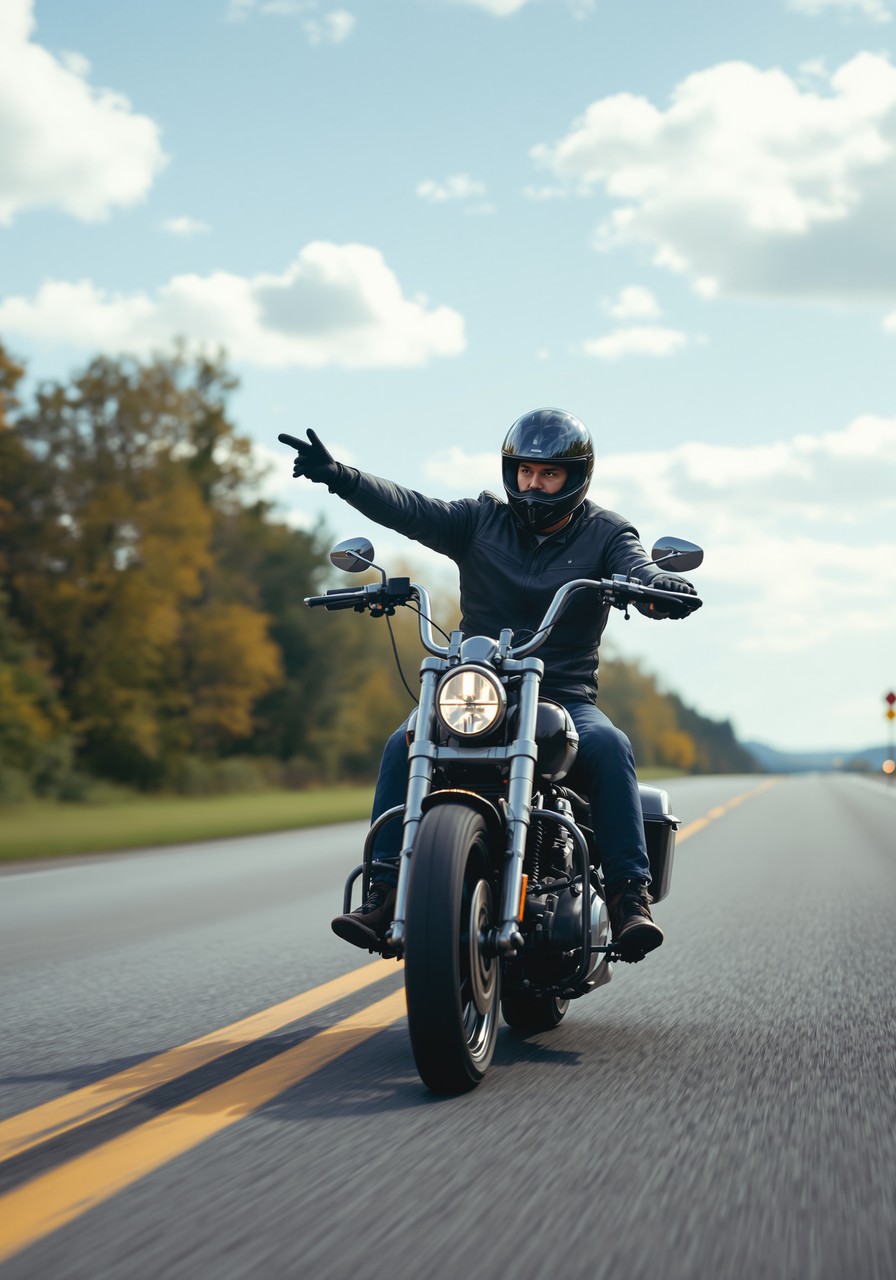
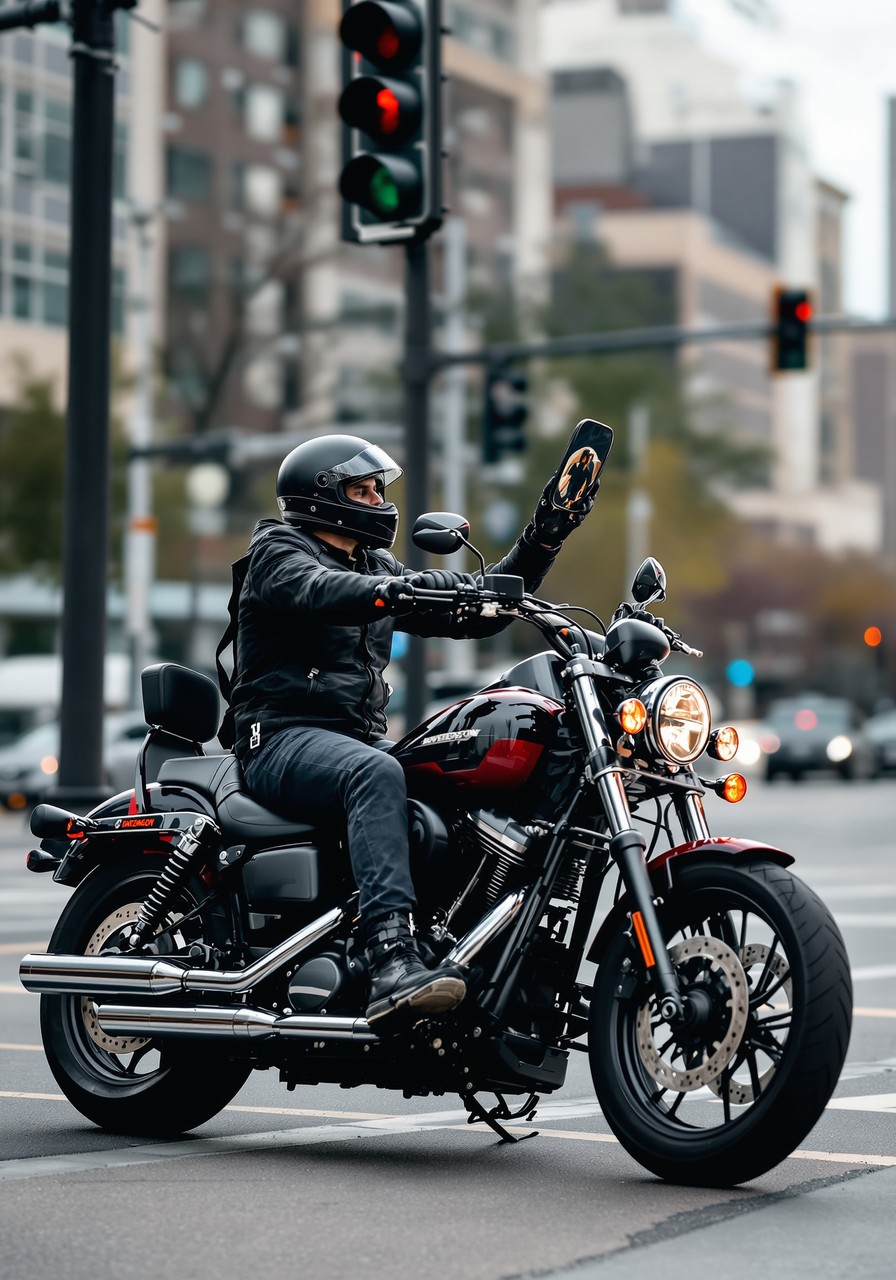
Cover your brakes as you roll into every intersection. That half-second head start is often the difference on DMV streets. #RideNationDMV #RideSafe
Engagement
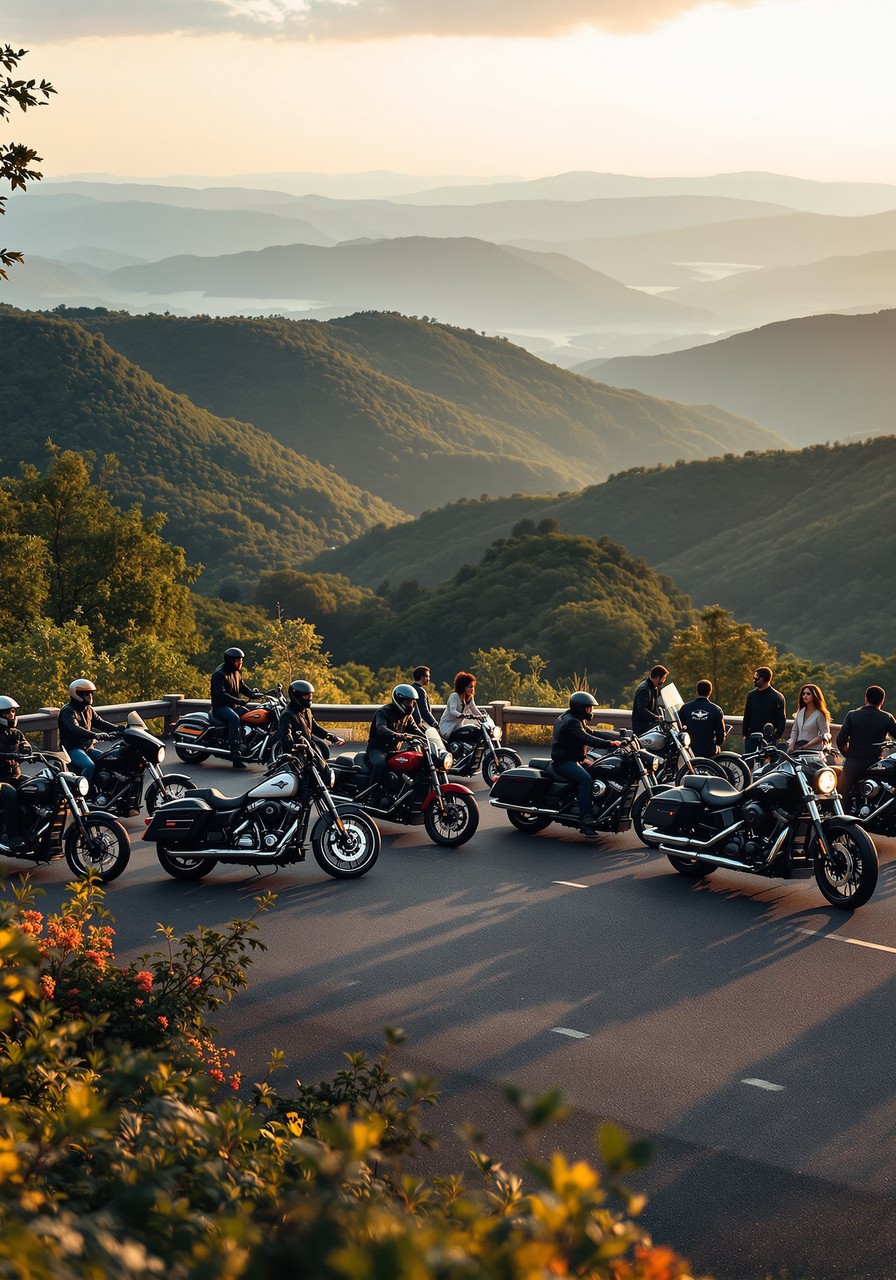
Fill in the blank: The best road in the DMV is ______ and I will not be taking questions. #RideNationDMV #BlueRidge #NOVA
Giveaway & Countdown
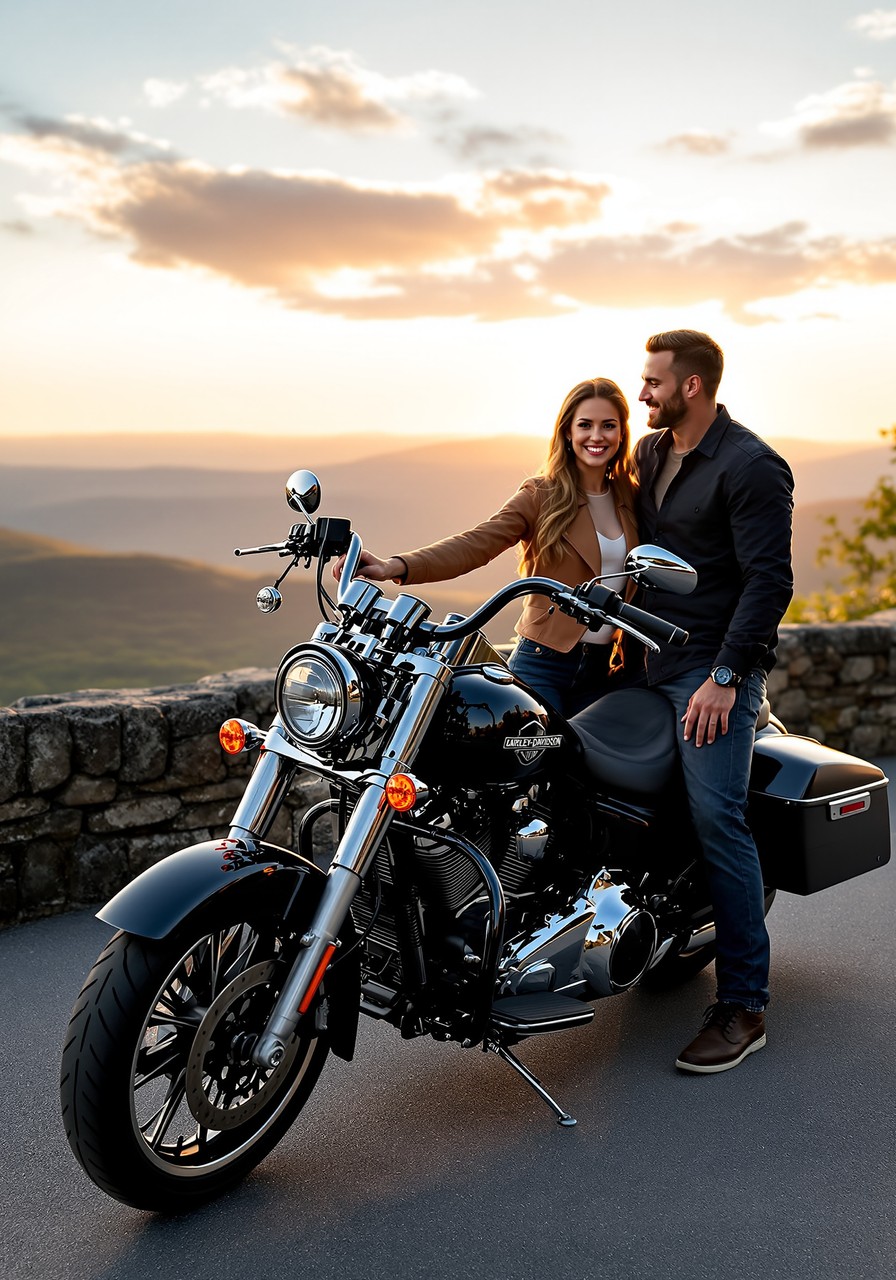
Big news for every rider in the DMV. The BikersWin $20K giveaway is here and entry is completely free. Call Malloy Law Offices at (888) 485-1372 to ask how to enter. #RideNationDMV #BikersWin
Local DMV & Rides
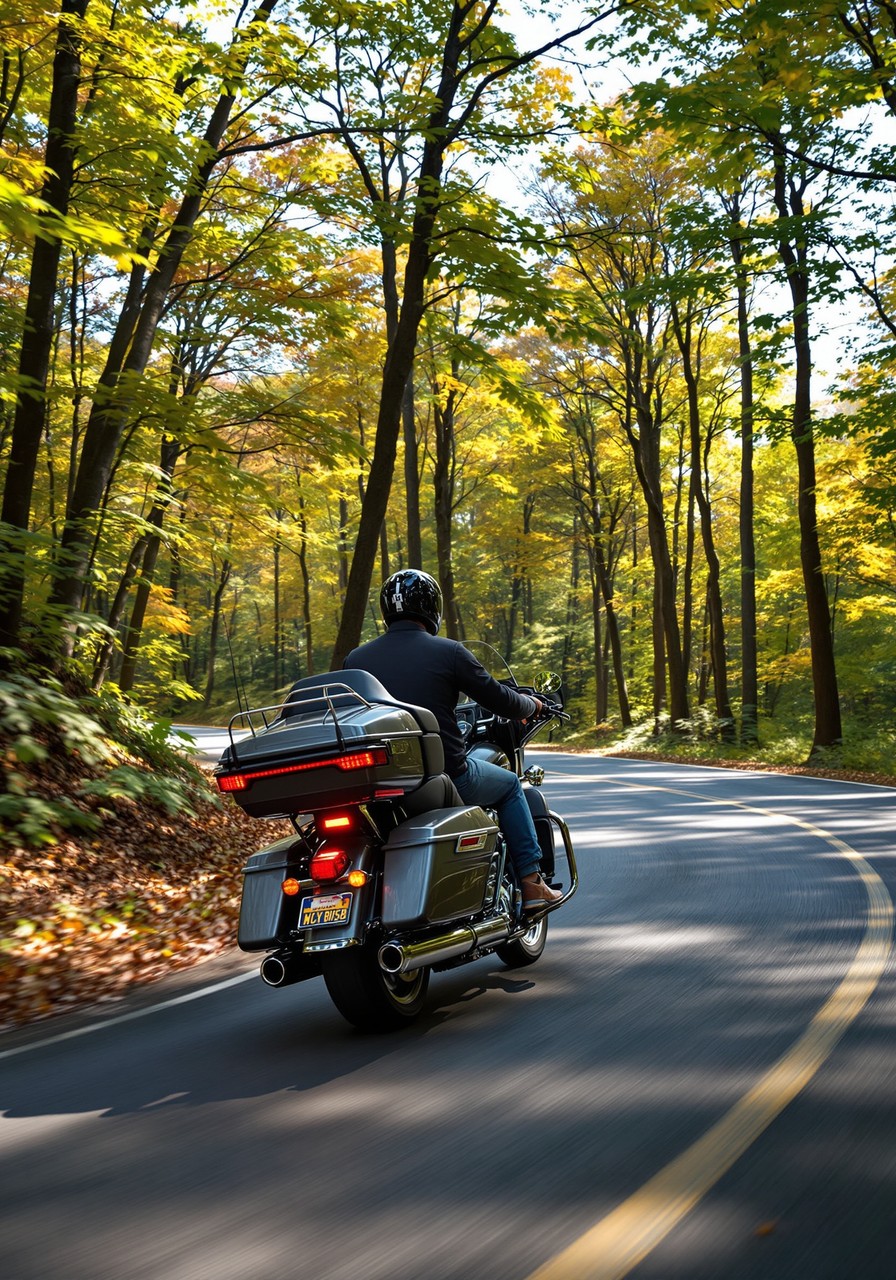
Blue Ridge Parkway is calling. Trade the Beltway for switchbacks and let the miles unwind. Fuel up before you climb, services thin out up there. #RideNationDMV #BlueRidge #Shenandoah #NOVA
Gear & New Iron
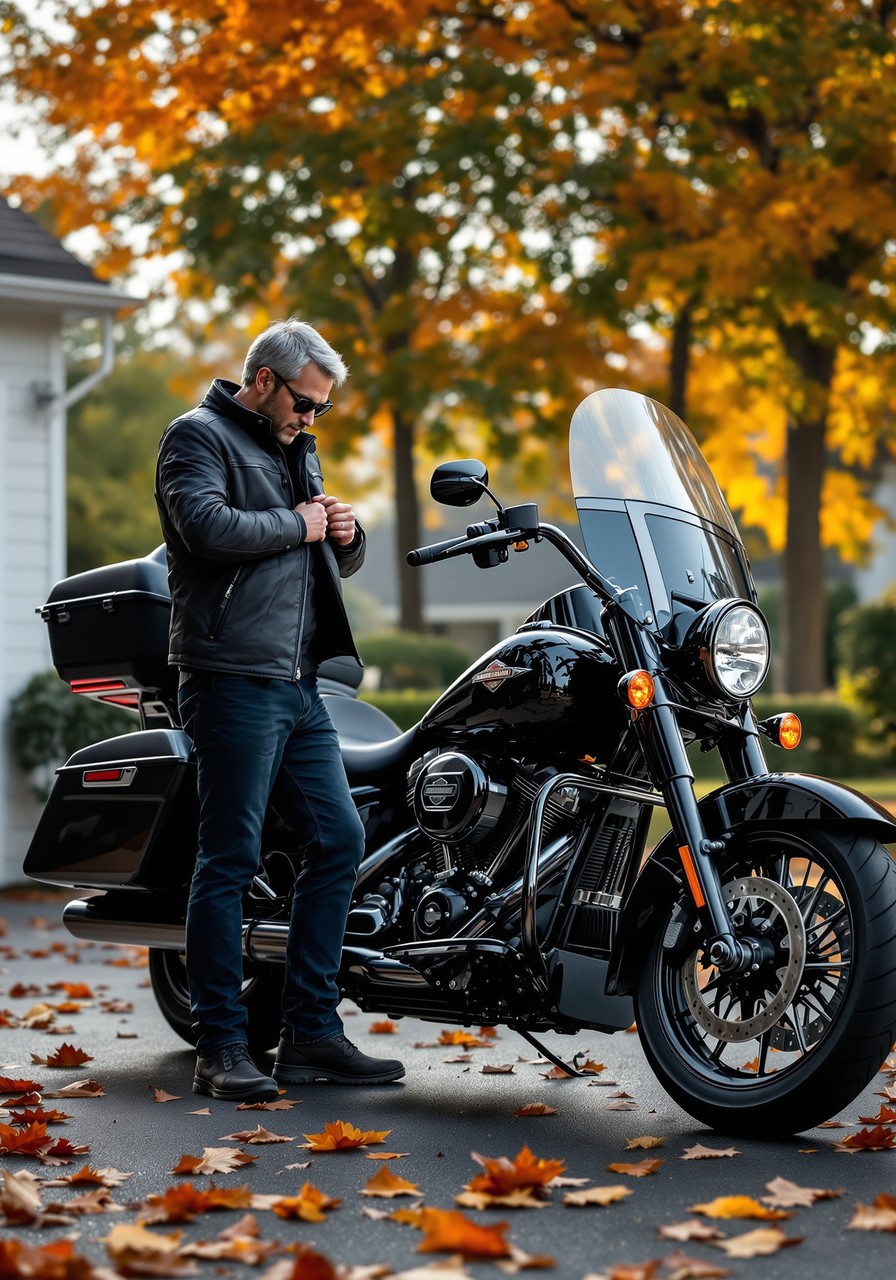
Armored jackets have come a long way. Breathable mesh with CE armor means you stay cool in DC traffic and covered if the day goes sideways. #RideNationDMV #GearUp #RideSafe
Safety & DMV Law
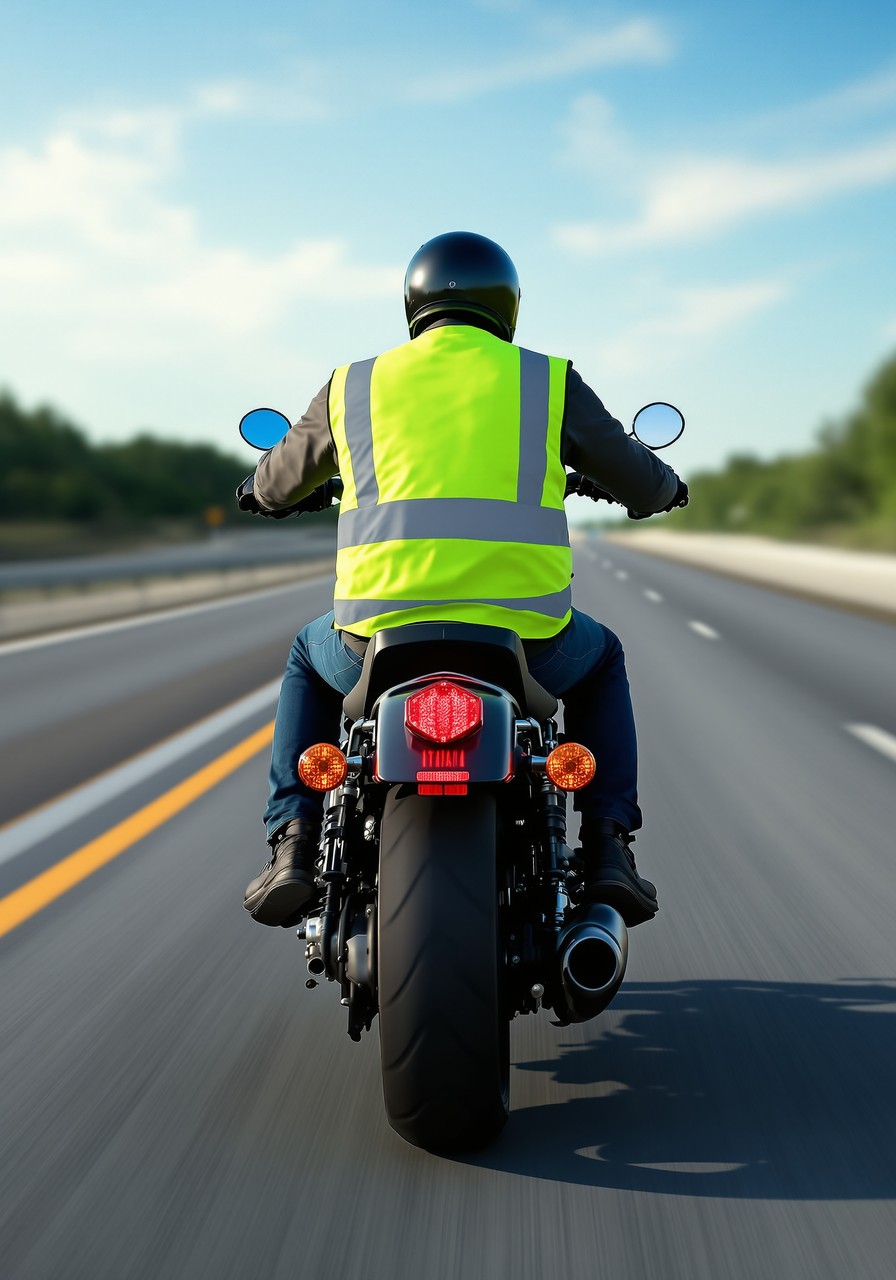
Helmets are required for riders and passengers in DC, Maryland, and Virginia. Gear up every ride, every passenger, every time. #RideNationDMV #RideSafe
Engagement
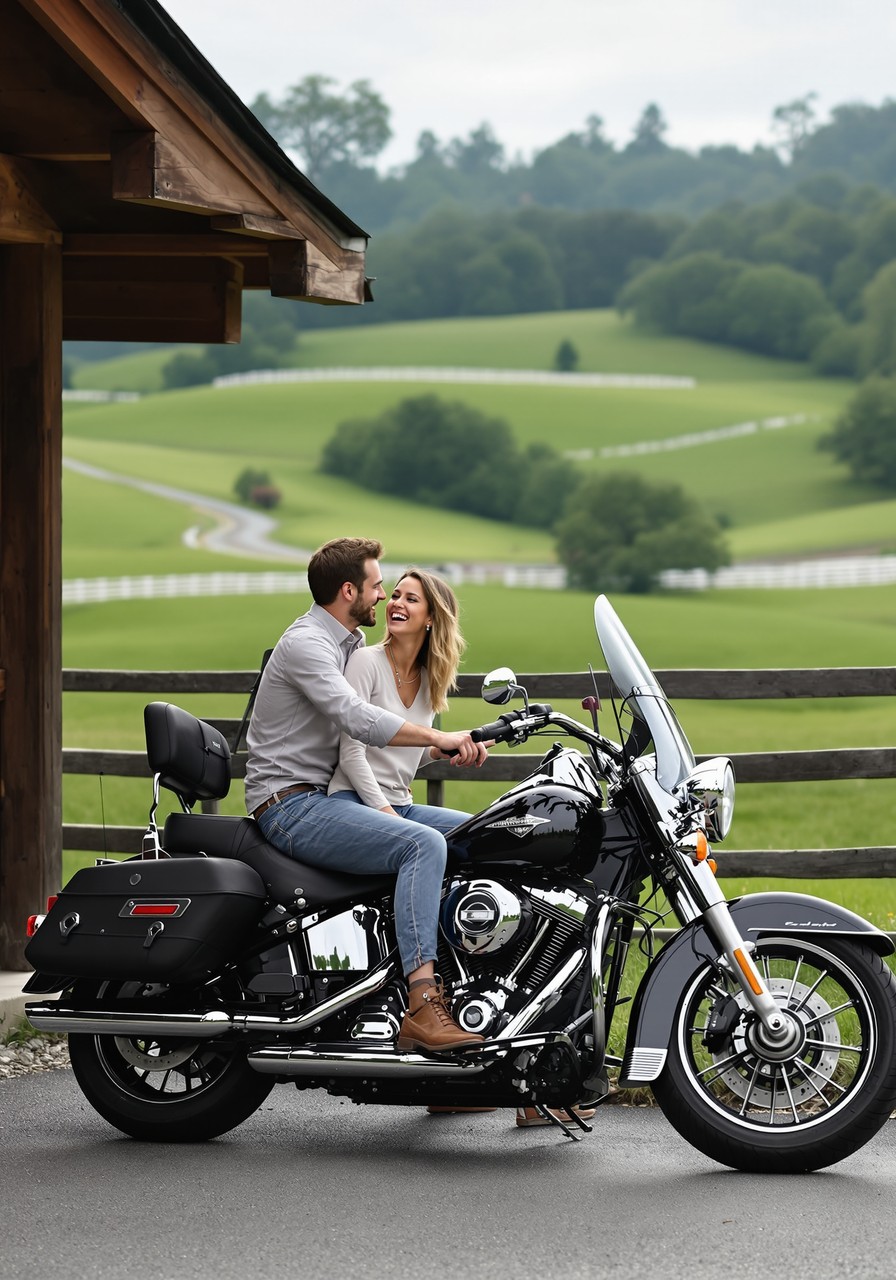
Tag the buddy who is always ten minutes late to the group ride but somehow first to the diner. #RideNationDMV #DMVriders #MarylandRiders
Giveaway & Countdown
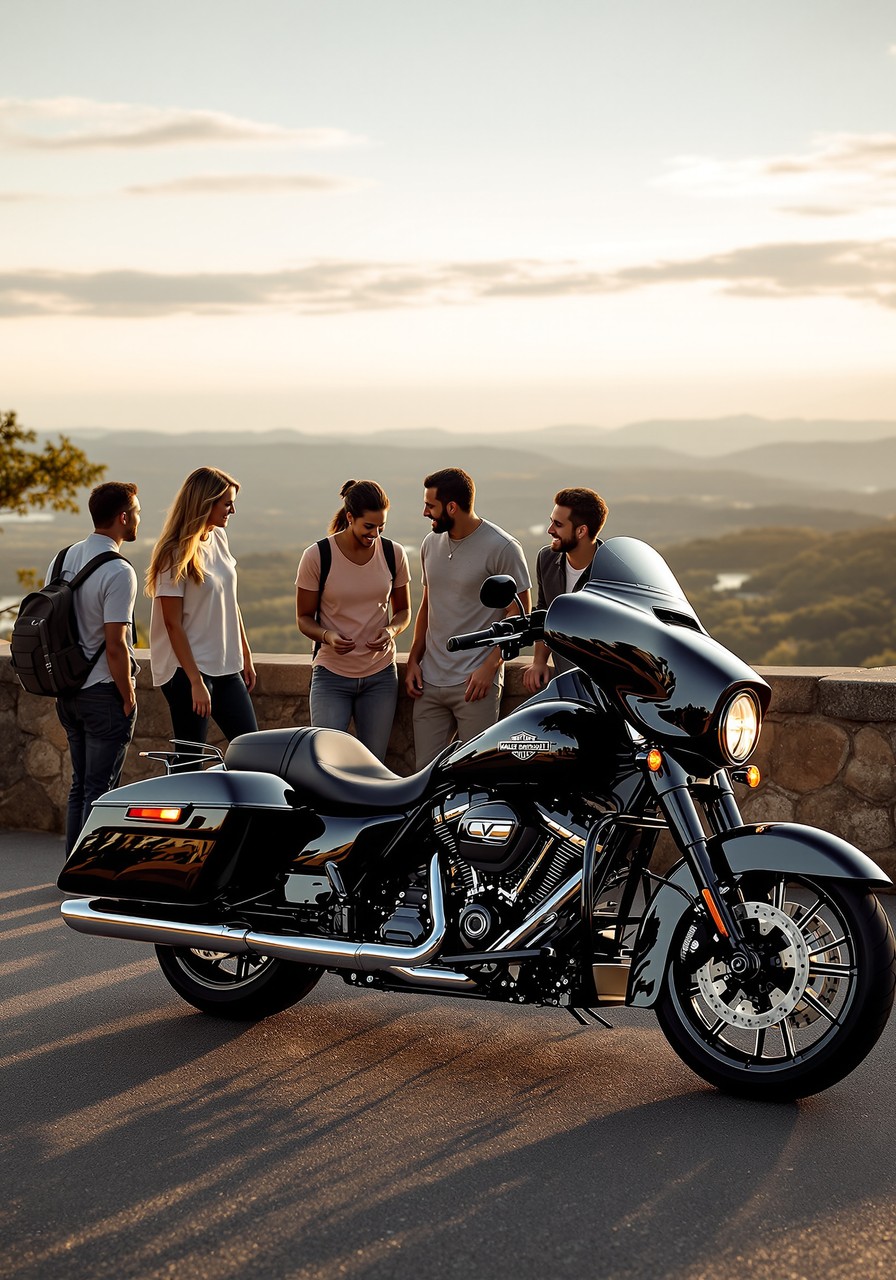
Twenty thousand reasons to talk to us this fall. Riders who discuss a crash with Malloy Law Offices get entered in the BikersWin giveaway for free. #20kGiveaway #RideNationDMV #BikersWin
Local DMV & Rides
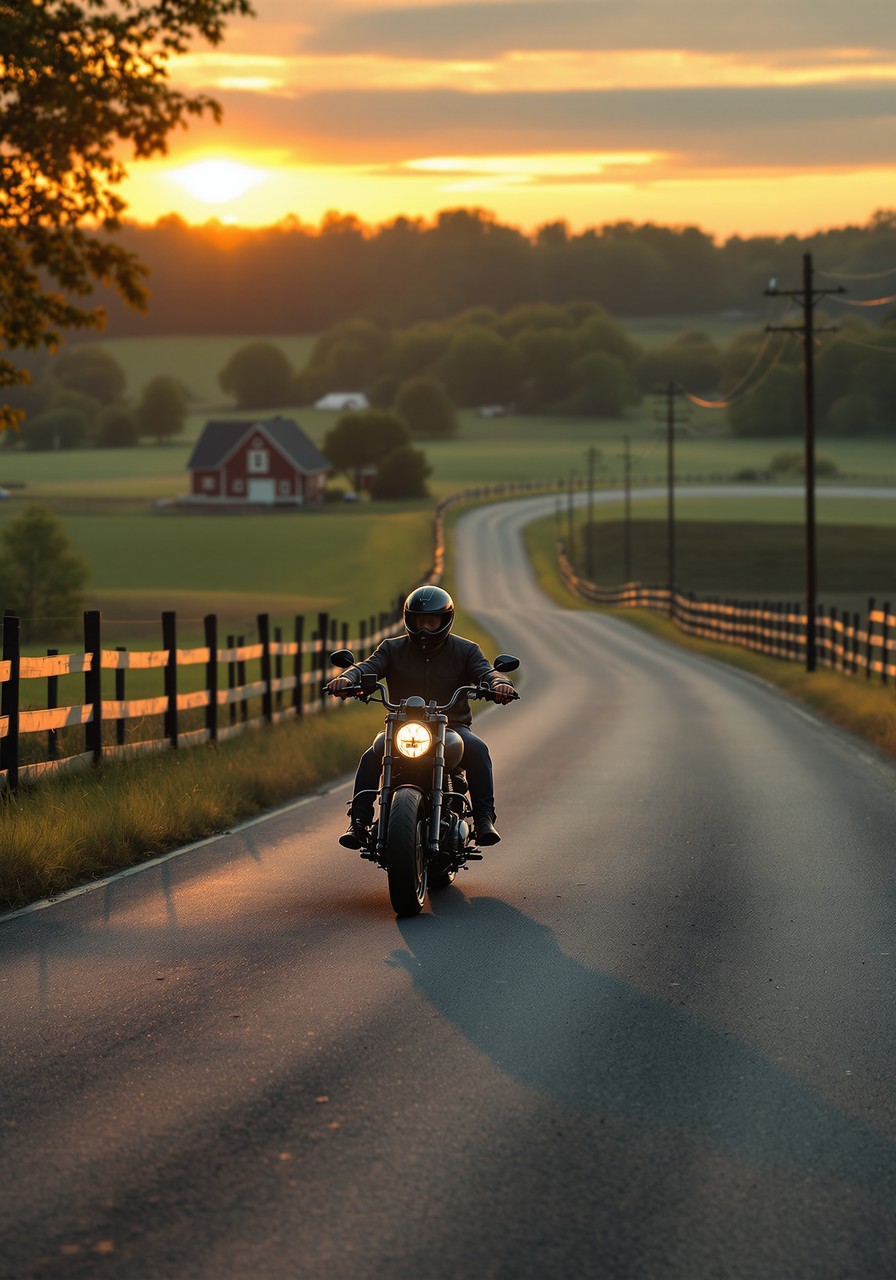
Sugarloaf Mountain sits just outside Comus, MD, and the backroads to it are pure joy. Rolling farmland, tight little bends, barely any traffic. A half-day loop you can do on a whim. #RideNationDMV #MarylandRiders #RideNationDMV
Gear & New Iron
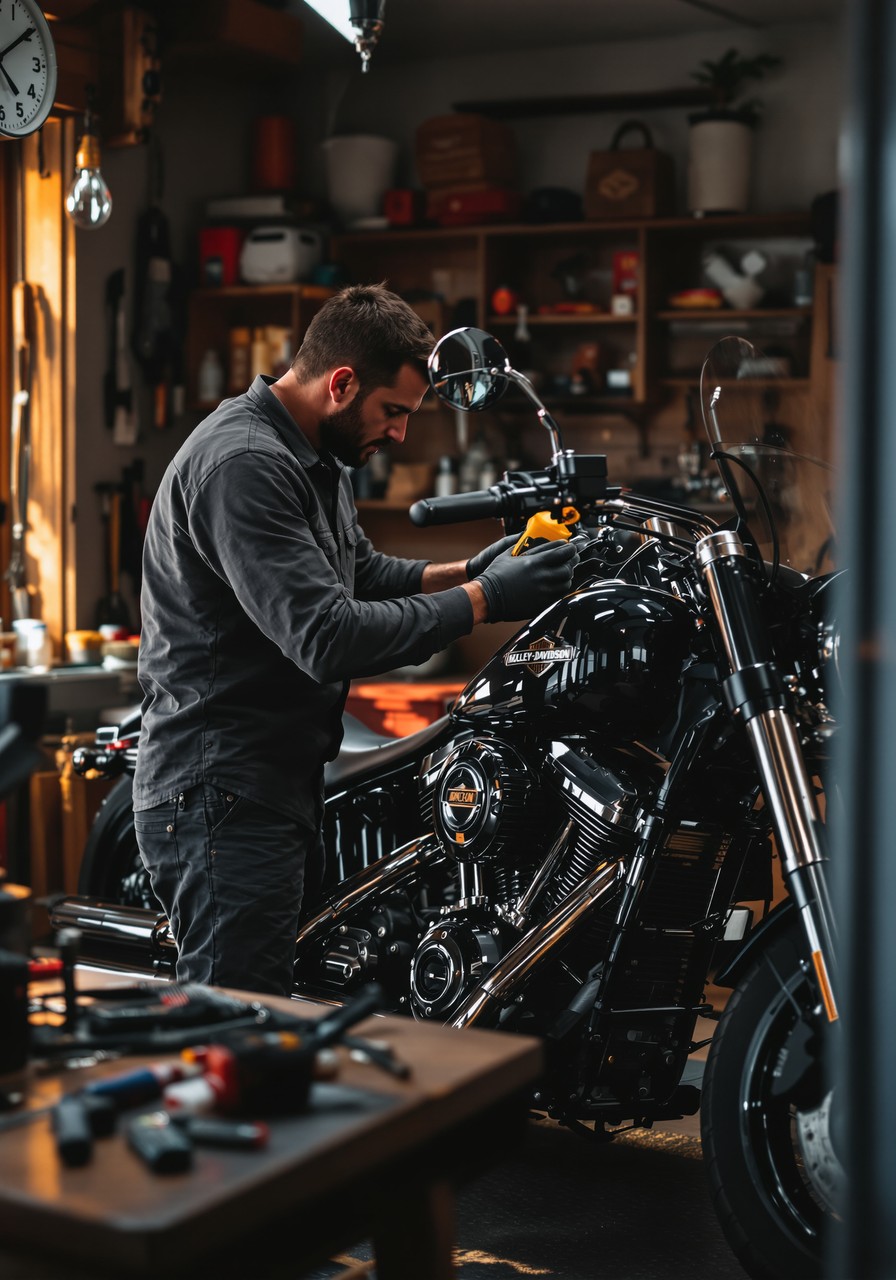
Gloves are not optional. Your hands hit first every time, so give them real knuckle and palm protection. #RideNationDMV #ATGATT #MotorcycleGear
Safety & DMV Law
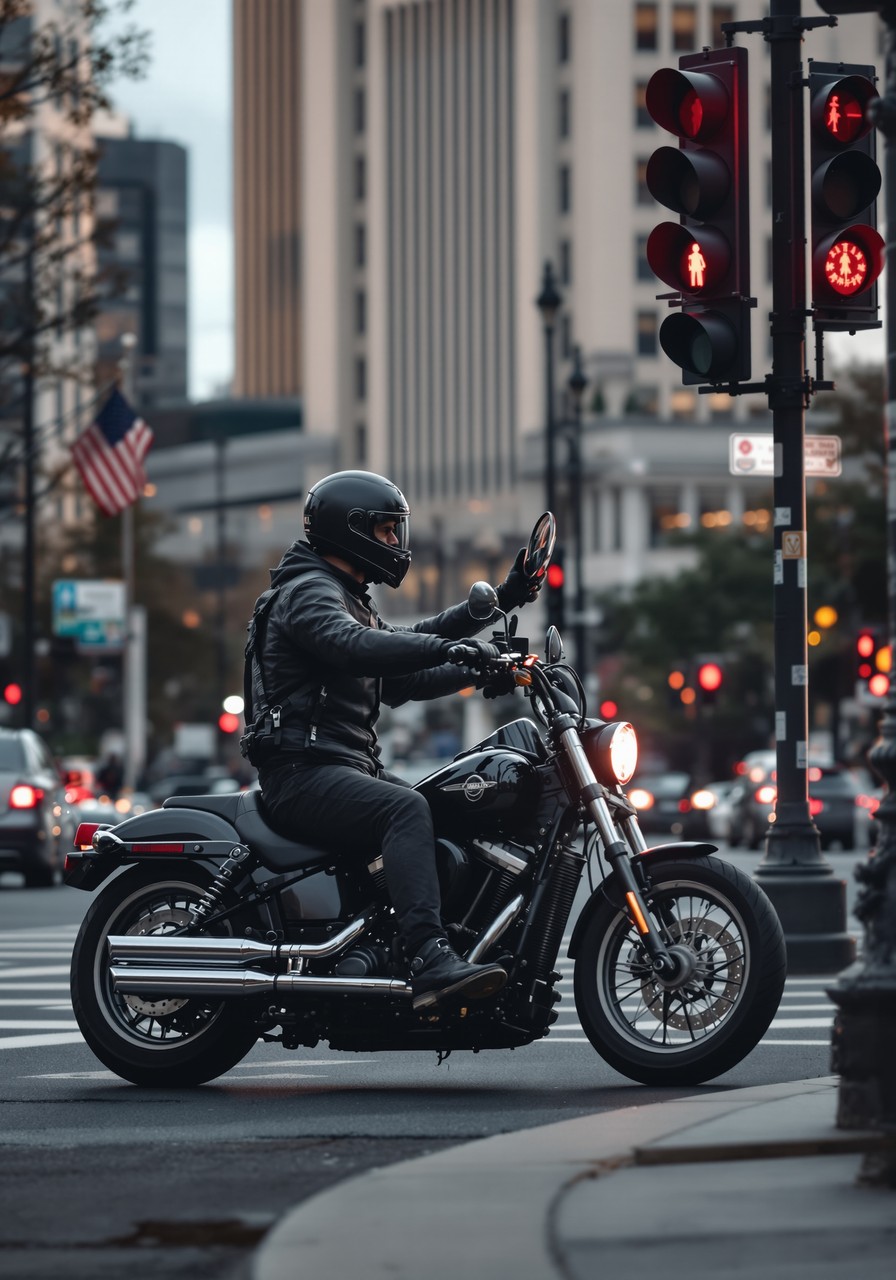
Left-turning drivers are a top threat to motorcyclists. Assume they don't see you and plan your escape line early. Questions after a crash? Call Malloy Law Offices at (888) 485-1372. #RideNationDMV #SMIDSY
Engagement
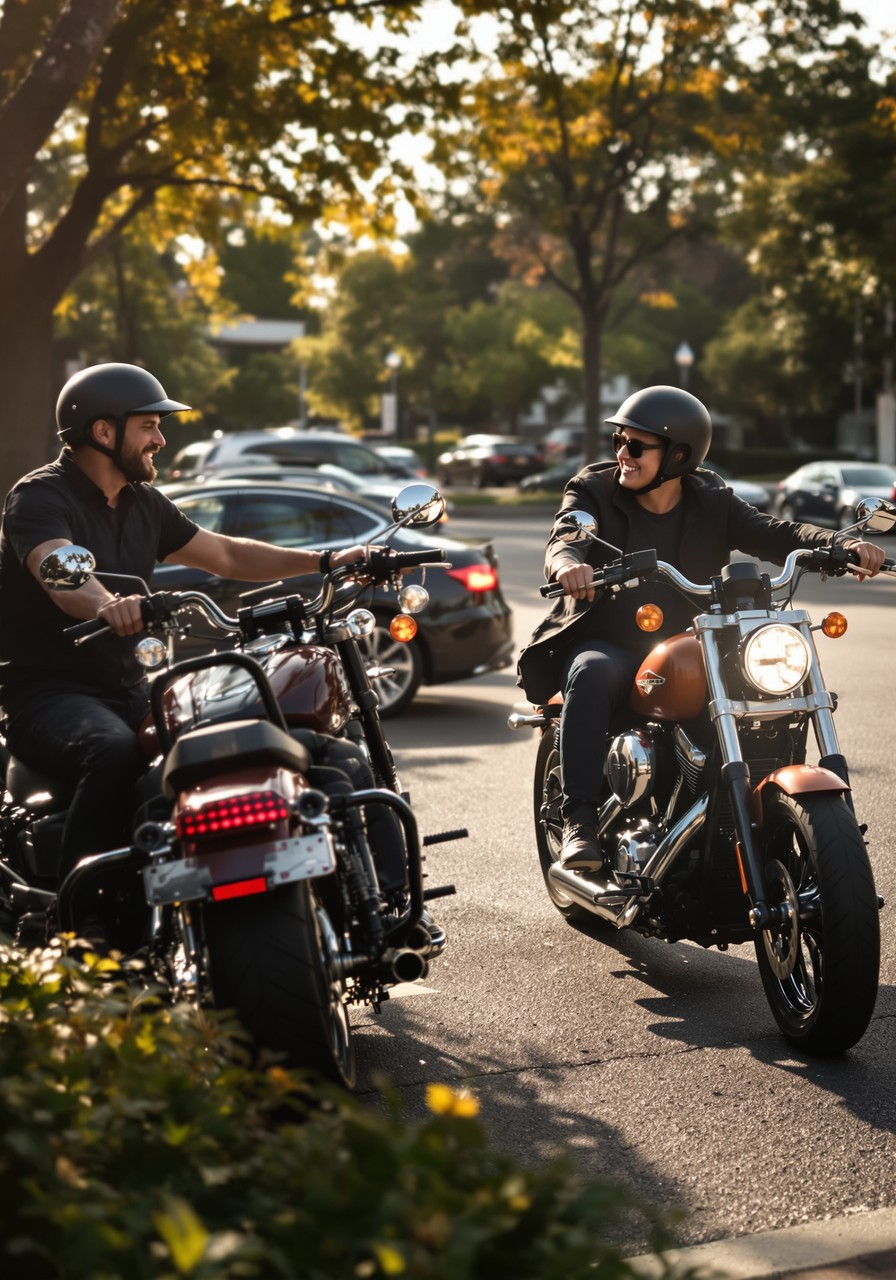
Rider confession time: how many times have you circled a DC traffic circle just because you missed the exit? Be honest. #RideNationDMV #WashingtonDC #NOVA
Giveaway & Countdown
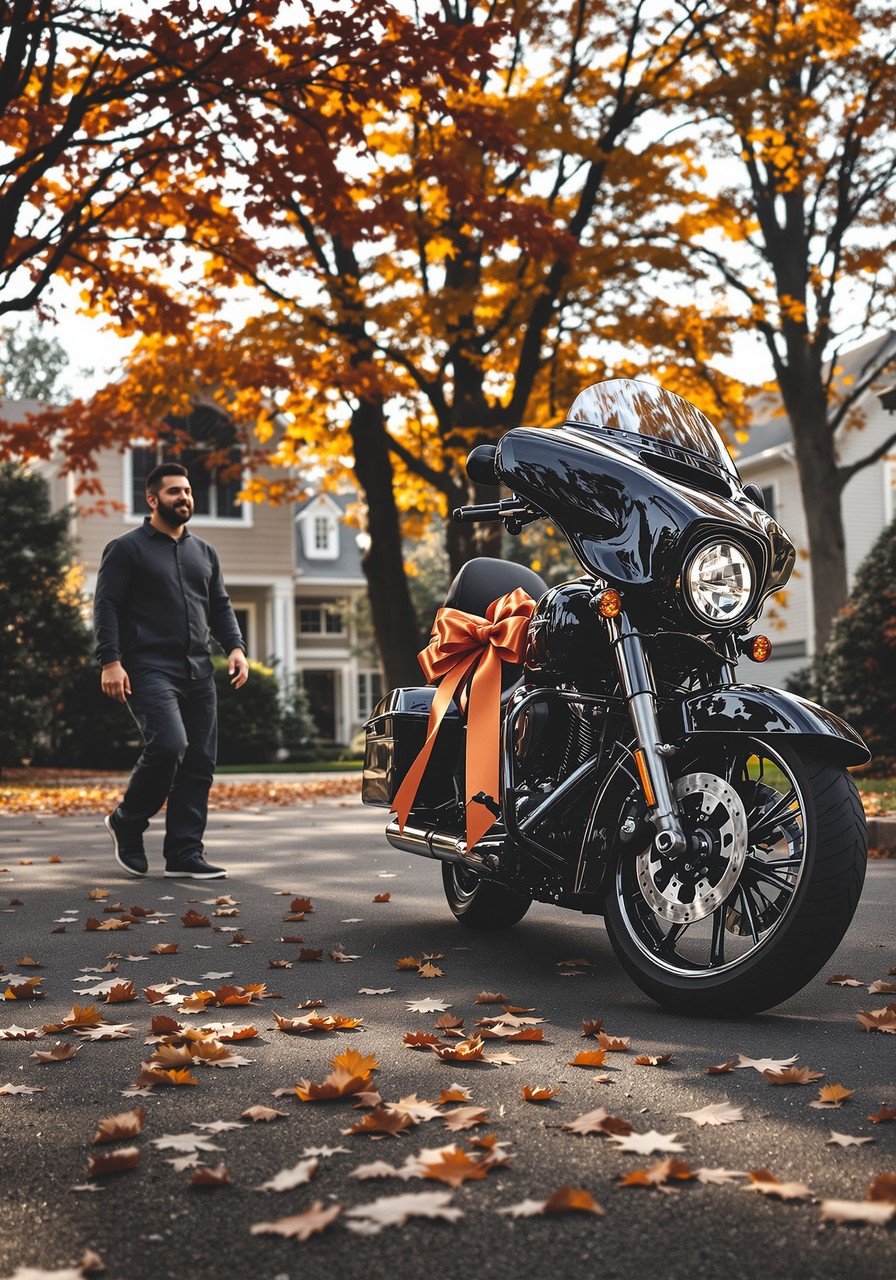
Mark your calendar, DMV. The $20,000 BikersWin motorcycle giveaway is drawn December 10. Learn more at malloy-law.com. #RideNationDMV #BikersWin #20kGiveaway
Local DMV & Rides
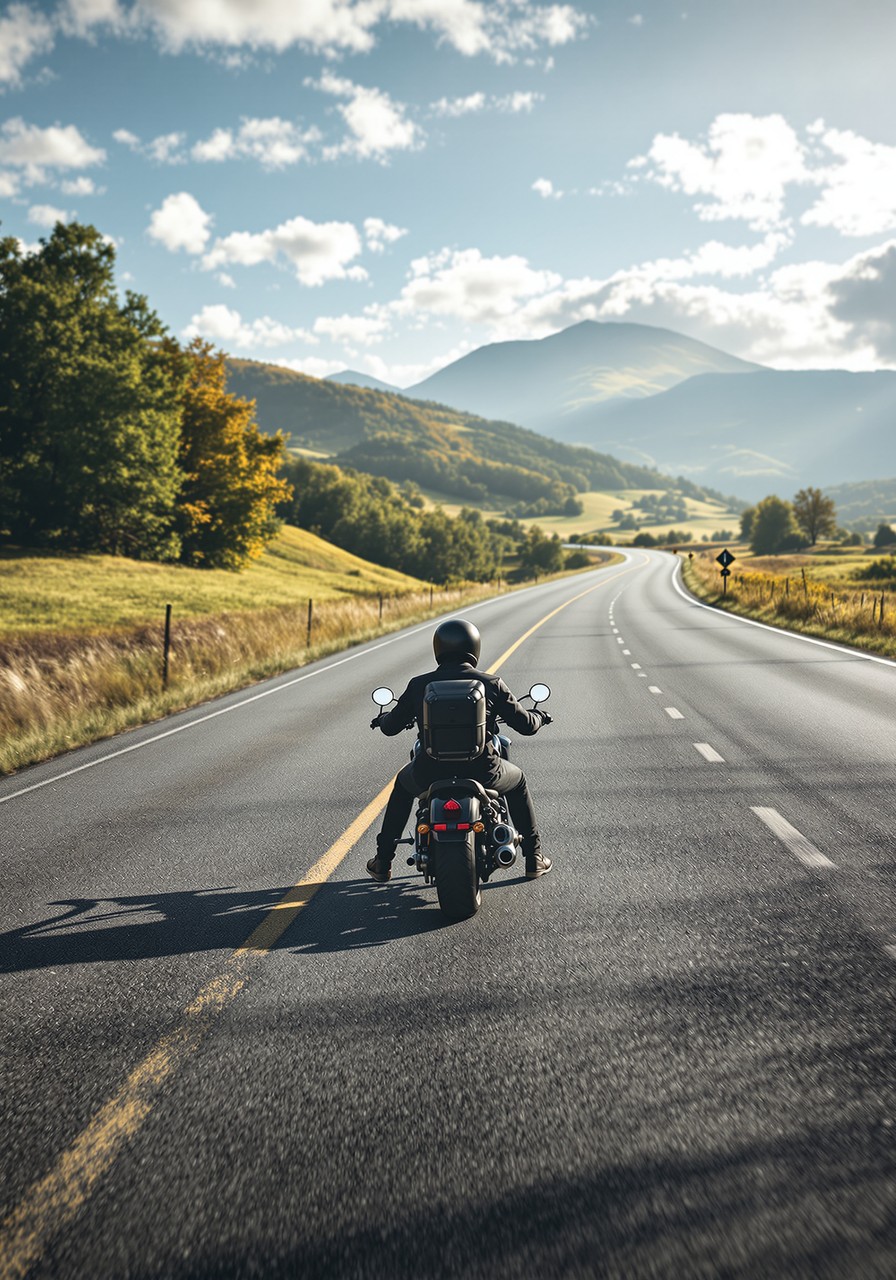
Harpers Ferry is barely an hour out and worth every mile. Where the Potomac and Shenandoah meet, the views stop you cold. Grab a coffee in the old town and watch the rivers. #RideNationDMV #BlueRidge #DMVriders
Gear & New Iron
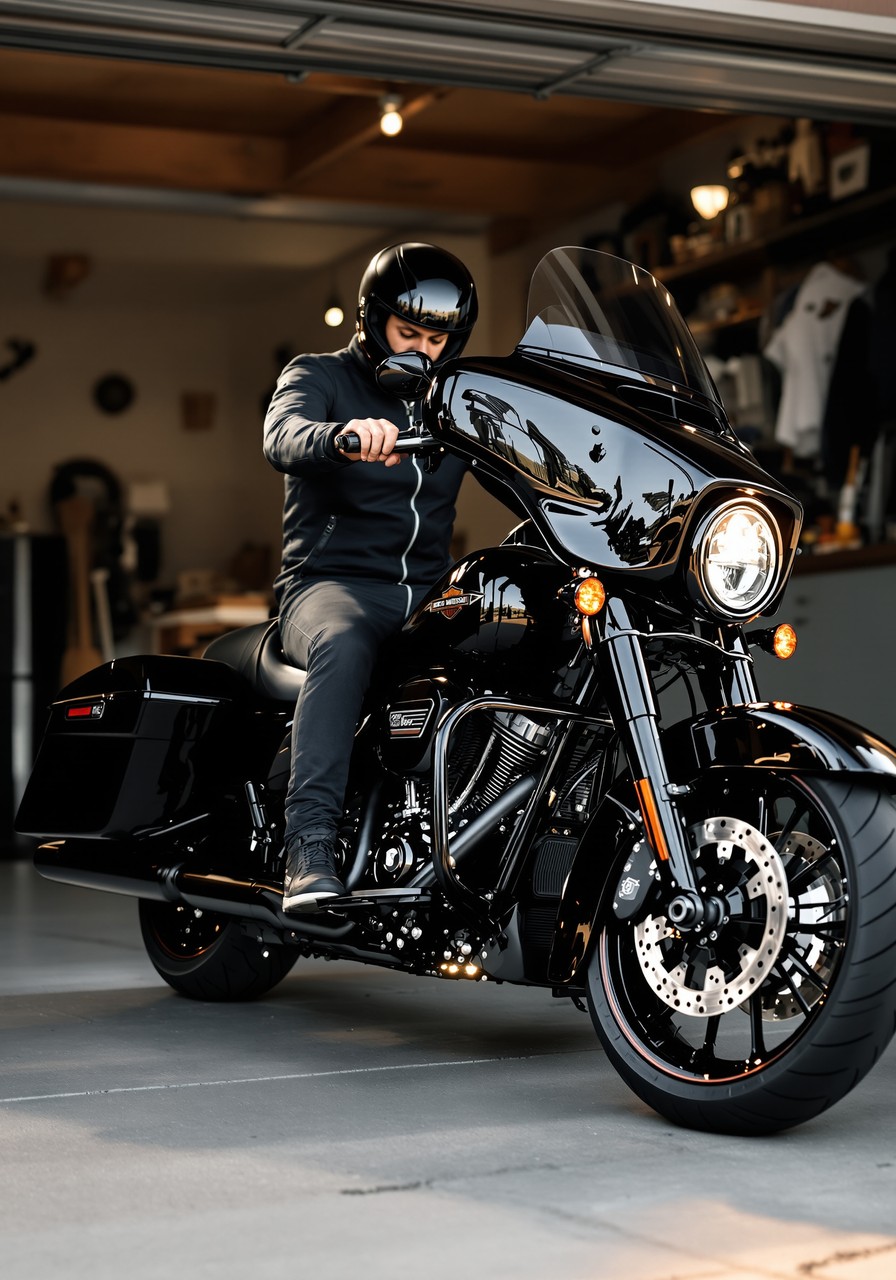
Over-the-ankle boots beat sneakers every single ride. Shift lever wear, ankle support, grip at the light. Your feet will thank you. #RideNationDMV #GearUp #RideSafe
Safety & DMV Law
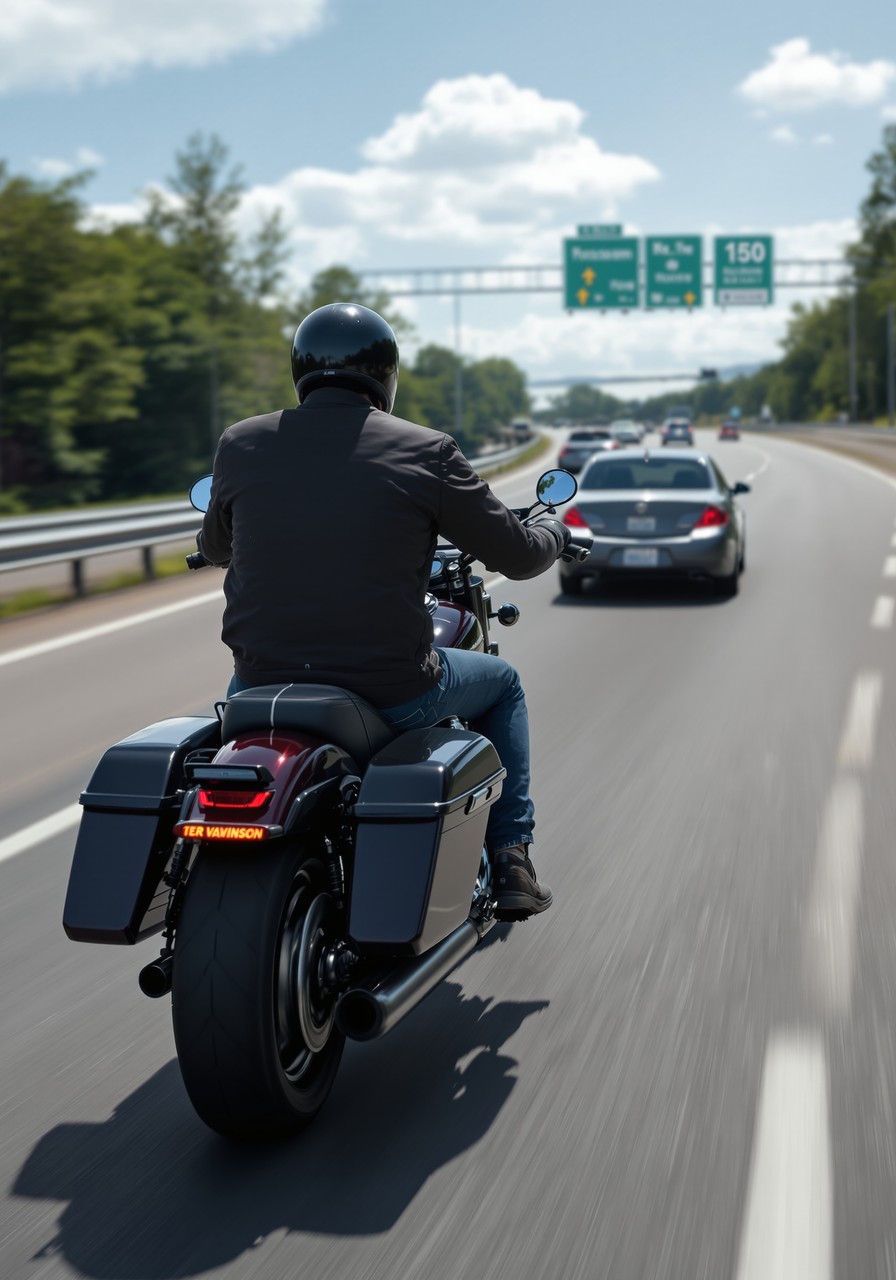
State minimum liability limits are low across the DMV (MD 30/60/15, DC 25/50/10, VA 30/60/20). UM/UIM coverage is your real backstop, so carry it. Call Malloy Law Offices at (888) 485-1372. #RideNationDMV #RideSafe
Engagement
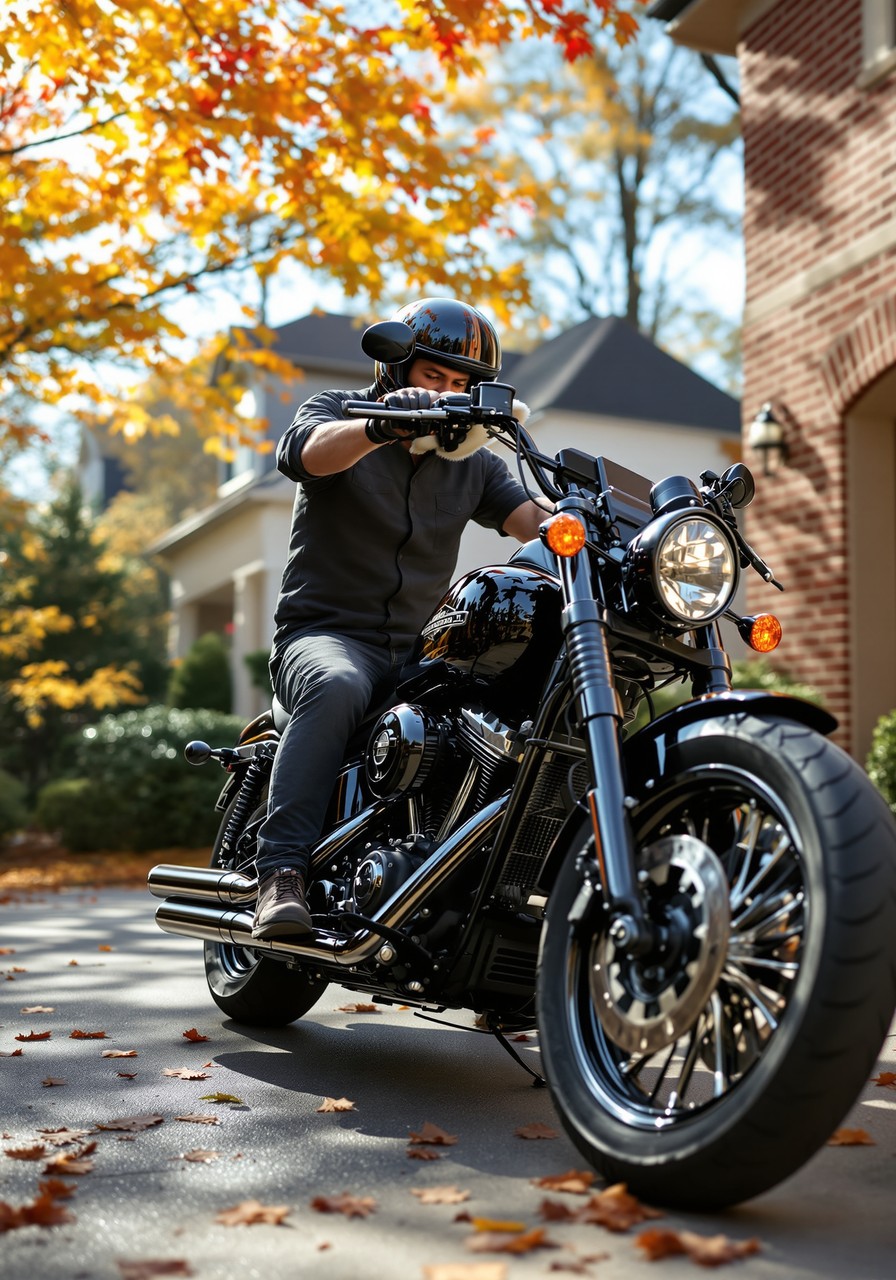
Quick poll: coffee stop before the ride or after? There is a wrong answer and we both know it. #RideNationDMV #DMVriders #BlueRidge
Giveaway & Countdown
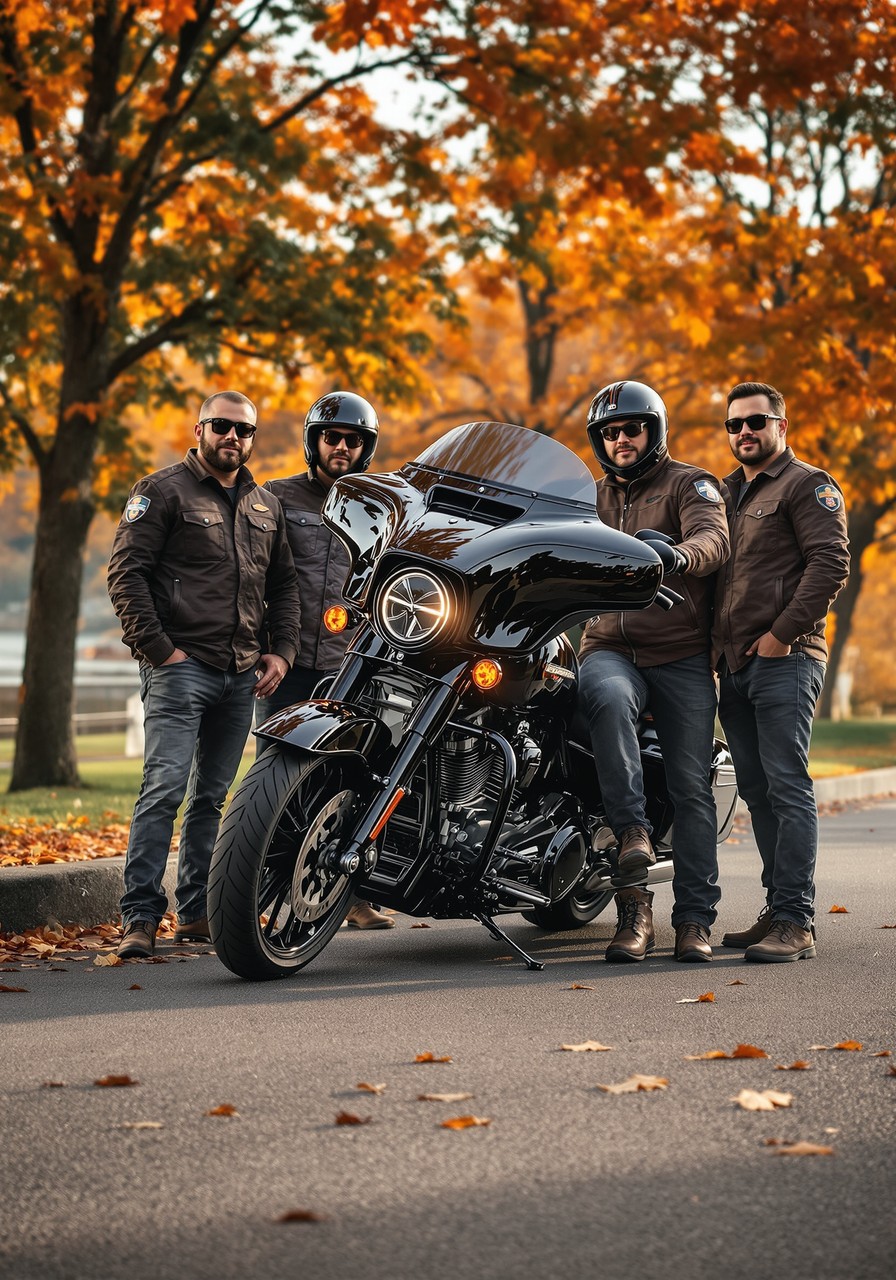
The countdown is on. December 10 is drawing day for the BikersWin $20K giveaway. Have you talked to Malloy Law Offices yet? Call (888) 485-1372 to ask how to enter. #RideNationDMV #20kGiveaway
Local DMV & Rides
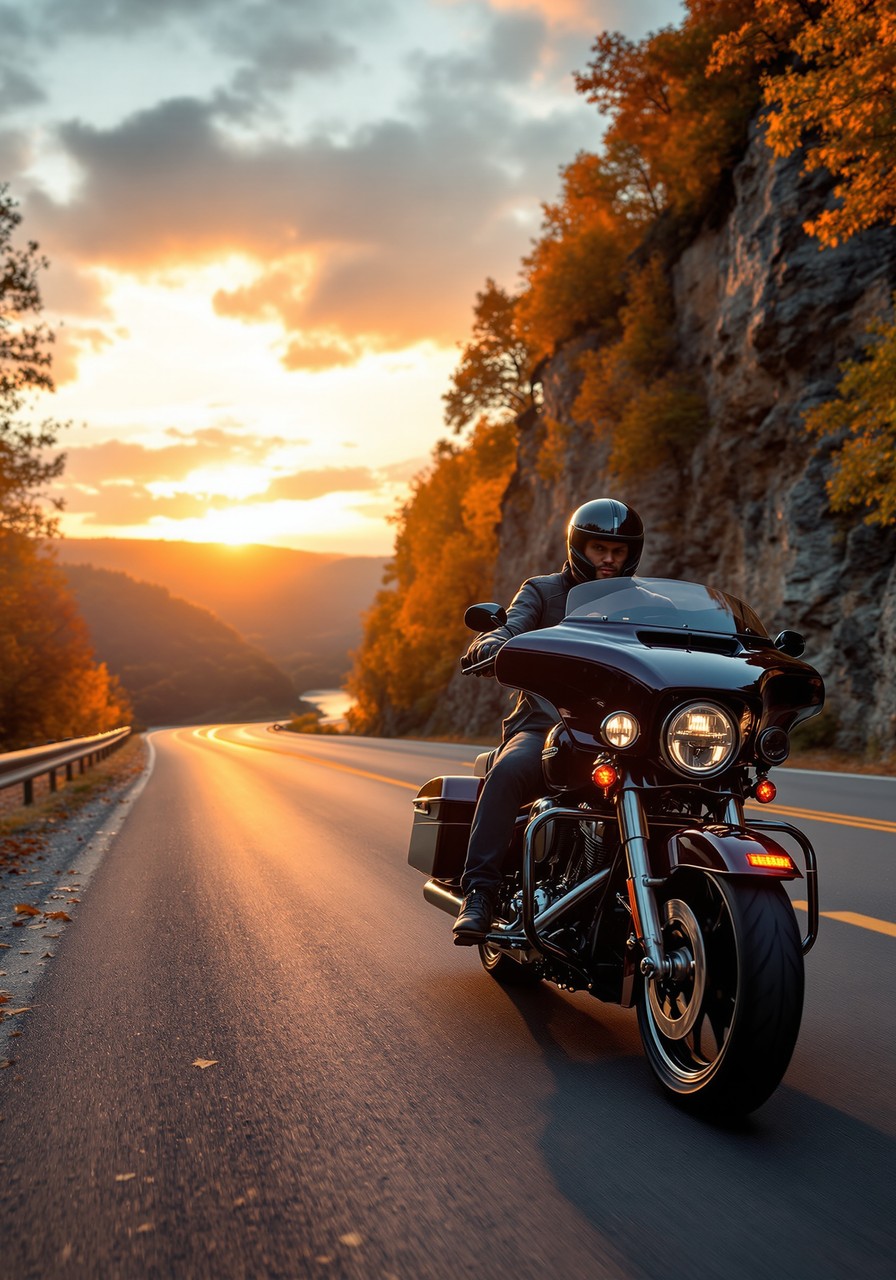
Cherry blossom season turns Rock Creek Parkway into something special. Ride it early before the crowds fill the Tidal Basin. Pink canopy, smooth pavement, city quiet. #RideNationDMV #DMVriders #GWParkway
Gear & New Iron
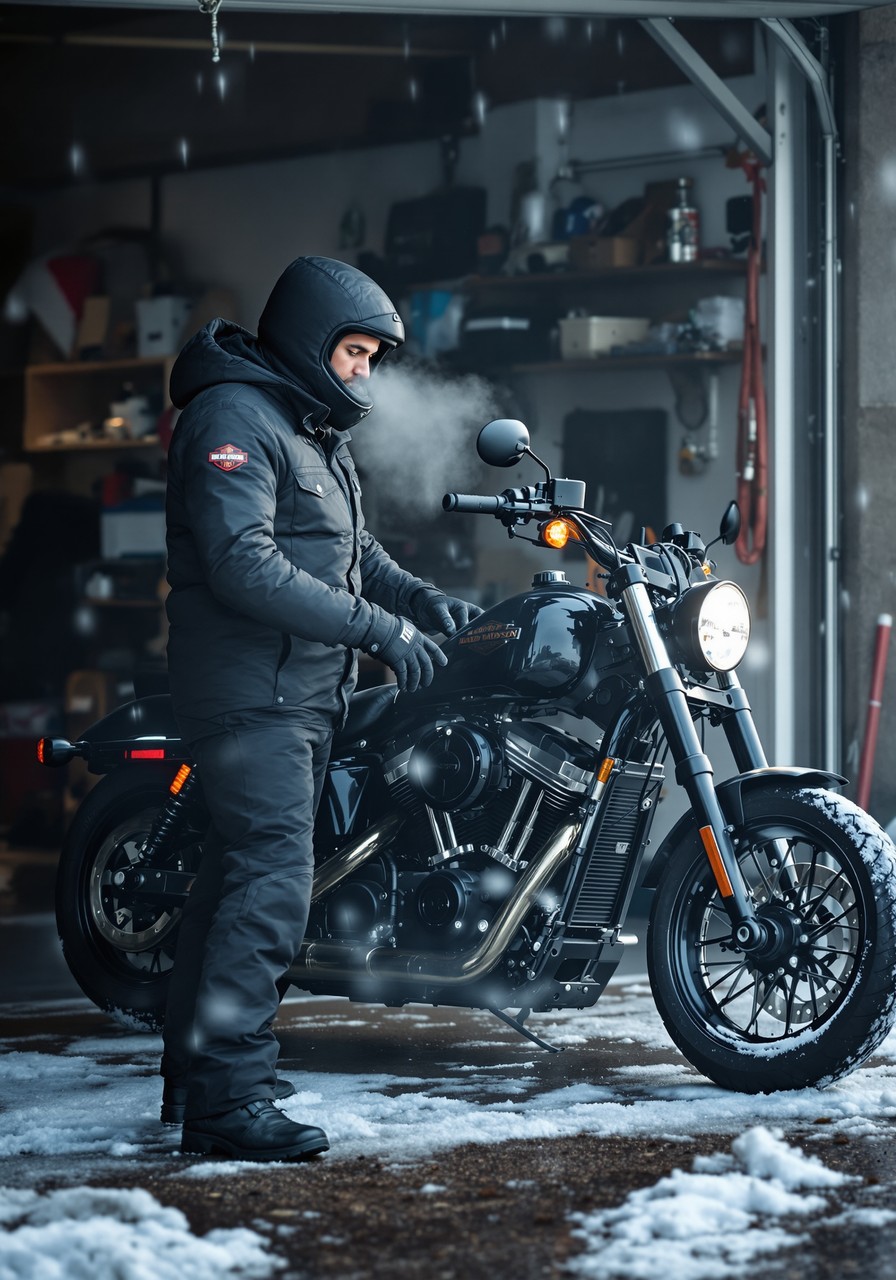
Cold Blue Ridge mornings hit different. Layer up with a windproof base and heated grips so the chill never steals your focus. #RideNationDMV #BlueRidge #GearUp
Safety & DMV Law
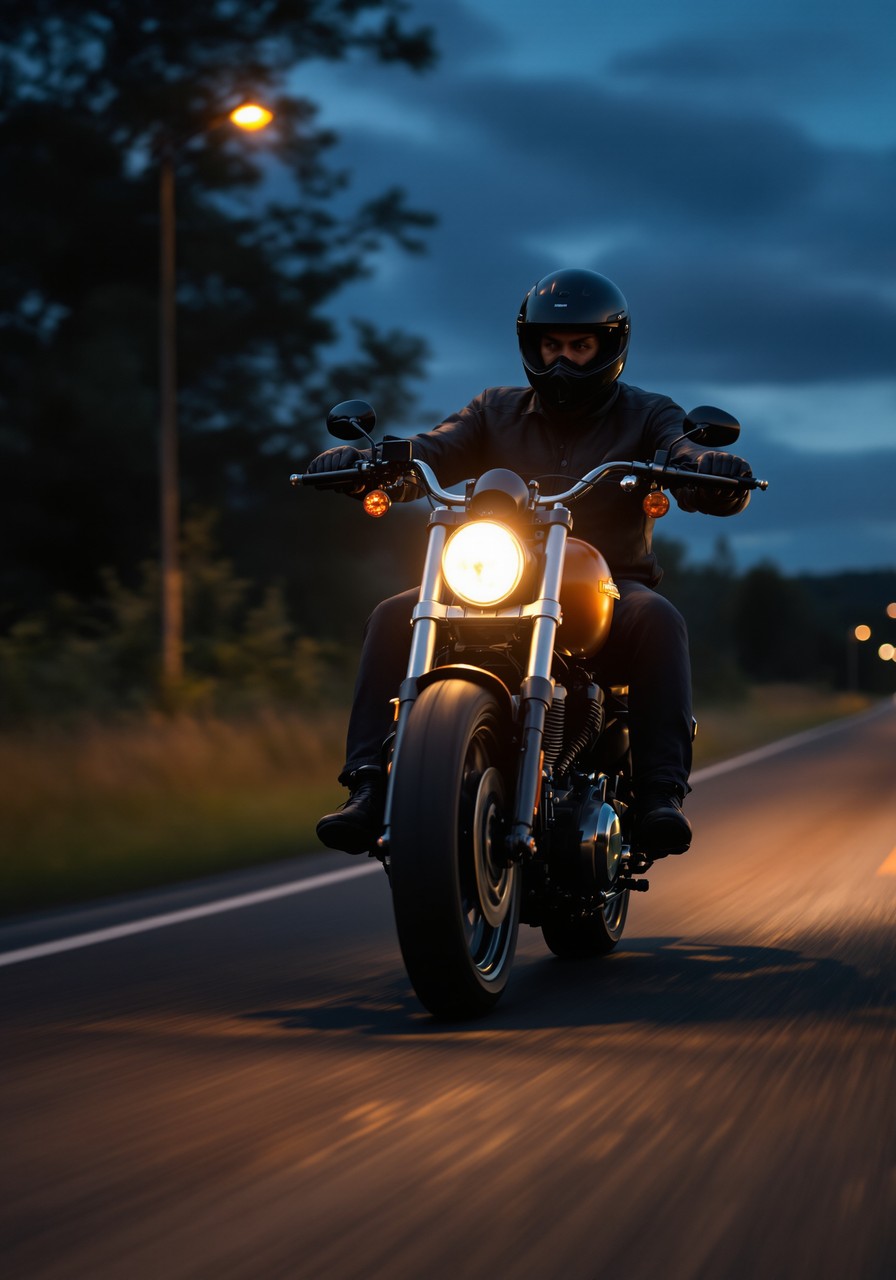
Night riding cuts your conspicuity. Reflective gear, clean lenses, and lane position help drivers spot you sooner. #RideNationDMV #NightRiding
Engagement
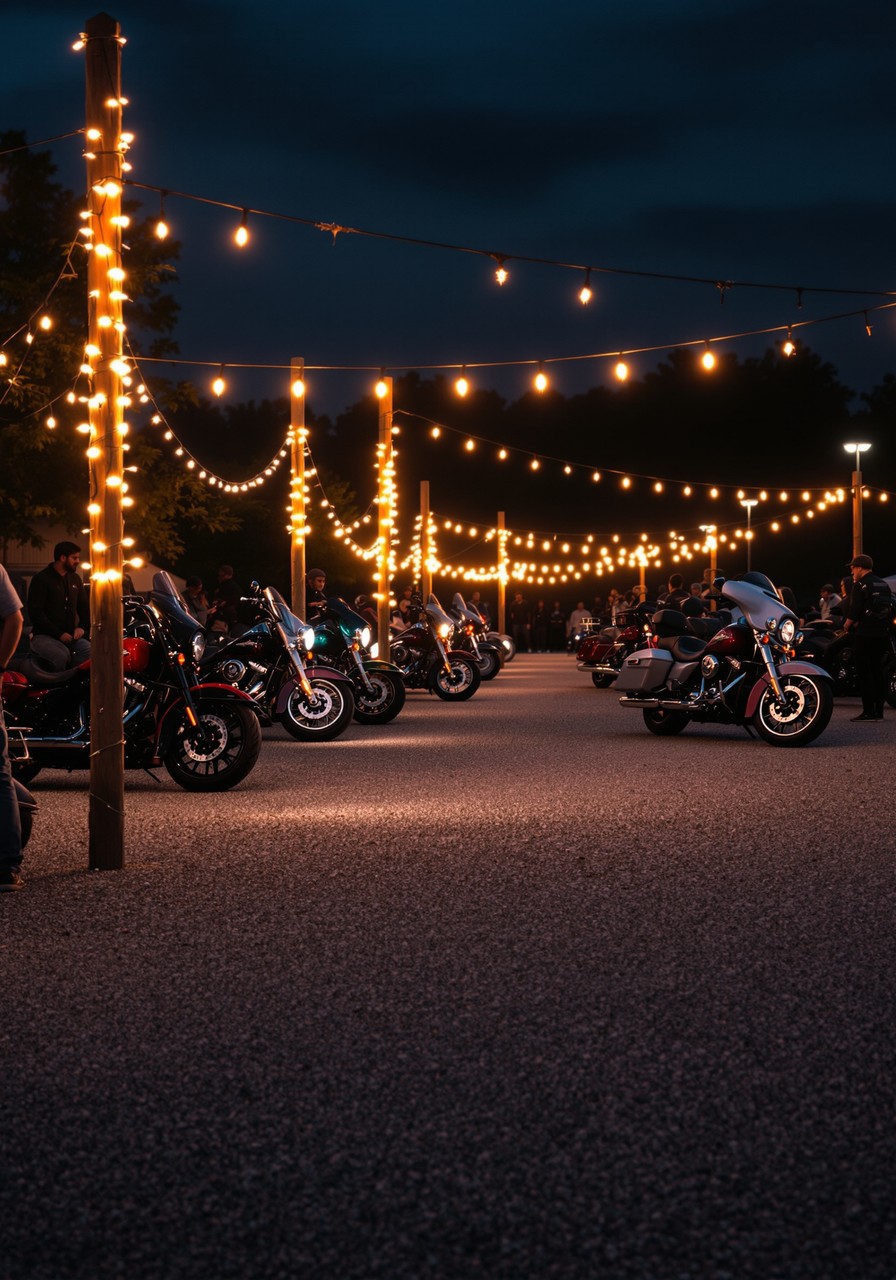
Weekend plan check: who is pointing it toward Harpers Ferry this Saturday? Comment if you are in. #RideNationDMV #BlueRidge #MarylandRiders
Giveaway & Countdown
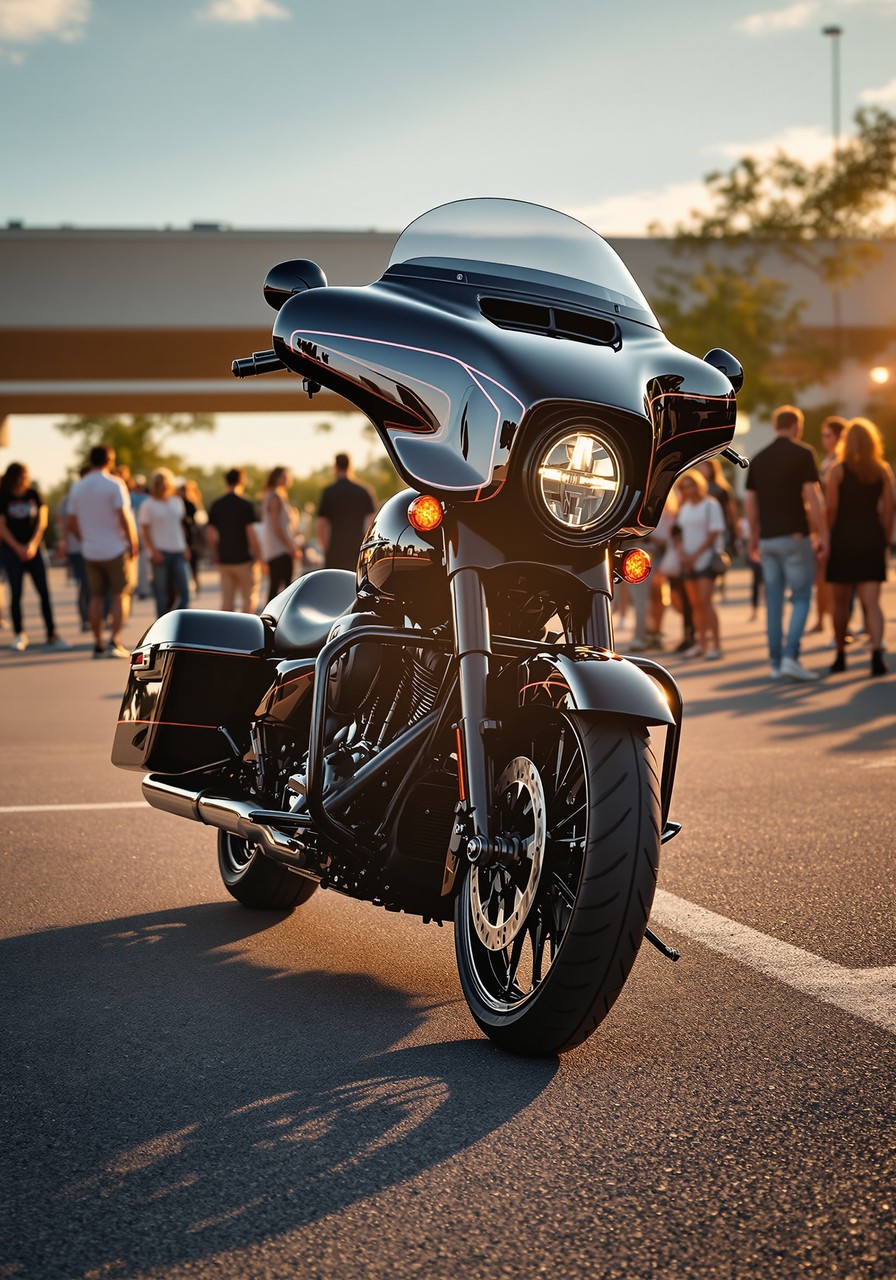
Wondering how to get in on the $20,000 giveaway? It's simple: talk to Malloy Law Offices about your motorcycle crash and you're entered for free. #BikersWin #RideNationDMV #20kGiveaway
Local DMV & Rides
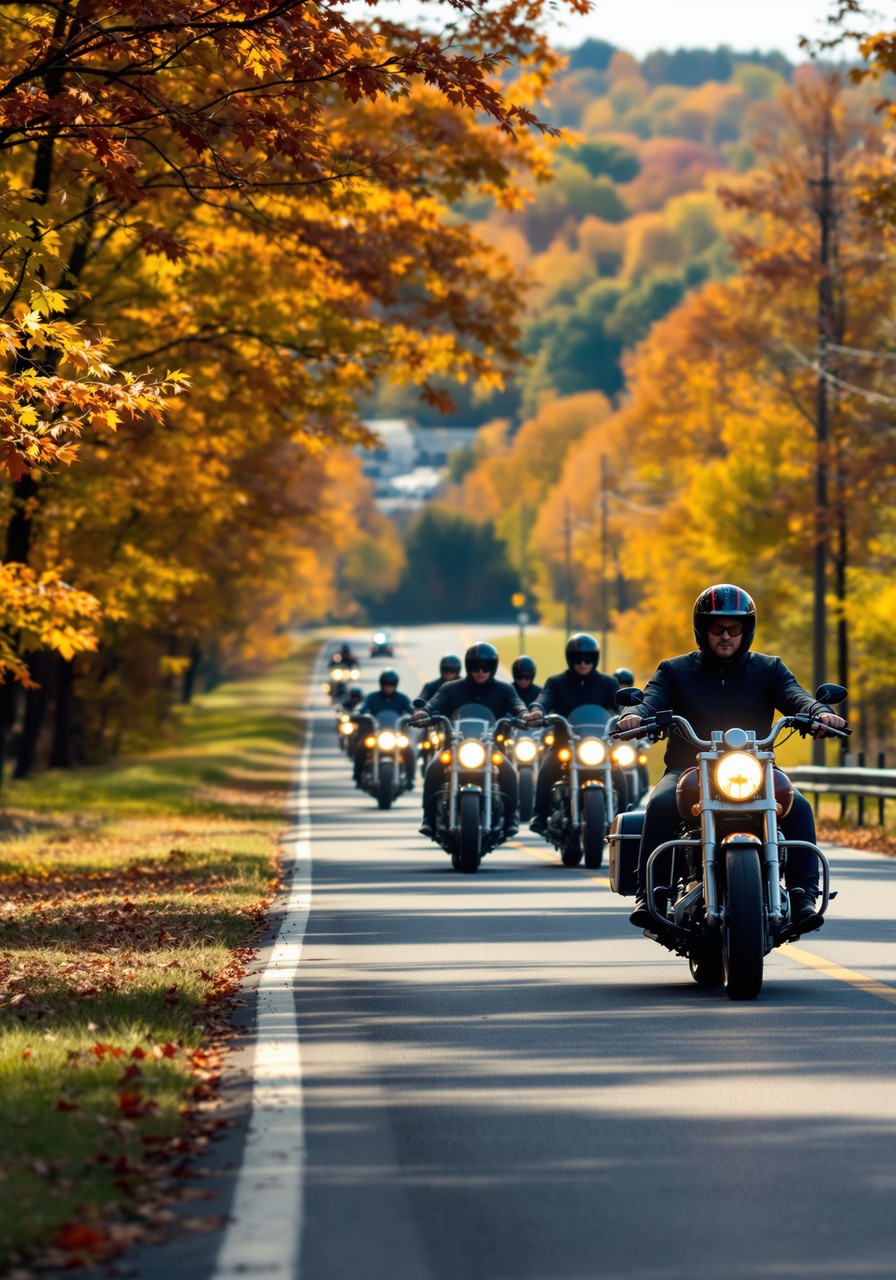
Middleburg horse country is made for a slow Sunday. US-50 west, then peel off onto the stone-wall backroads. Wineries, rolling pasture, and curves that reward an easy pace. #RideNationDMV #NOVA #DMVriders
Gear & New Iron
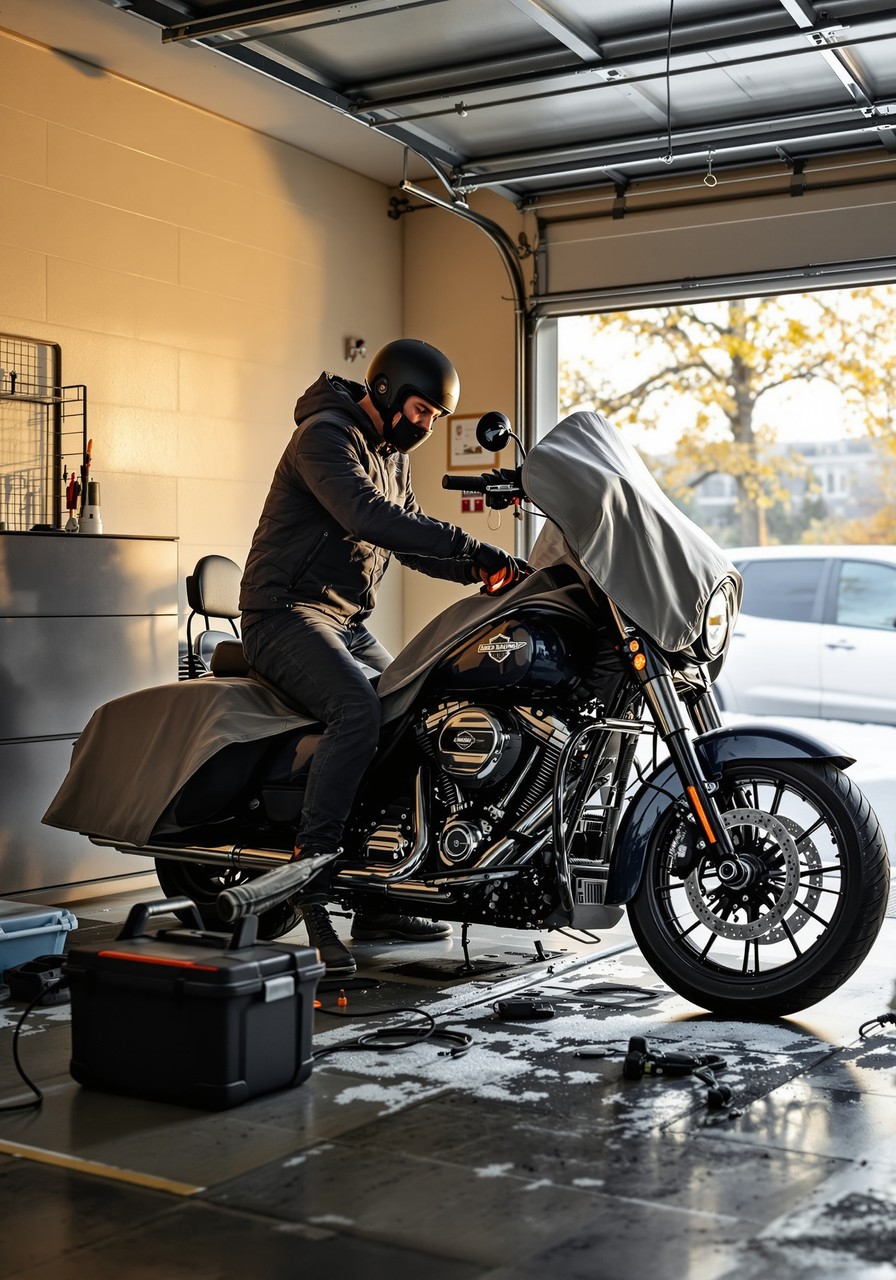
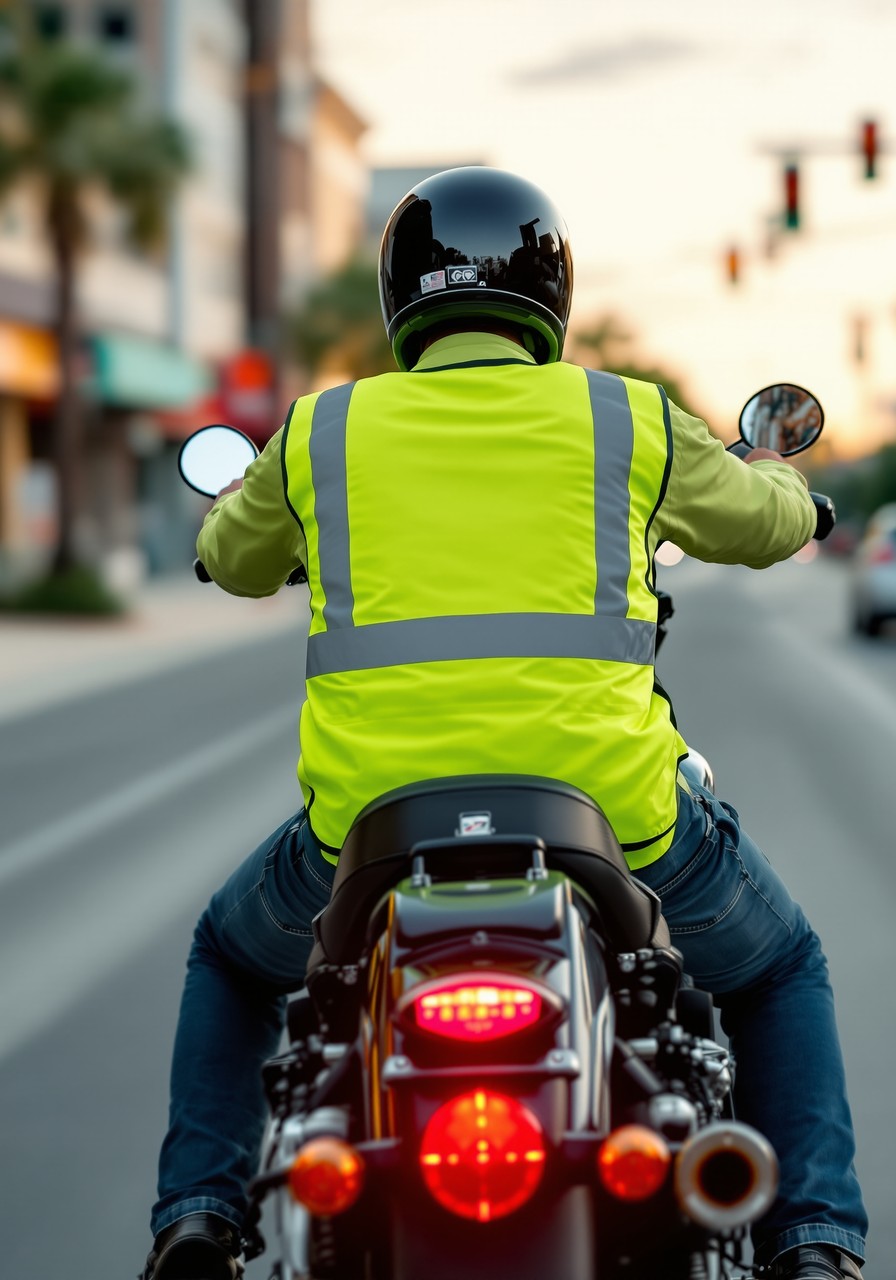
Hi-viz is not a fashion statement, it is a survival tool. On the Beltway, being seen is half the battle. #RideNationDMV #RideSafe #DMVriders
Safety & DMV Law
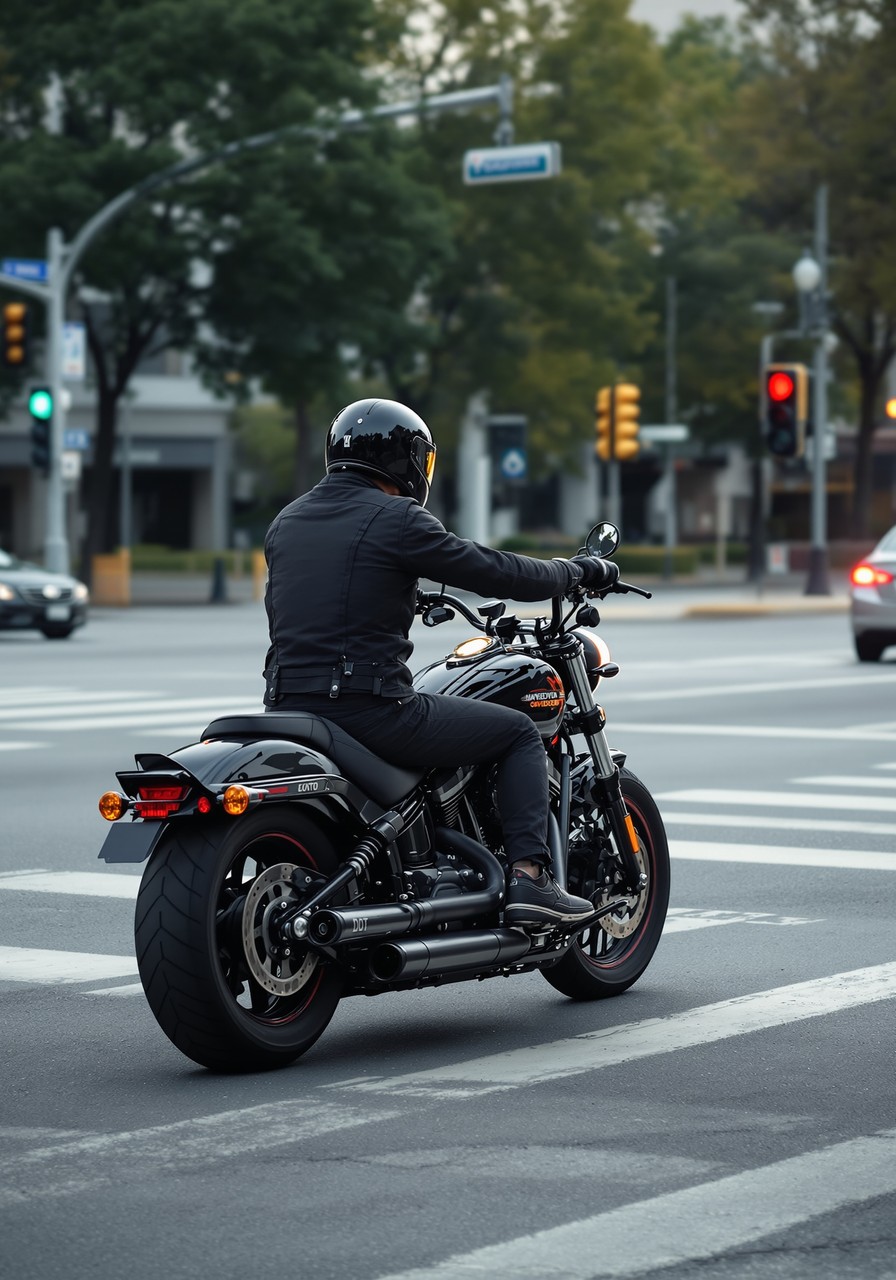
Where the crash happened matters. DC, Maryland, and Virginia each have their own rules, and the line you crossed can change everything. Questions? Call Malloy Law Offices at (888) 485-1372. #RideNationDMV #DMVriders
Engagement
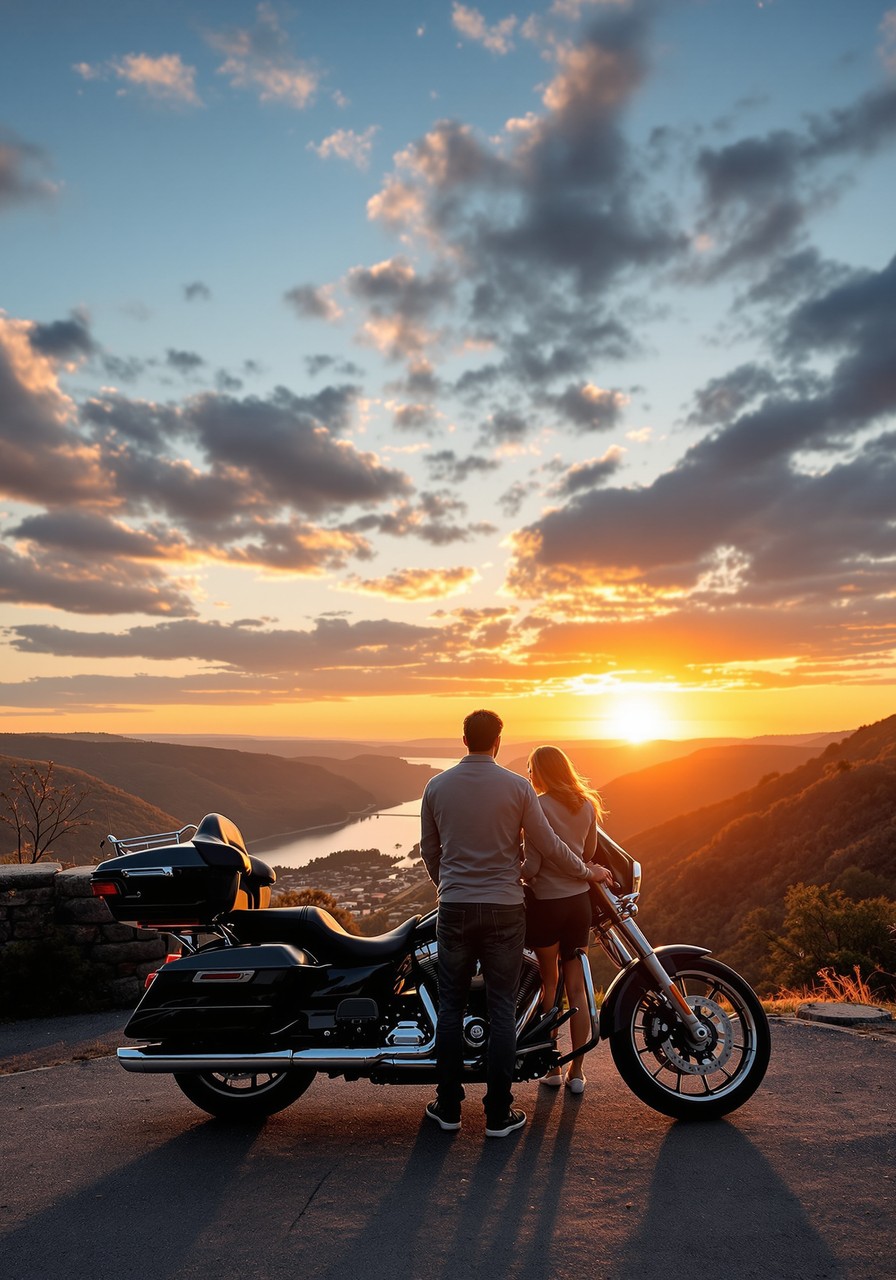
This or that: Sugarloaf Mountain loop or a long cruise down US-50? Make your case. #RideNationDMV #MarylandRiders #DMVriders
Giveaway & Countdown
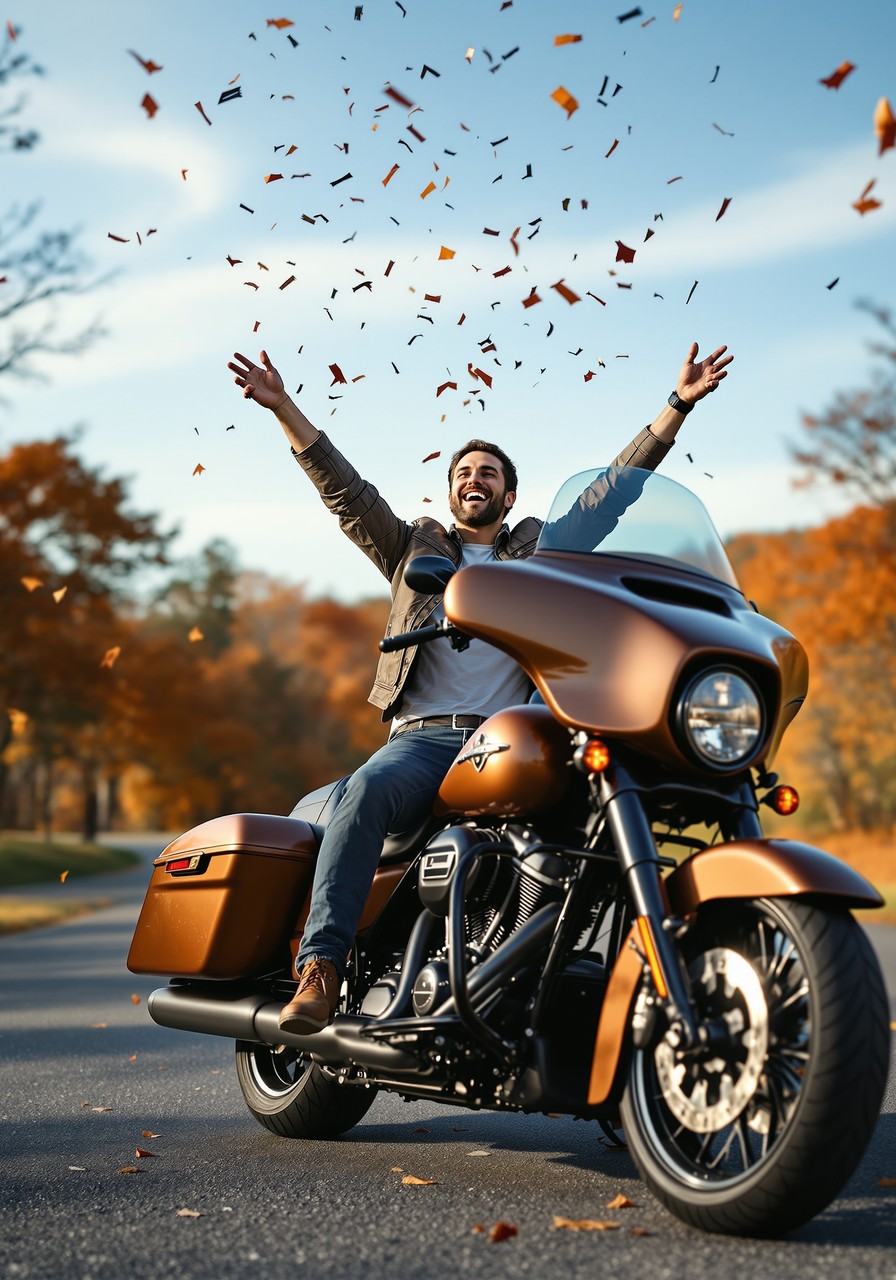
Free to enter. Twenty grand on the line. Drawn December 10. This is the BikersWin giveaway, DMV. #RideNationDMV #BikersWin #20kGiveaway
Local DMV & Rides
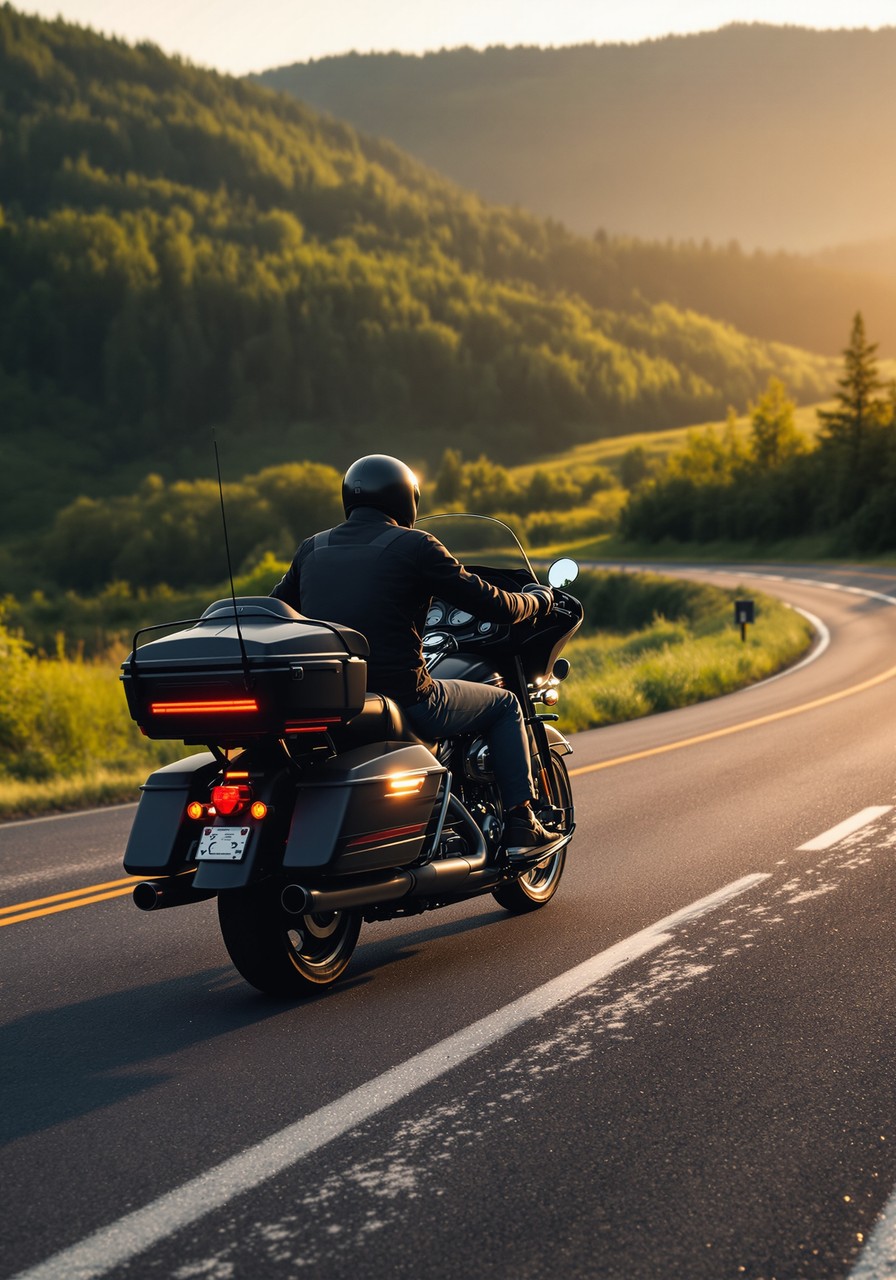
Poolesville and the Potomac backroads are a Maryland secret. Quiet two-lanes, river bluffs, and a ferry at White's if you time it right. Perfect for a relaxed morning. #RideNationDMV #MarylandRiders #RideNationDMV
Gear & New Iron
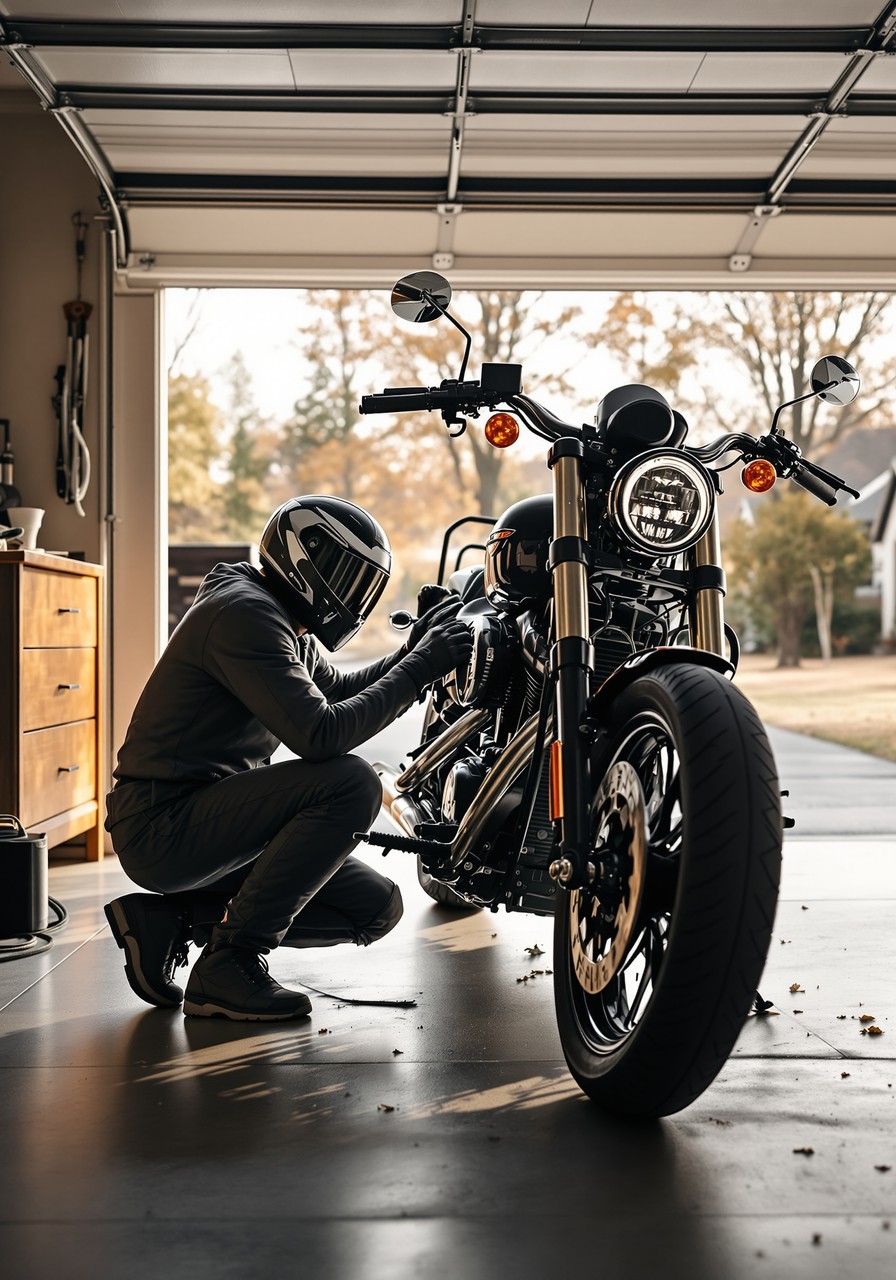
New iron day is the best day. Fresh tires, clean chain, that first ride smell. Tell us what is in your garage this season. #RideNationDMV #MotorcycleGear #NewBikeDay
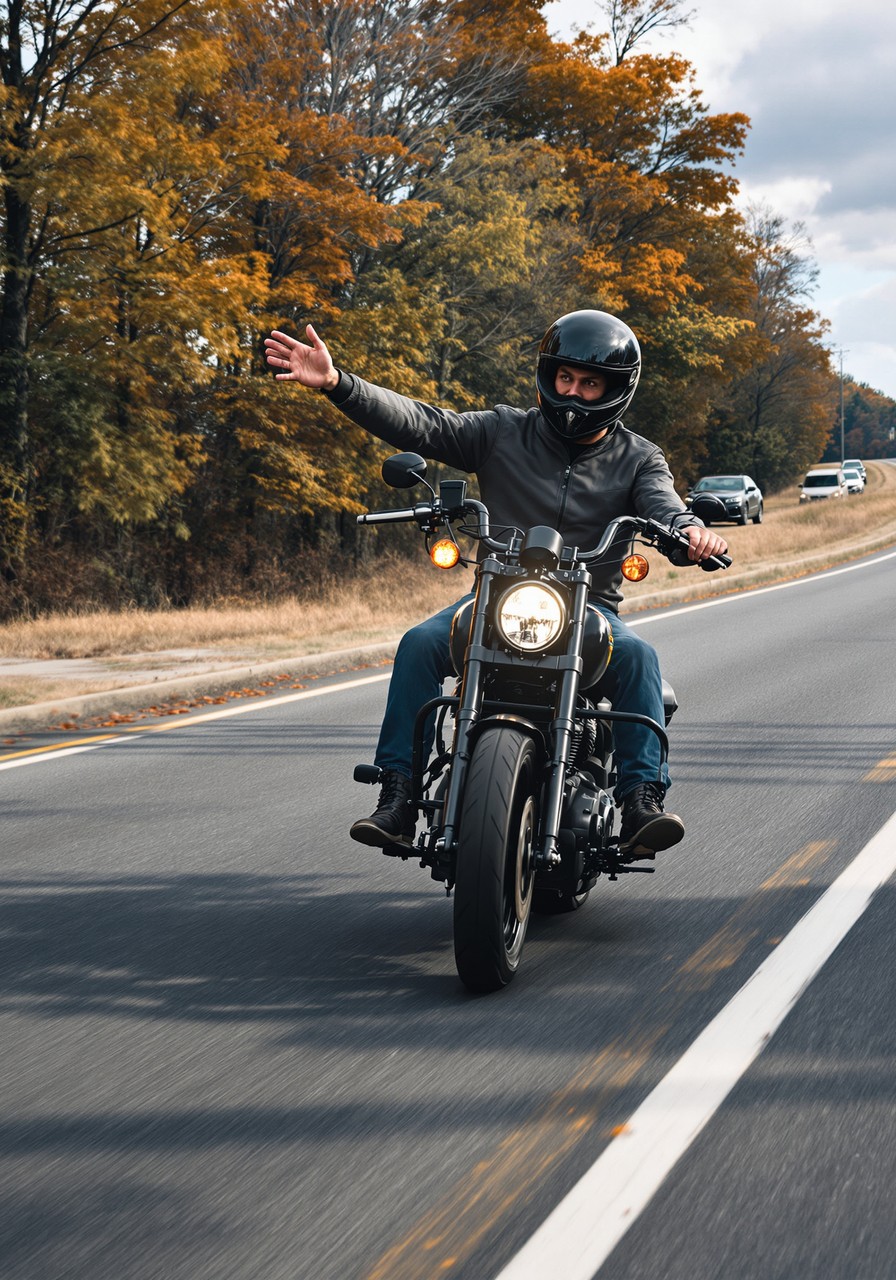
Safety & DMV Law
Deadlines differ across the DMV: roughly 3 years in Maryland and DC, but only 2 years in Virginia. Time matters after a crash. Call Malloy Law Offices at (888) 485-1372. #RideNationDMV #RiderRights
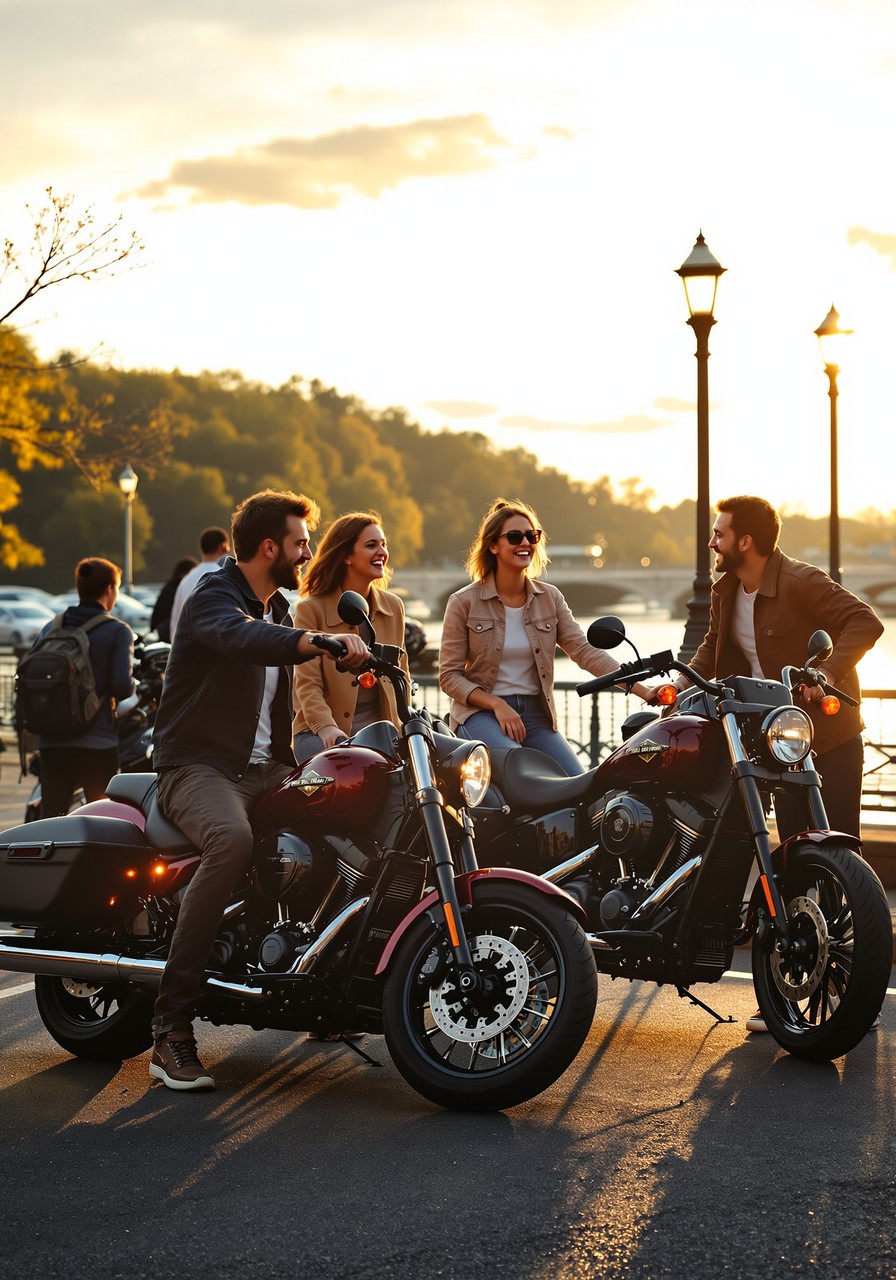
Engagement
Caption this photo in your head: cherry blossoms, clean helmet visor, empty parkway. What is the line? #RideNationDMV #WashingtonDC #GWParkway
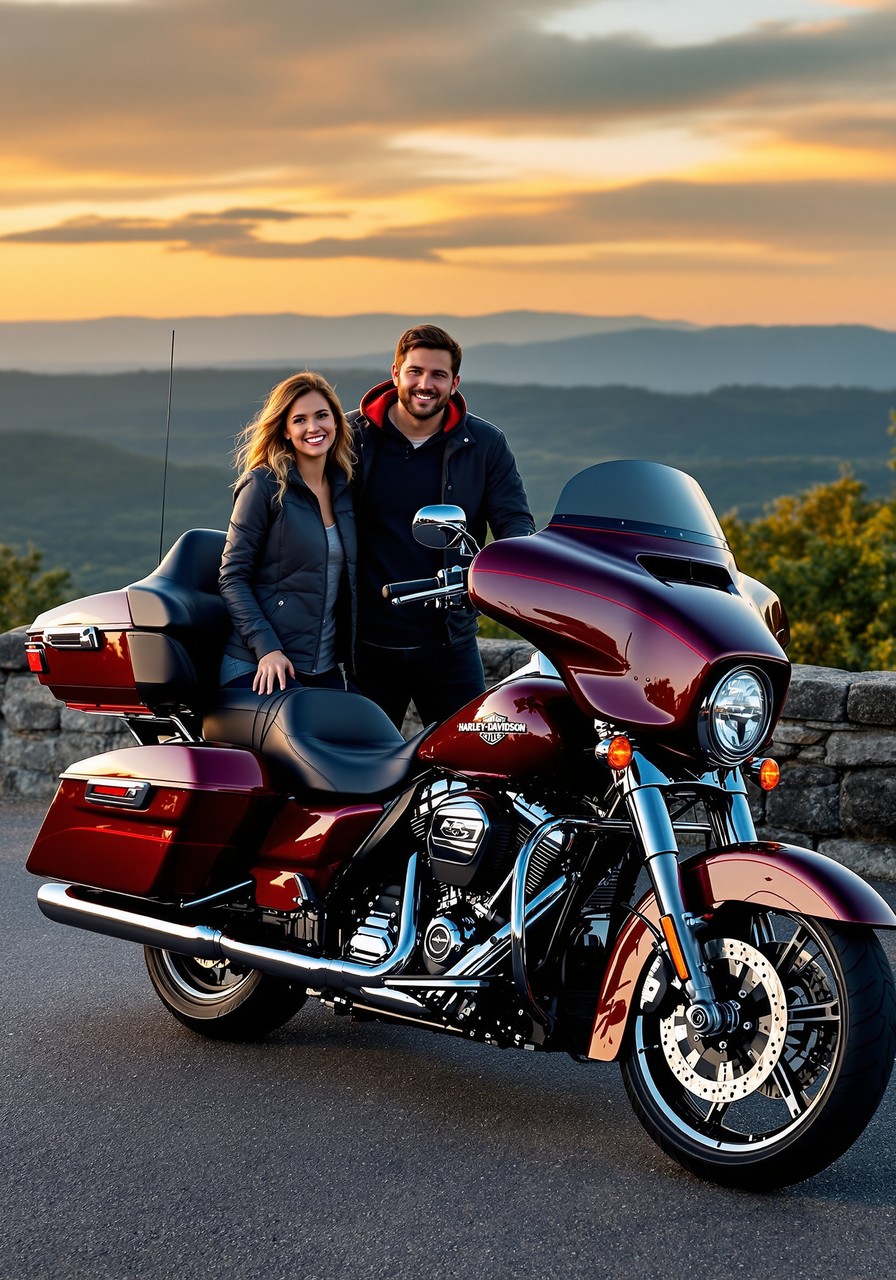
Giveaway & Countdown
Every rider deserves a fair shot. Talk to Malloy Law Offices about your crash and get entered in the $20K BikersWin giveaway at no cost. Call (888) 485-1372. #RideNationDMV #BikersWin
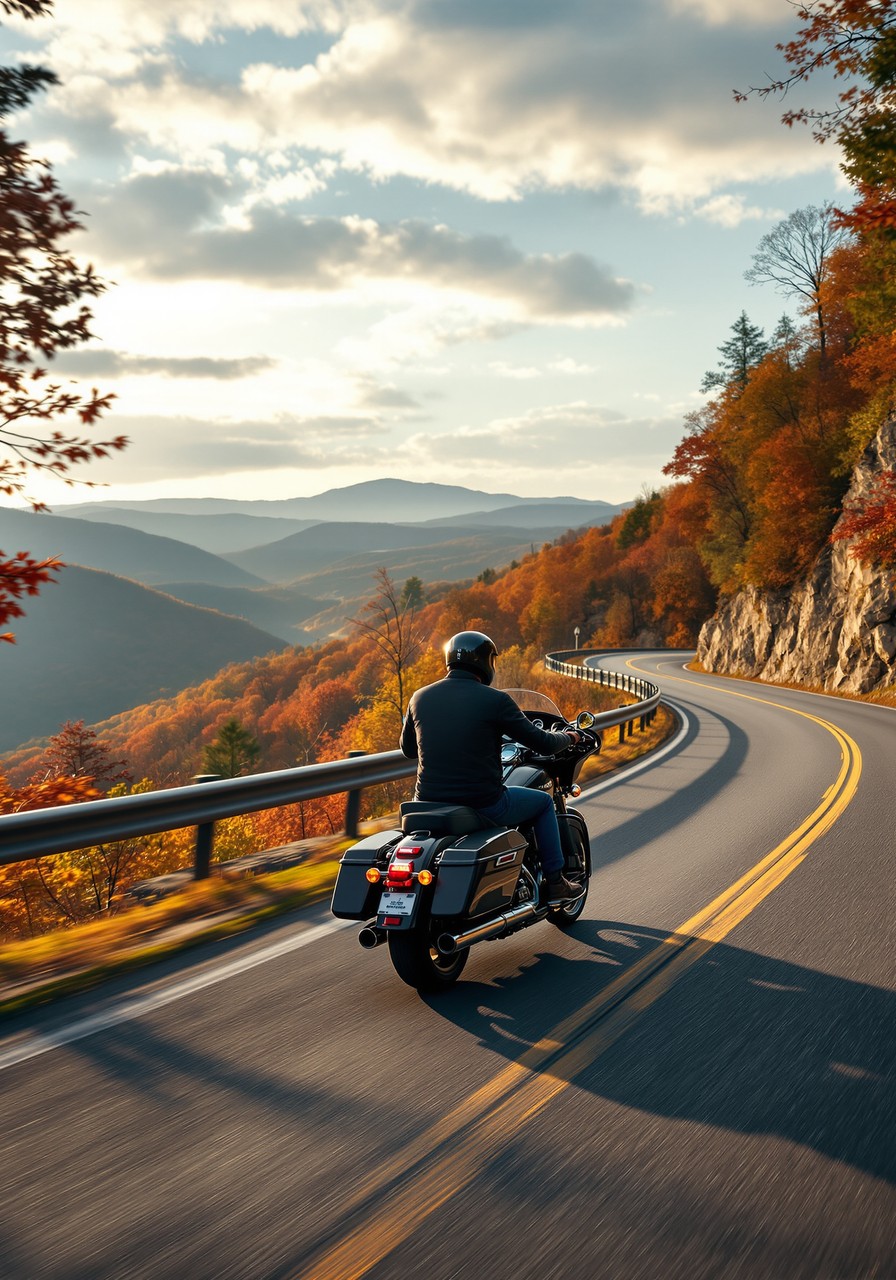
Local DMV & Rides
Fall foliage runs down US-15 hit different this time of year. Every ridge line turns red and orange from Leesburg north. Chase the color while it lasts. #RideNationDMV #NOVA #BlueRidge
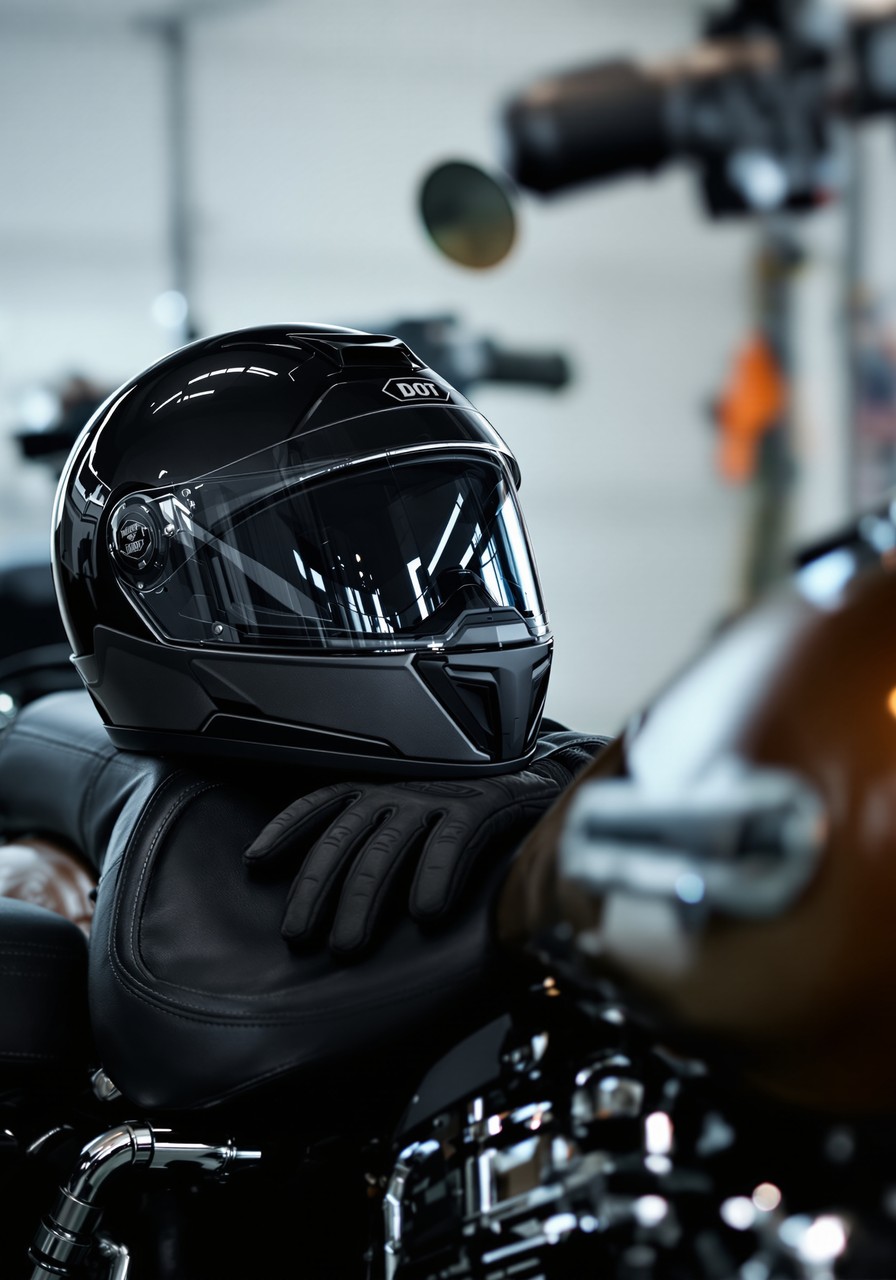
Gear & New Iron
Tire pressure is free horsepower and free safety. Check it cold before every ride, especially heading into cooler DMV weather. #RideNationDMV #RideSafe #GearUp
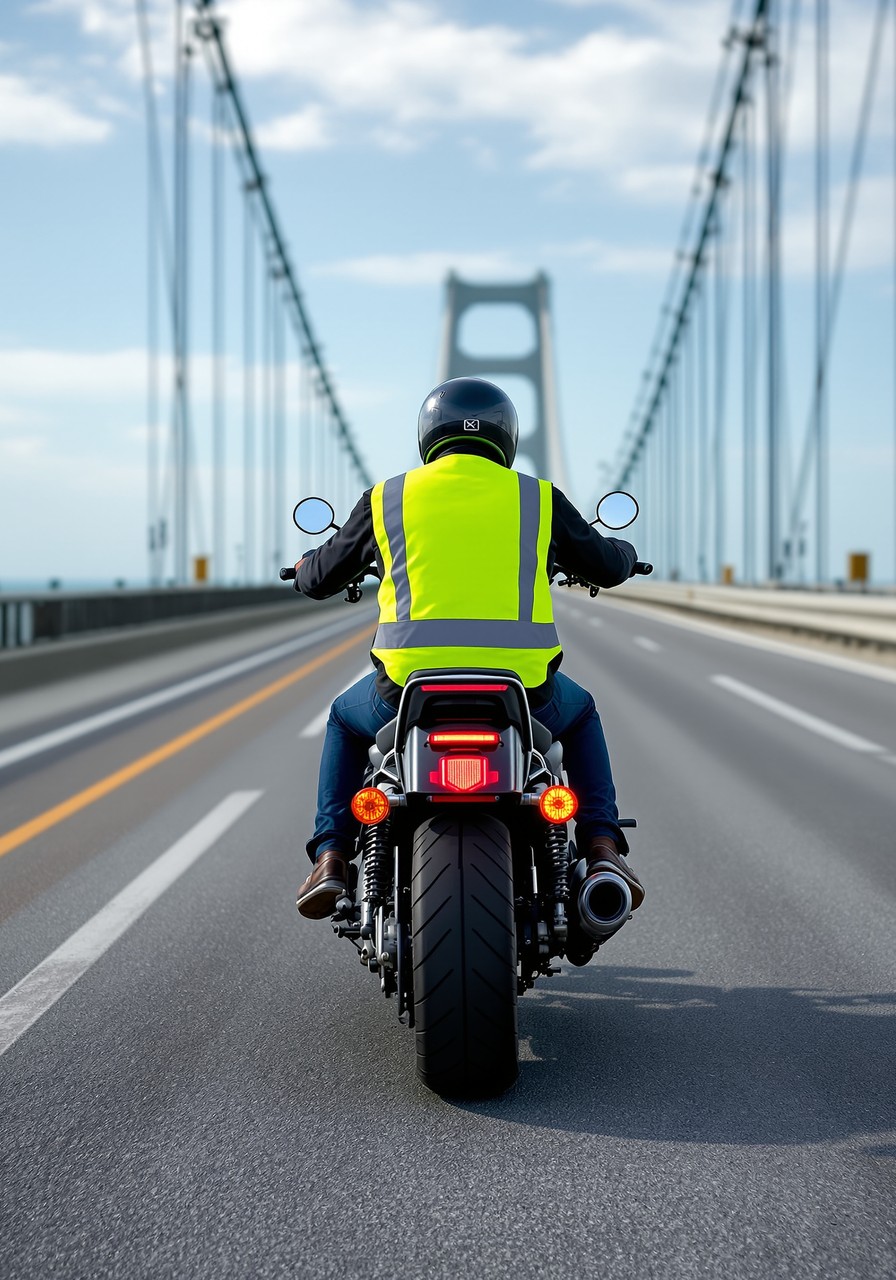
Safety & DMV Law
Rain on the Beltway bridges gets slick fast, especially in the first minutes. Ease off, smooth inputs, more following distance. #RideNationDMV #WetRoads
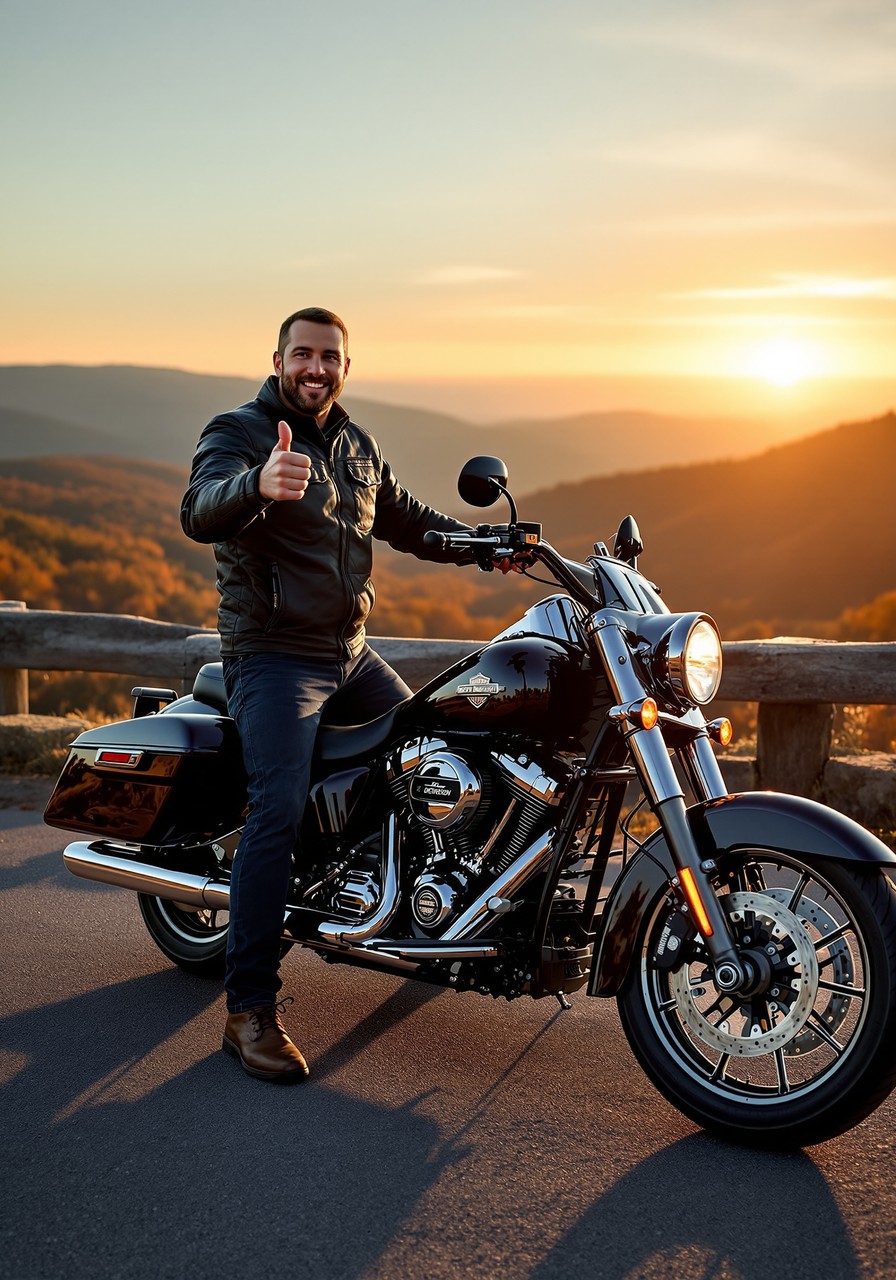
Engagement
Fill in the blank: I knew fall riding season started when ______. #RideNationDMV #BlueRidge #SkylineDrive
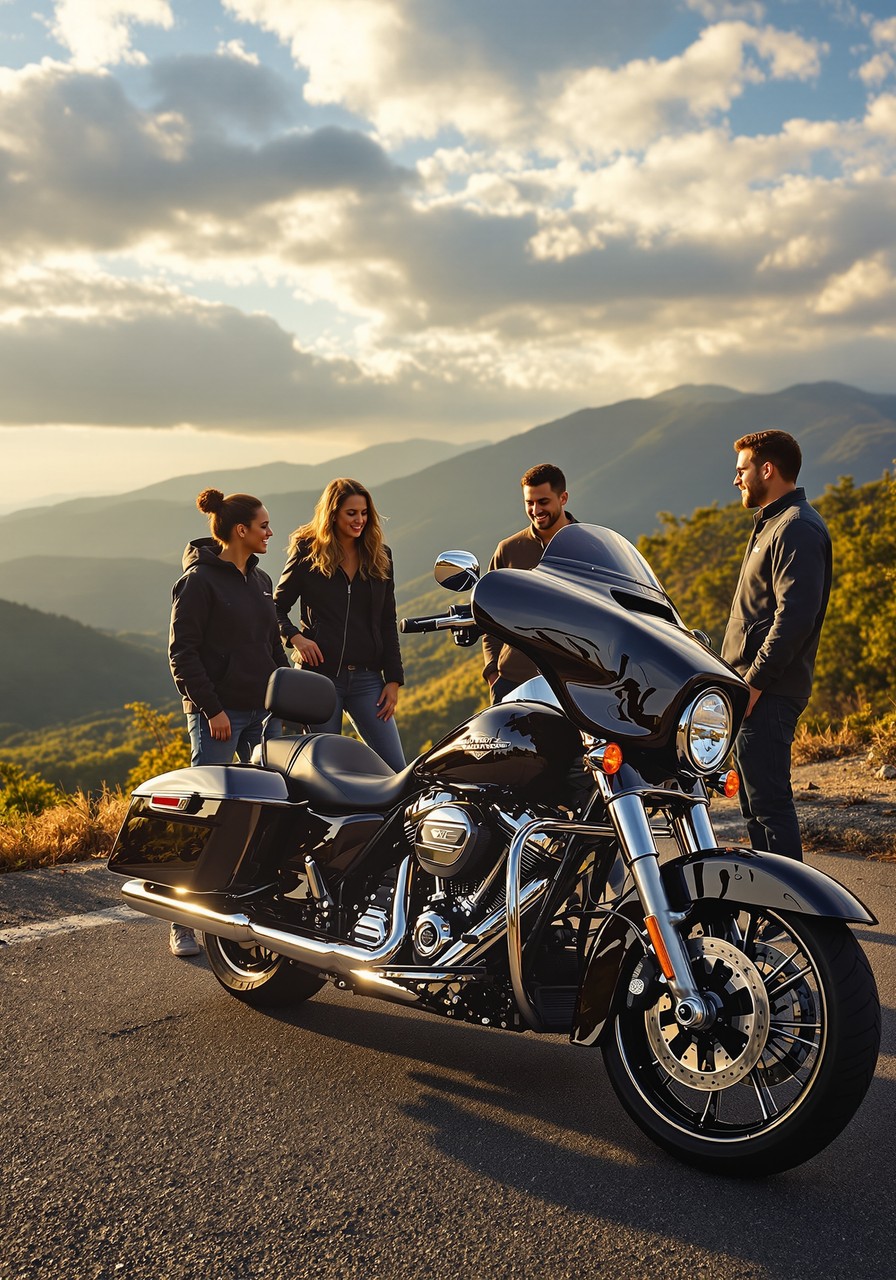
Giveaway & Countdown
The buzz is real across the DMV. Riders are getting entered for free in the BikersWin $20,000 giveaway just by talking to us about a crash. #20kGiveaway #RideNationDMV #BikersWin
Local DMV & Rides
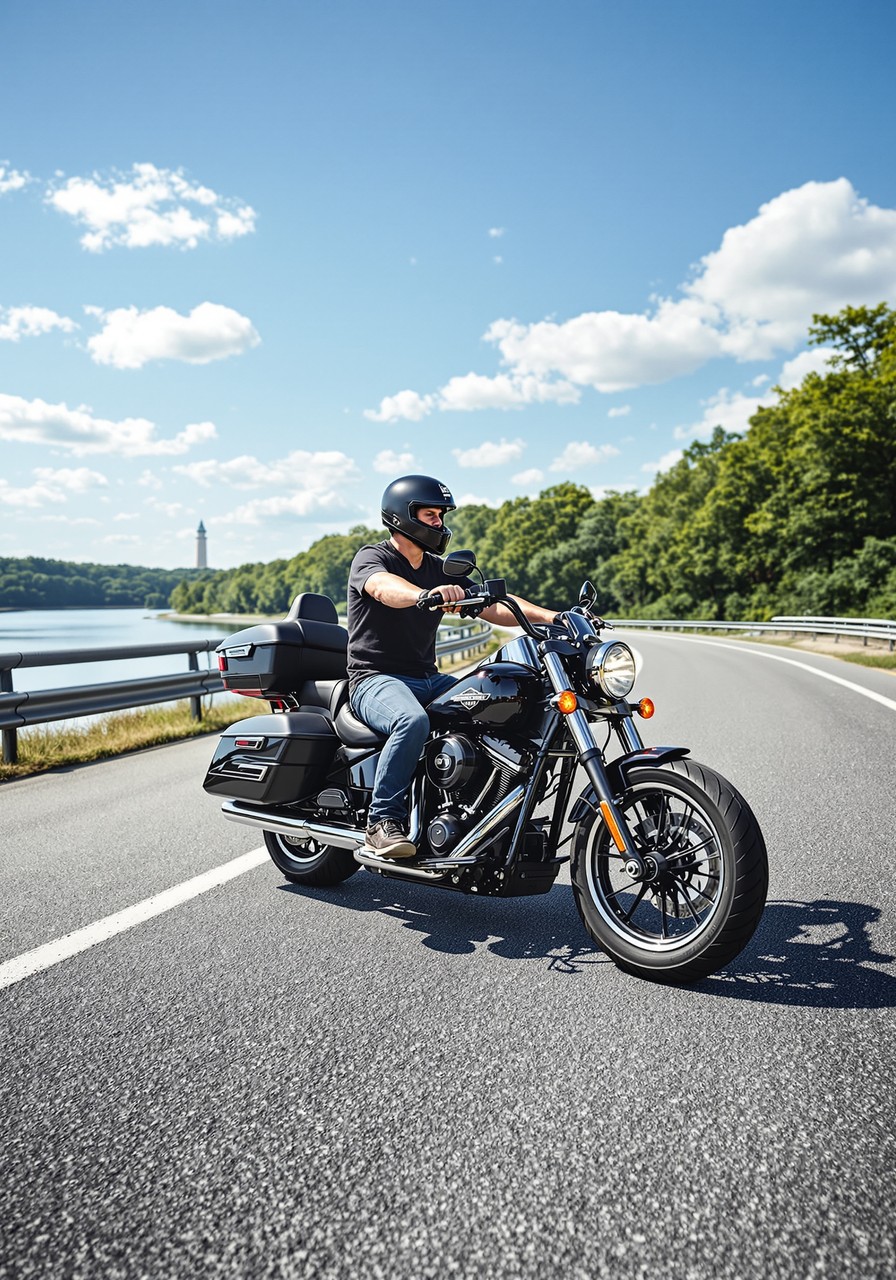
The C&O Canal area gives you flat, shaded river roads all along the Potomac. Great when the mountains feel like too much and you just want to cruise. History stacked around every lock. #RideNationDMV #MarylandRiders #DMVriders
Gear & New Iron
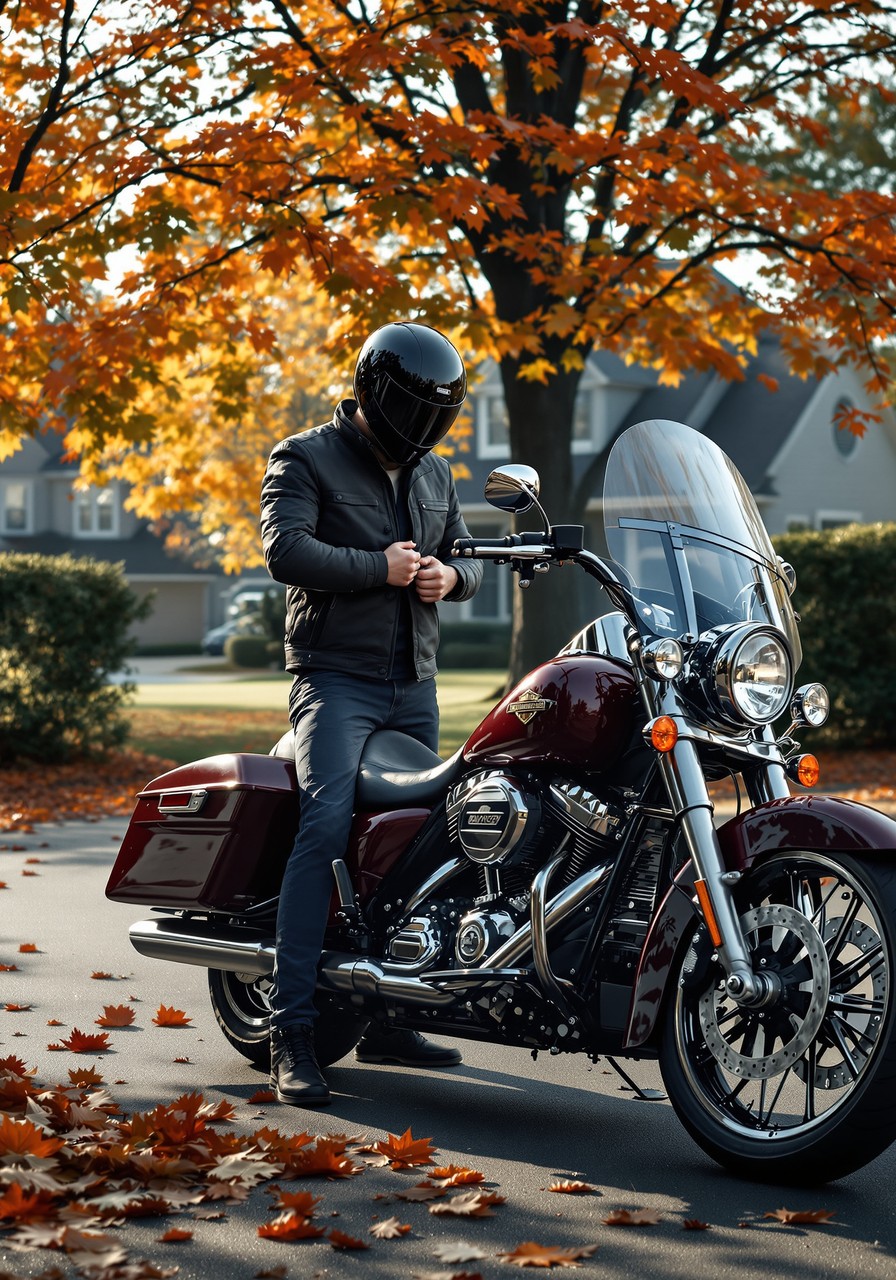
A quality base layer changes everything in fall. Wick the sweat, block the wind, ride longer in comfort. #RideNationDMV #BlueRidge #GearUp
Safety & DMV Law
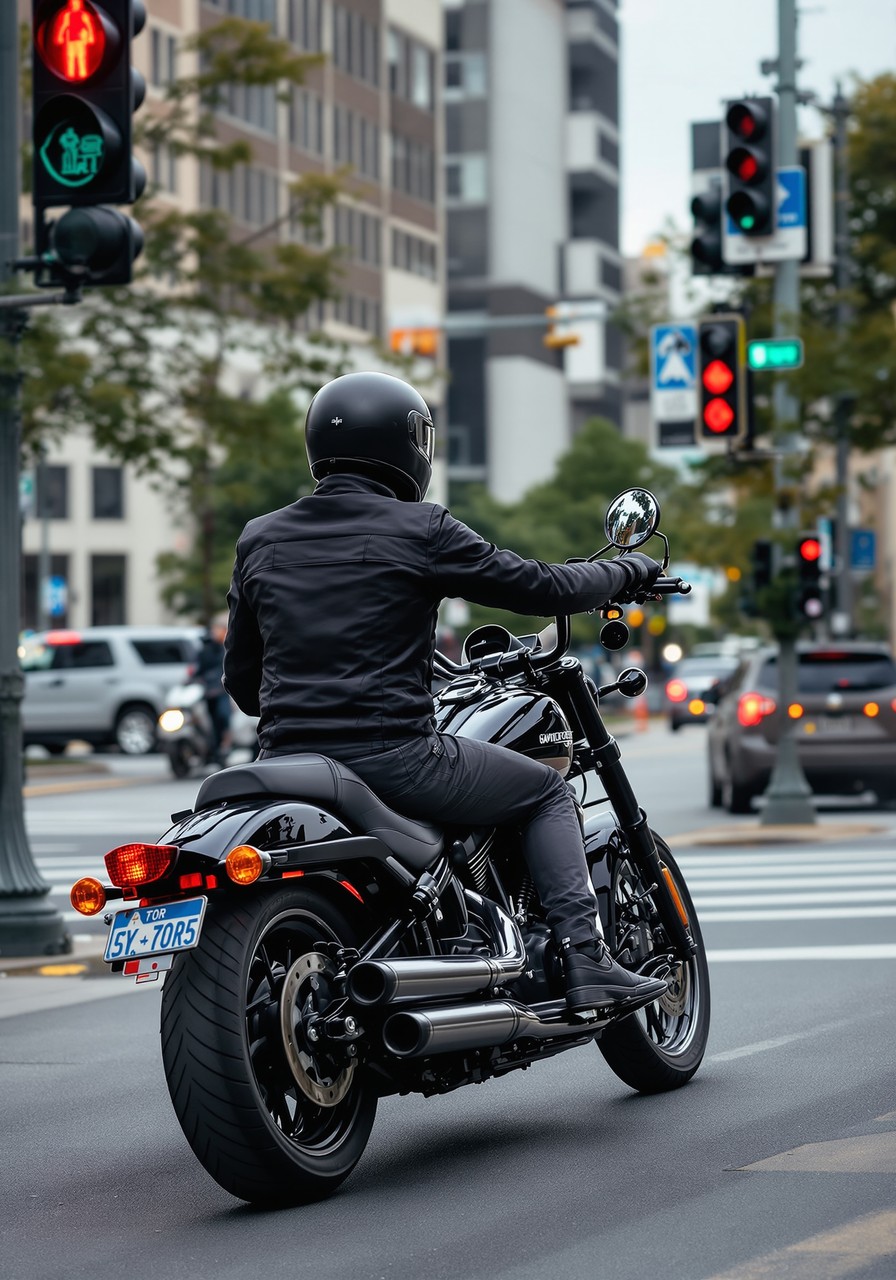
Lane splitting and filtering are illegal in DC, Maryland, and Virginia. Ride in the lane and keep your cushion of space. #RideNationDMV #RideSafe
Engagement
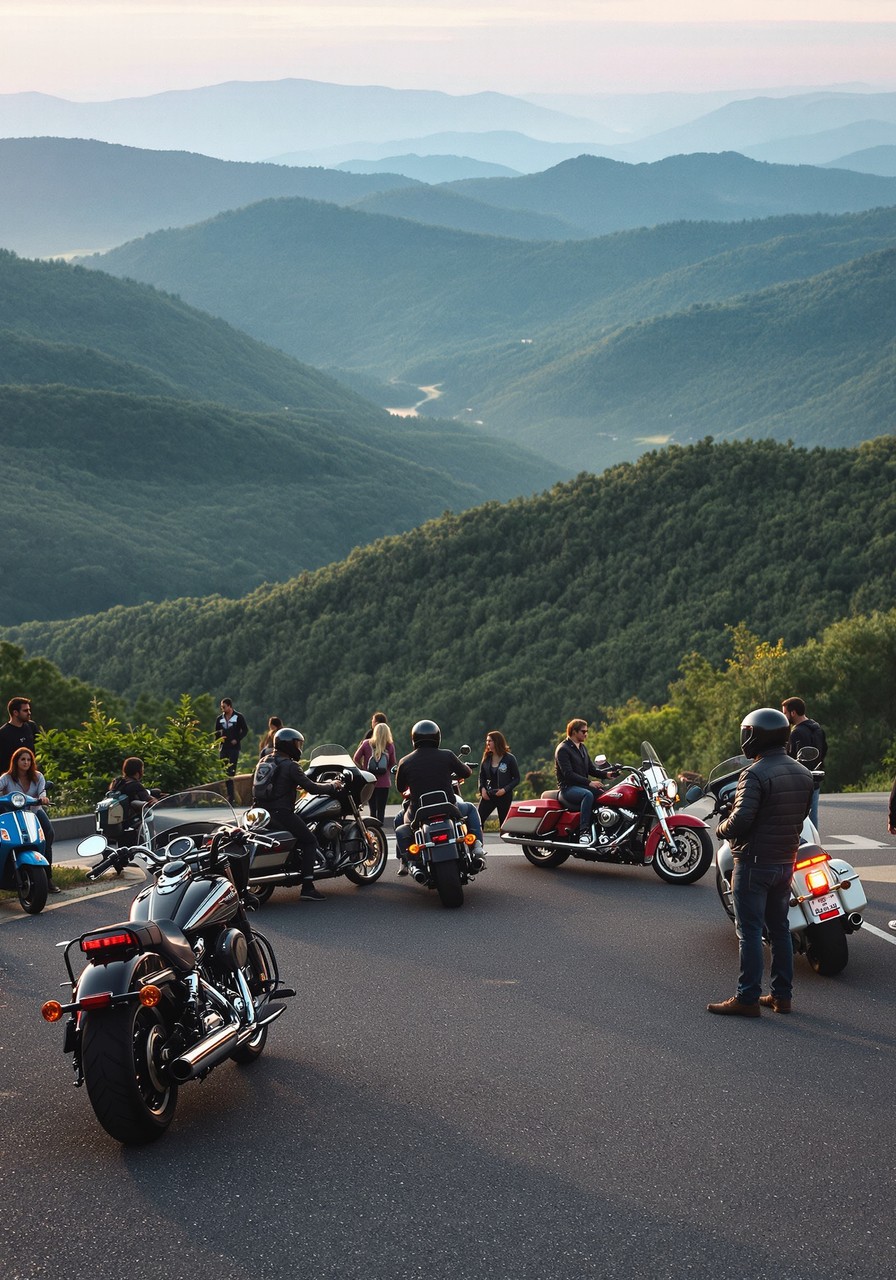
Tag a rider who still talks about that one perfect Blue Ridge run from three years ago. #RideNationDMV #BlueRidge #NOVA
Giveaway & Countdown
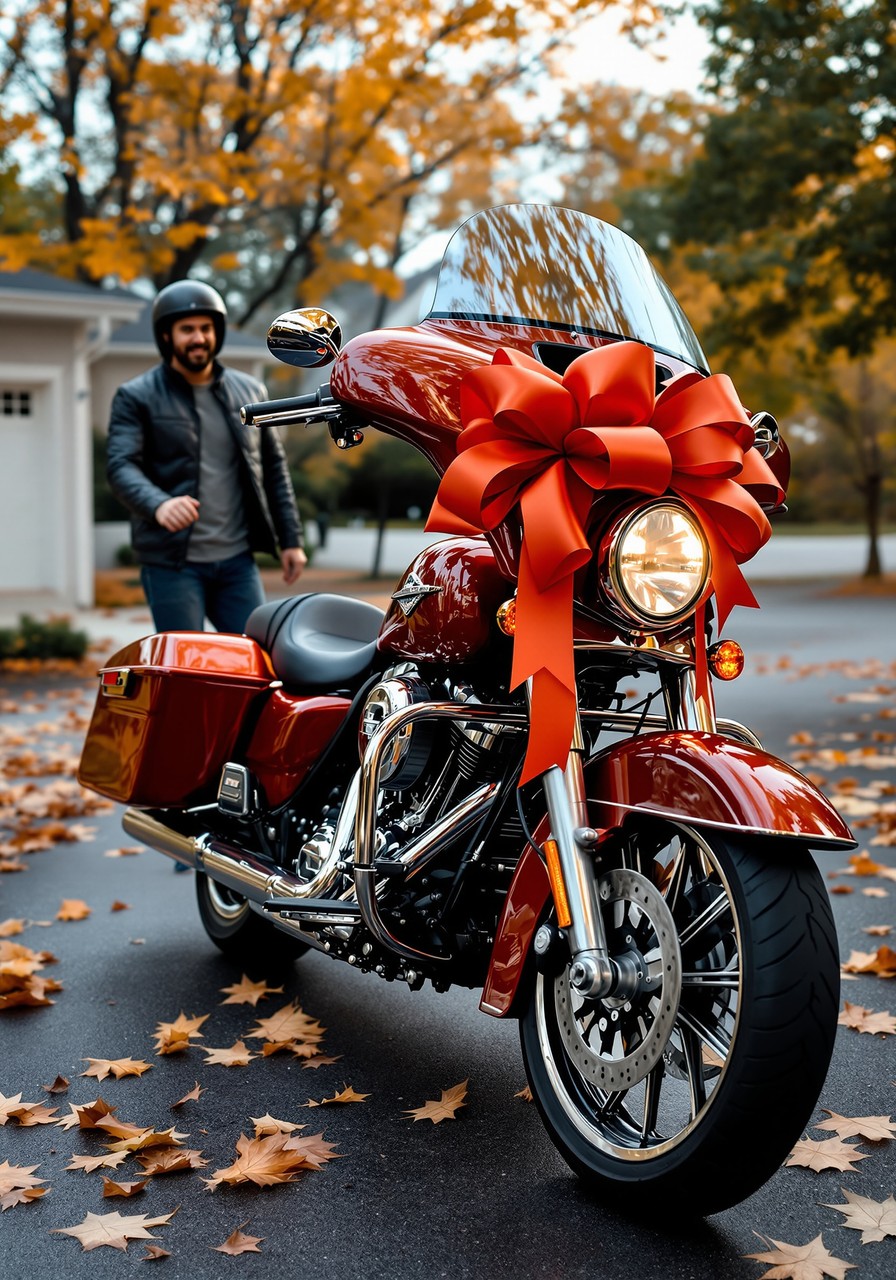
Tick tock, DMV. The $20K BikersWin drawing lands December 10. Get the full details at malloy-law.com. #RideNationDMV #20kGiveaway #BikersWin
Local DMV & Rides
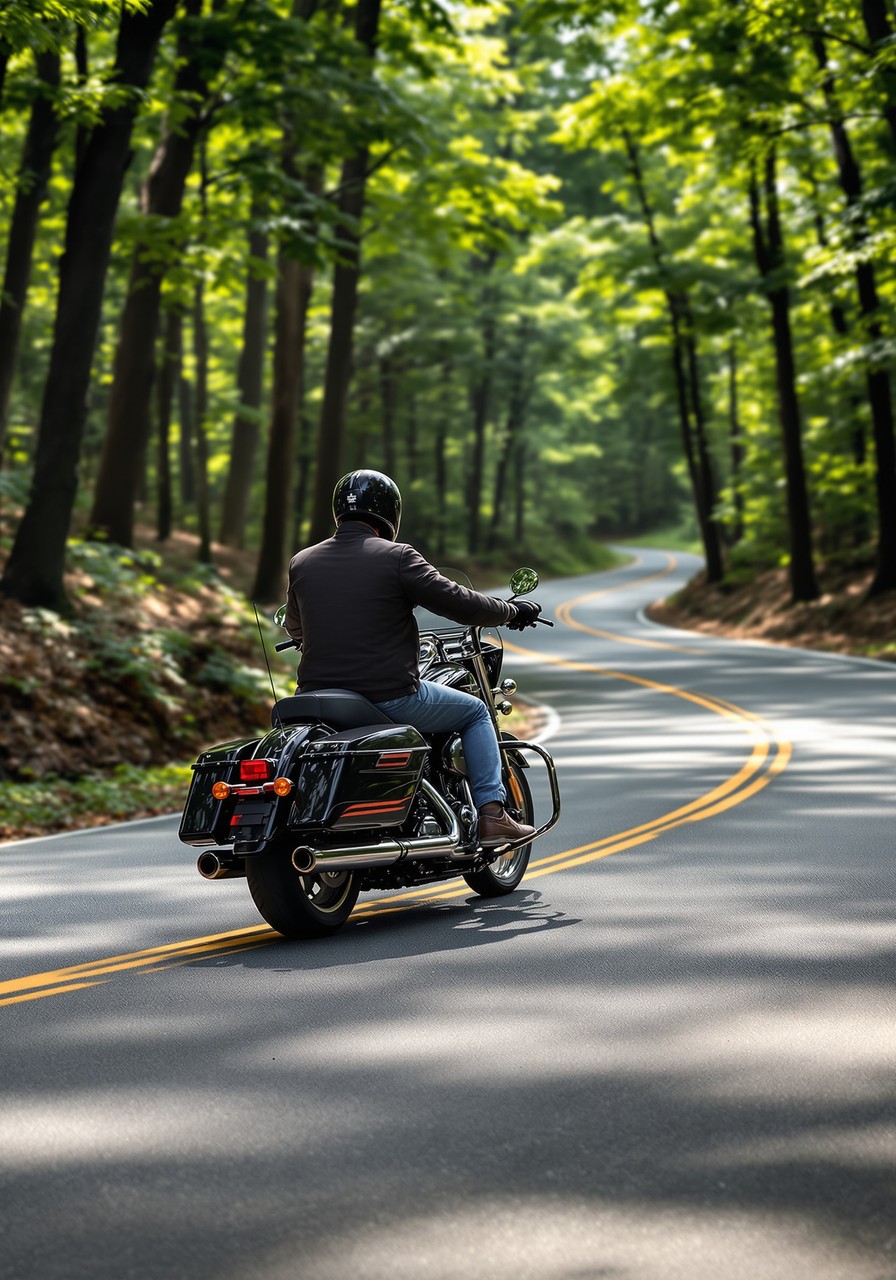
Great Falls is a short hop and always a good excuse. Park the bike, walk out to the overlook, watch the river roar through the gorge. Ten minutes of nature, minutes from the city. #RideNationDMV #NOVA #DMVriders
Gear & New Iron
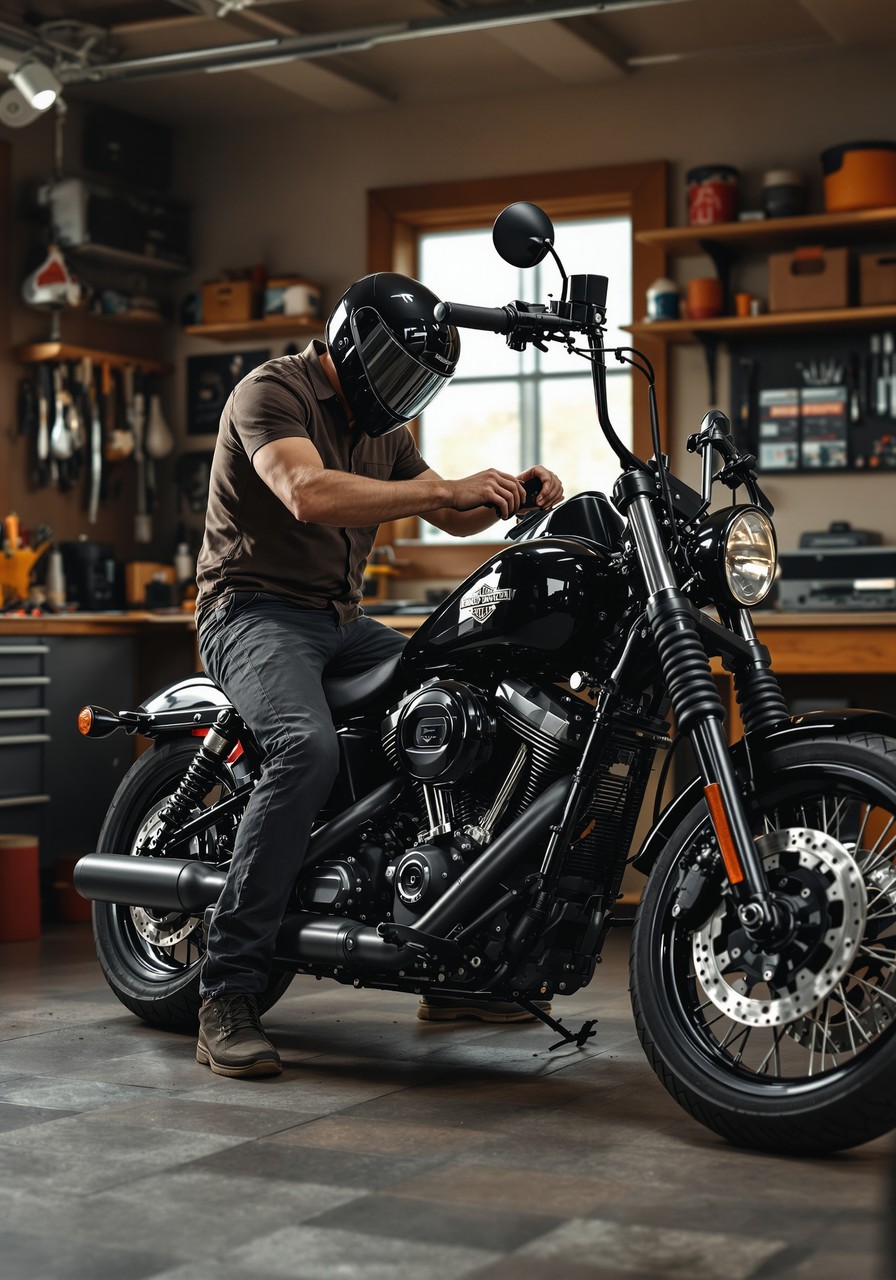
Comms turn a solo grind into a group adventure. Link up with your riding crew and never miss the turn to the good roads. #RideNationDMV #DMVriders #MotorcycleGear
Safety & DMV Law
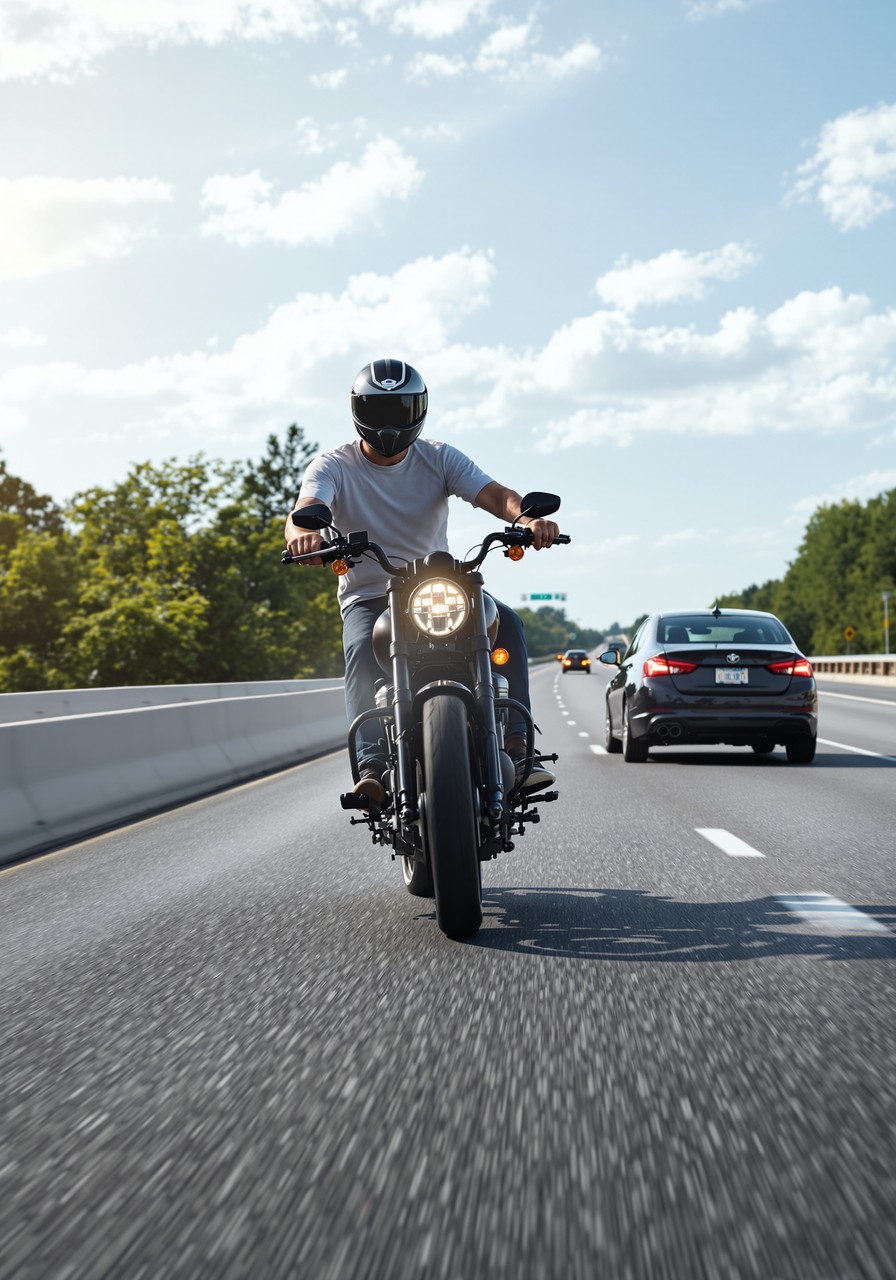
After a crash, avoid giving a recorded statement before you understand your rights. What you say early can follow the whole claim. Questions? Call Malloy Law Offices at (888) 485-1372. #RideNationDMV #RiderRights
Engagement
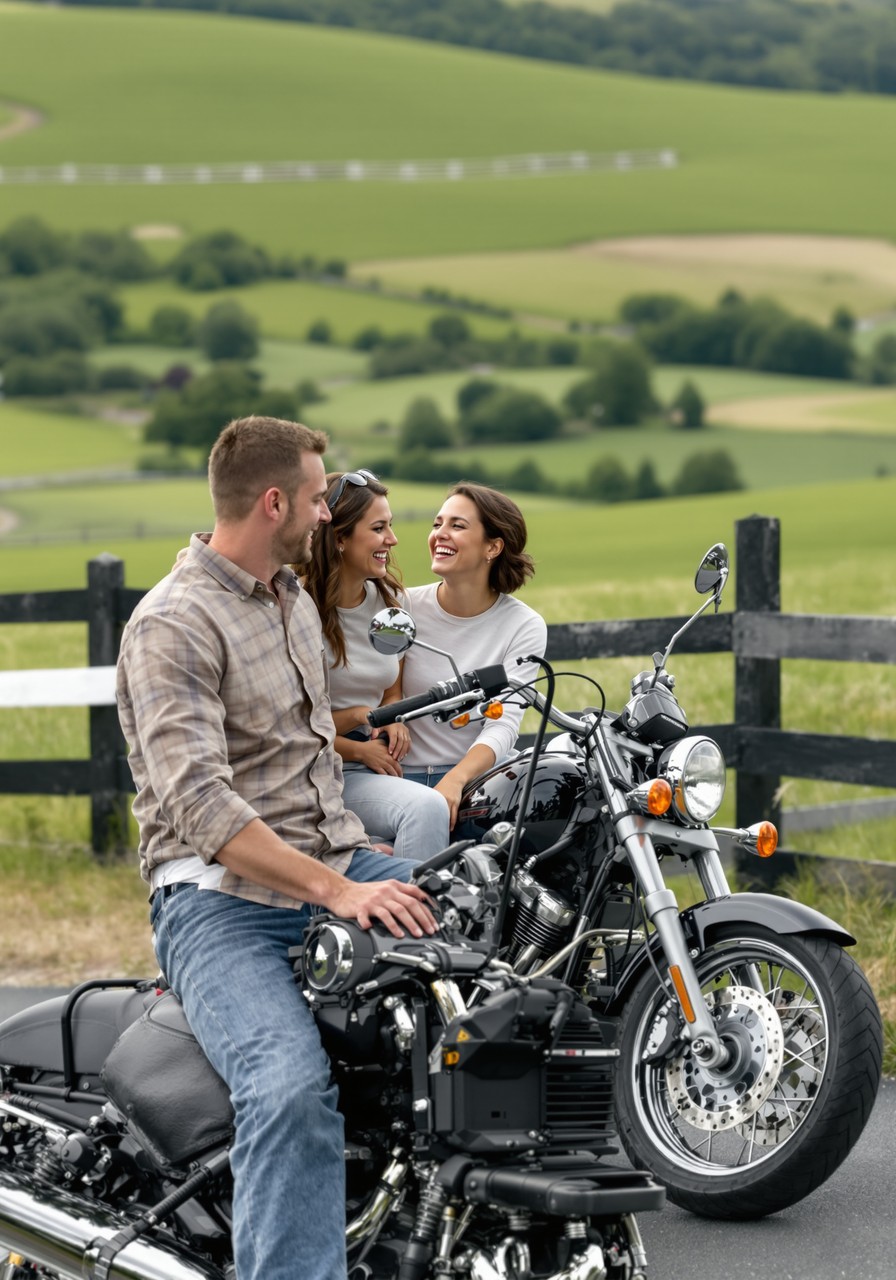
Rider confession: your real favorite part of the ride is the snack stop, isn't it? No shame here. #RideNationDMV #DMVriders #MarylandRiders
Giveaway & Countdown
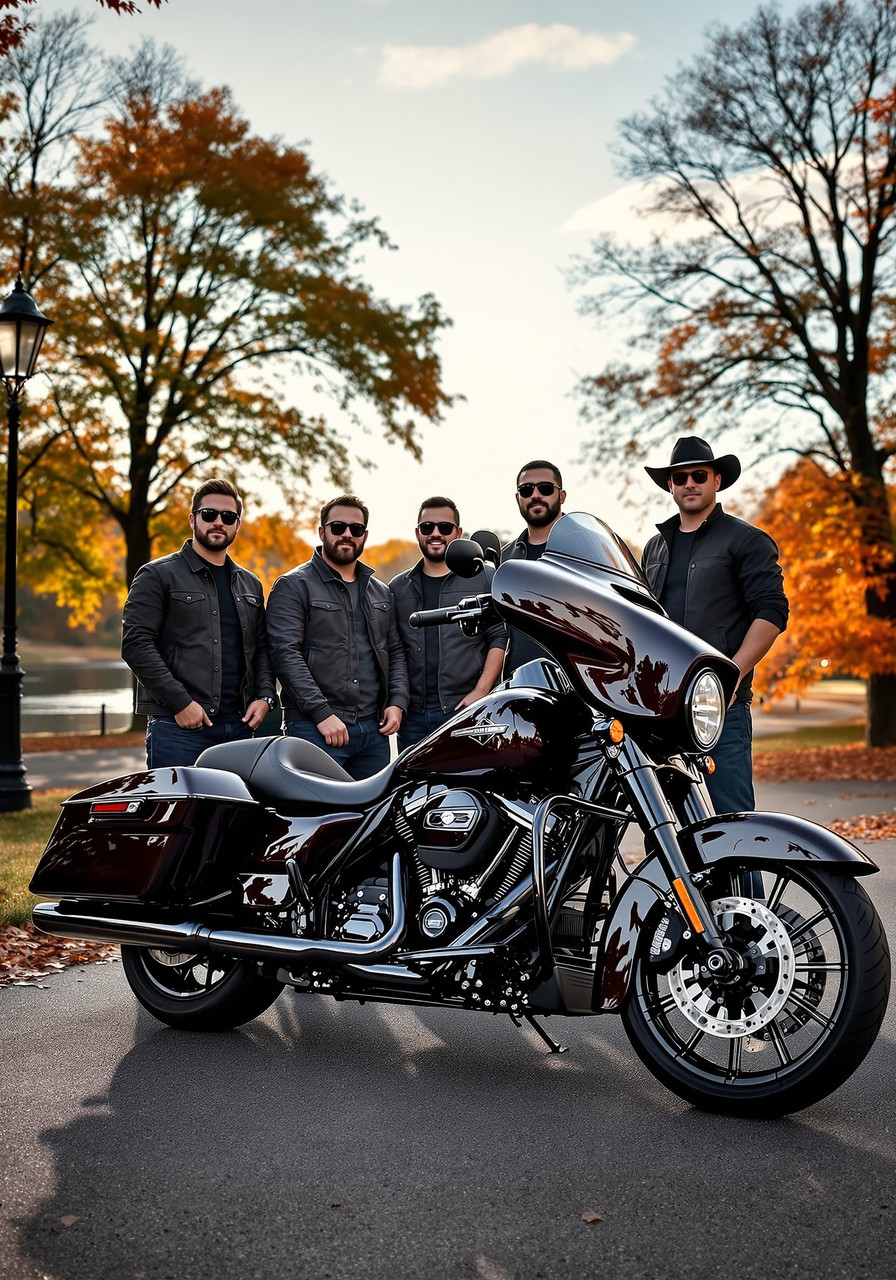
How does a rider enter a $20,000 giveaway for free? Talk to Malloy Law Offices about your motorcycle crash. That's it. Call (888) 485-1372 to ask how. #RideNationDMV #BikersWin
Local DMV & Rides
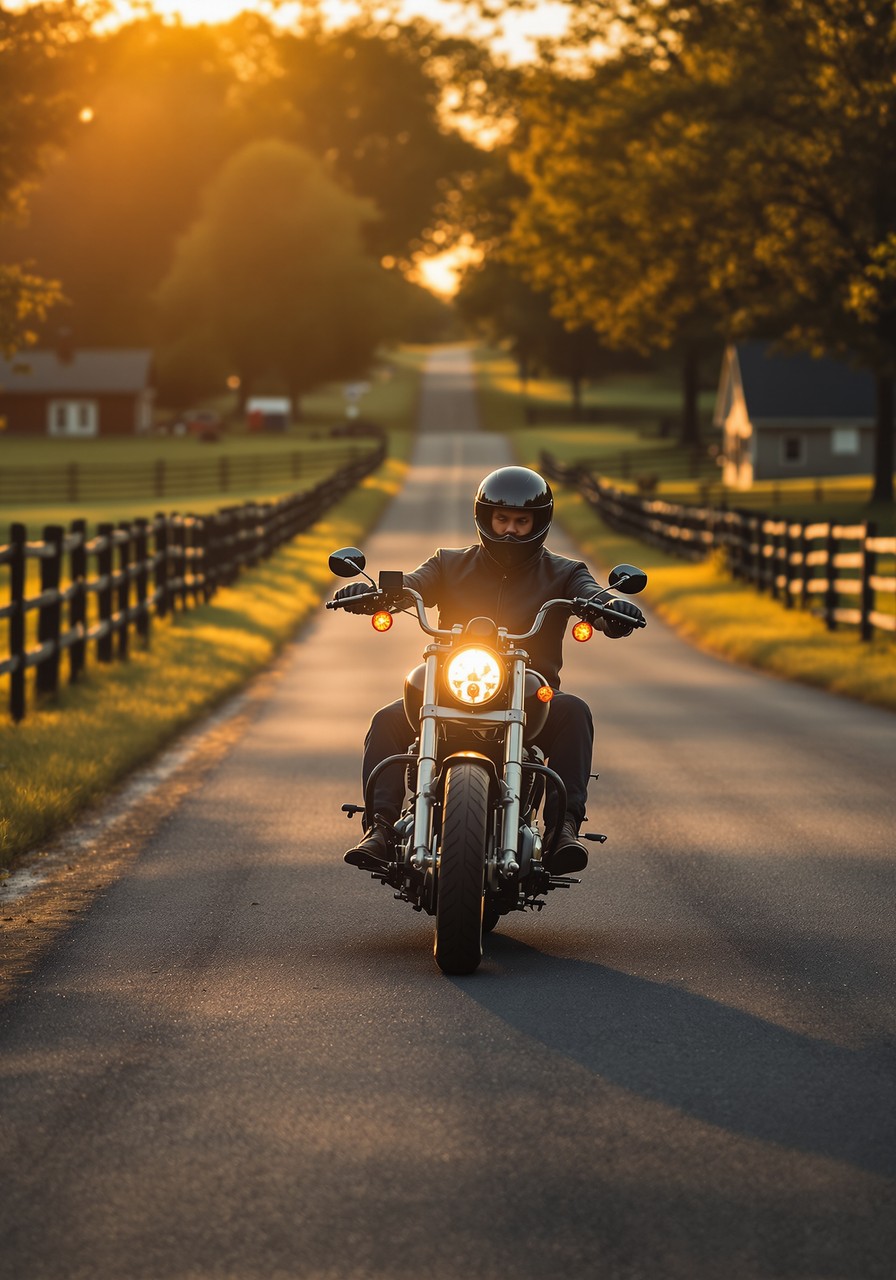
Deer season is here, so dial it back at dawn and dusk. The Virginia and Maryland countryside is thick with them through late fall. Scan the tree line, cover your brakes. #RideNationDMV #MarylandRiders #NOVA
Gear & New Iron
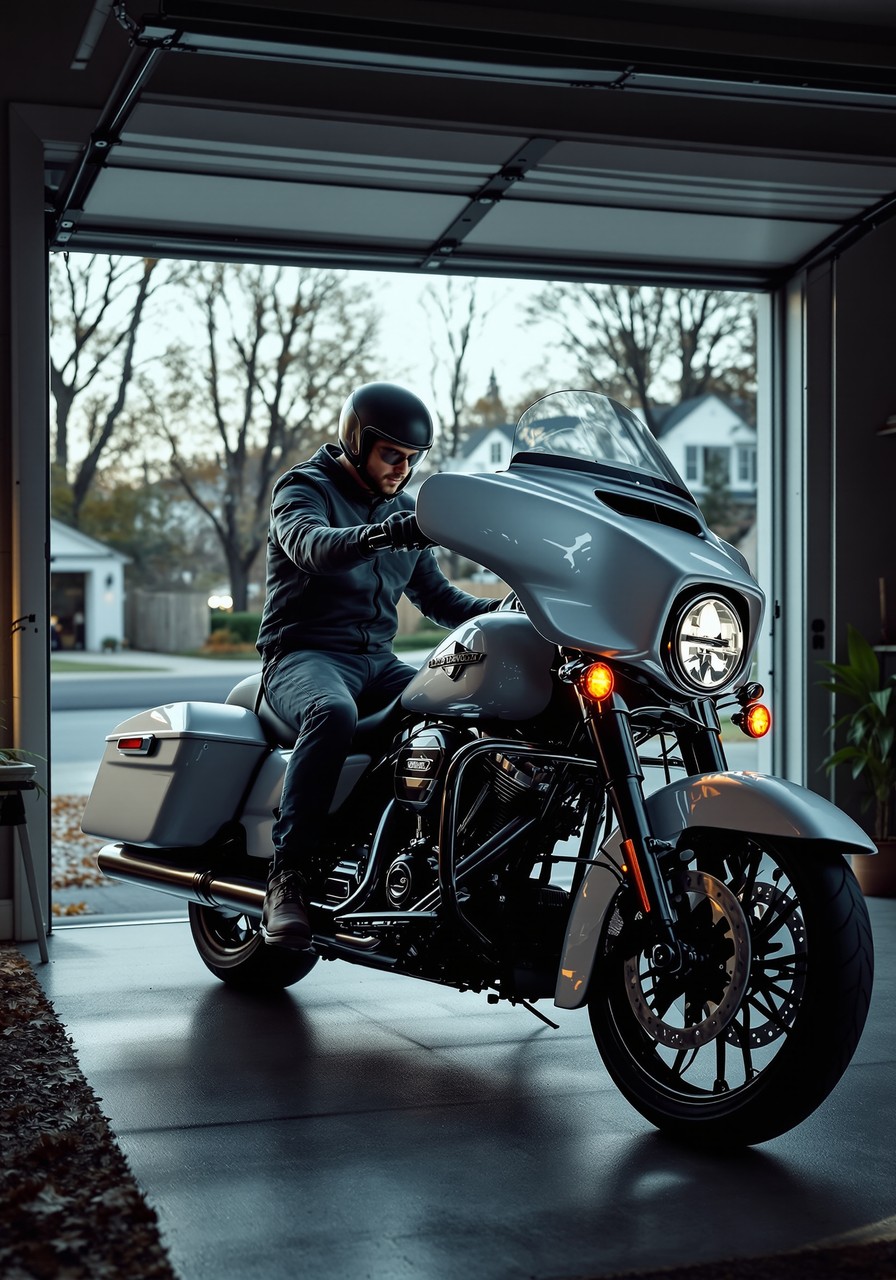
Chain maintenance is a ten minute ritual with a huge payoff. Clean, lube, adjust, ride happy. #RideNationDMV #RideSafe #MotorcycleGear
Safety & DMV Law
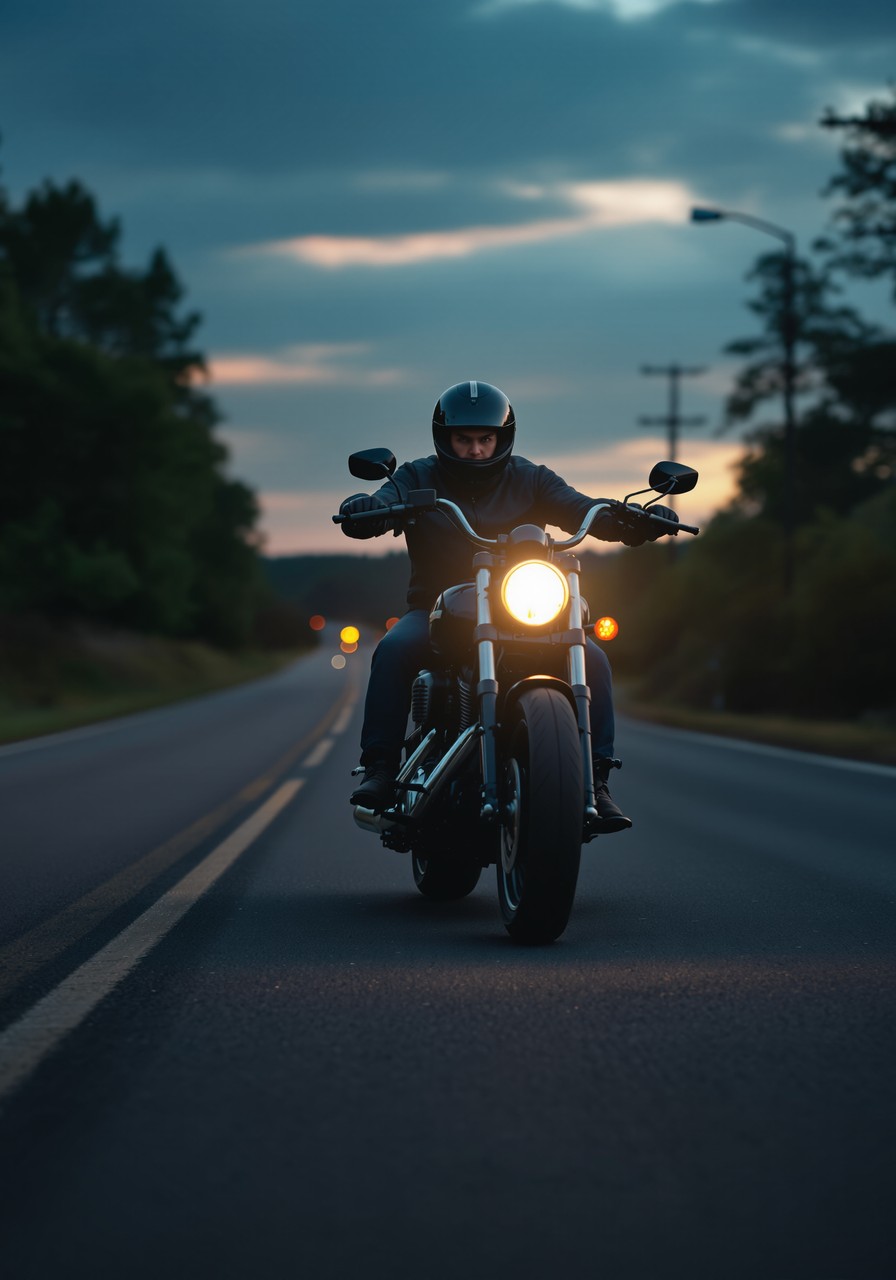
Lane positioning is a tool, not a habit. Shift left, center, or right to stay visible and keep options open. #RideNationDMV #RideSafe
Engagement
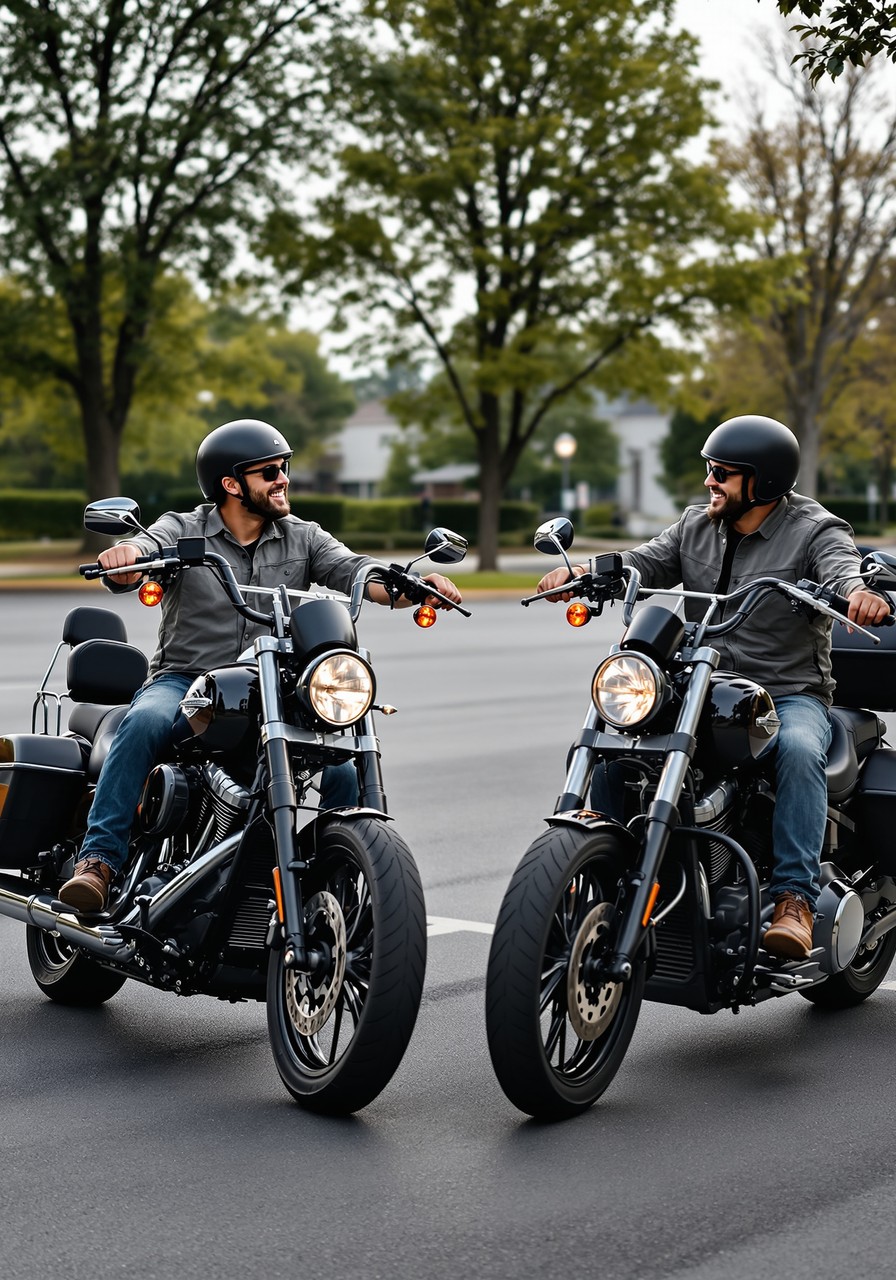
Poll time: Skyline Drive is best in spring blooms or fall foliage? Vote now, arguments in the comments. #RideNationDMV #SkylineDrive #BlueRidge
Giveaway & Countdown
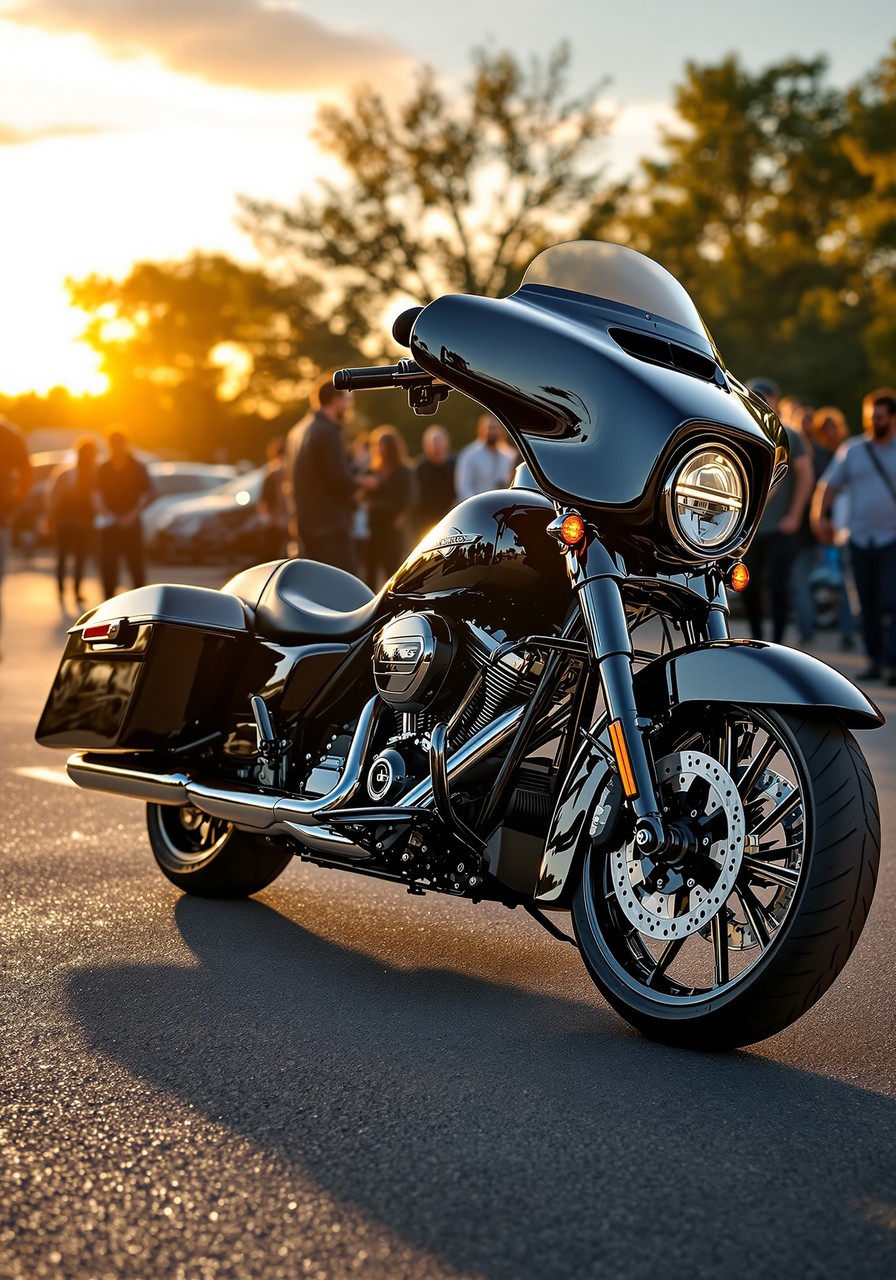
Riders all over the DMV are talking about the BikersWin giveaway. Twenty thousand dollars, drawn December 10, free to enter. #RideNationDMV #BikersWin #20kGiveaway
Local DMV & Rides
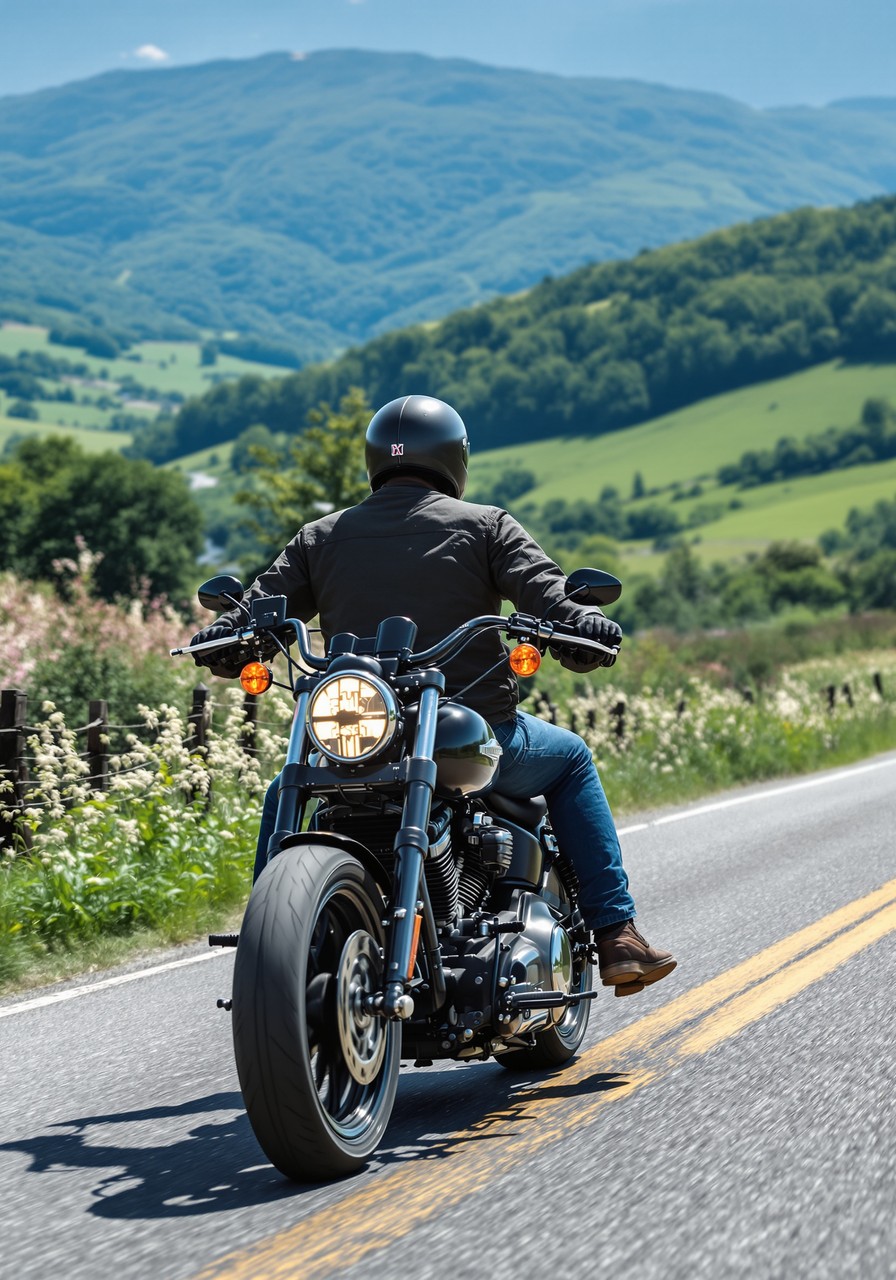
Shenandoah National Park is worth the entry gate every single time. Wildlife on the shoulders, clouds below the overlooks, cool mountain air. Give yourself the whole day. #RideNationDMV #Shenandoah #SkylineDrive #BlueRidge
Gear & New Iron
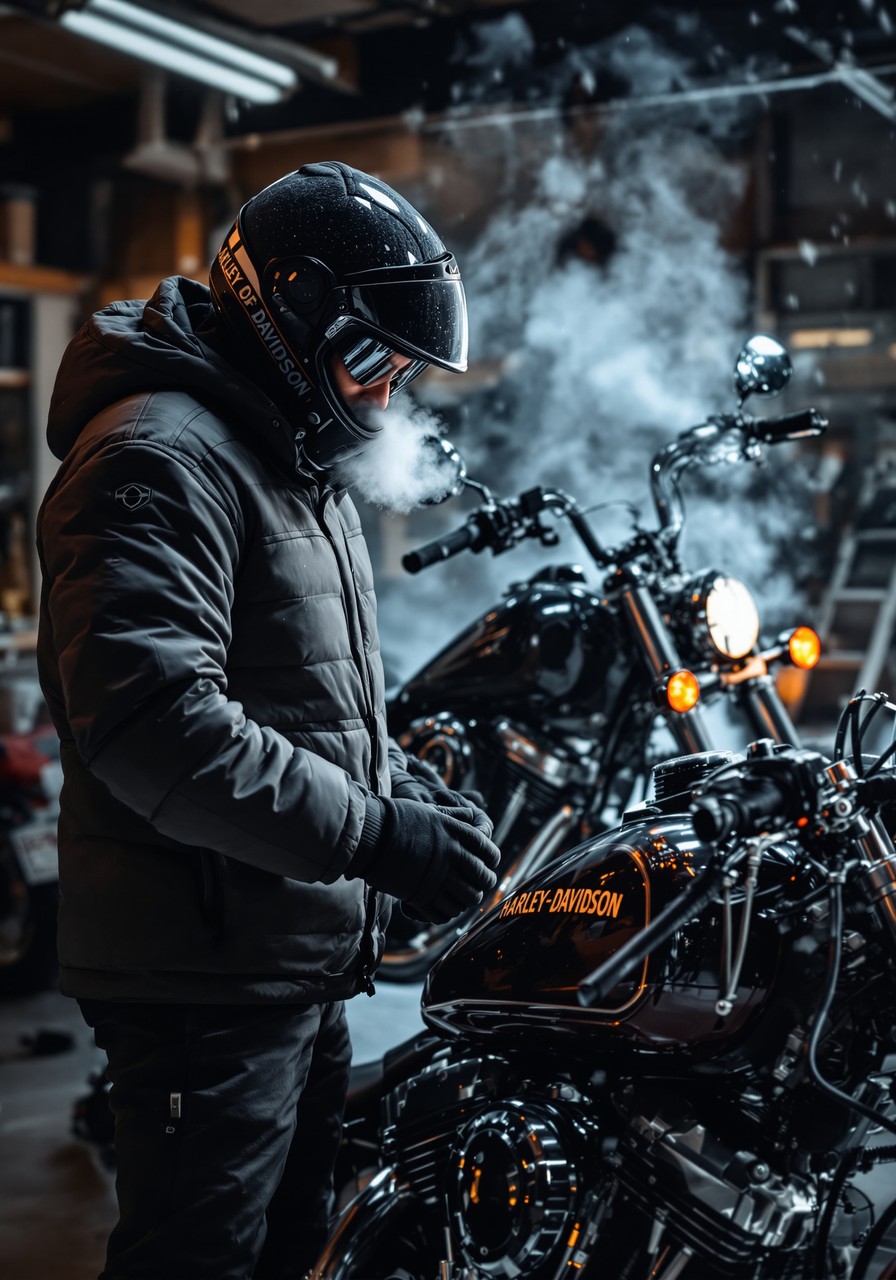
Elbow and shoulder armor you forget you are wearing is armor you will actually keep on. Comfort keeps you protected. #RideNationDMV #ATGATT #GearUp
Safety & DMV Law
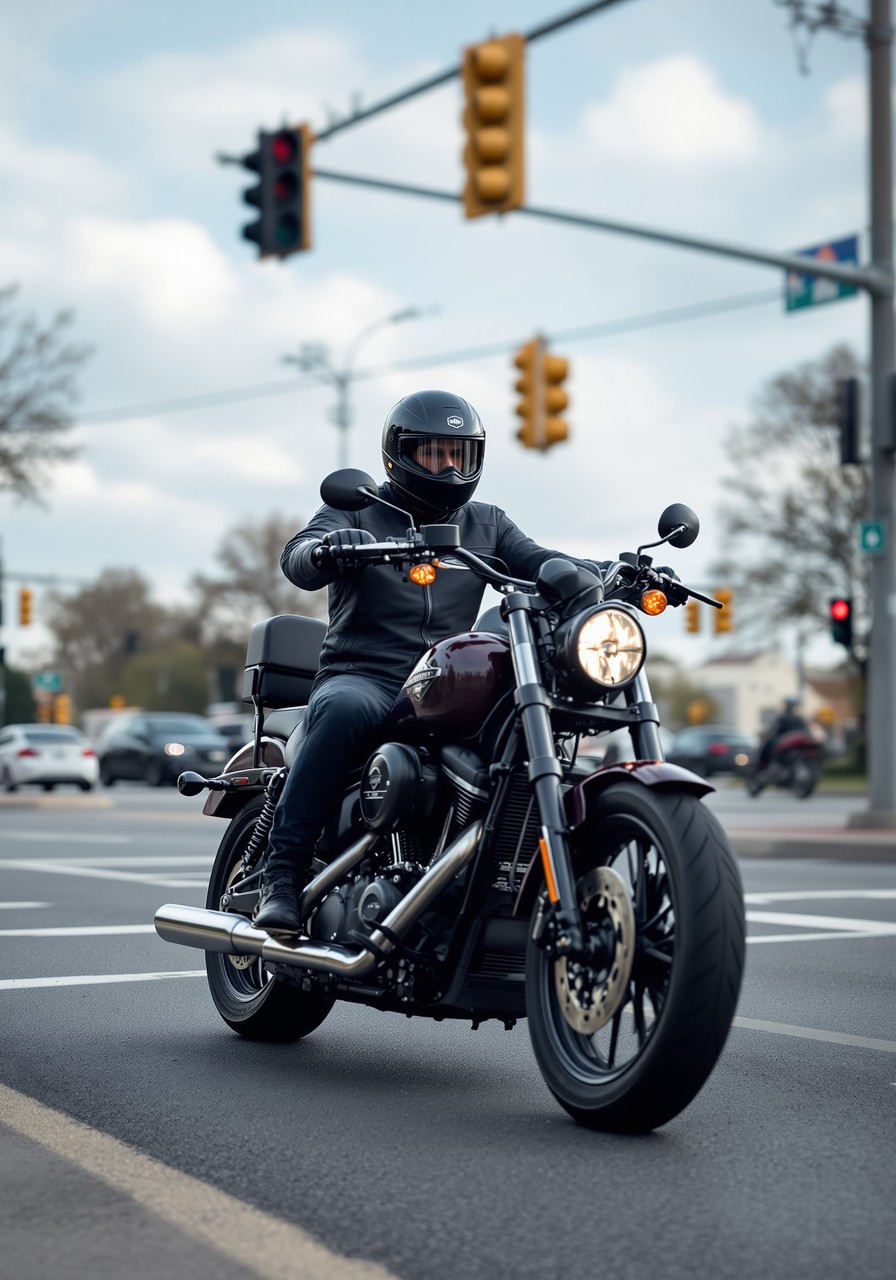
There is no universal no-fault system here. Medical bills may run through PIP where you have it in MD or DC, plus health insurance, MedPay, and UM/UIM. Call Malloy Law Offices at (888) 485-1372. #RideNationDMV #RiderRights
Engagement
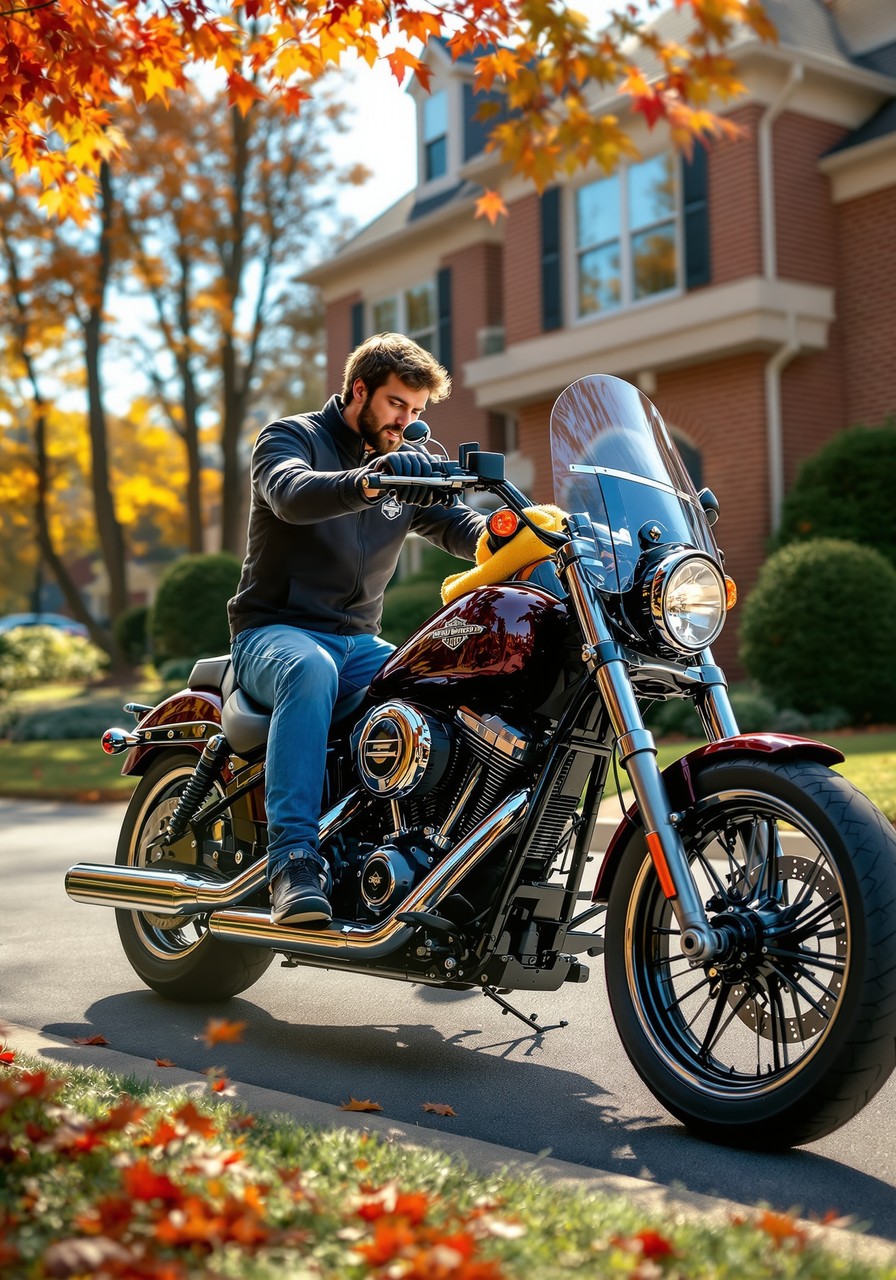
This or that: Great Falls overlook stop or straight-through Rock Creek Parkway flow? Pick one. #RideNationDMV #WashingtonDC #DMVriders
Giveaway & Countdown
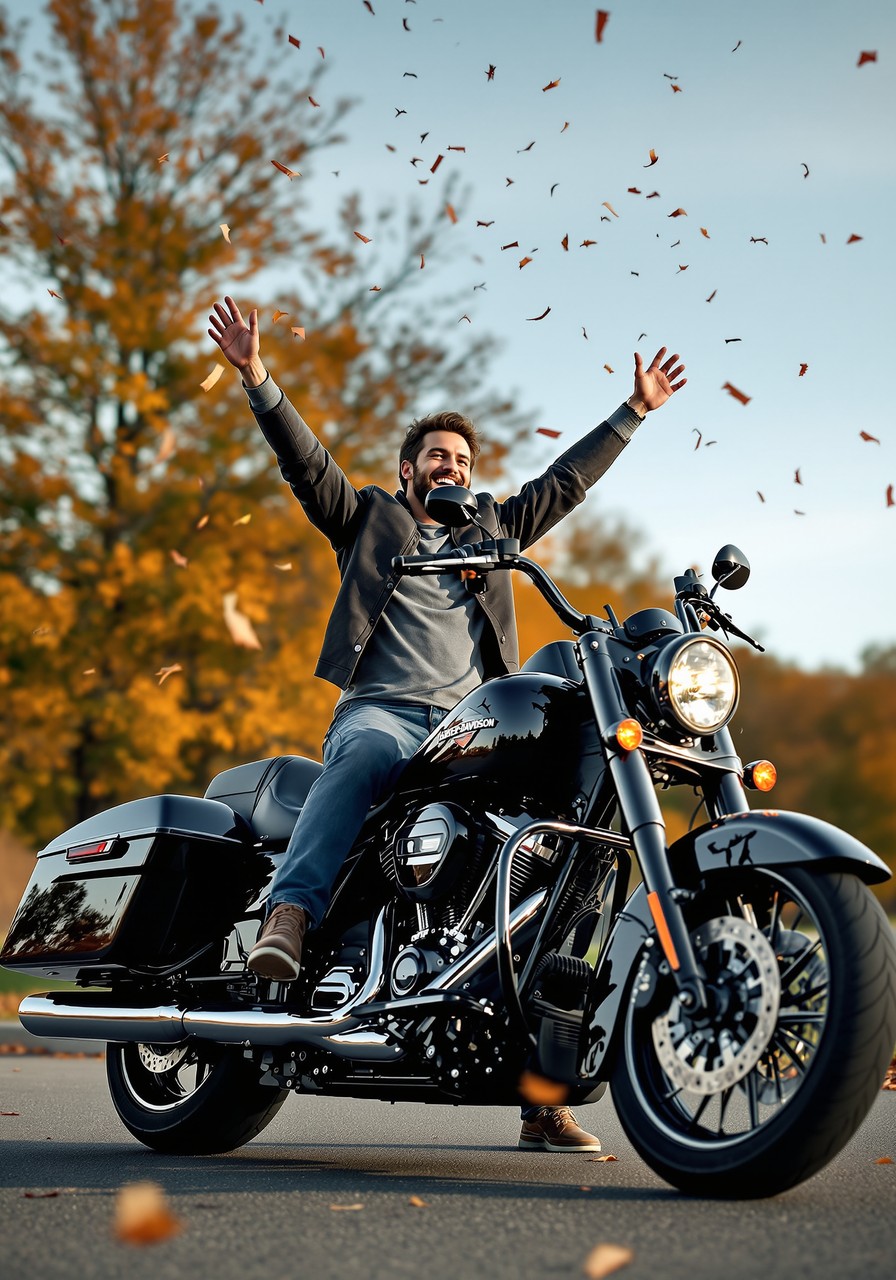
Don't sleep on this one. The BikersWin $20K giveaway closes in on its December 10 drawing. See how it works at malloy-law.com. #RideNationDMV #20kGiveaway
Local DMV & Rides
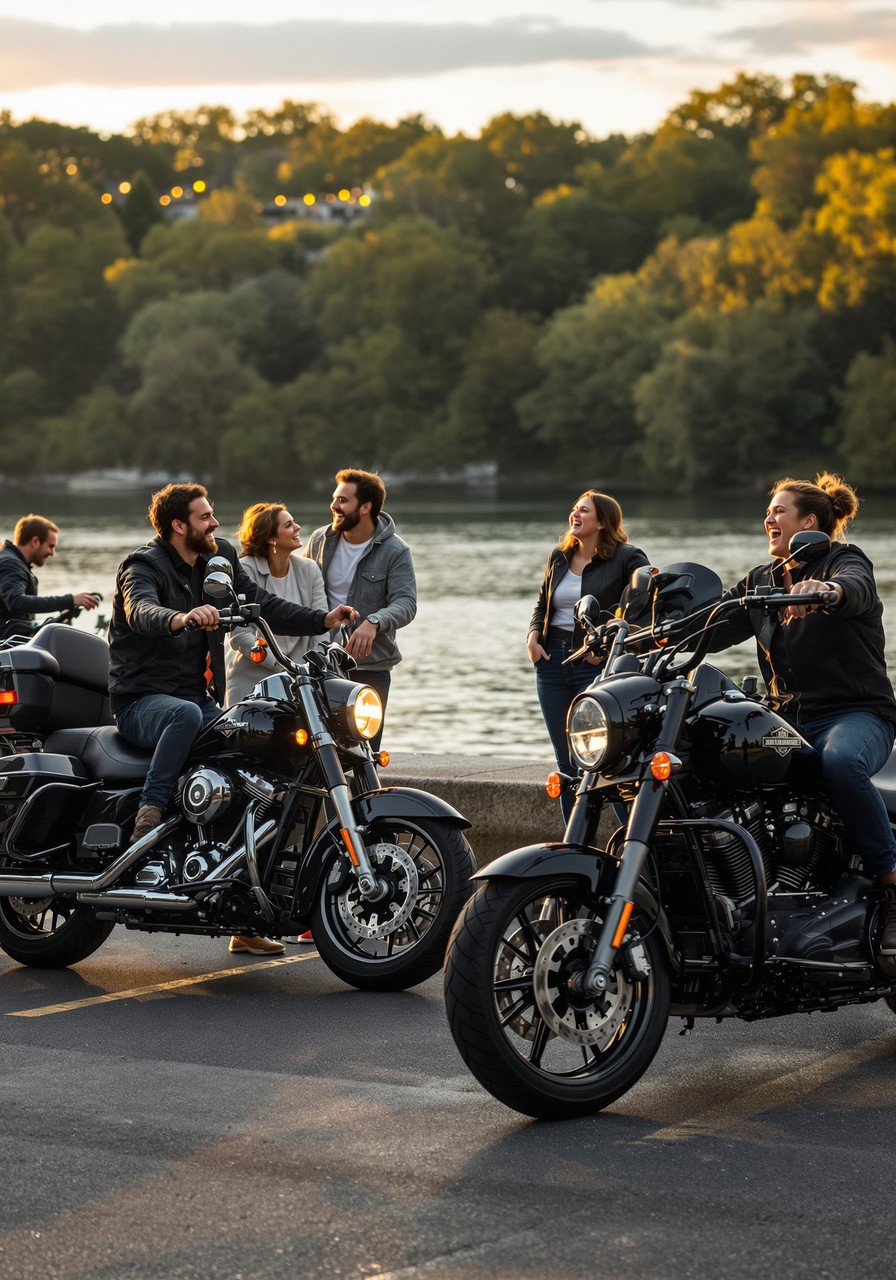
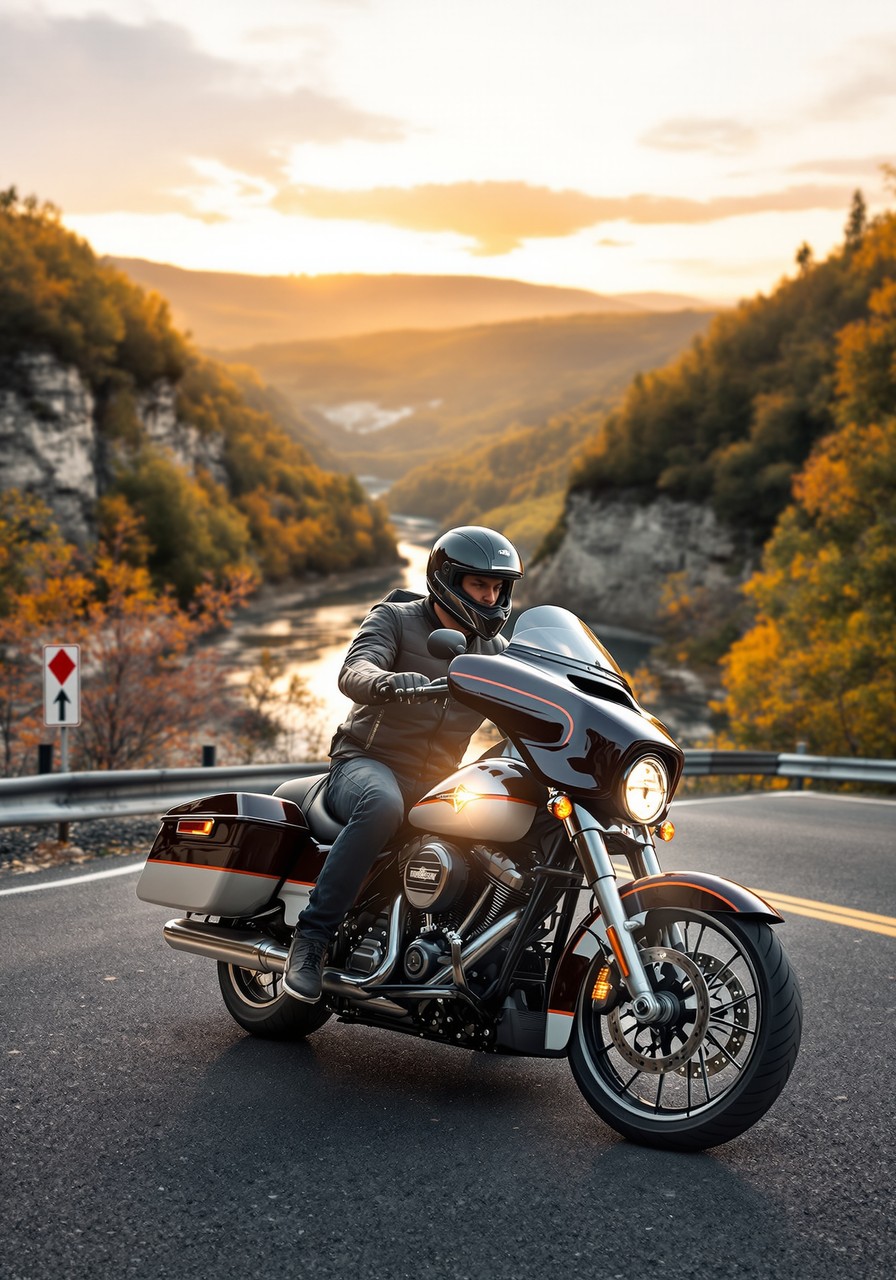
Nothing beats a Saturday coffee-and-bike meetup before a group run. Meet early, sort the route, roll out together toward the ridge. The DMV riding community shows up. #RideNationDMV #DMVriders #MarylandRiders
Gear & New Iron
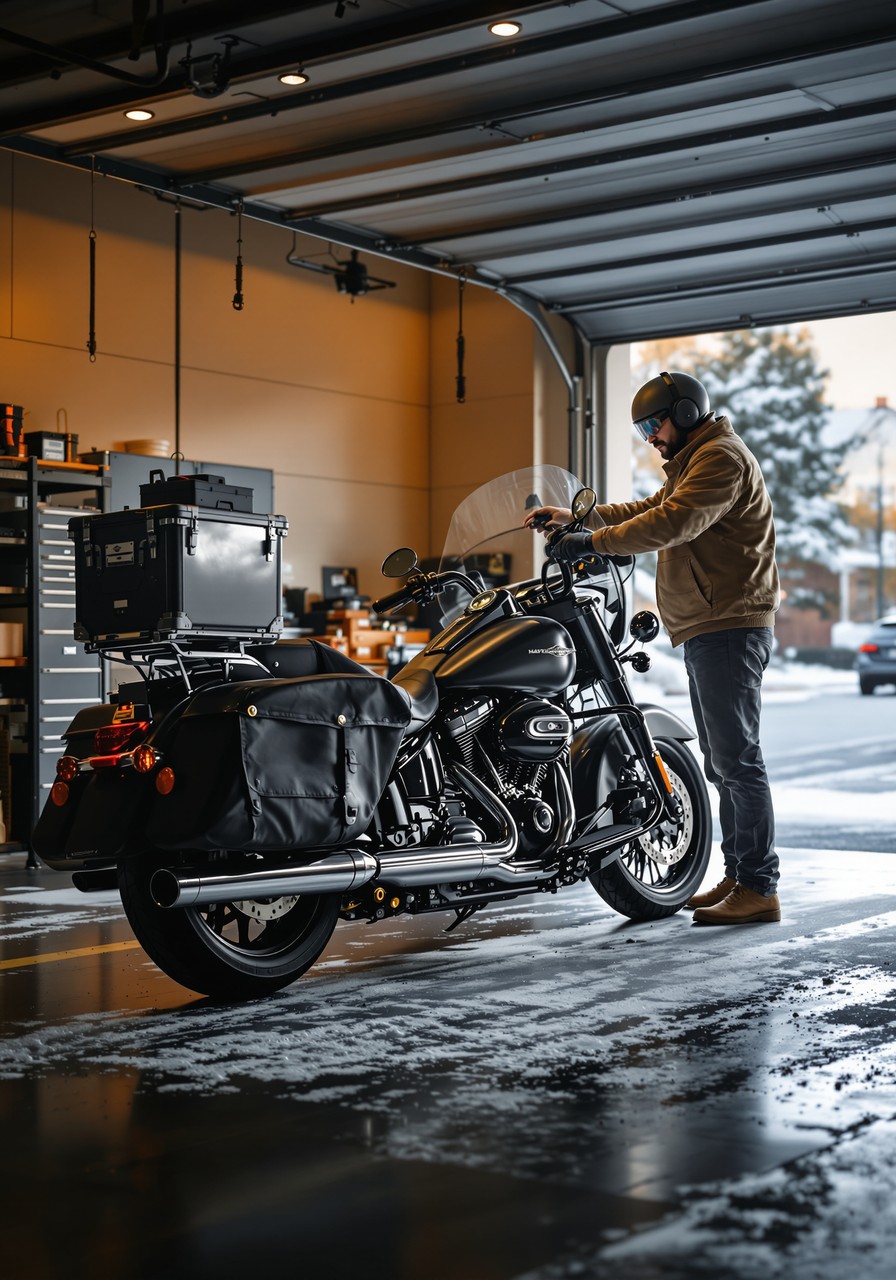
Riding jeans with Kevlar lining look like denim and work like gear. Perfect for a coffee run through the DMV. #RideNationDMV #MotorcycleGear #RideSafe
Safety & DMV Law
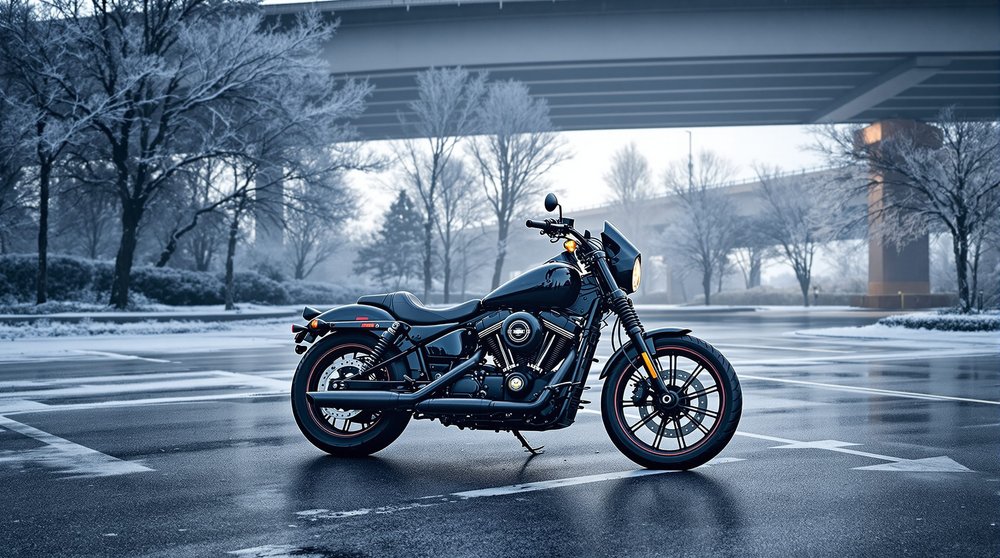
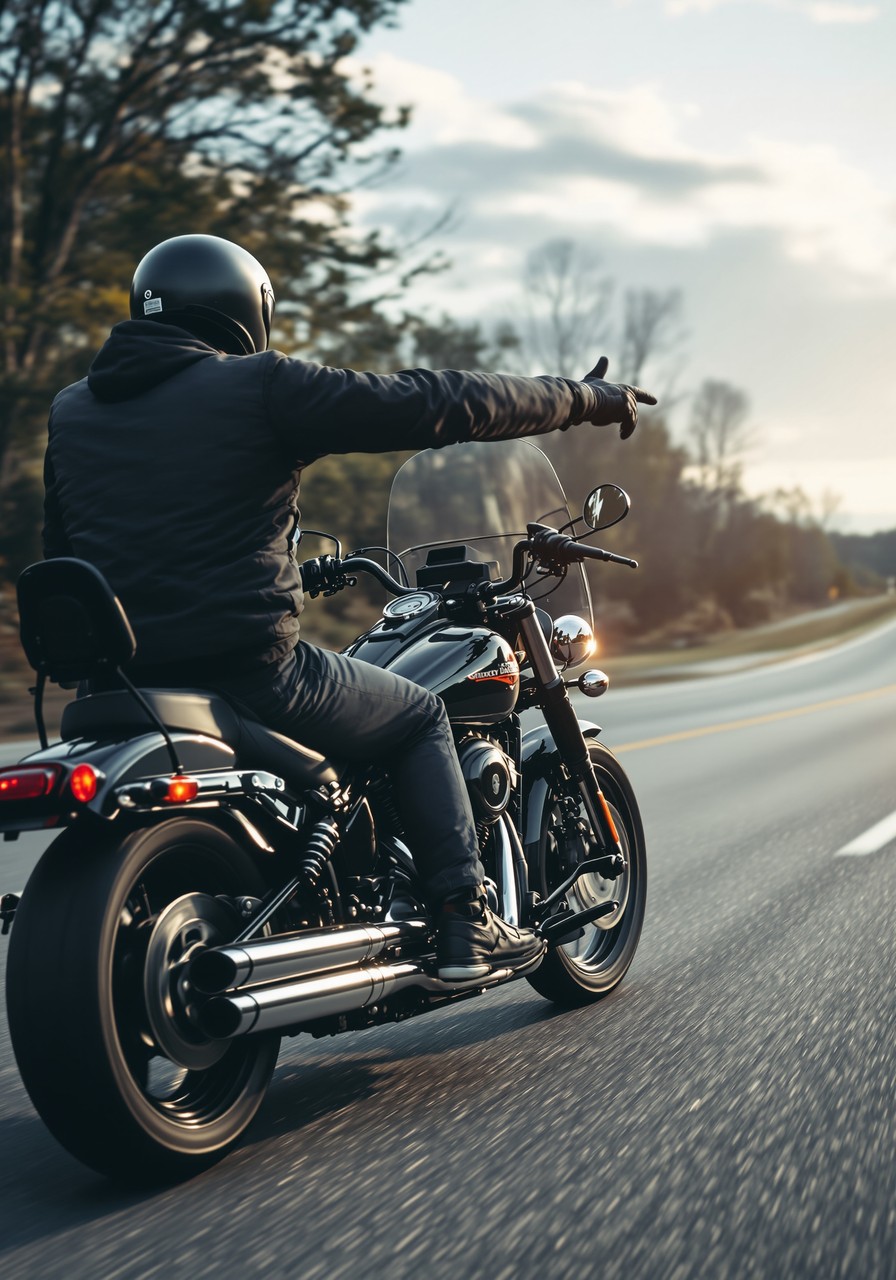
Black ice loves the shaded bridge decks and Potomac crossings on cold mornings. Treat every overpass as slick until proven otherwise. #RideNationDMV #RideSafe
Engagement
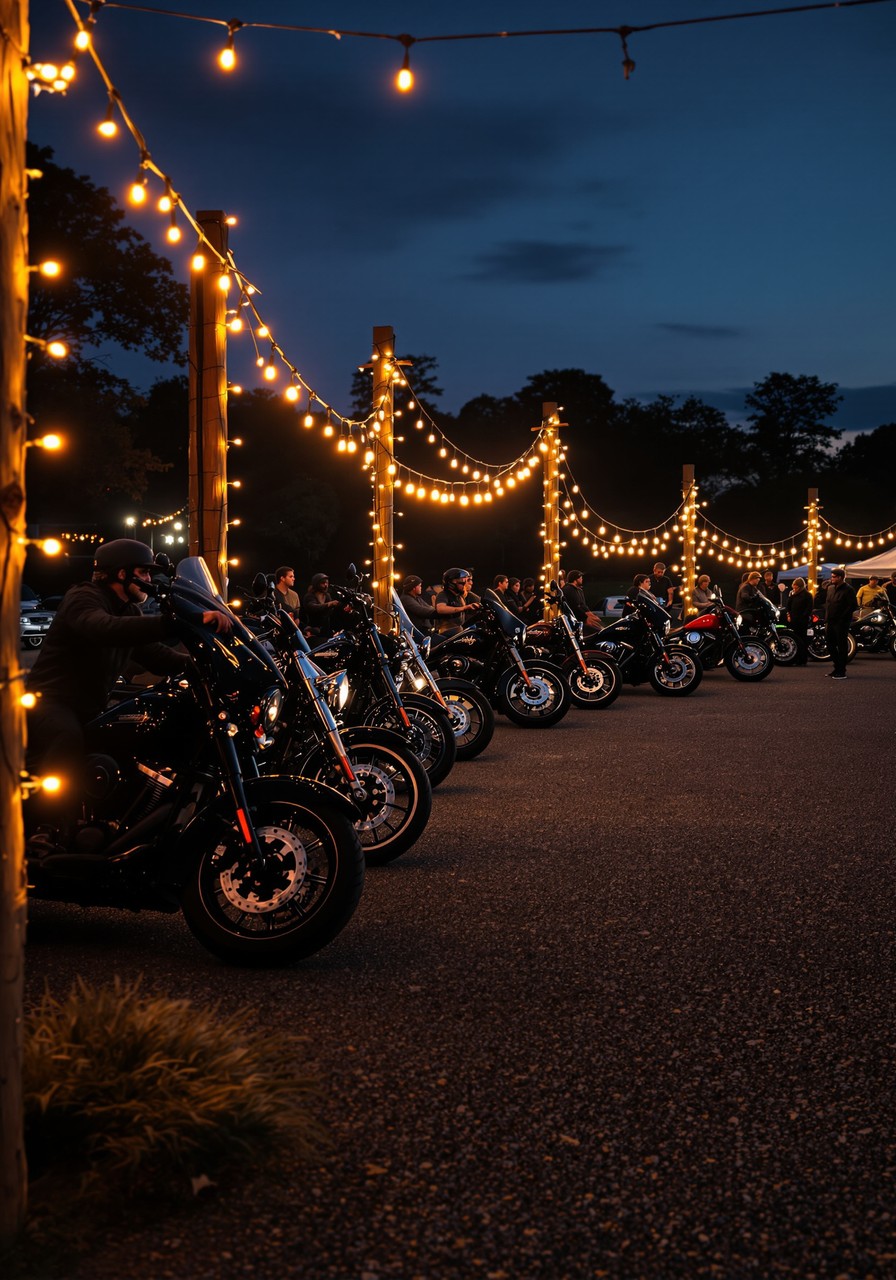
Sunday question: where is the group rolling this weekend? Drop a pin and a plan. #RideNationDMV #NOVA #MarylandRiders
Giveaway & Countdown
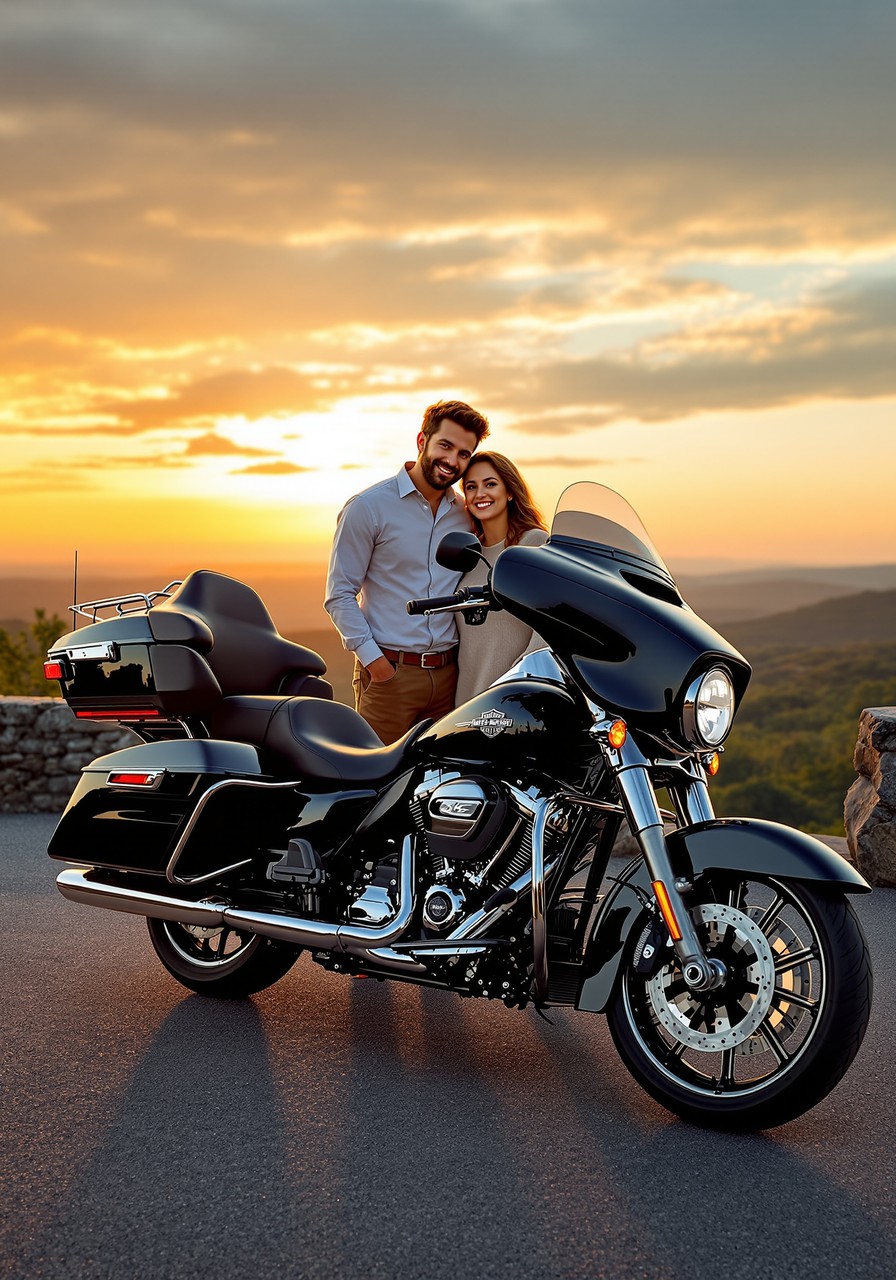
Been in a motorcycle crash? Talking to Malloy Law Offices could get you entered in our $20,000 giveaway for free. Call (888) 485-1372 today. #RideNationDMV #BikersWin #20kGiveaway
Local DMV & Rides
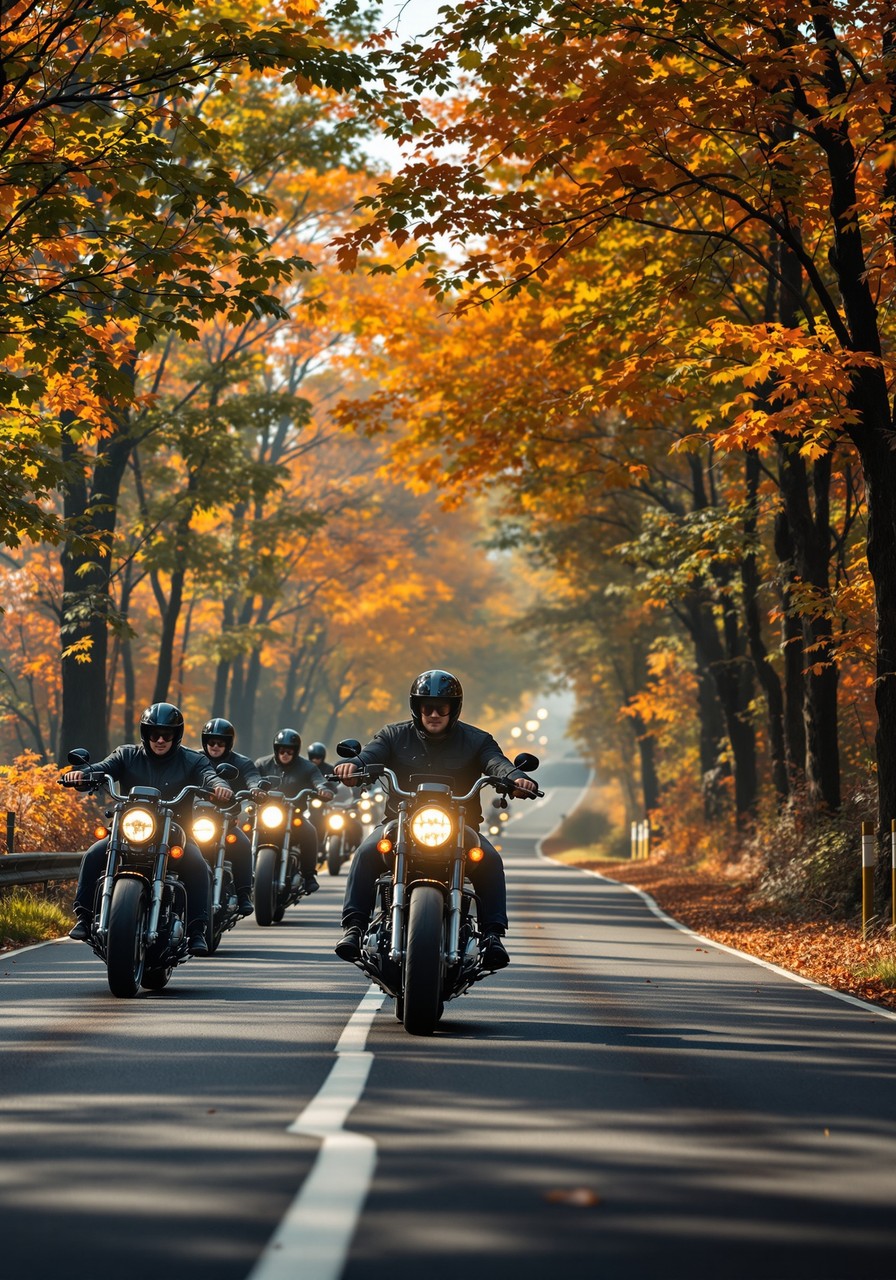
US-50 heading east toward the bay is an underrated cruise. Long open stretches, big sky, that first hint of salt air. A change of scenery from the mountain runs. #RideNationDMV #MarylandRiders #DMVriders
Gear & New Iron
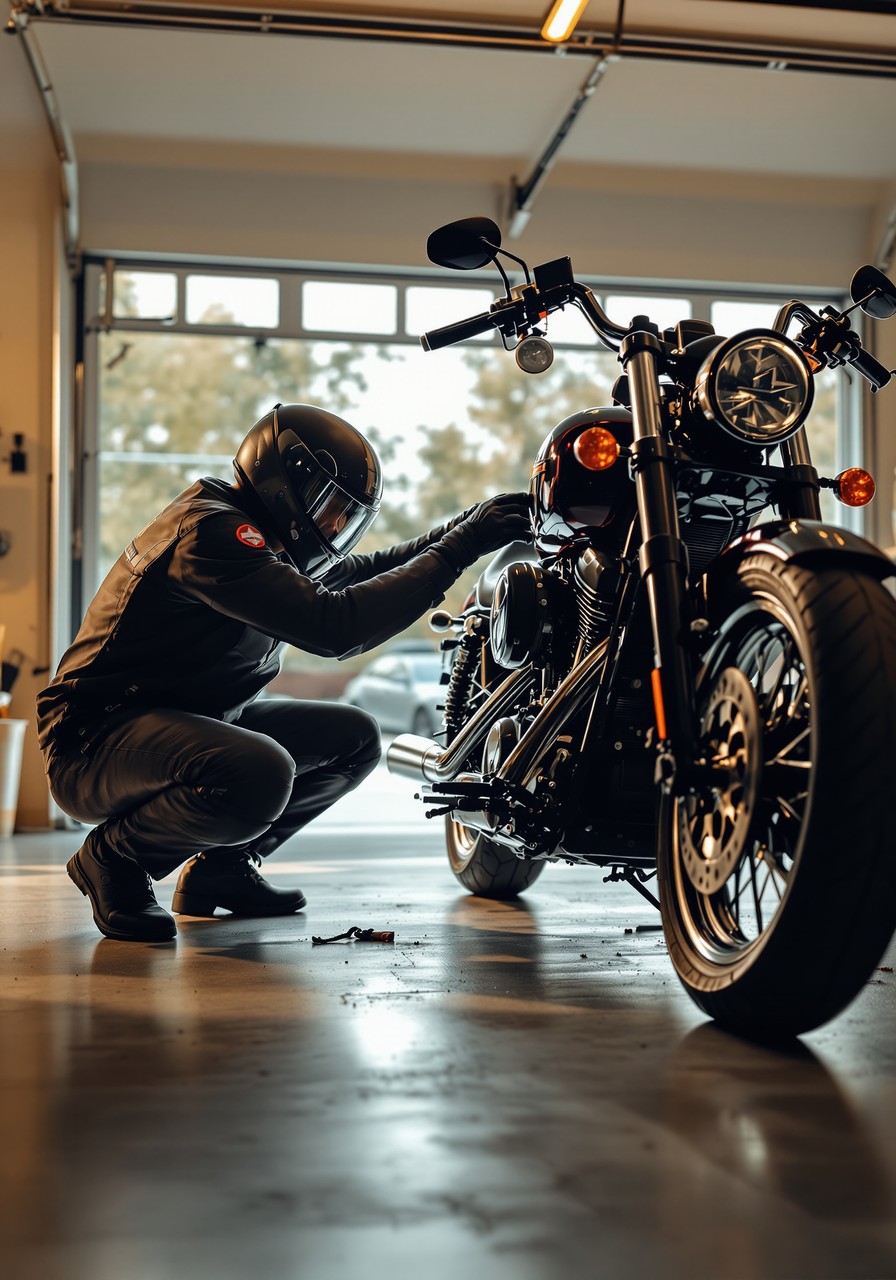
Pinlock inserts stop fog cold. When those damp Potomac mornings roll in, clear vision is everything. #RideNationDMV #GearUp #RideSafe
Safety & DMV Law
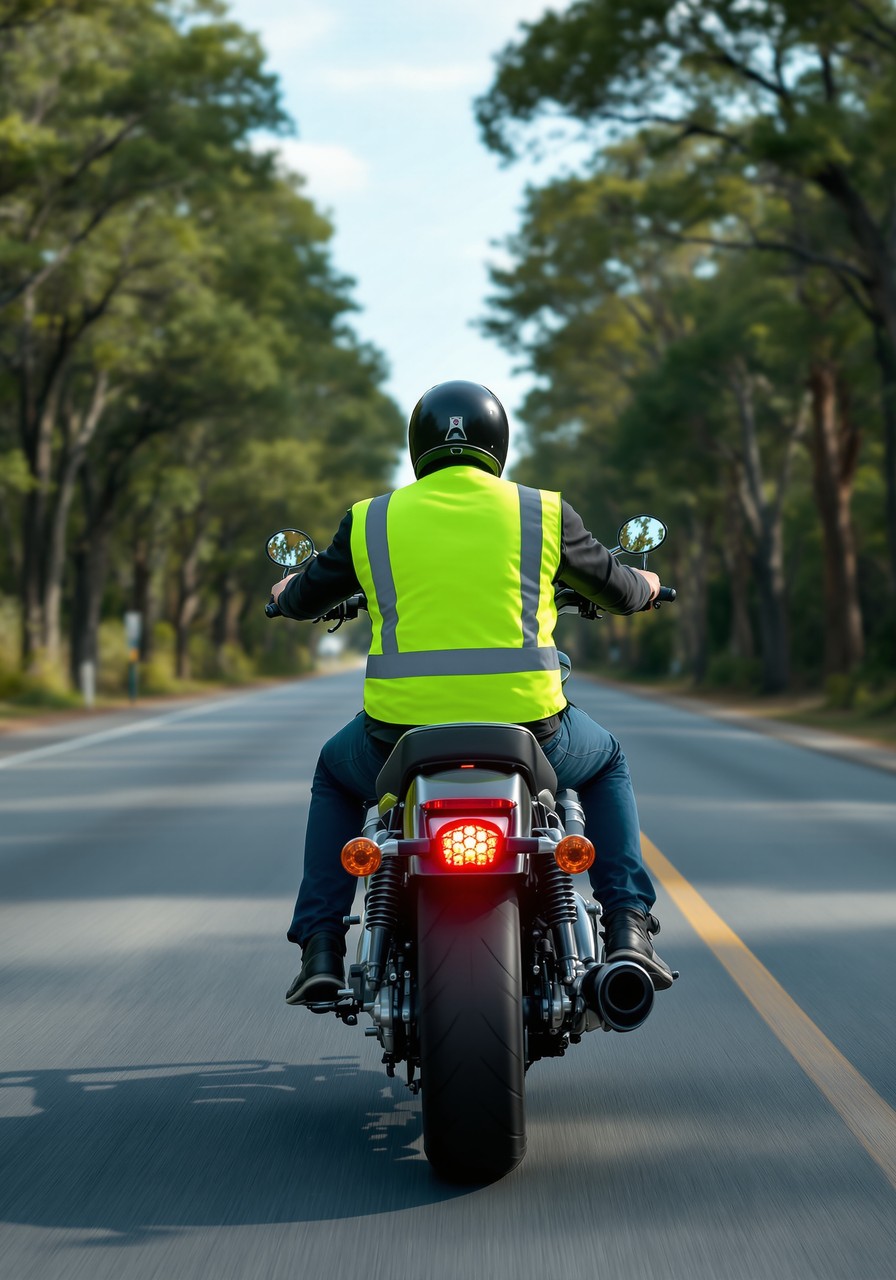
Because the DMV follows contributory negligence, clean documentation of the other driver's fault protects your claim. Photos, witnesses, and reports matter. Call Malloy Law Offices at (888) 485-1372. #RideNationDMV #RiderRights
Engagement
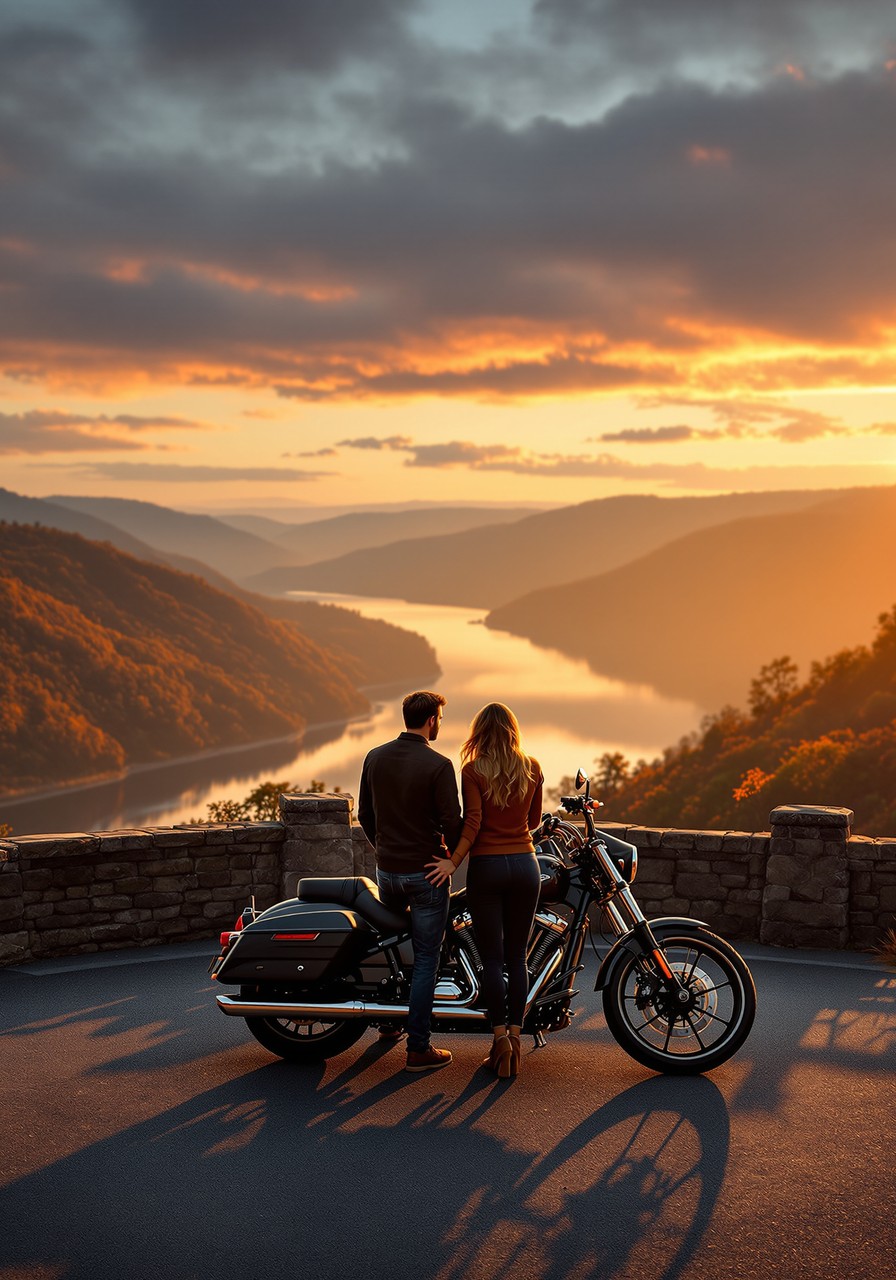
Fill in the blank: Nothing beats a DMV morning ride except ______. #RideNationDMV #GWParkway #DMVriders
Giveaway & Countdown
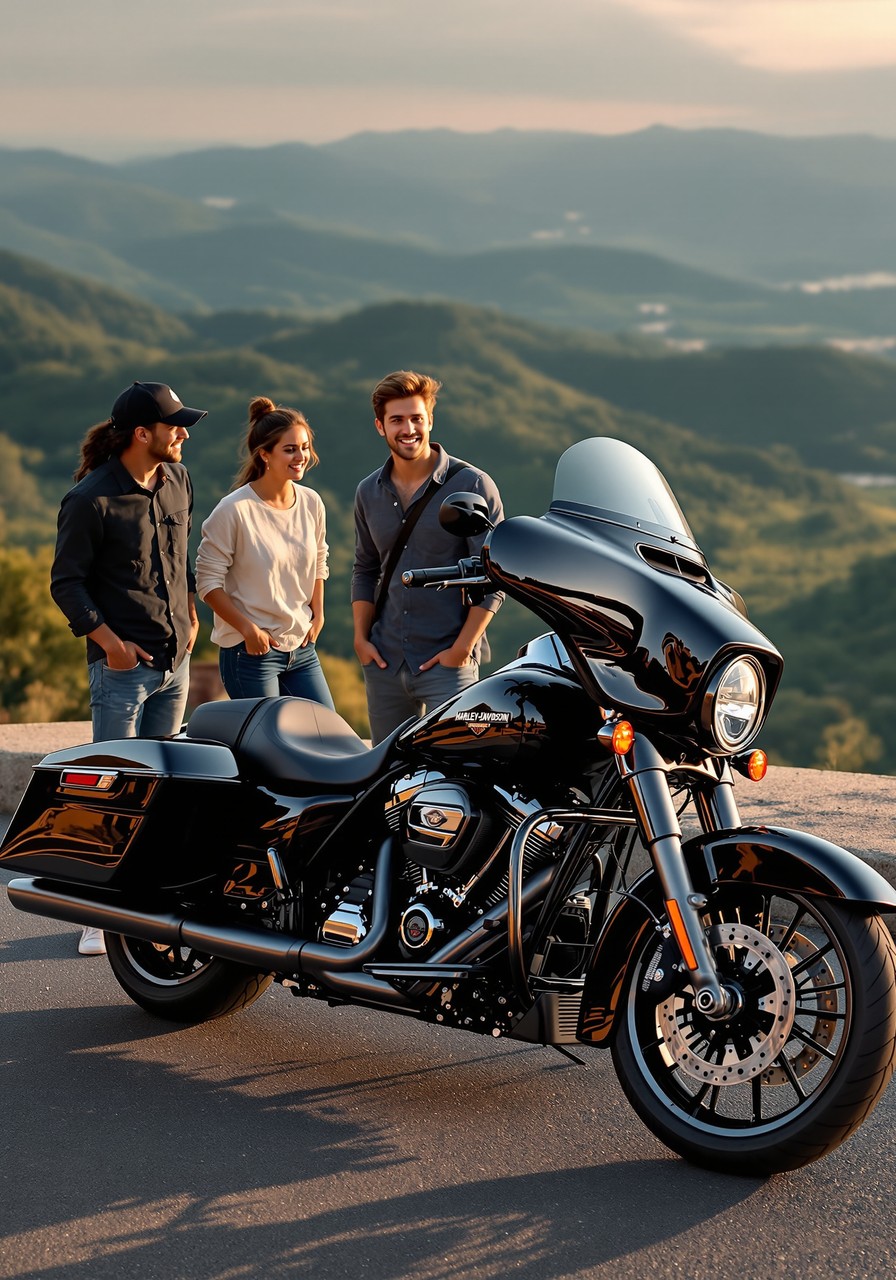
The excitement is building, DMV. One rider walks away with $20,000 on December 10. Entry is free when you talk to us about a crash. #BikersWin #RideNationDMV
Local DMV & Rides
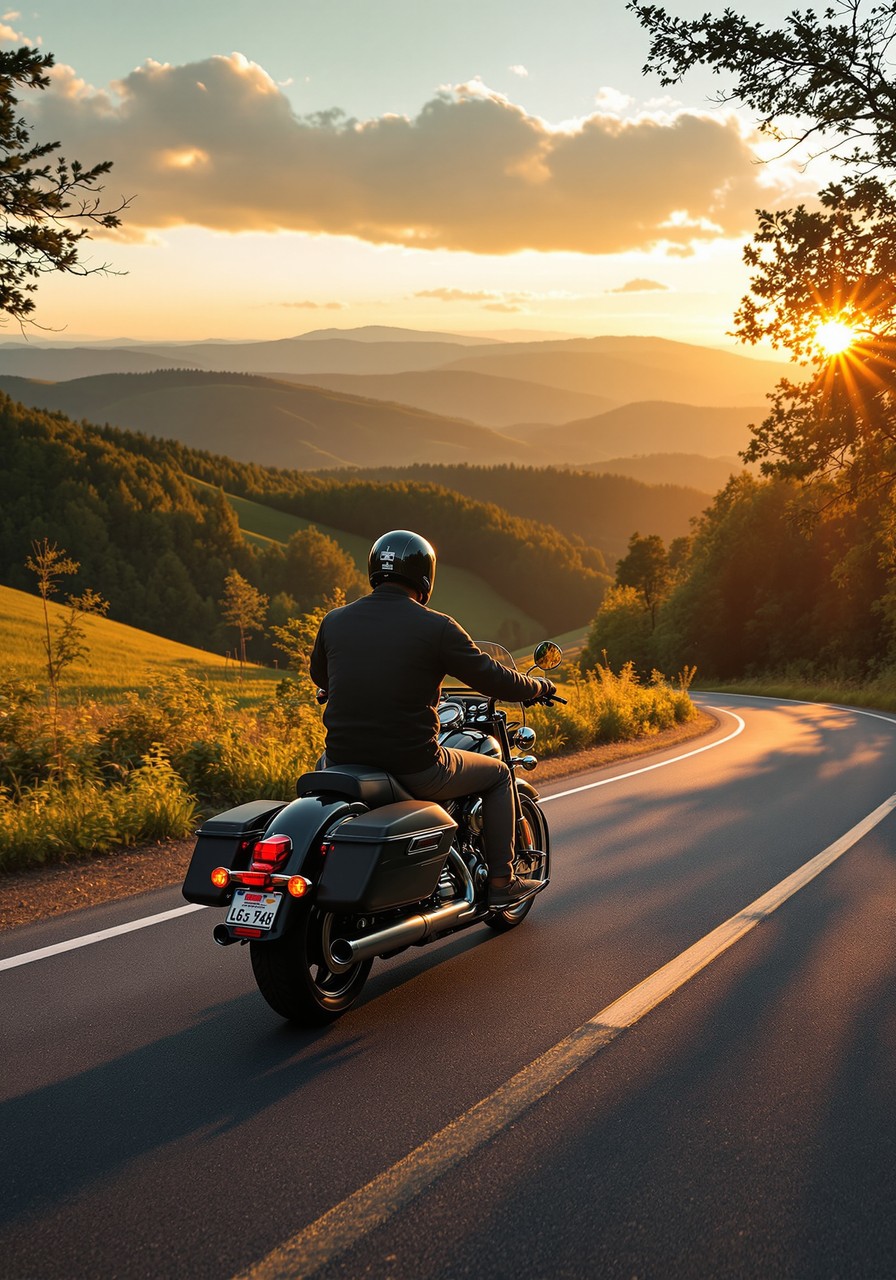
Sugarloaf at sunrise is a quiet kind of magic. Beat the traffic on I-270, wind through Dickerson, and catch the valley waking up. Bring your camera. #RideNationDMV #MarylandRiders #RideNationDMV
Gear & New Iron
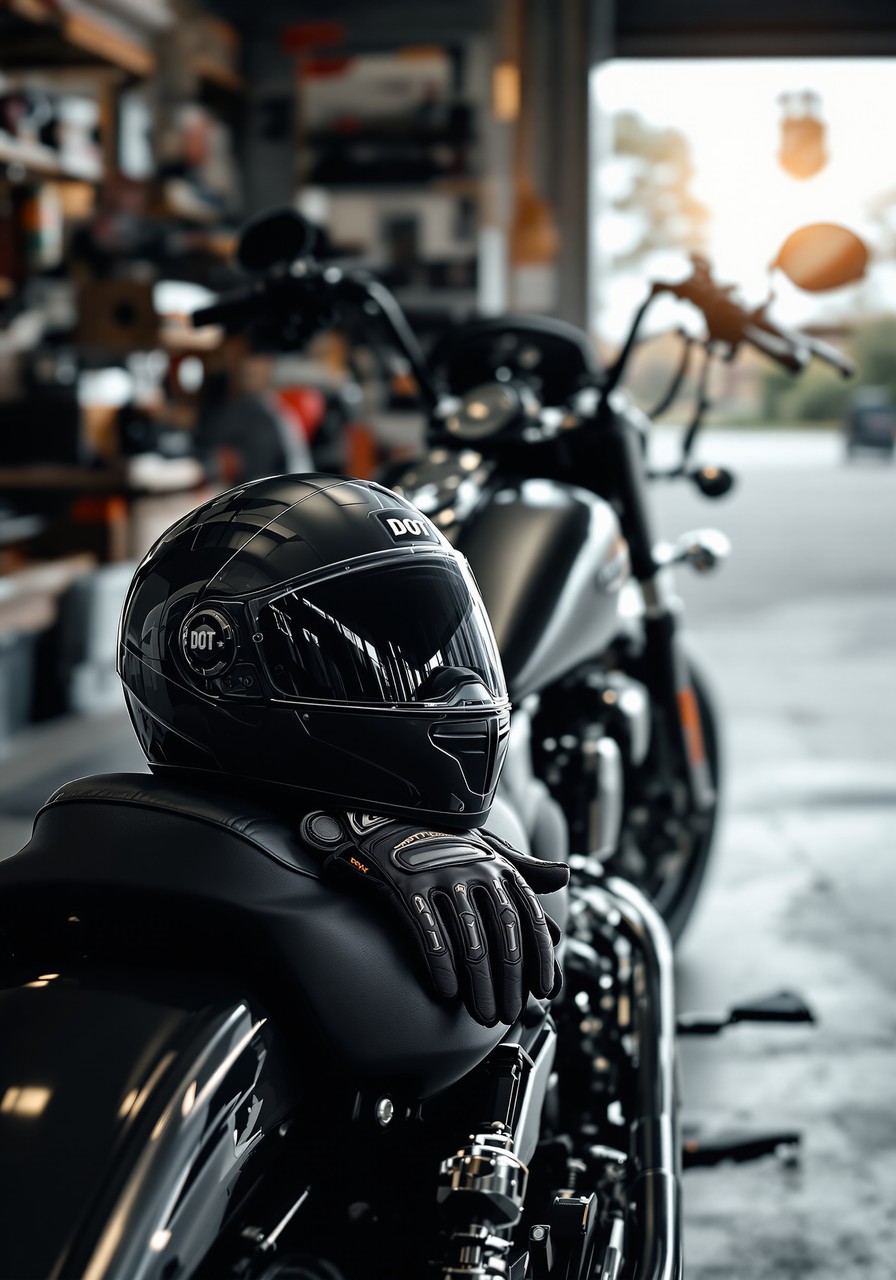
That new model you have been eyeing? Sit on it, hear it, feel the reach to the bars. Dreaming about iron is part of the fun. #RideNationDMV #NewBikeDay #MotorcycleGear
Safety & DMV Law
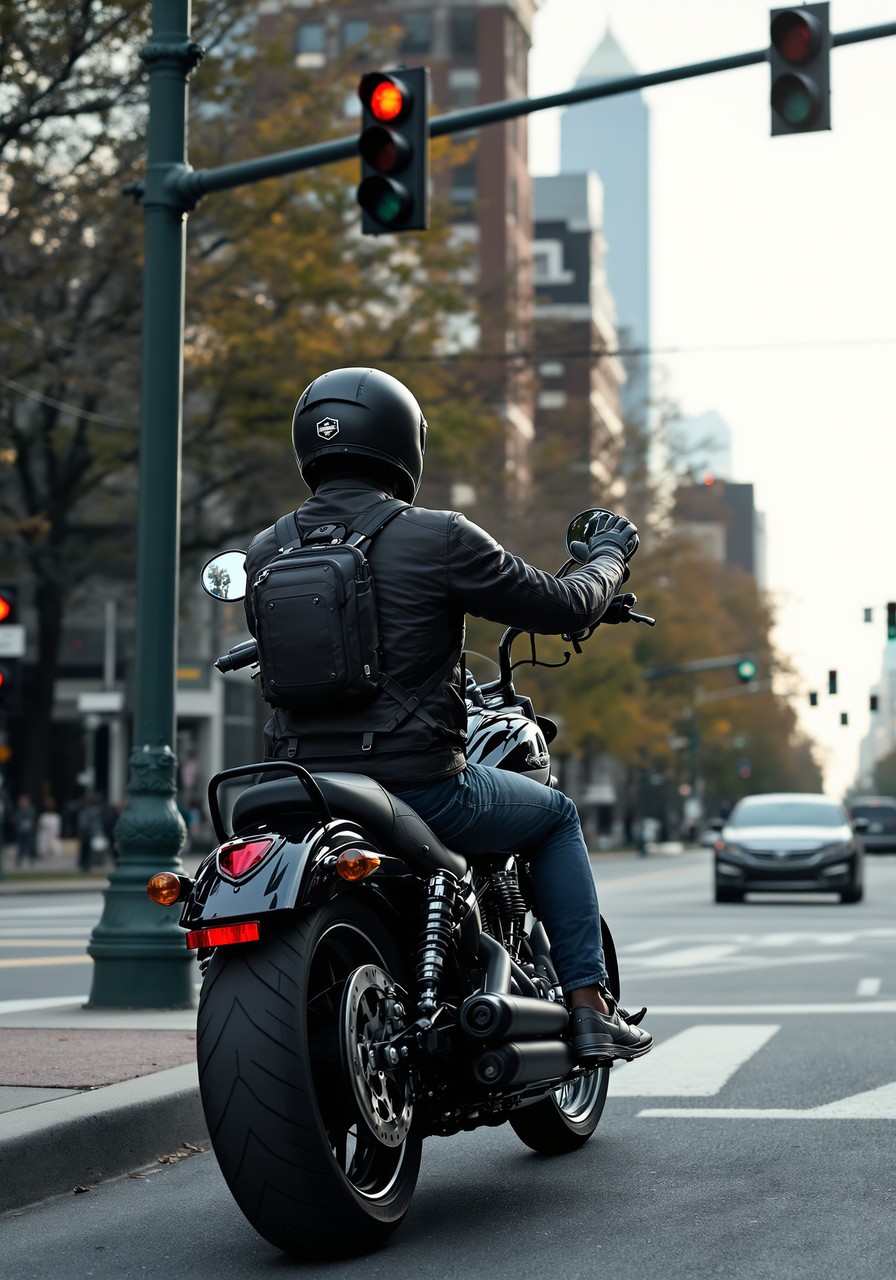
Deer move at dawn and dusk in the Blue Ridge and the Maryland countryside. Scan the shoulders and expect a second one behind the first. #RideNationDMV #RideSafe
Engagement
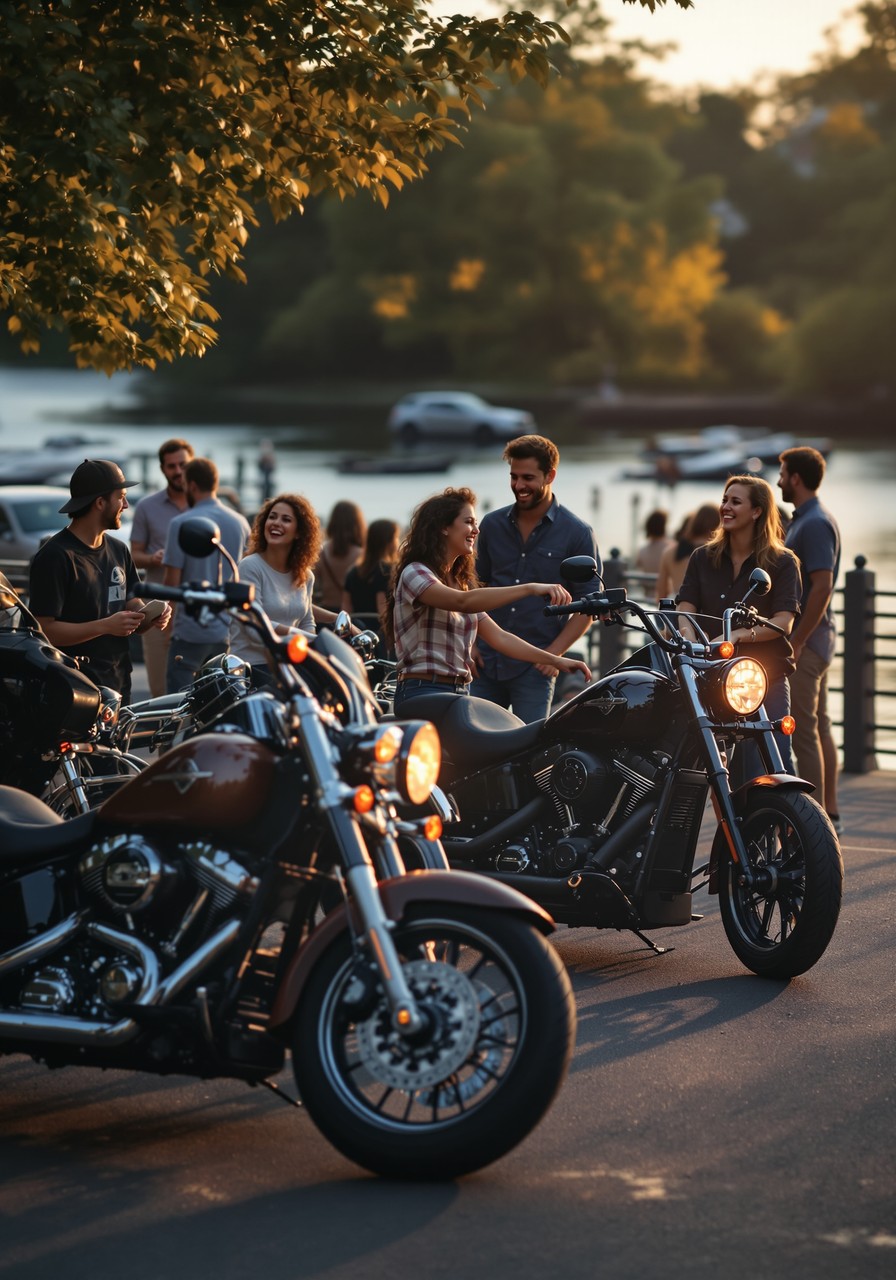
Caption this: that exact second the Beltway finally opens up and you can breathe again. #RideNationDMV #WashingtonDC #NOVA
Giveaway & Countdown
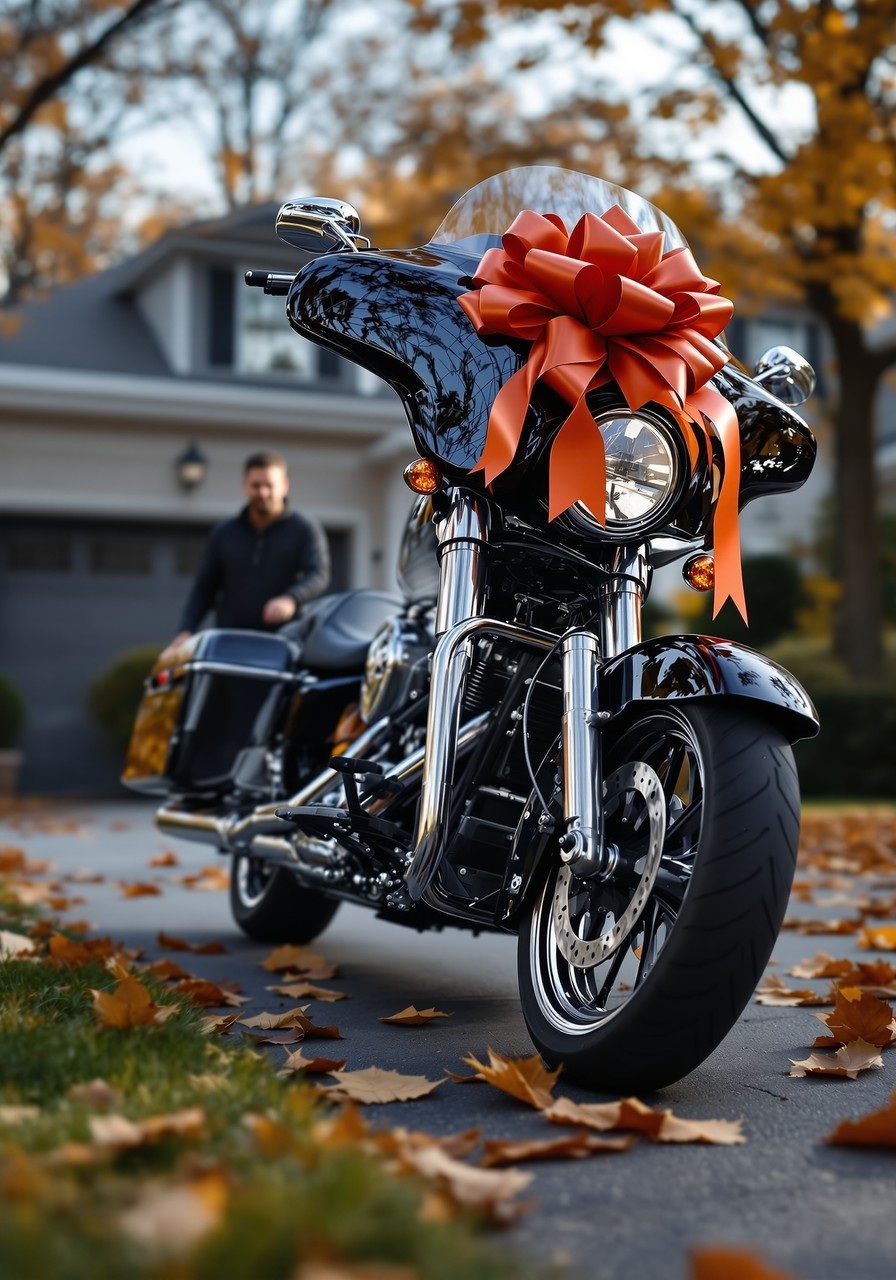
Reminder for the whole DMV riding family: the BikersWin $20K giveaway is live and entry costs nothing. Call Malloy Law Offices at (888) 485-1372 to ask how to enter. #RideNationDMV #20kGiveaway
Local DMV & Rides
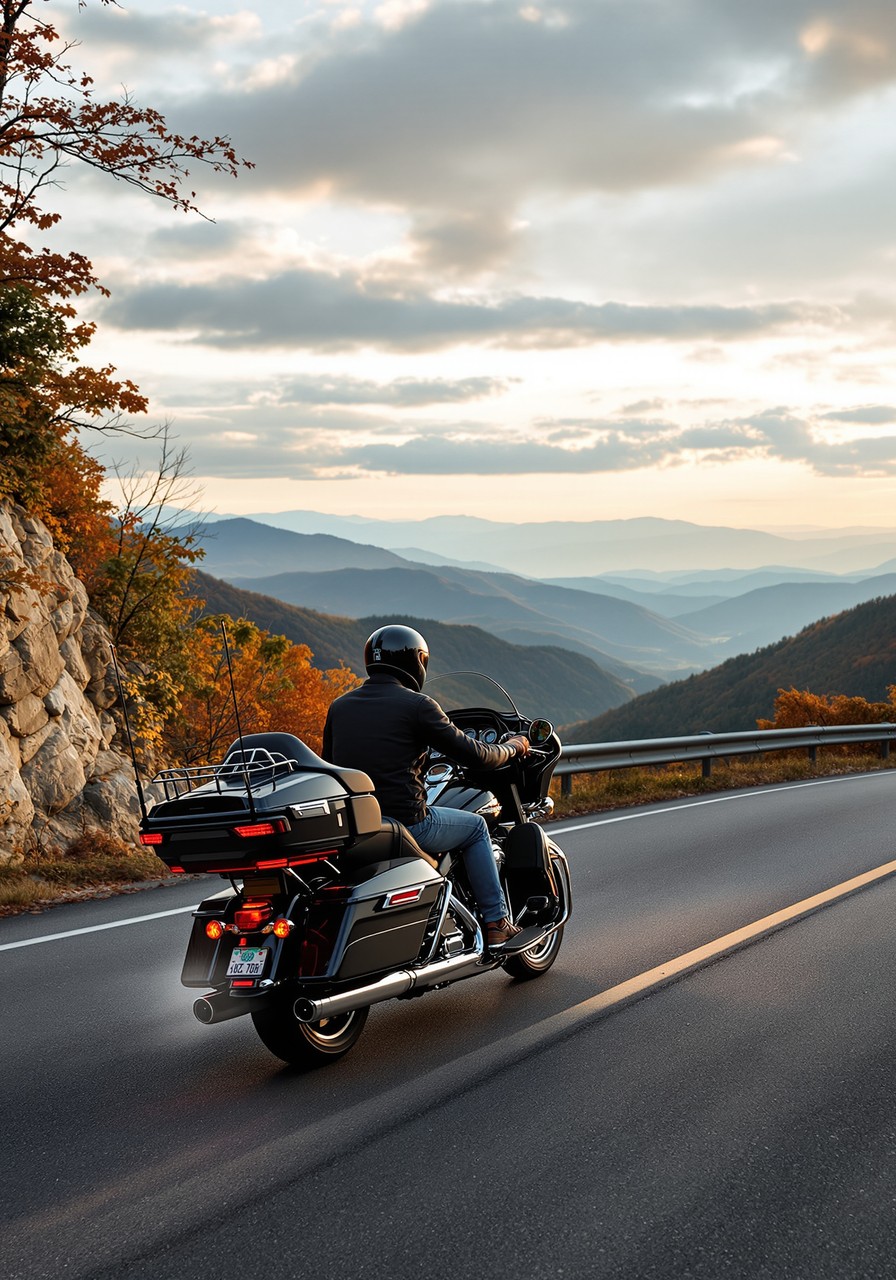
The Virginia countryside past Middleburg keeps giving. Stone fences, horse farms, and roads that curl through the hills toward the mountains. Easy throttle, big smiles. #RideNationDMV #NOVA #BlueRidge
Gear & New Iron
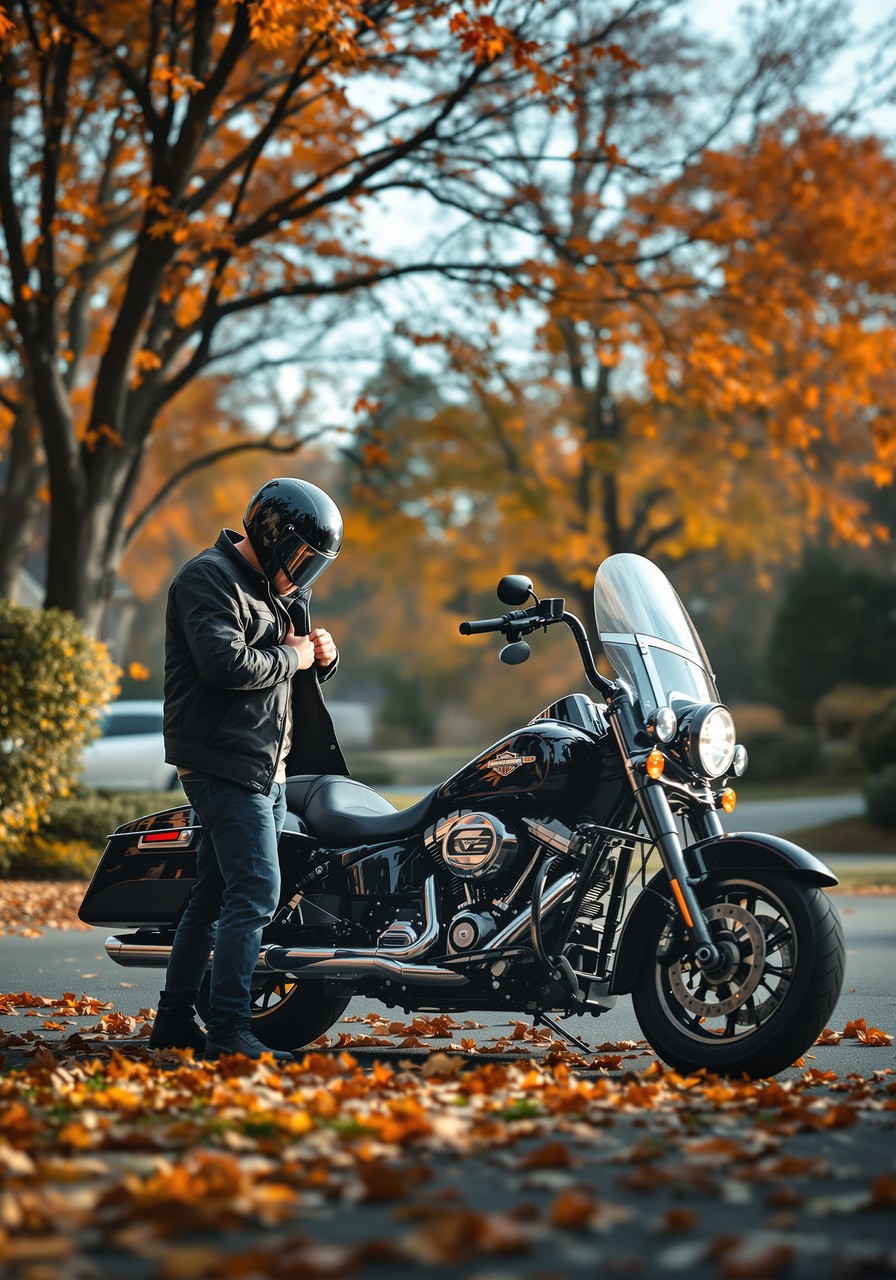
Farkle season never really ends. Crash bars, a taller screen, better pegs. Small upgrades, bigger smiles. #RideNationDMV #MotorcycleGear #GearUp
Safety & DMV Law
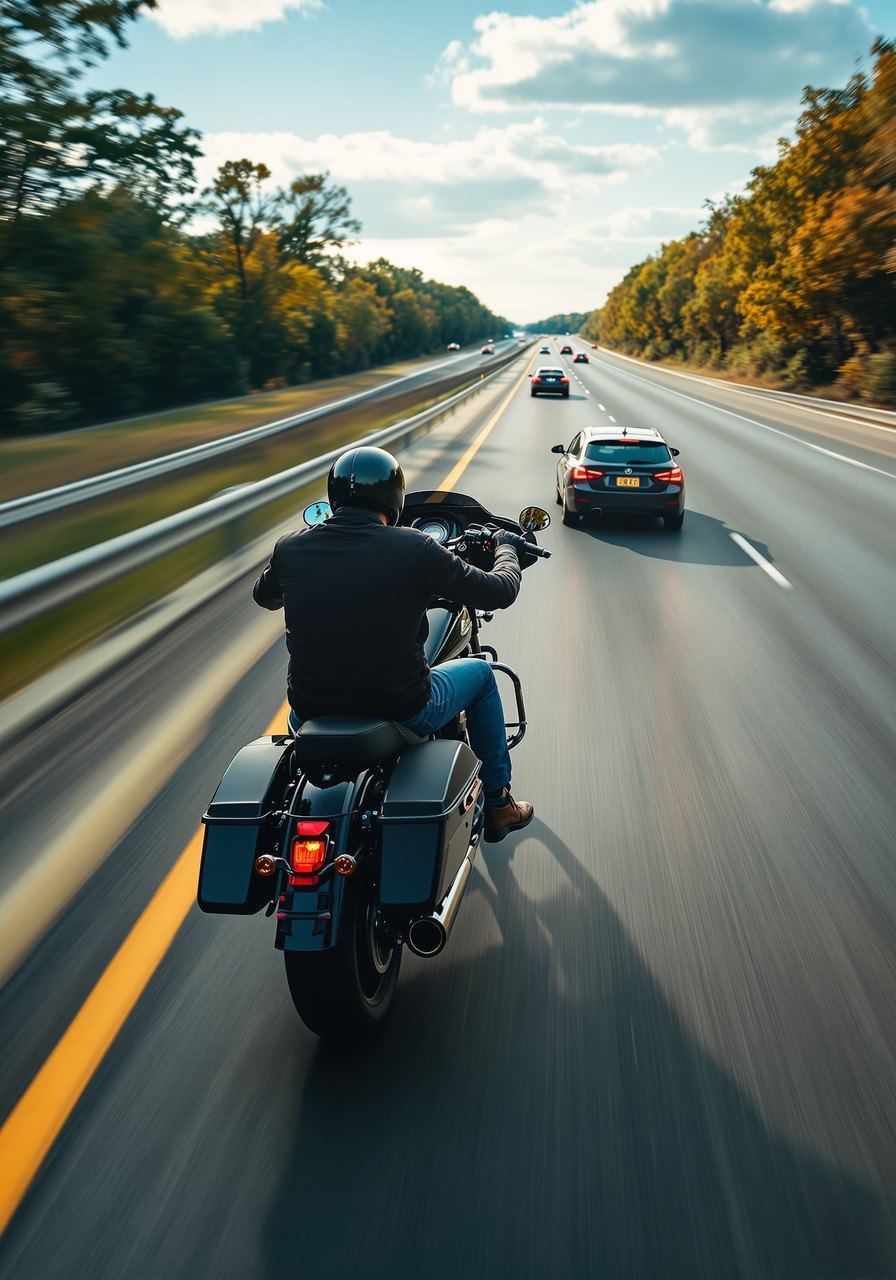
Government claims can carry much shorter notice deadlines, in DC sometimes as short as six months. Don't let a deadline decide your case. Call Malloy Law Offices at (888) 485-1372. #RideNationDMV #RiderRights
Engagement
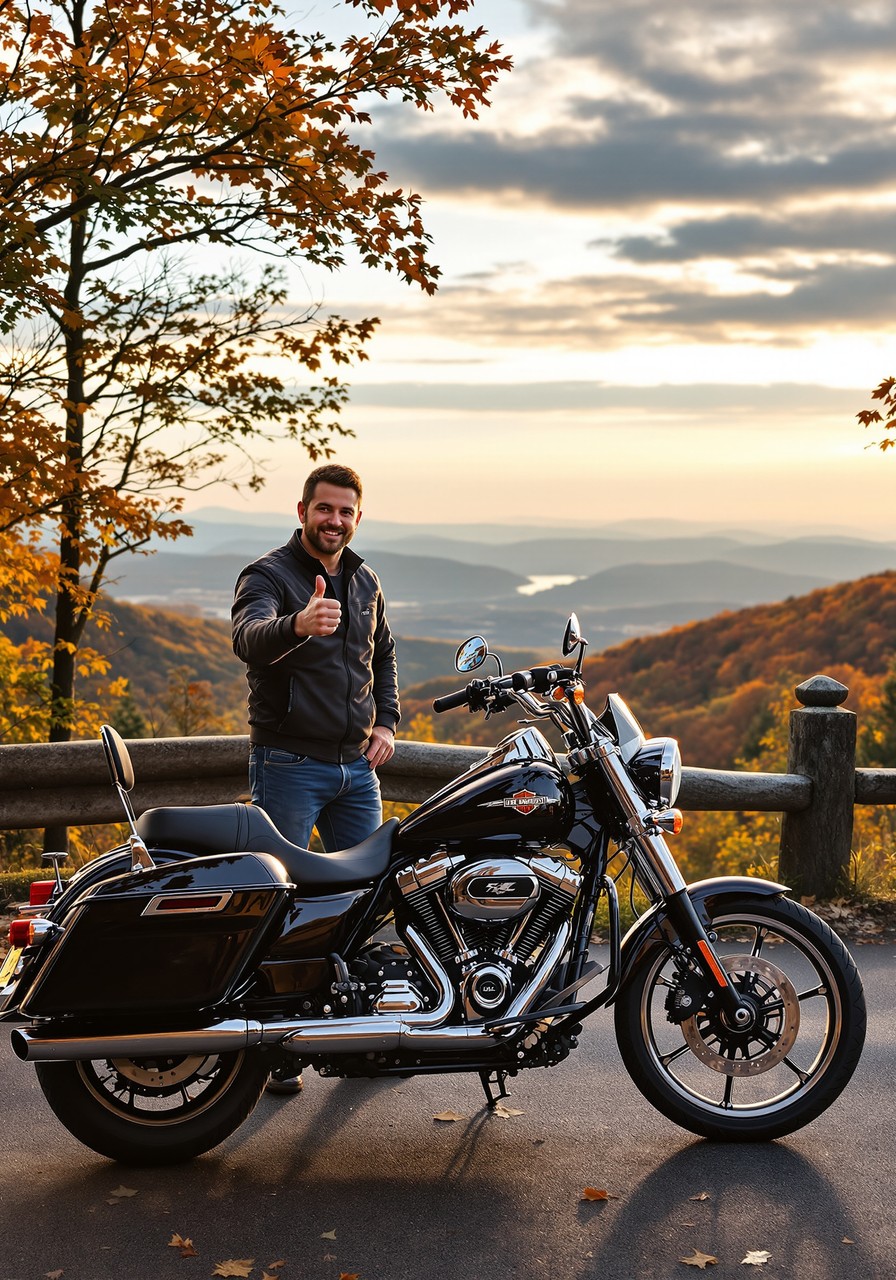
Tag the friend who swears they know a shortcut around every I-495 backup. Do they though? #RideNationDMV #DMVriders #MarylandRiders
Giveaway & Countdown
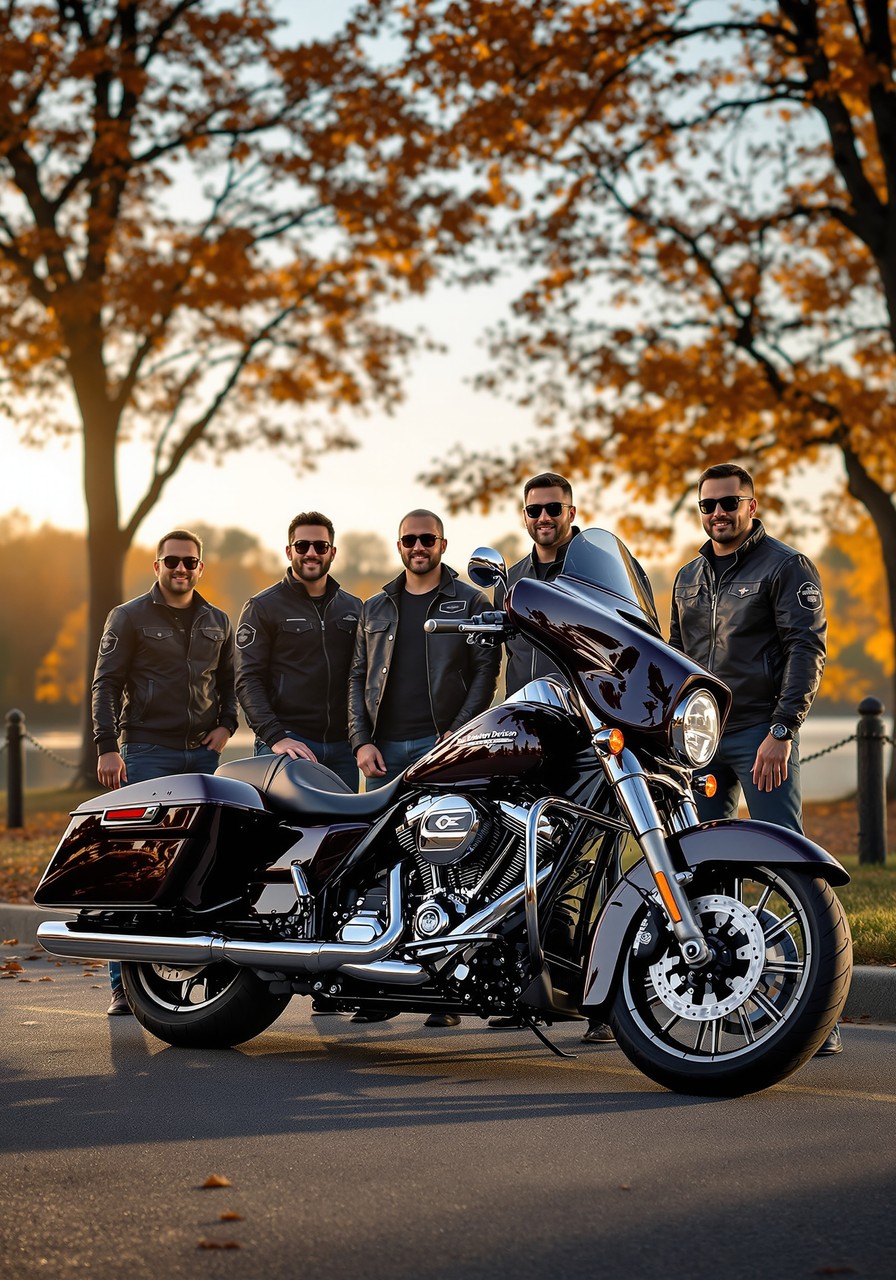
Twenty thousand dollars. Drawn December 10. Open to riders who talk to Malloy Law Offices about a crash, free of charge. #RideNationDMV #BikersWin #20kGiveaway
Local DMV & Rides
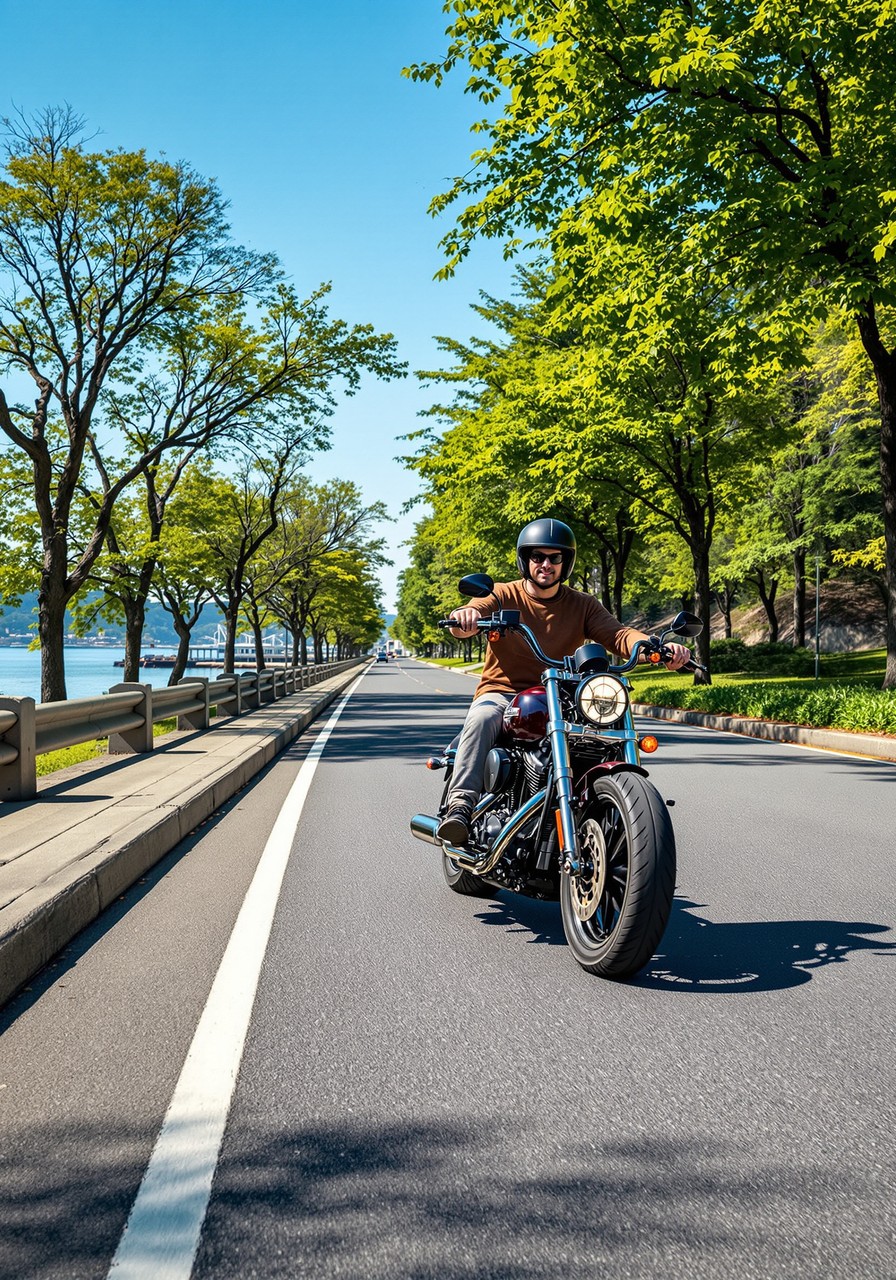
I-66 to the mountains is your gateway west. Push through the metro sprawl and the Blue Ridge opens up ahead of you. Patience early, payoff later. #RideNationDMV #BlueRidge #NOVA #Shenandoah
Gear & New Iron
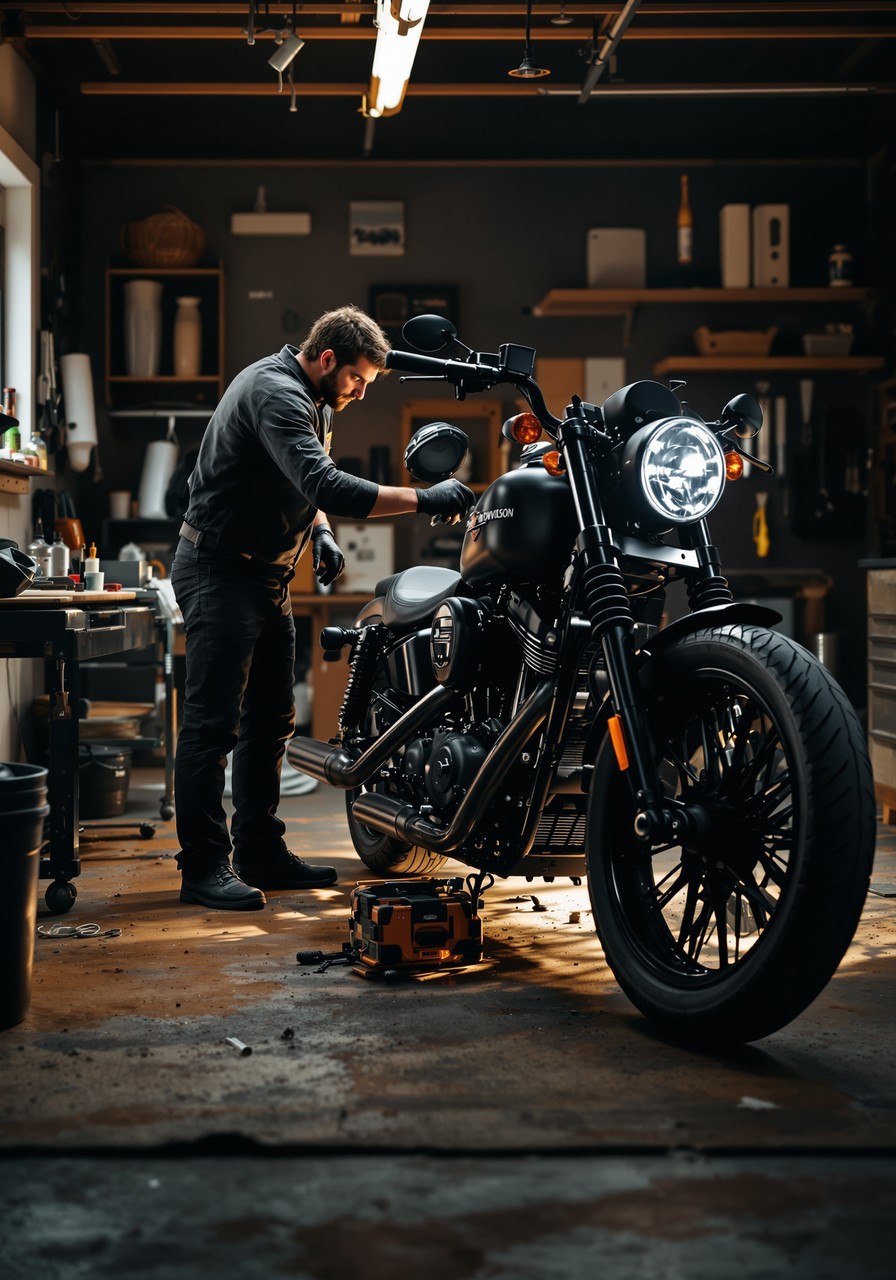
Rain gear earns its keep in one surprise DMV downpour. Pack it small, ride dry. #RideNationDMV #RideSafe #DMVriders
Safety & DMV Law
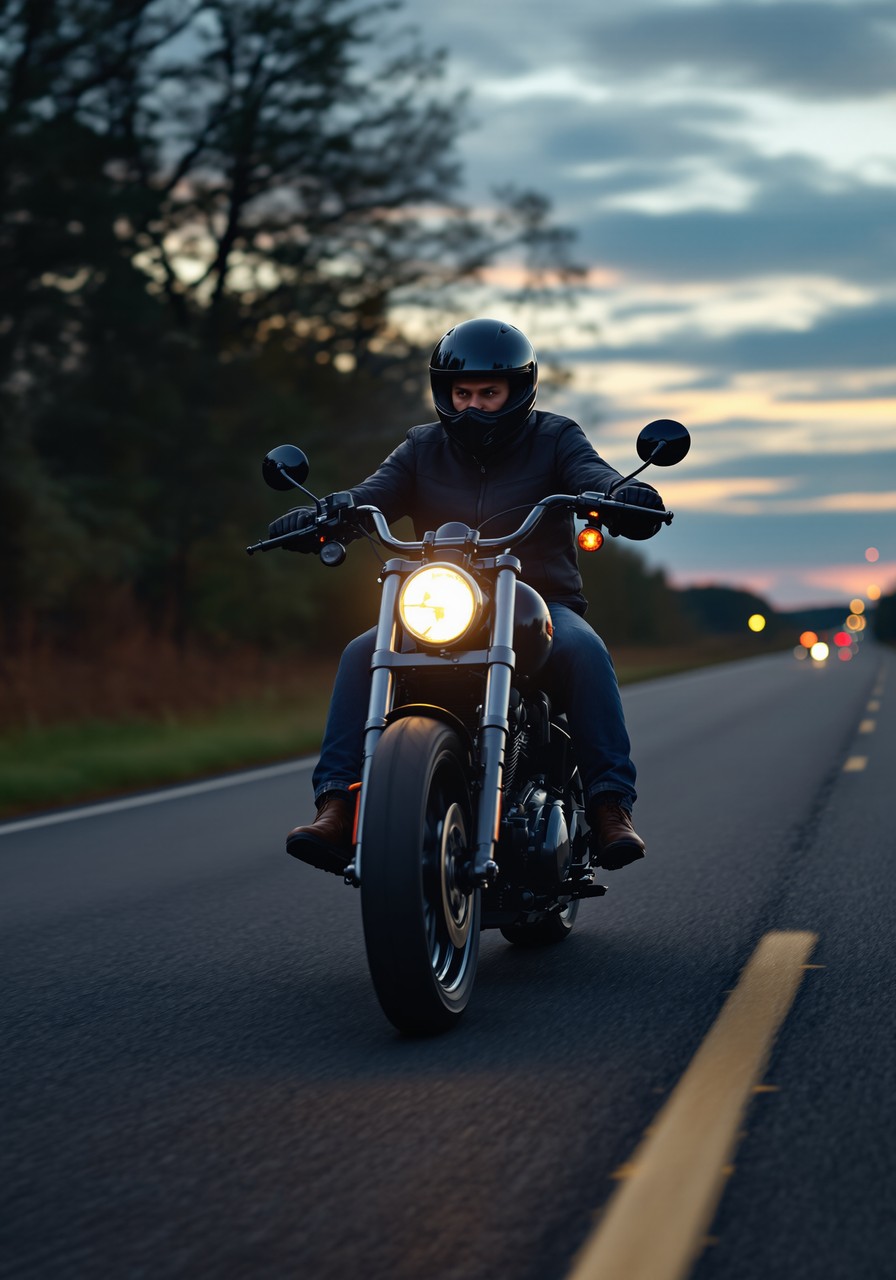
In stop-and-go DMV gridlock, keep a cushion of space ahead. It gives you room to brake, swerve, or be seen. #RideNationDMV #RideSafe
Engagement
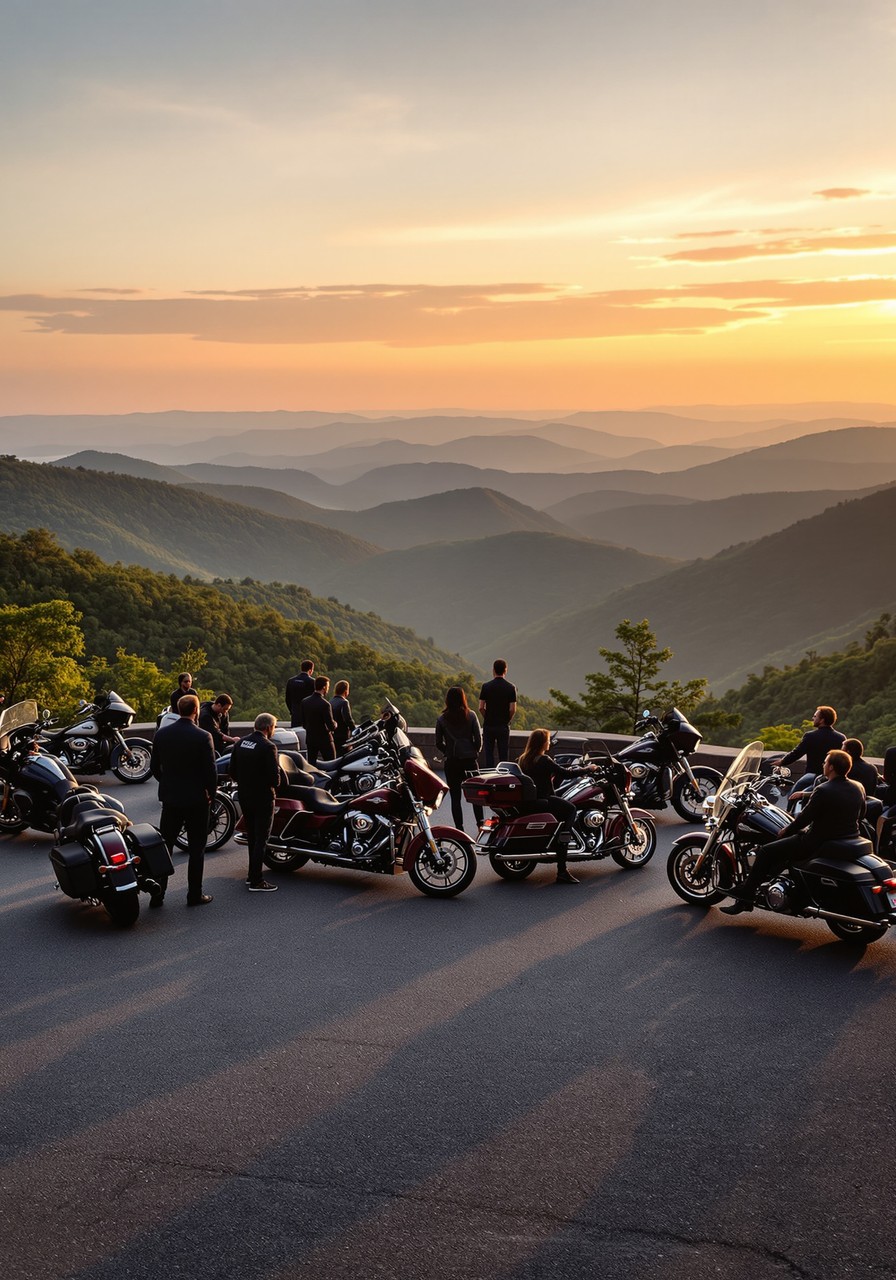
Rider confession: how many detours have you taken just to avoid one specific traffic circle? Asking for the whole DMV. #RideNationDMV #WashingtonDC #NOVA
Giveaway & Countdown
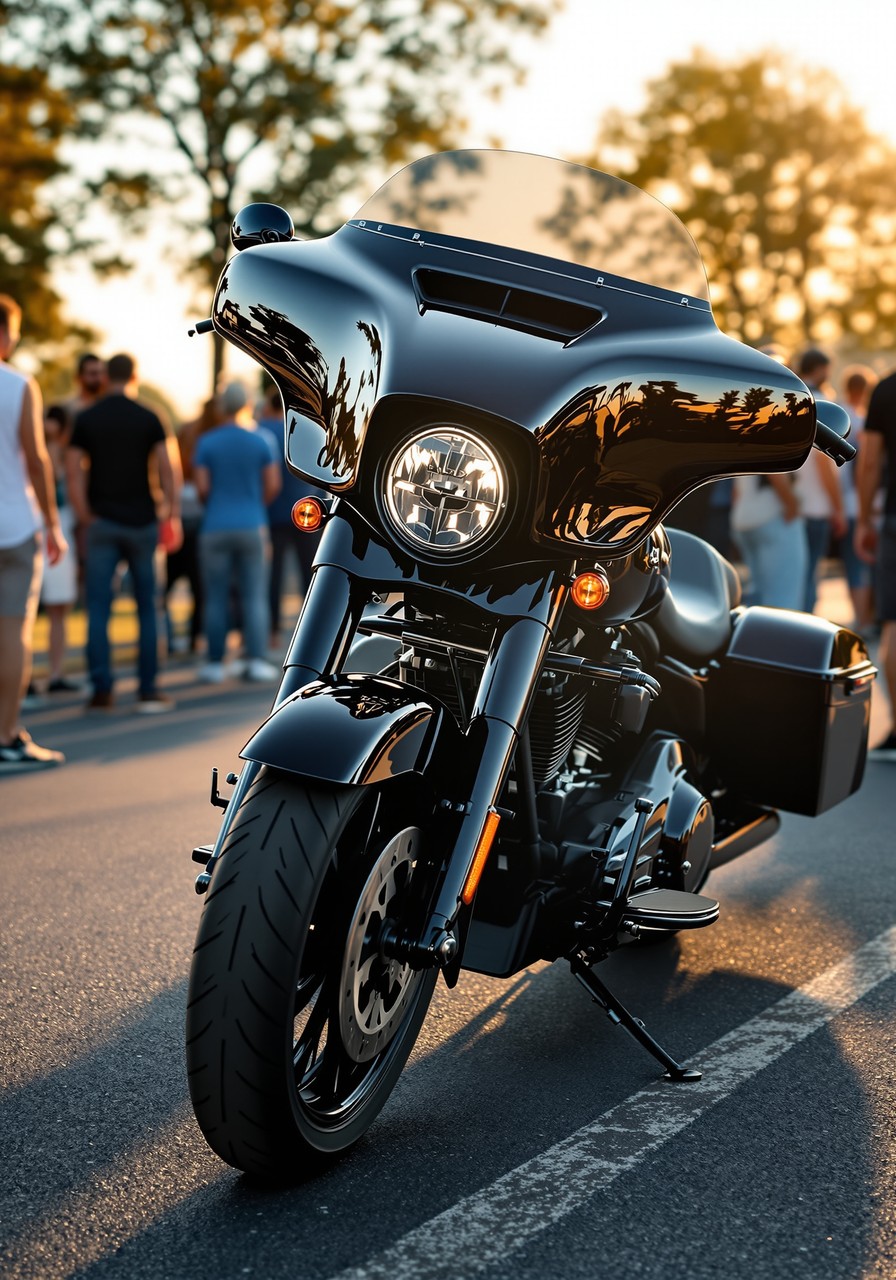
Fall just got a lot more exciting for DMV riders. The BikersWin $20,000 giveaway is here and you can enter for free. Details at malloy-law.com. #RideNationDMV #BikersWin
Local DMV & Rides
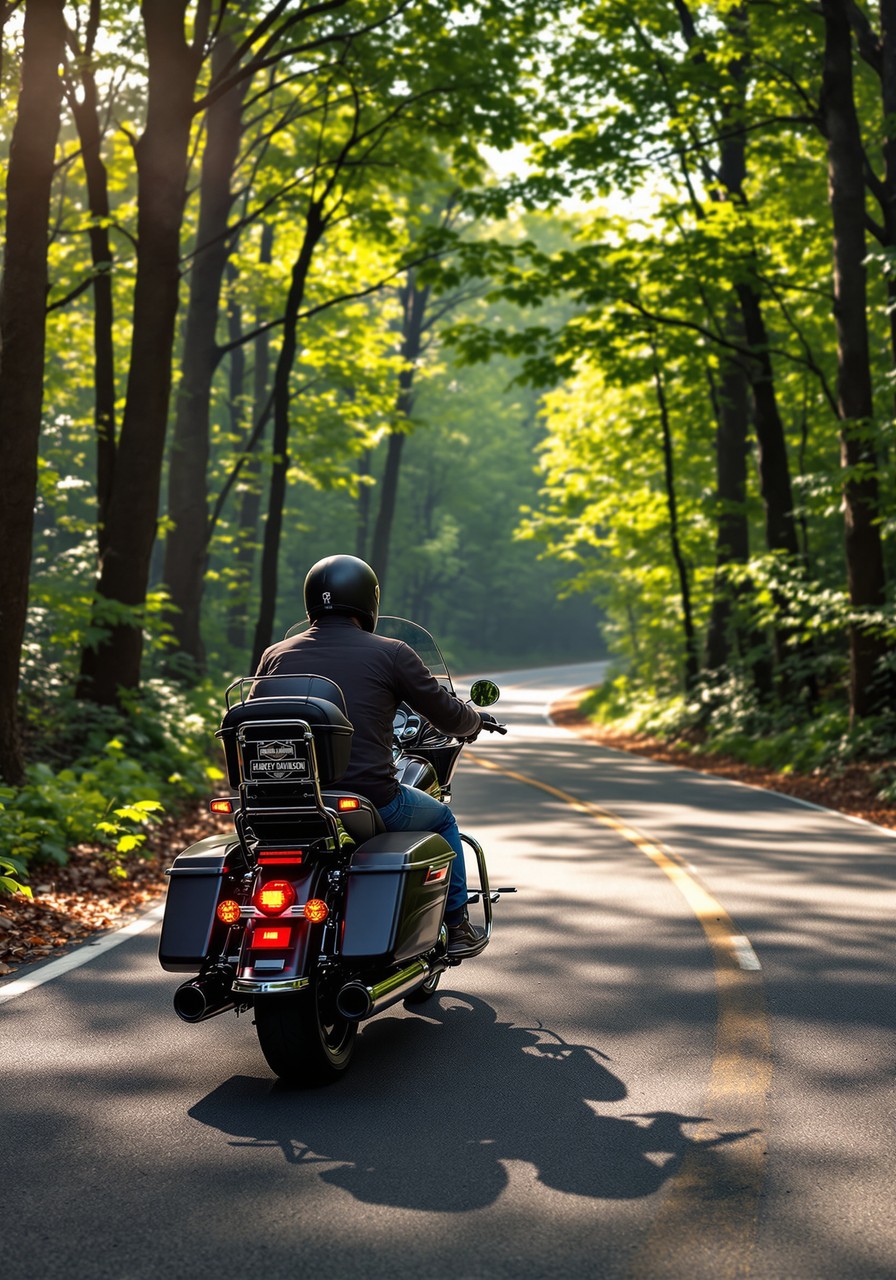
Humid DMV summers mean early starts and plenty of water. Roll out at first light, catch the cool air, be home before the heat settles in. Hydrate every stop. #RideNationDMV #DMVriders #MarylandRiders
Gear & New Iron
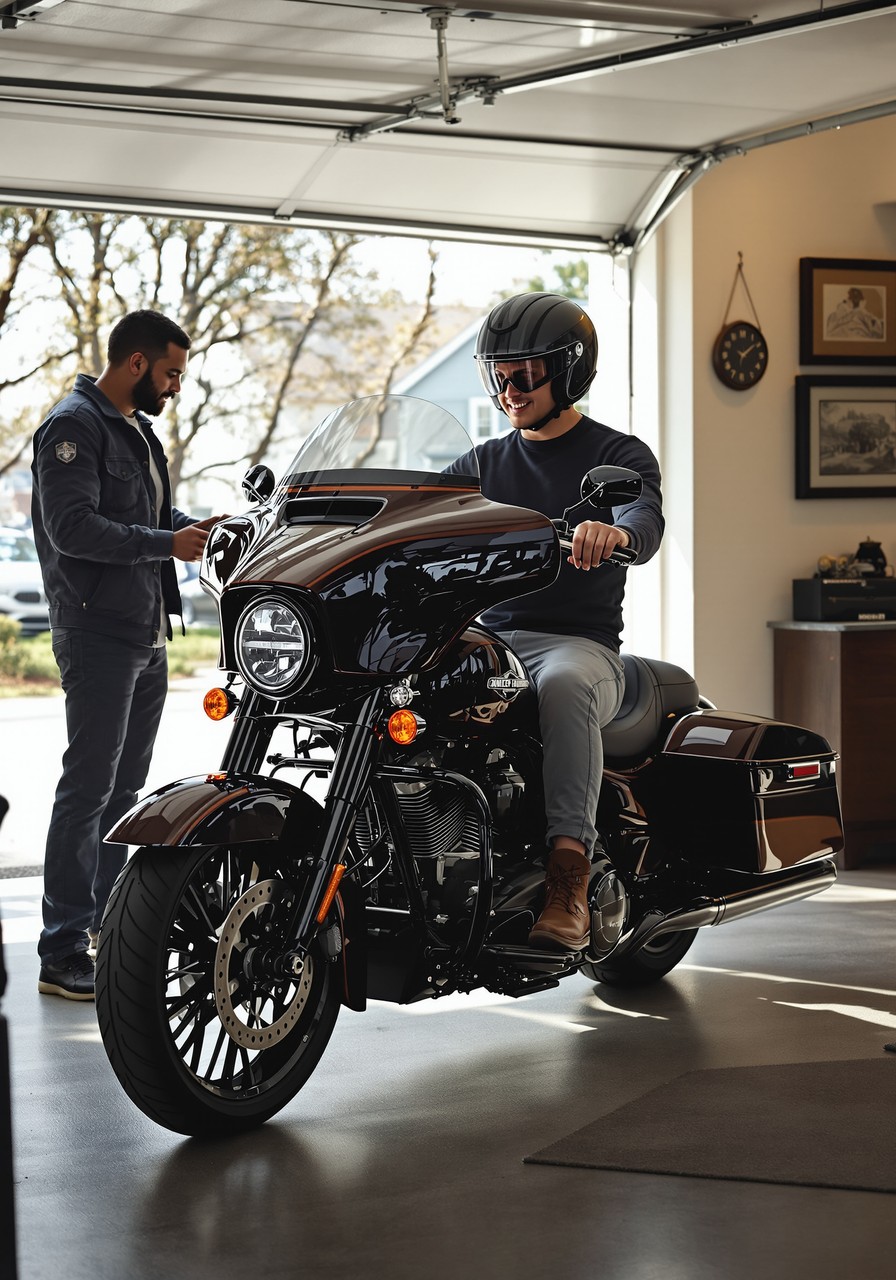
Helmets have a shelf life. If yours has taken a drop or is pushing five years, treat yourself to a fresh one. #RideNationDMV #ATGATT #GearUp
Safety & DMV Law
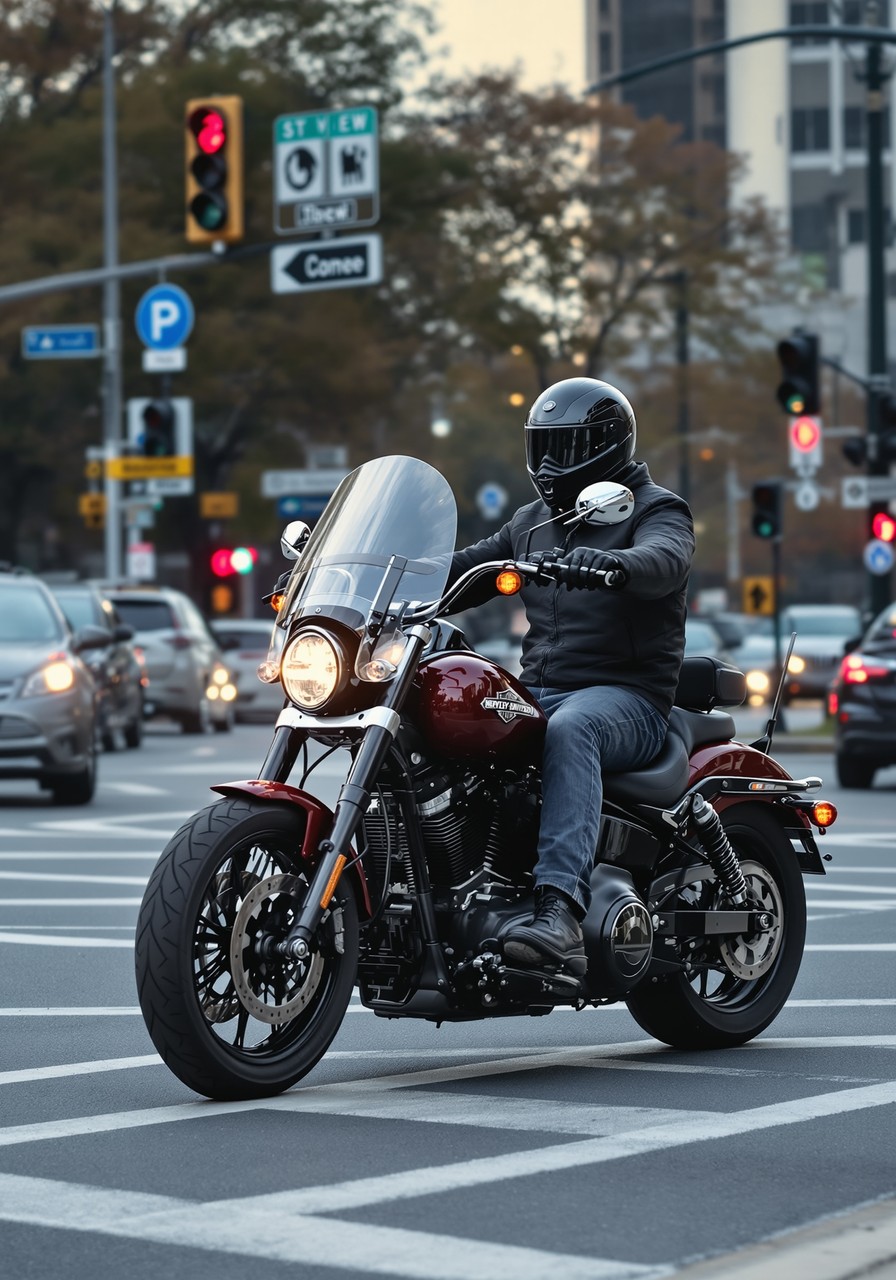
After a crash: photos, witness info, a police report, and see a doctor. Small steps early can matter a lot later. Questions? Call Malloy Law Offices at (888) 485-1372. #RideNationDMV #AfterACrash
Engagement
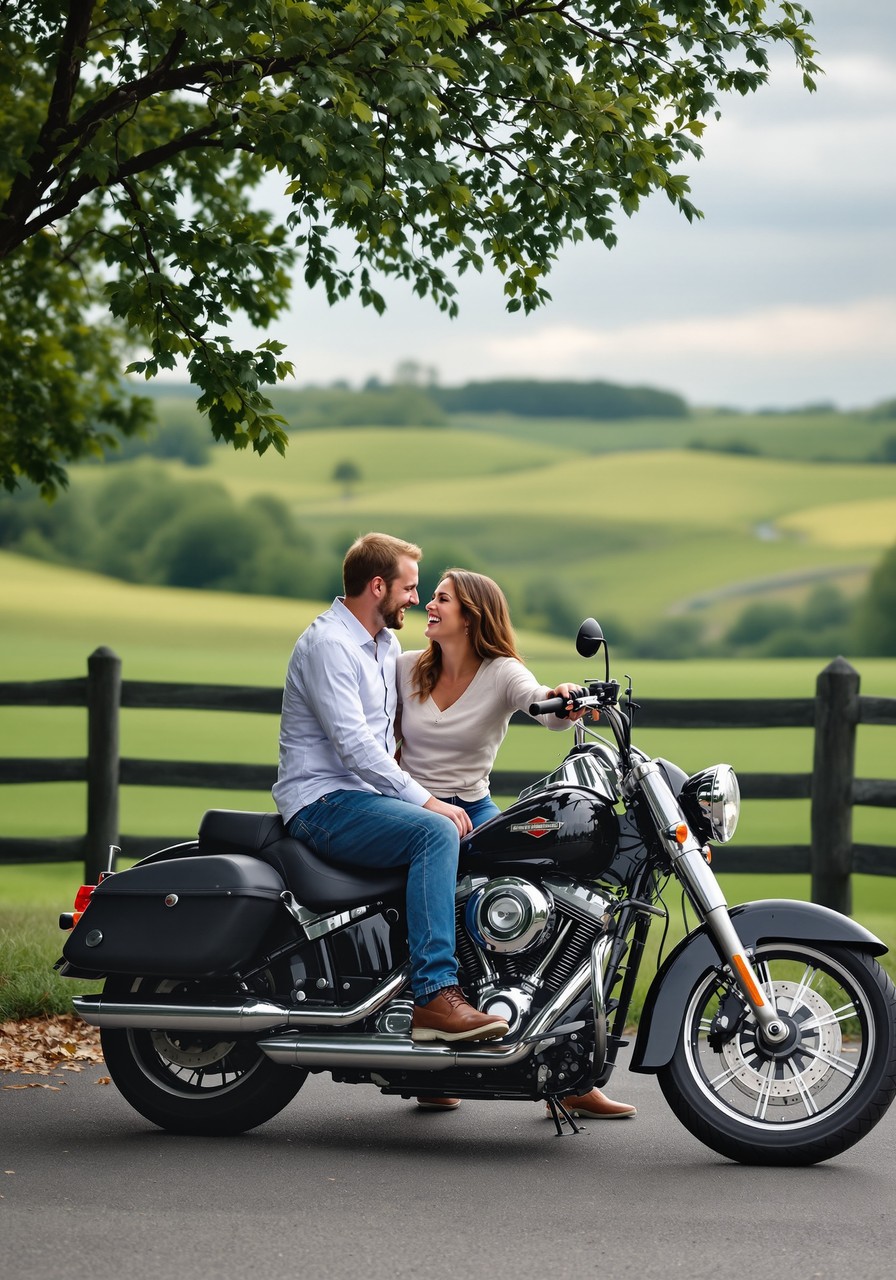
This or that: early bird sunrise run or late-night cool-down cruise? Where do you land? #RideNationDMV #DMVriders #GWParkway
Giveaway & Countdown
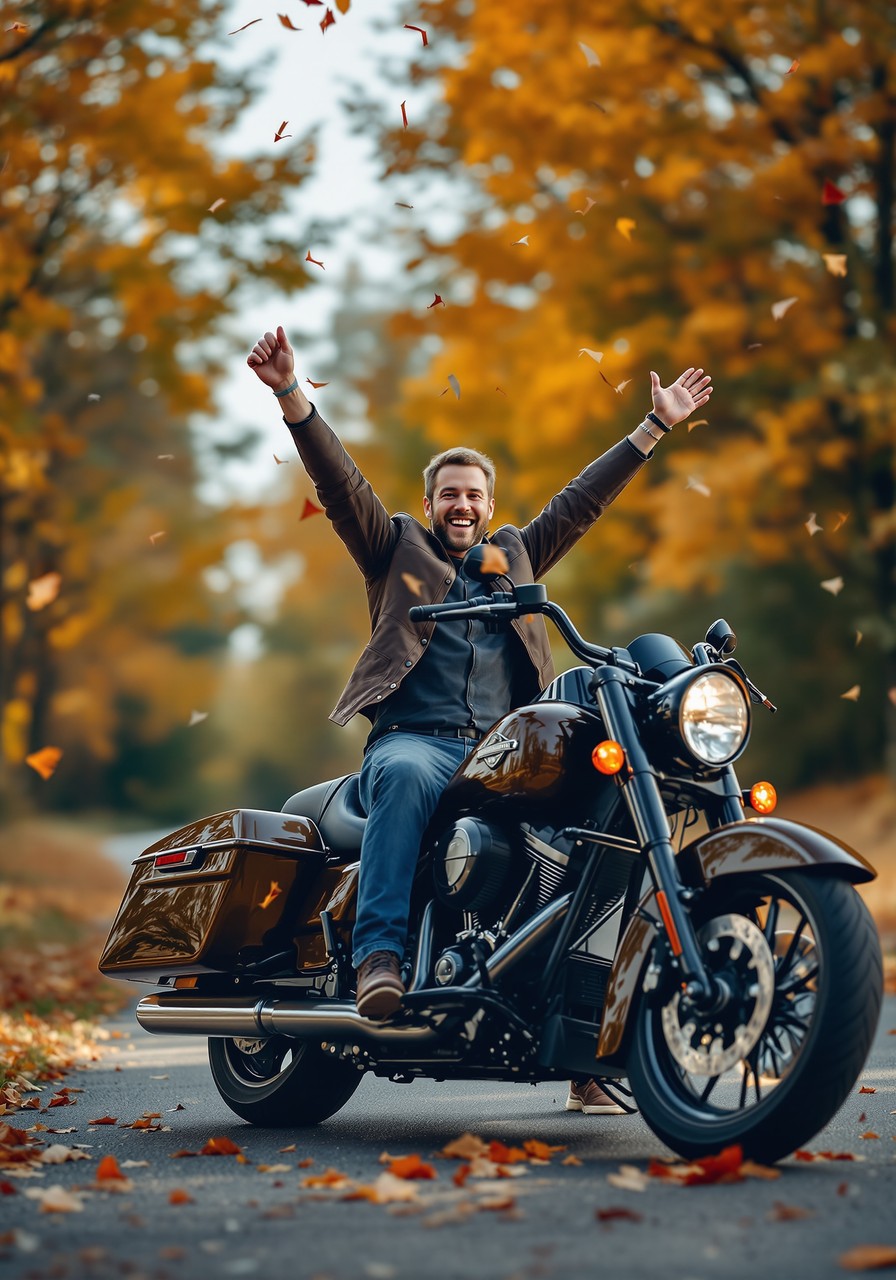
Have you been in a crash this year? You may already qualify to enter the $20K BikersWin giveaway for free. Call (888) 485-1372 to find out. #RideNationDMV #20kGiveaway
Local DMV & Rides
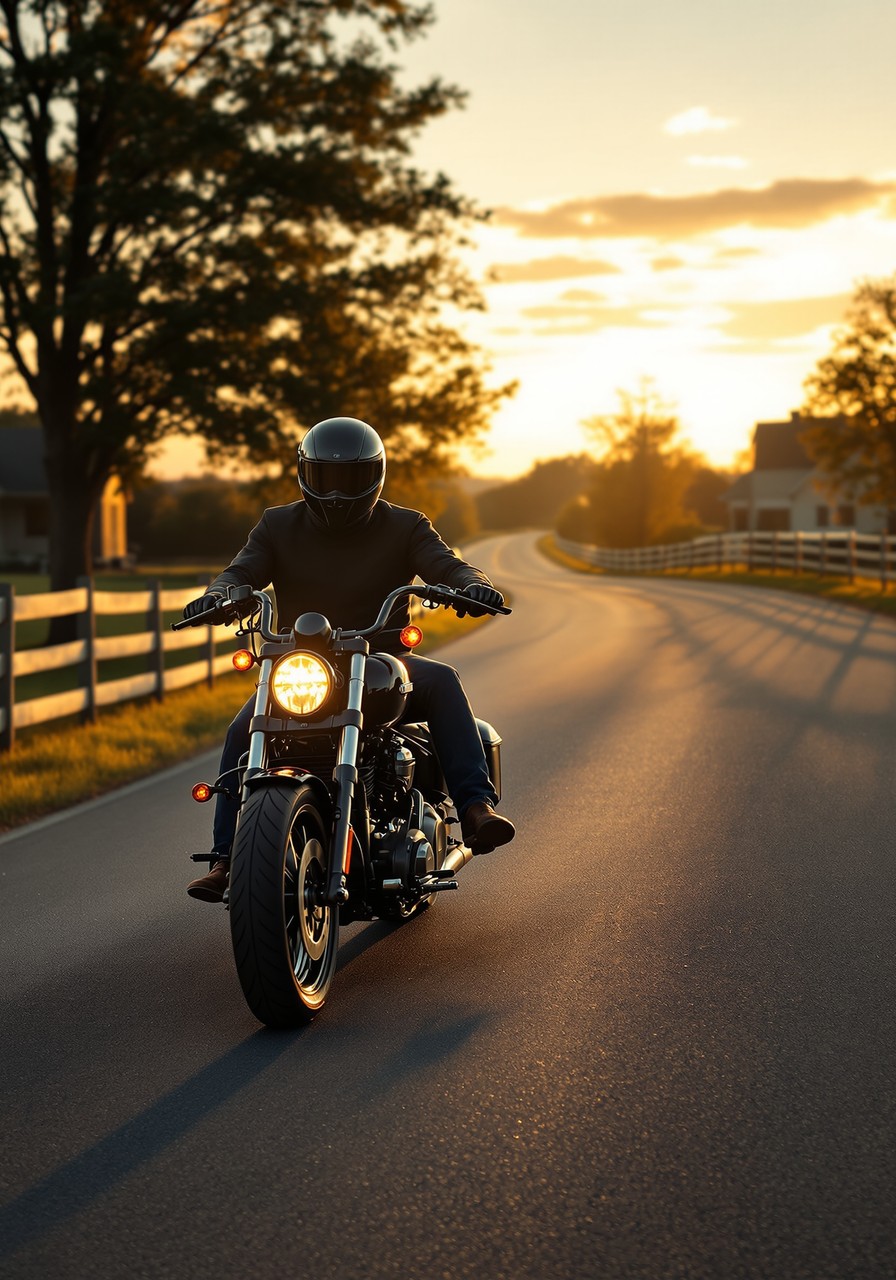
The Potomac backroads around Great Falls and Poolesville stitch together beautifully. River views, shaded lanes, and just enough curve to keep it fun. A loop you'll ride again. #RideNationDMV #MarylandRiders #NOVA
Gear & New Iron
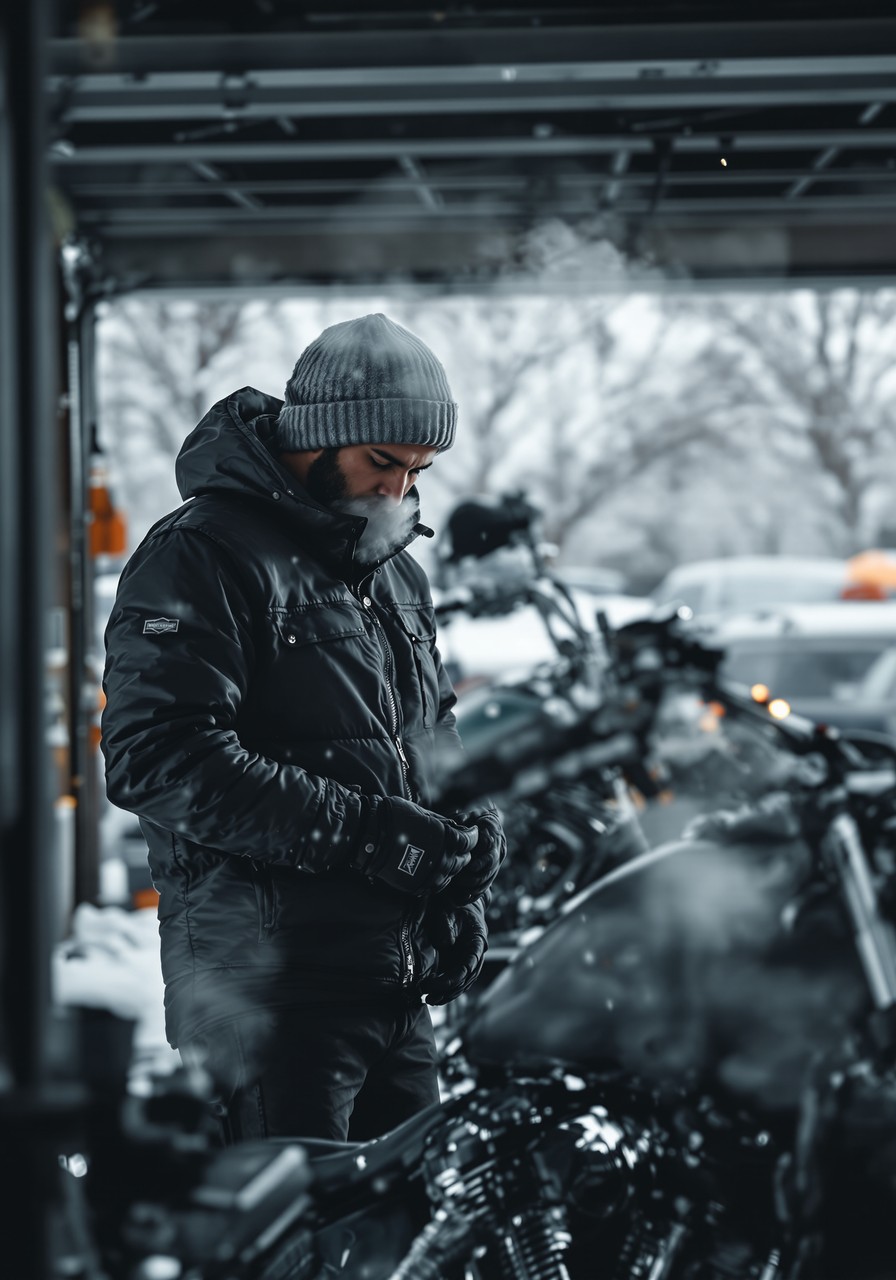
A back protector is the upgrade nobody talks about and everybody should own. Spine first, style second. #RideNationDMV #ATGATT #RideSafe
Safety & DMV Law
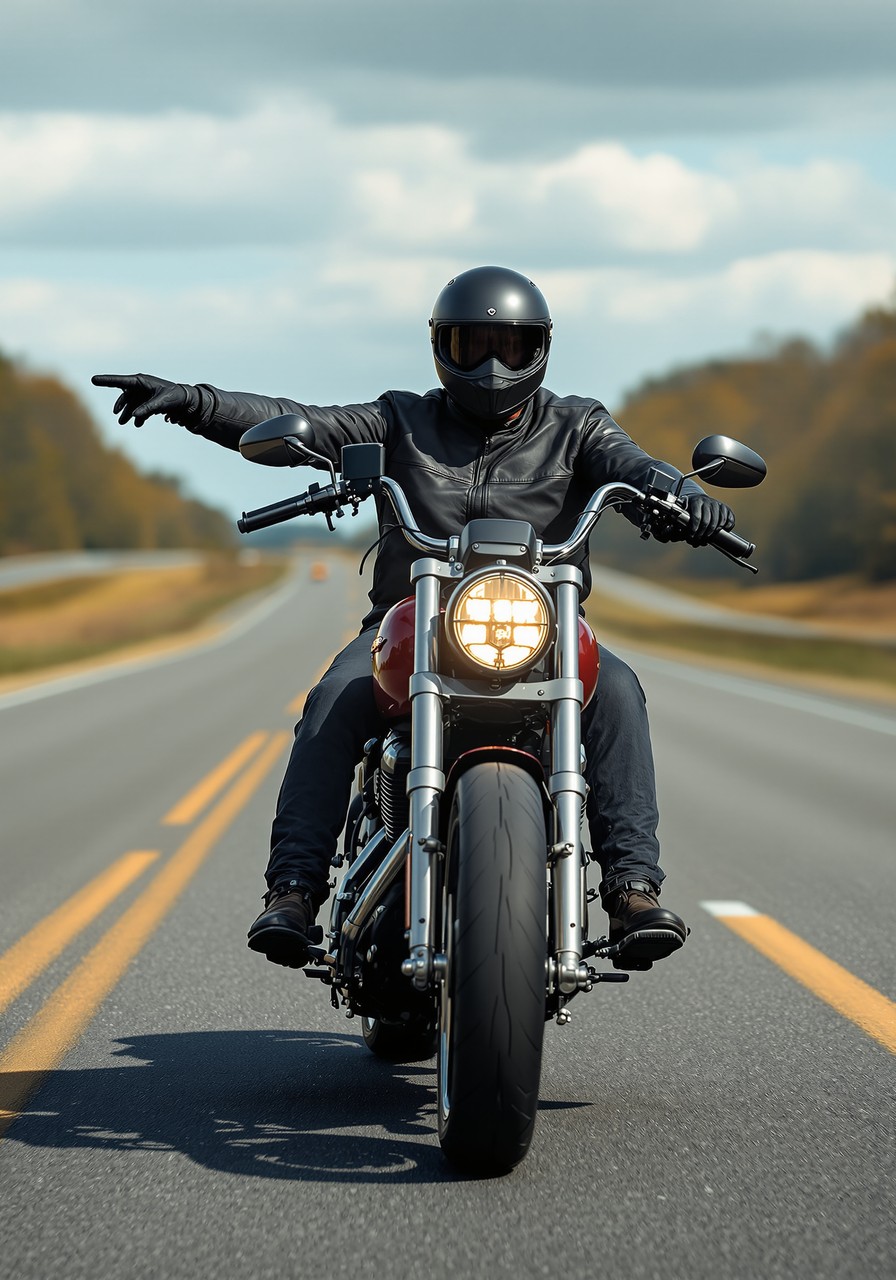
Being right doesn't help if a driver can't see you. Ride like you're invisible and position for eye contact at every intersection. #RideNationDMV #SMIDSY
Engagement
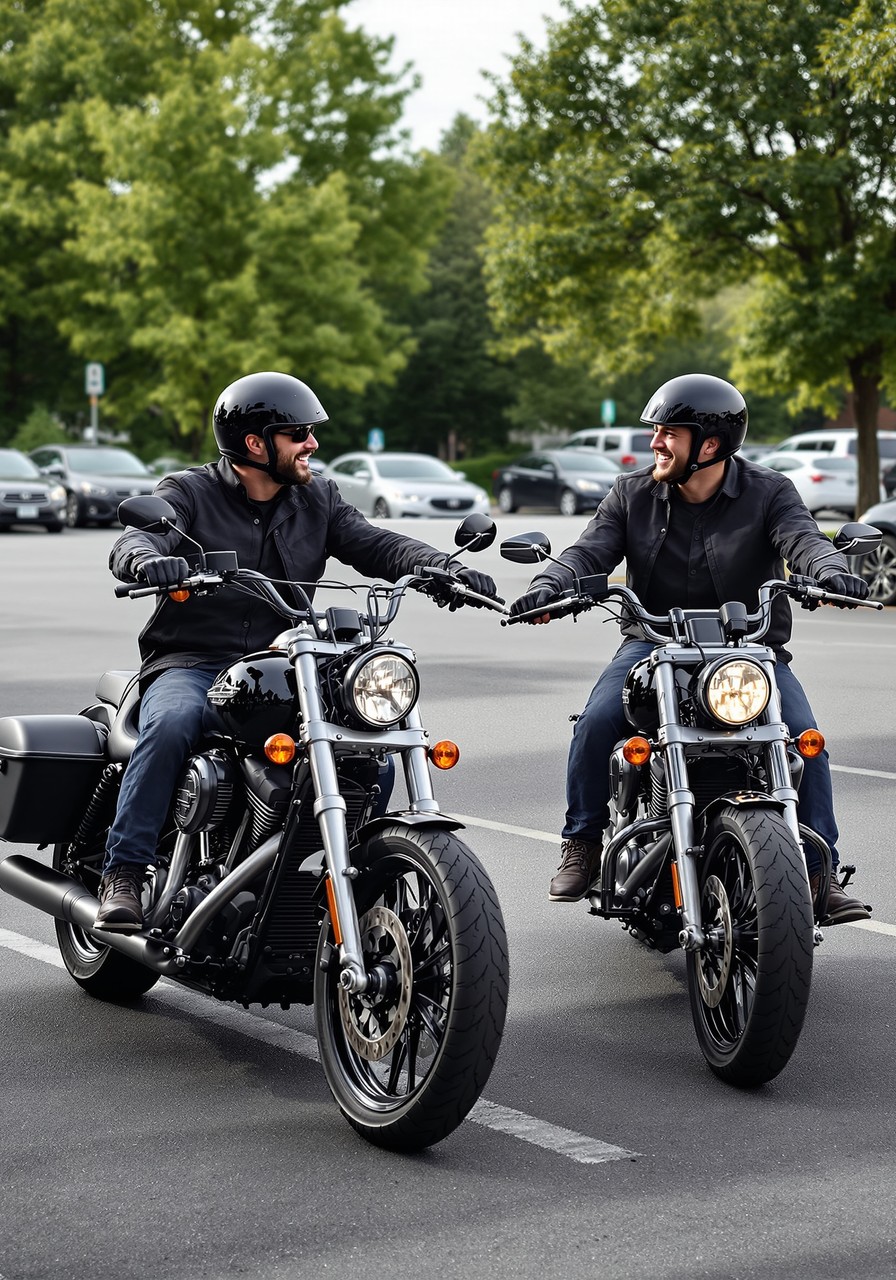
Poll: best diner at the end of a Sugarloaf ride? Nominate your spot below. #RideNationDMV #MarylandRiders #DMVriders
Giveaway & Countdown
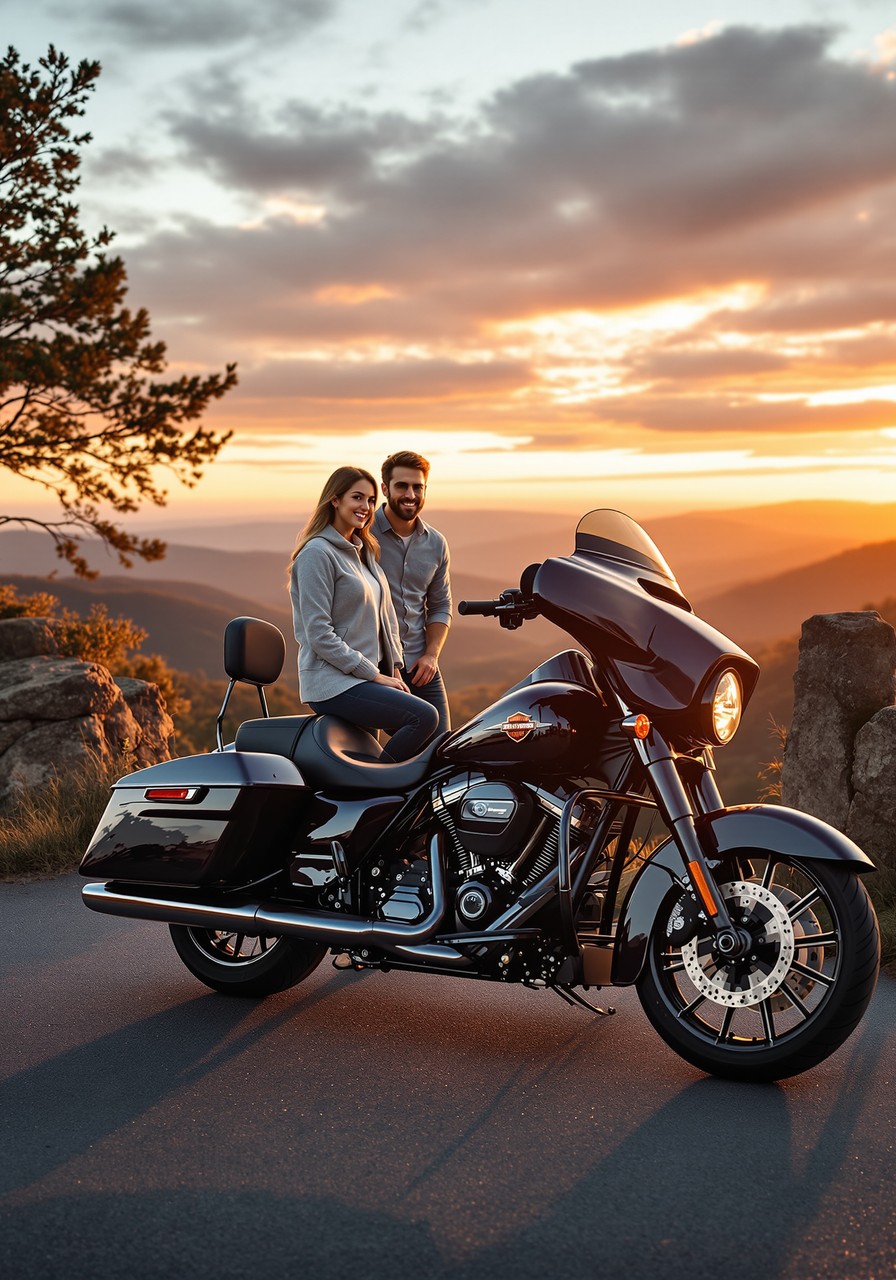
Countdown check: December 10 is closer than you think. The BikersWin $20,000 giveaway drawing is almost here. #RideNationDMV #BikersWin #20kGiveaway
Local DMV & Rides
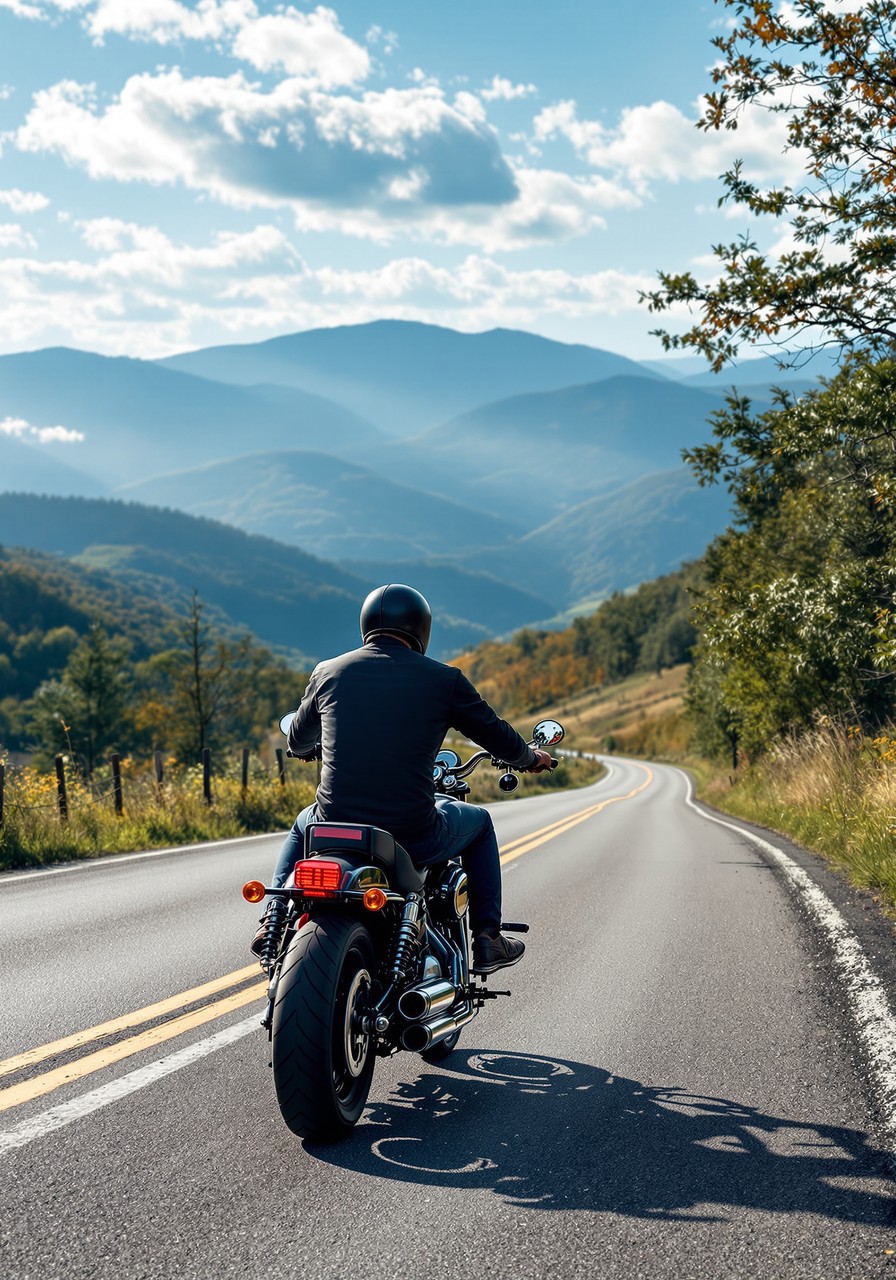
Skyline Drive limits you to 35 mph, and honestly, lean into it. Take the overlooks, breathe the air, let the valley roll by slow. Some rides aren't about speed. #RideNationDMV #SkylineDrive #Shenandoah
Gear & New Iron
Good boots, good gloves, good lid, good day. Gear up once and just enjoy the ride. #RideNationDMV #GearUp #MotorcycleGear
Safety & DMV Law
UM/UIM coverage steps in when the at-fault driver has little or no insurance. On low-limit DMV roads, it's a rider's real backstop. Call Malloy Law Offices at (888) 485-1372. #RideNationDMV #RiderRights
Engagement
Fill in the blank: My go-to DMV ride when I only have two hours is ______. #RideNationDMV #BlueRidge #NOVA
Giveaway & Countdown
Word is spreading fast across the DMV. Riders are getting entered for free in a $20K giveaway just by talking to Malloy Law Offices. #BikersWin #RideNationDMV #20kGiveaway
Local DMV & Rides
Traffic circles keep the DMV interesting. Signal early, pick your exit, and flow with it. A little rhythm and they're no trouble at all. #RideNationDMV #DMVriders #NOVA
Gear & New Iron
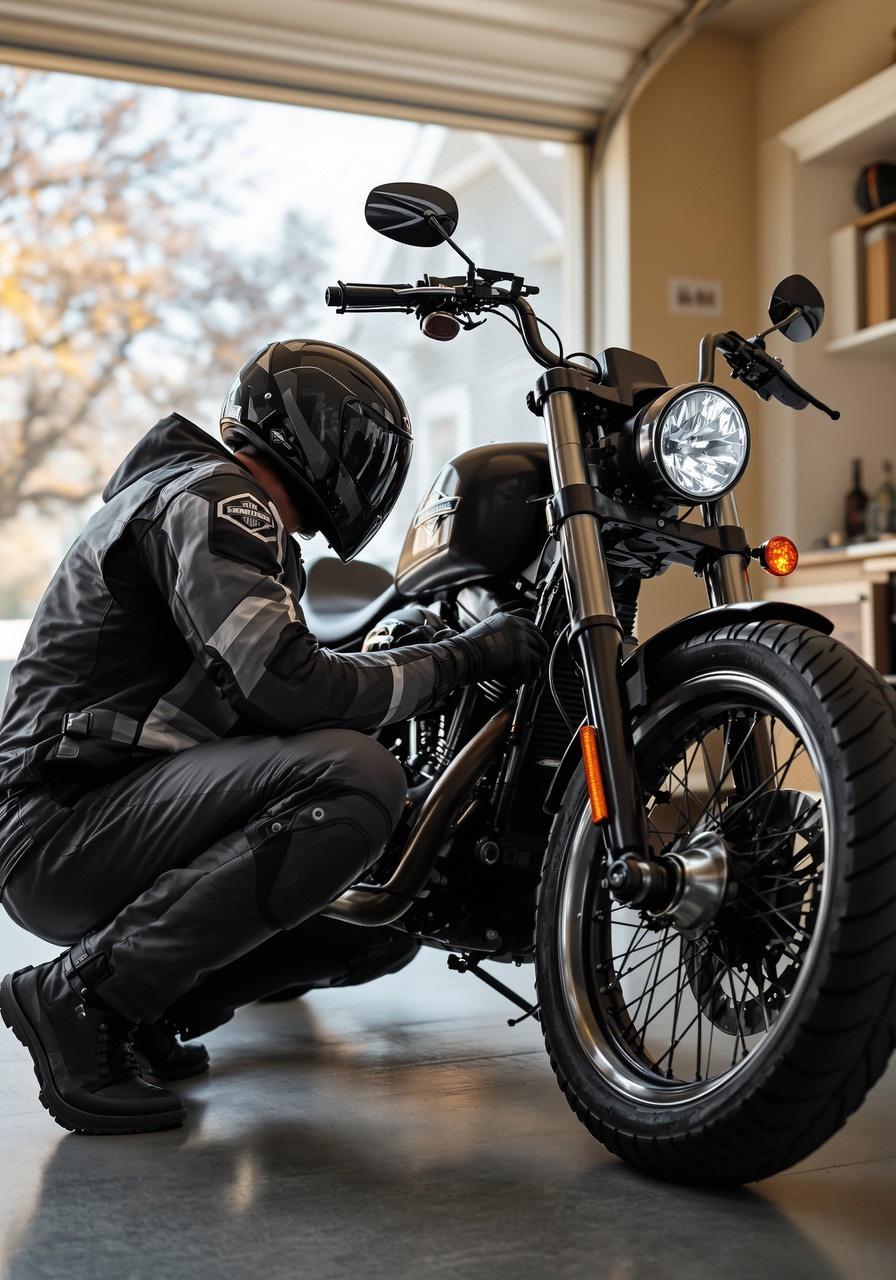
Heated gloves and a heated vest extend your season well into the DMV cold snaps. Ride warm, ride longer. #RideNationDMV #BlueRidge #GearUp
Safety & DMV Law
Resist the urge to post about your crash online. A quick photo or caption can be taken out of context later. Questions? Call Malloy Law Offices at (888) 485-1372. #RideNationDMV #RiderRights
Engagement
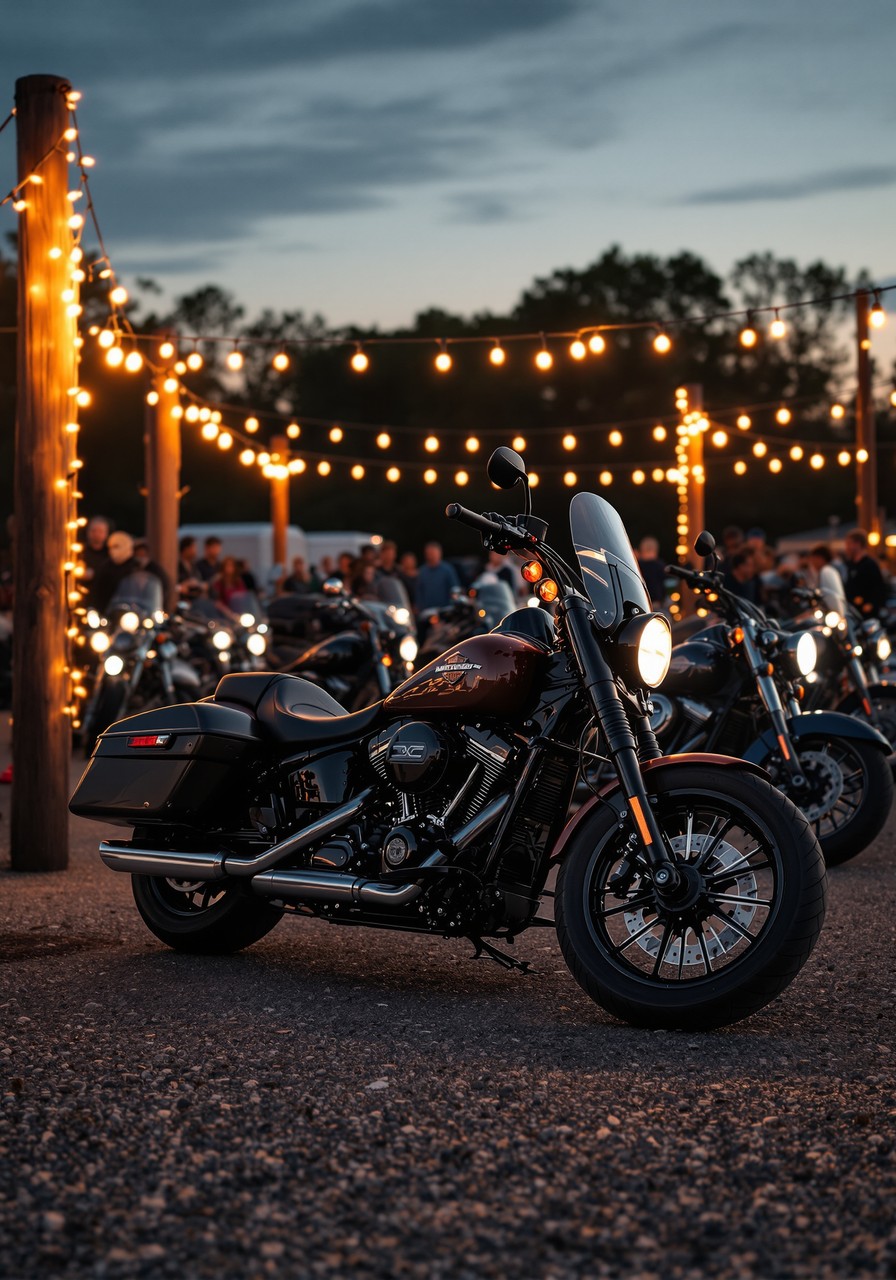
Weekend debate: is US-50 underrated or does everyone already know? Settle it in the comments. #RideNationDMV #DMVriders #MarylandRiders
Giveaway & Countdown
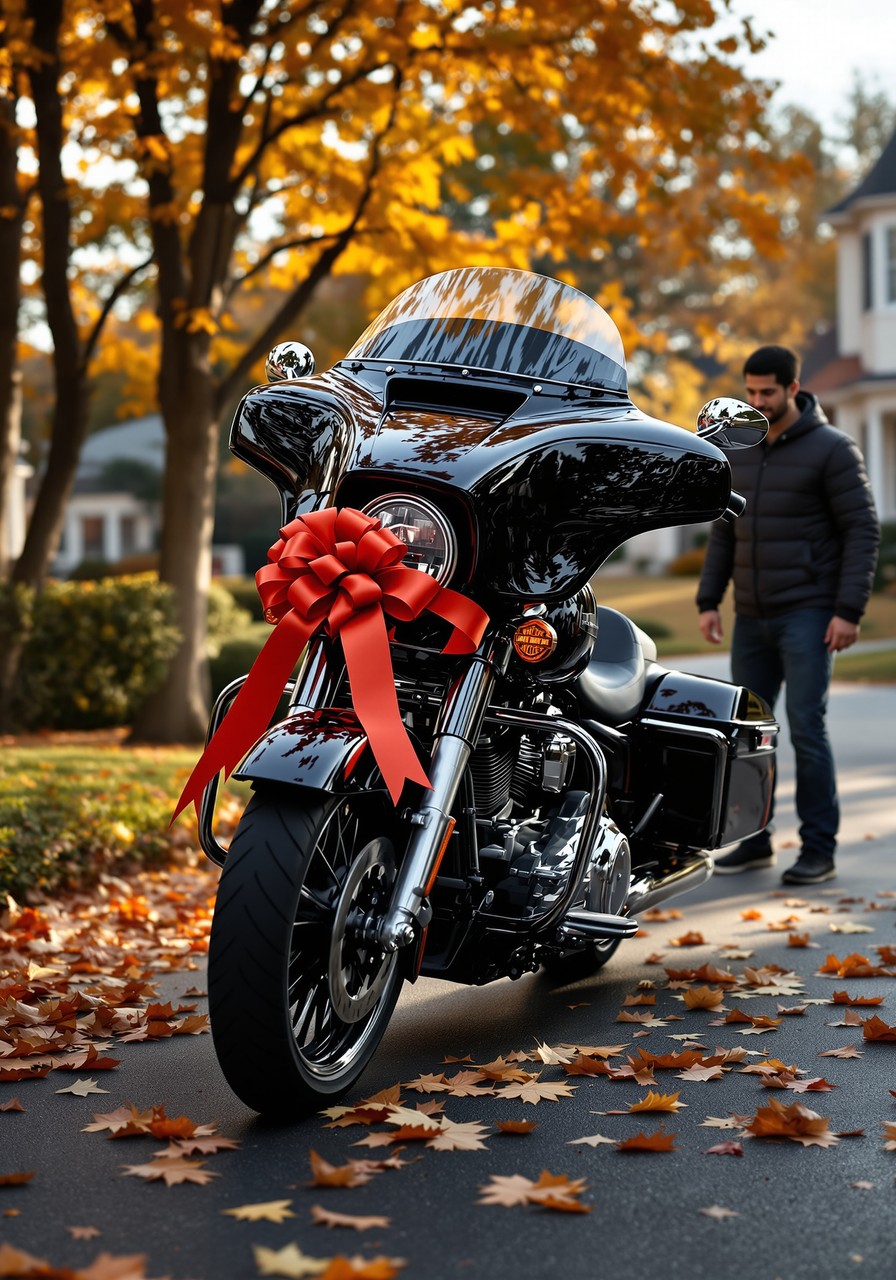
No catch, no fee. Talk to Malloy Law Offices about your motorcycle crash and you're entered in the BikersWin giveaway. Call (888) 485-1372. #RideNationDMV #BikersWin
Local DMV & Rides
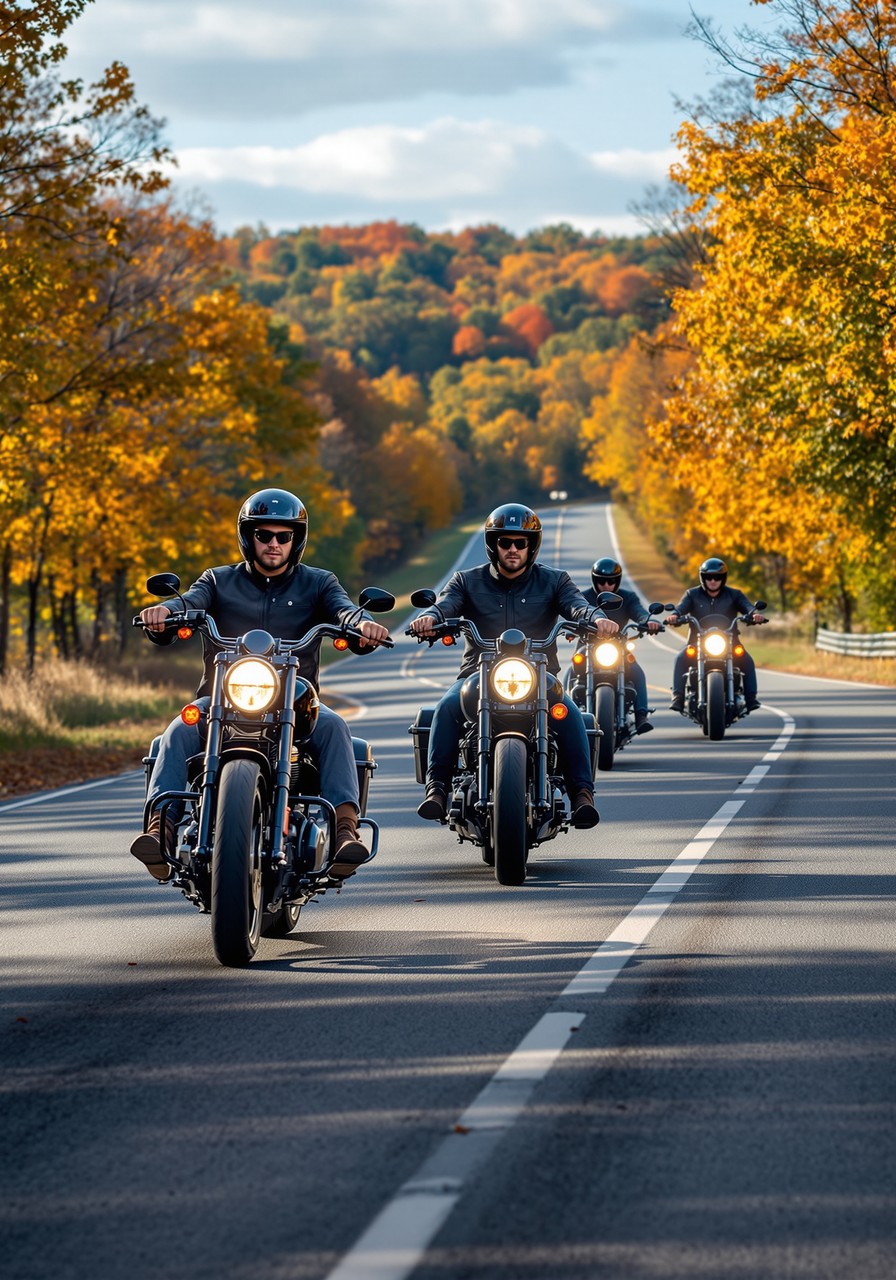
Harpers Ferry to Sugarloaf makes a gorgeous cross-state loop. River towns, ridge climbs, and farmland in between. Fuel up in Brunswick and take your time. #RideNationDMV #MarylandRiders #BlueRidge
Gear & New Iron
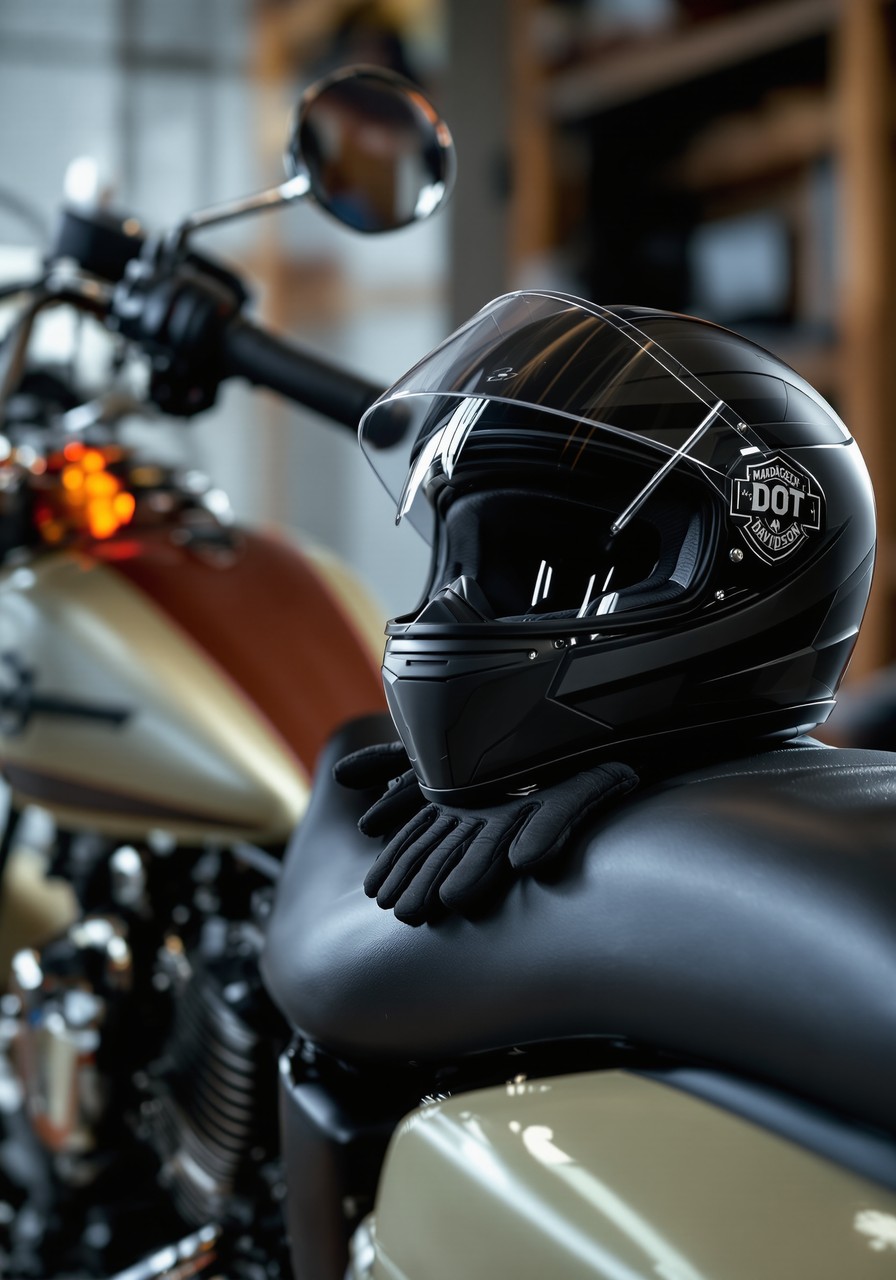
Fresh rubber transforms a bike. If your tires are squared off or cracking, new hoops are the best money you will spend. #RideNationDMV #RideSafe #MotorcycleGear
Safety & DMV Law
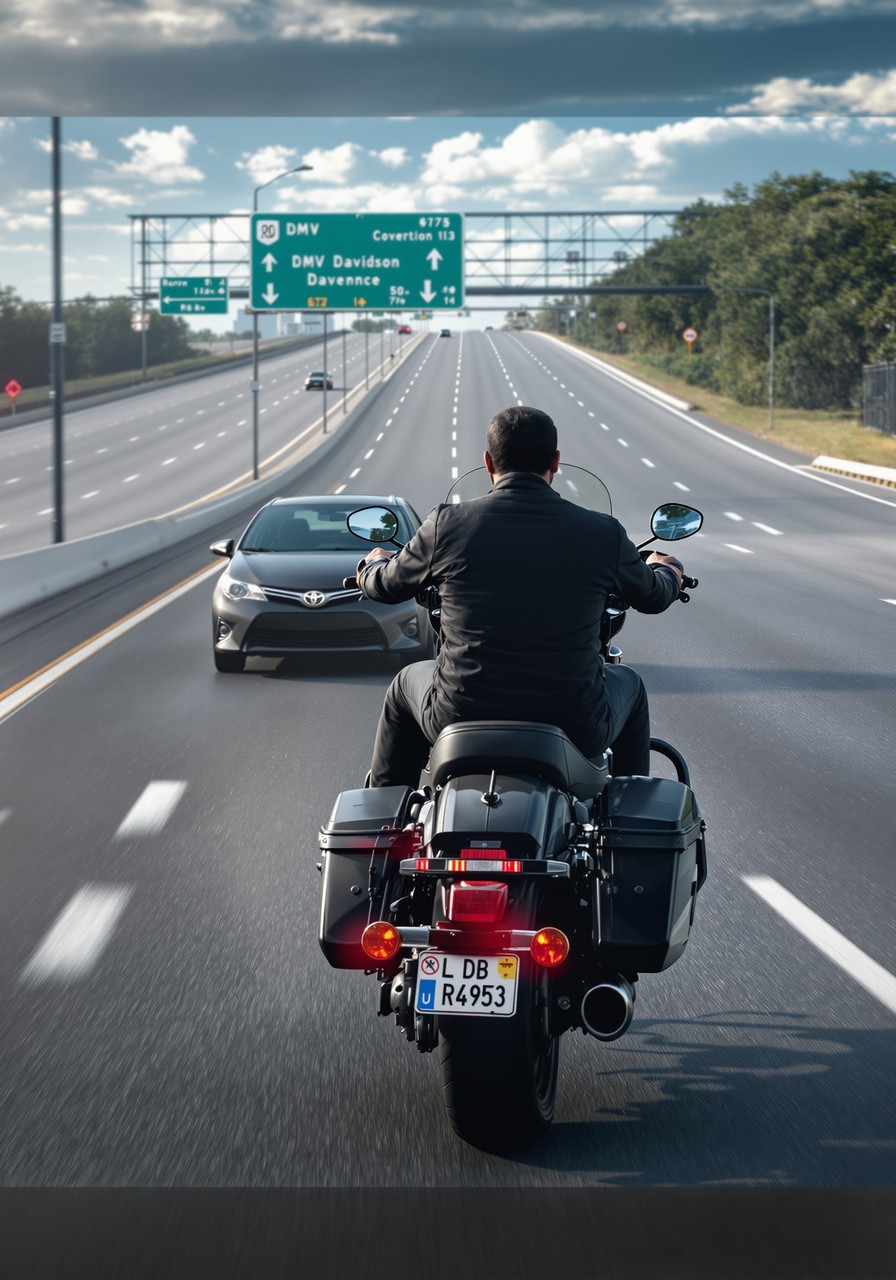
New season, cold tires. Give rubber a few miles to warm up before you lean hard on chilly DMV mornings. #RideNationDMV #RideSafe
Engagement
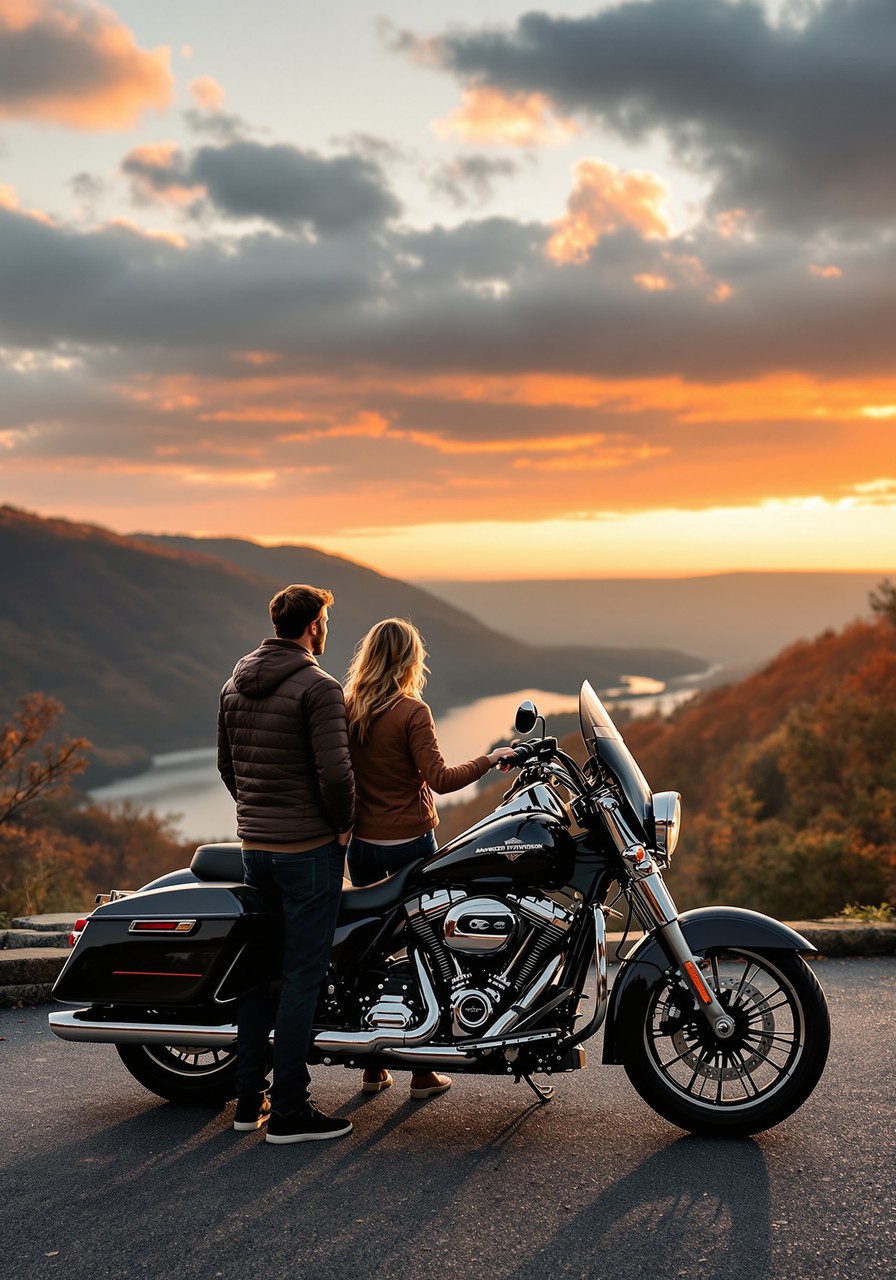
Tag your ride-or-die who never cancels, not even when the forecast looks shady. #RideNationDMV #WashingtonDC #NOVA
Giveaway & Countdown
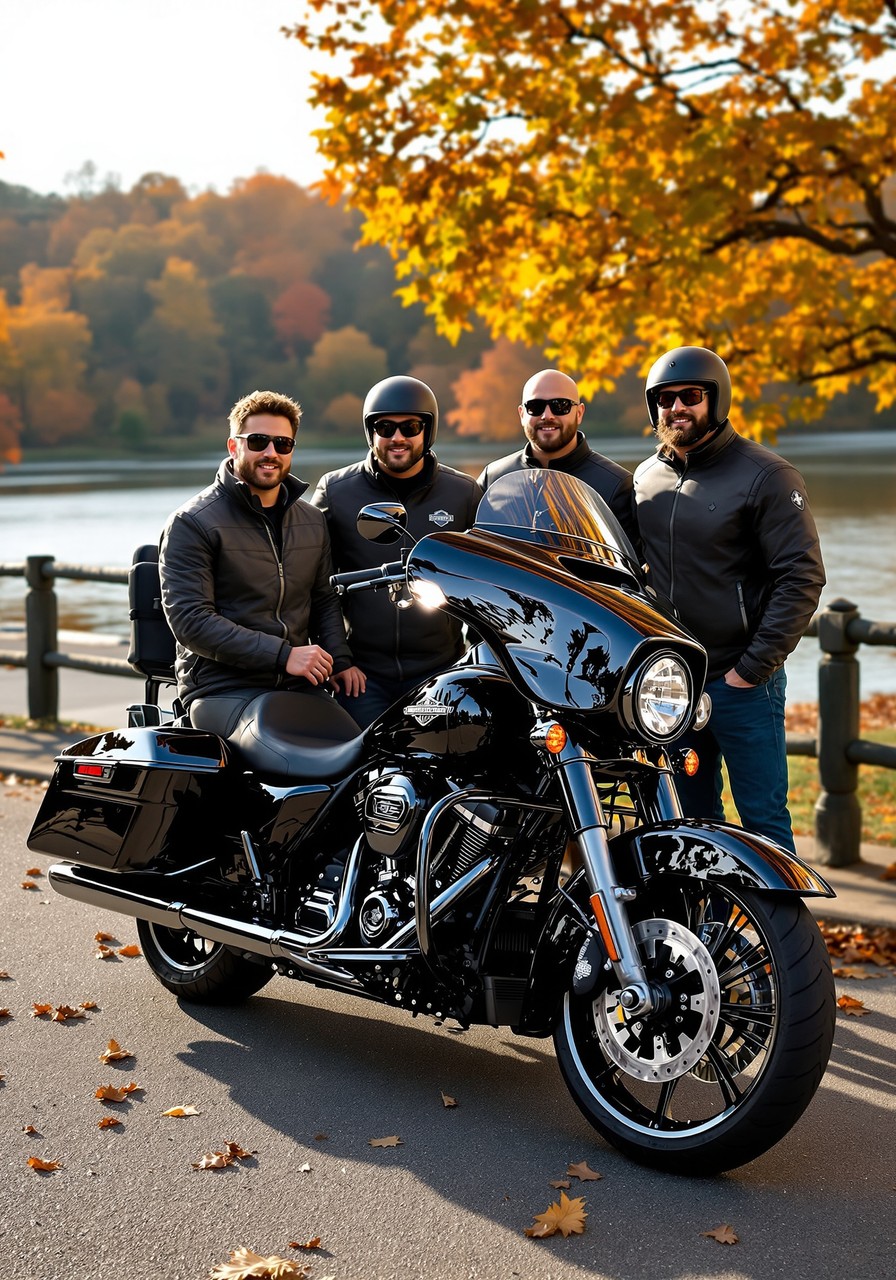
The DMV's biggest motorcycle giveaway of the year is winding toward December 10. Twenty thousand dollars, one rider. Learn more at malloy-law.com. #RideNationDMV #20kGiveaway
Local DMV & Rides
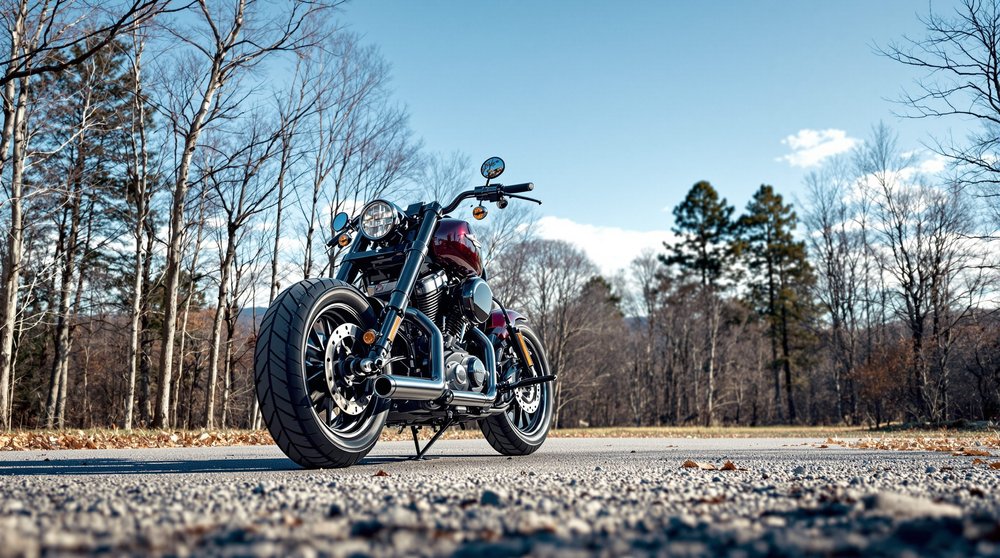
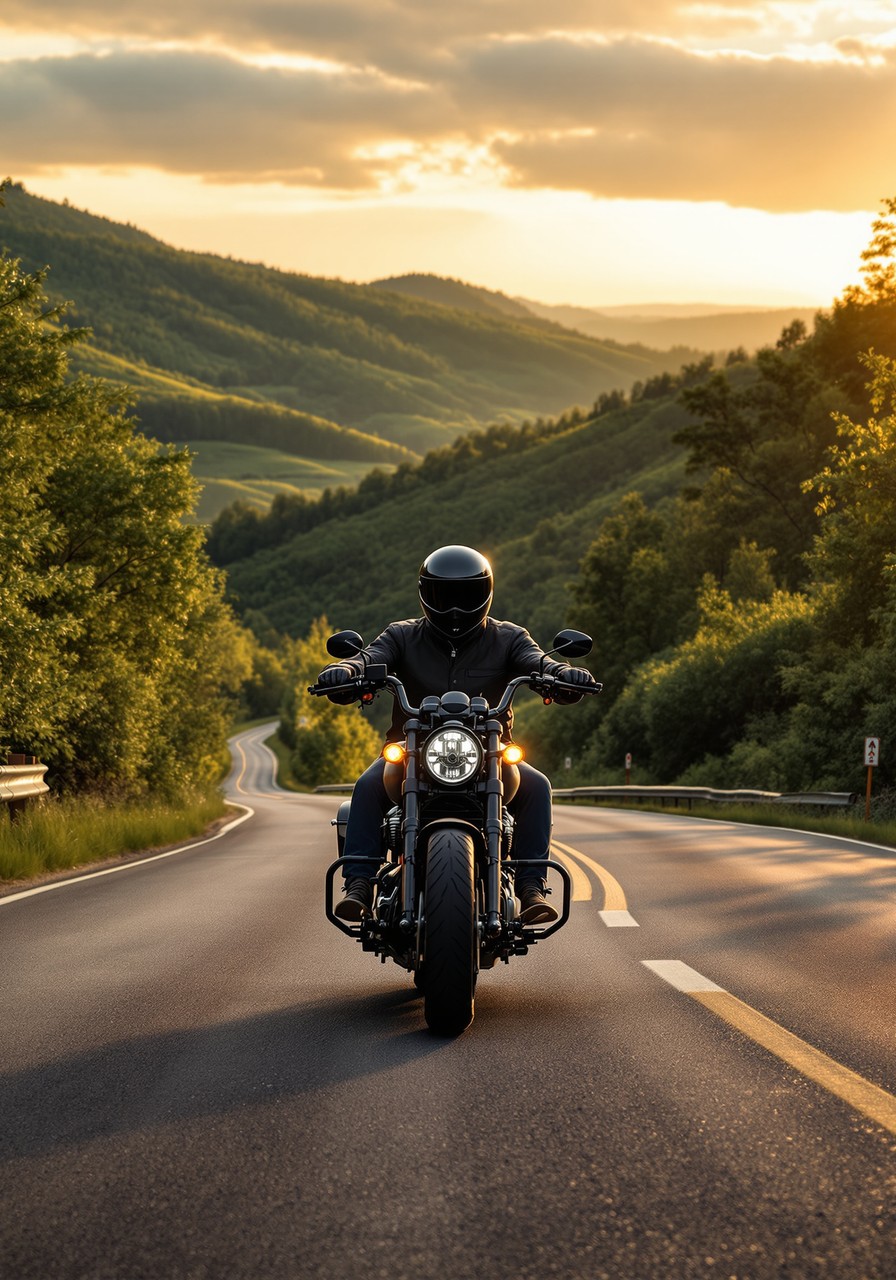
First mild day of spring? The Blue Ridge Parkway is waiting. Give the bike a once-over, check those tires, and point it toward the hills. Long winter, well earned ride. #RideNationDMV #BlueRidge #Shenandoah #DMVriders
Gear & New Iron
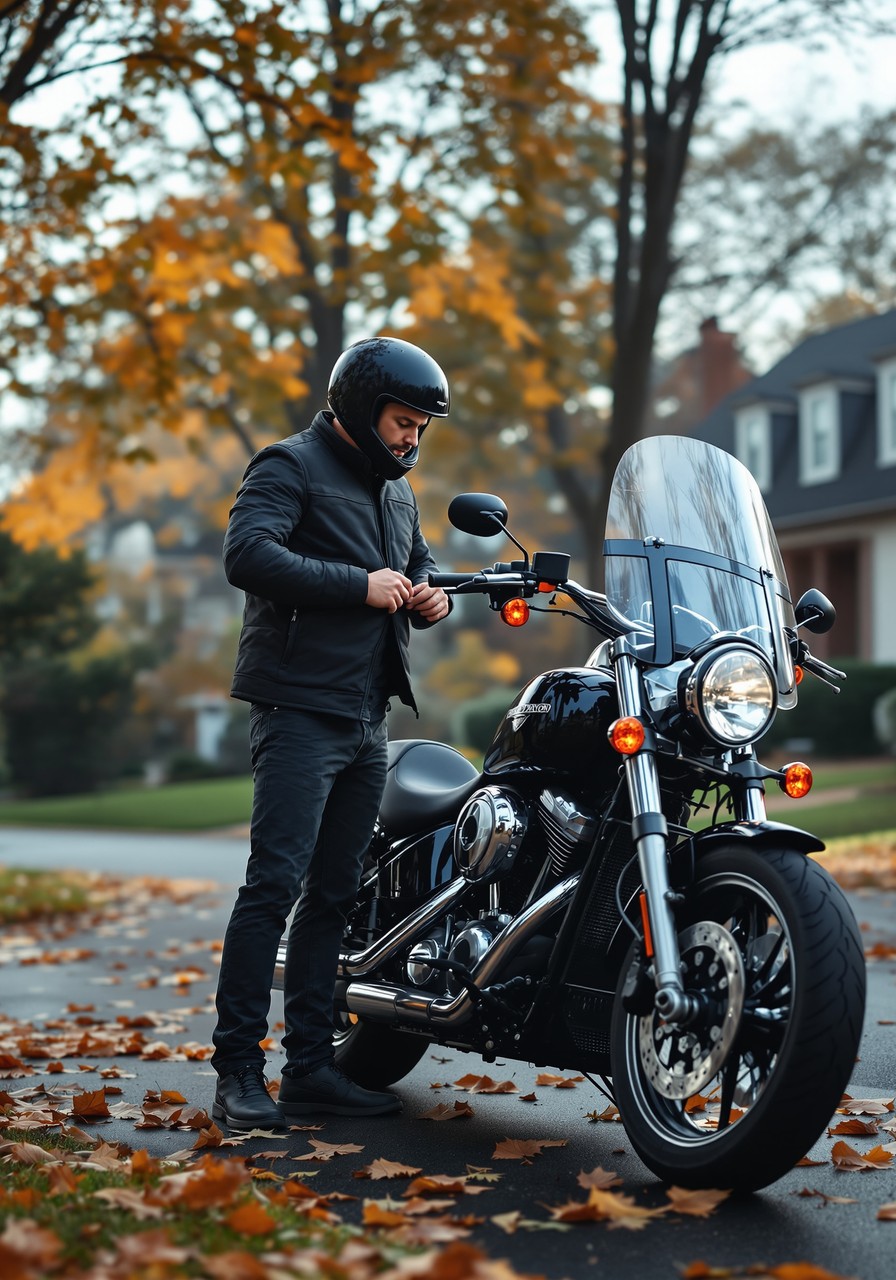
Earplugs on the highway are a quiet superpower. Less fatigue, sharper focus, longer rides. #RideNationDMV #RideSafe #GearUp
Safety & DMV Law
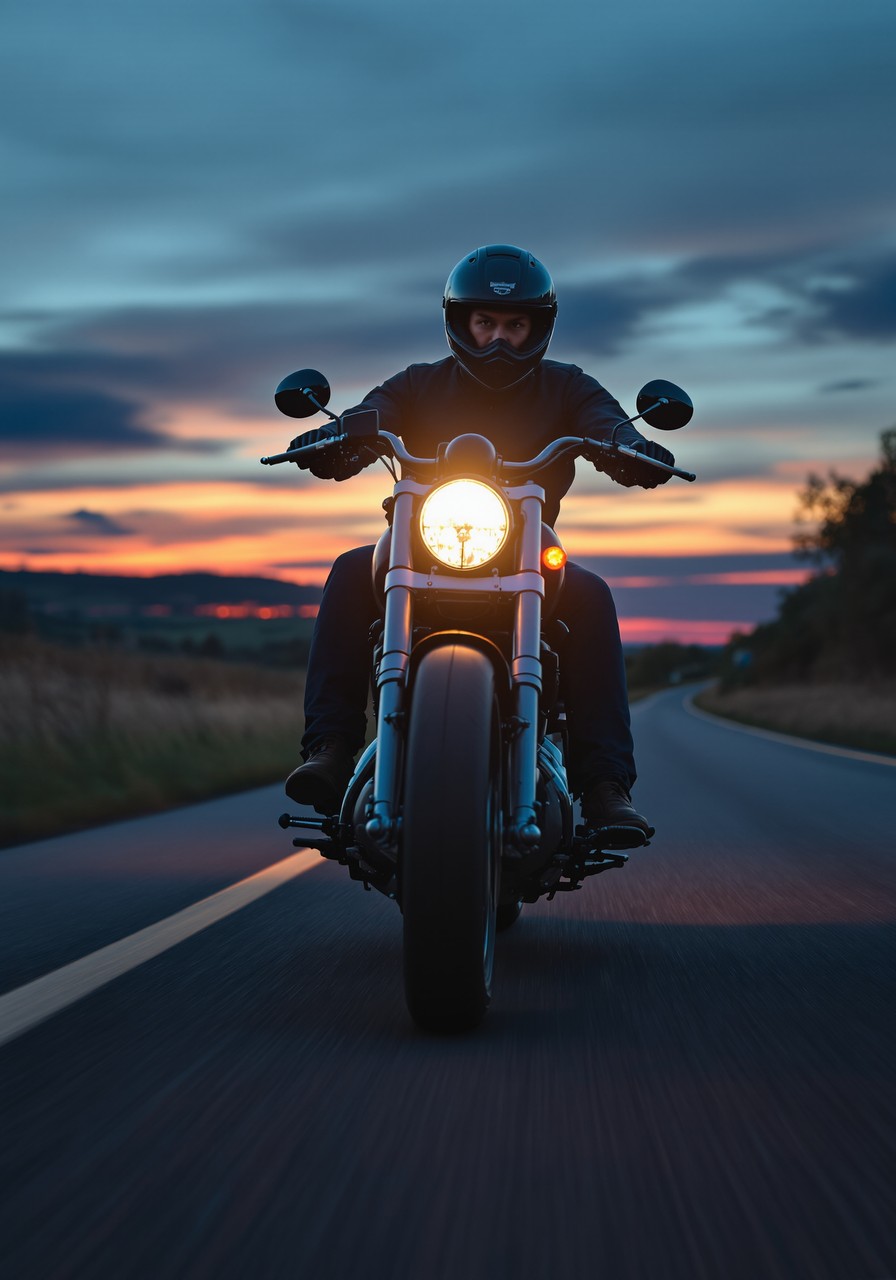
Contributory negligence is strict in DC, Maryland, and Virginia. Even a small share of fault can bar recovery, so protect the evidence. Call Malloy Law Offices at (888) 485-1372. #RideNationDMV #RiderRights
Engagement
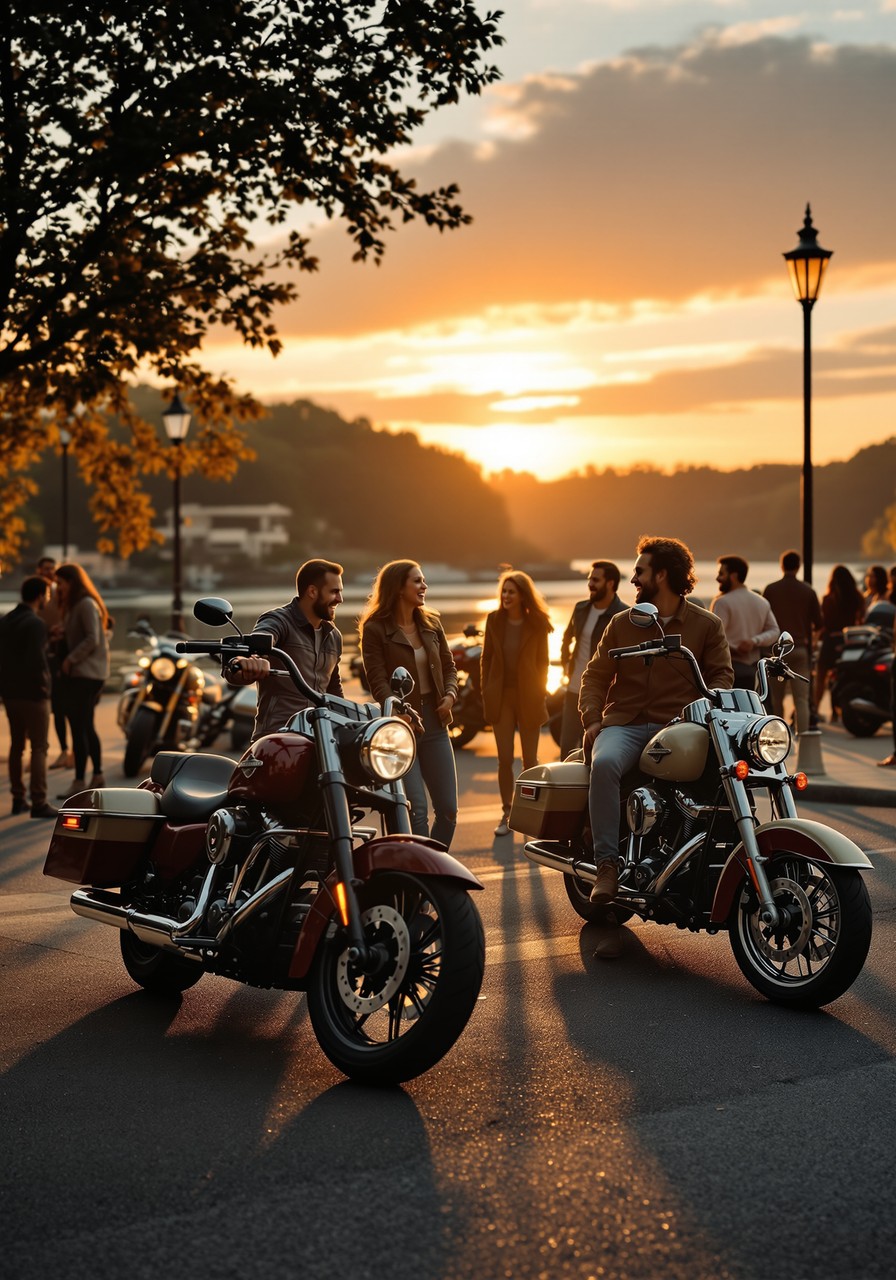
Rider confession: you check the deer-season reports more than the weather this time of year, right? #RideNationDMV #BlueRidge #MarylandRiders
Giveaway & Countdown
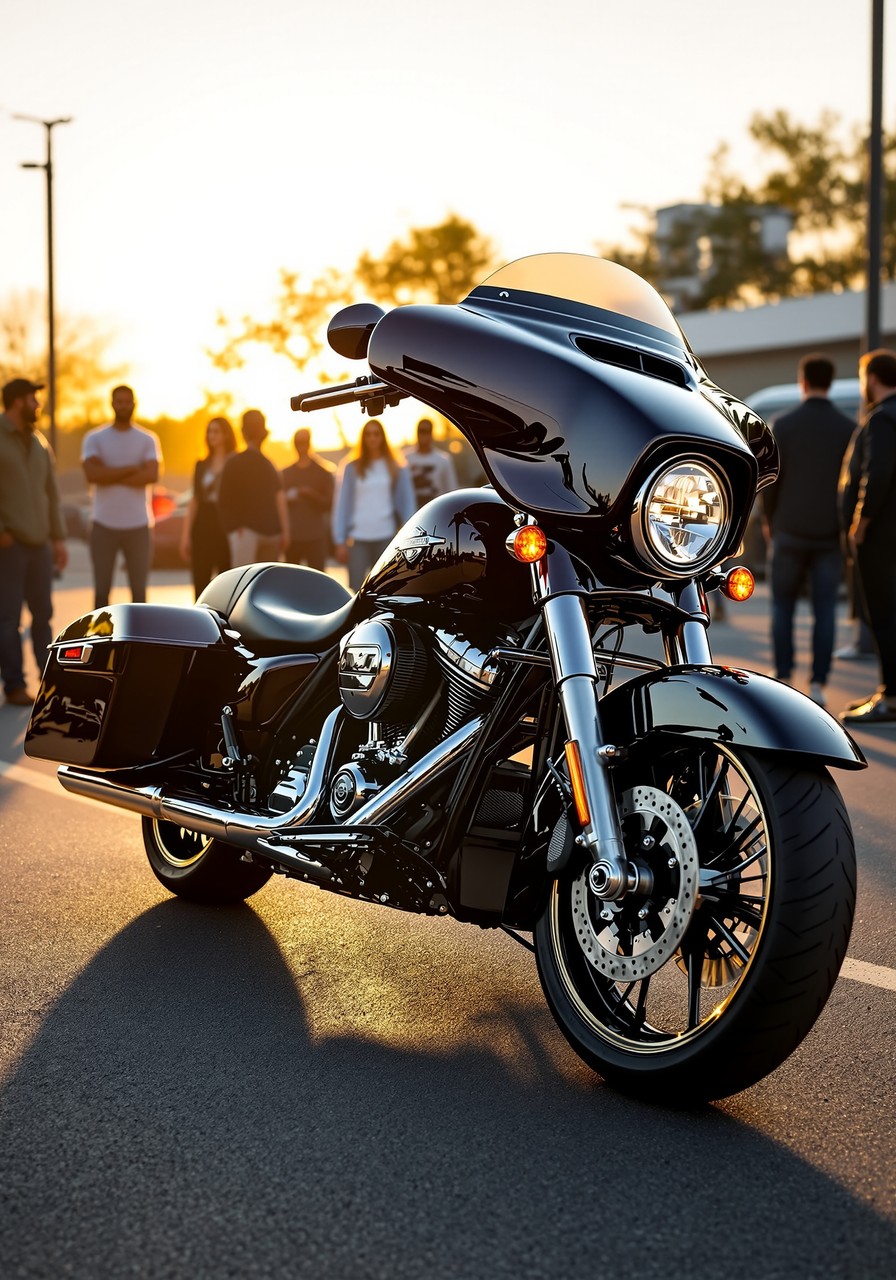
Riders, this is your reminder. The $20,000 BikersWin giveaway won't wait. Drawing day is December 10. #RideNationDMV #BikersWin #20kGiveaway
Local DMV & Rides
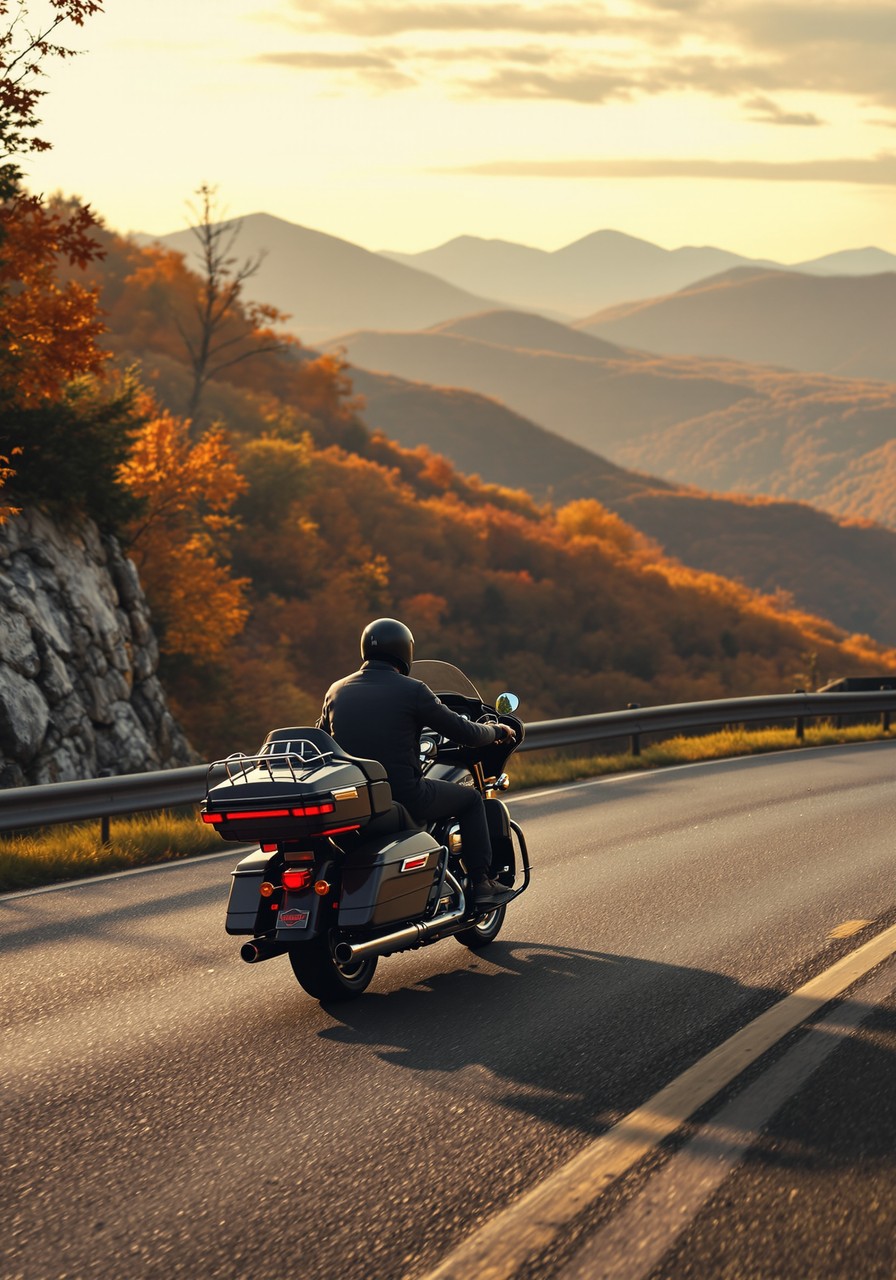
The GW Parkway at golden hour is a local gift. Potomac glowing, the skyline soft, traffic thinning out. A short ride that resets the whole week. #RideNationDMV #GWParkway #DMVriders
Gear & New Iron
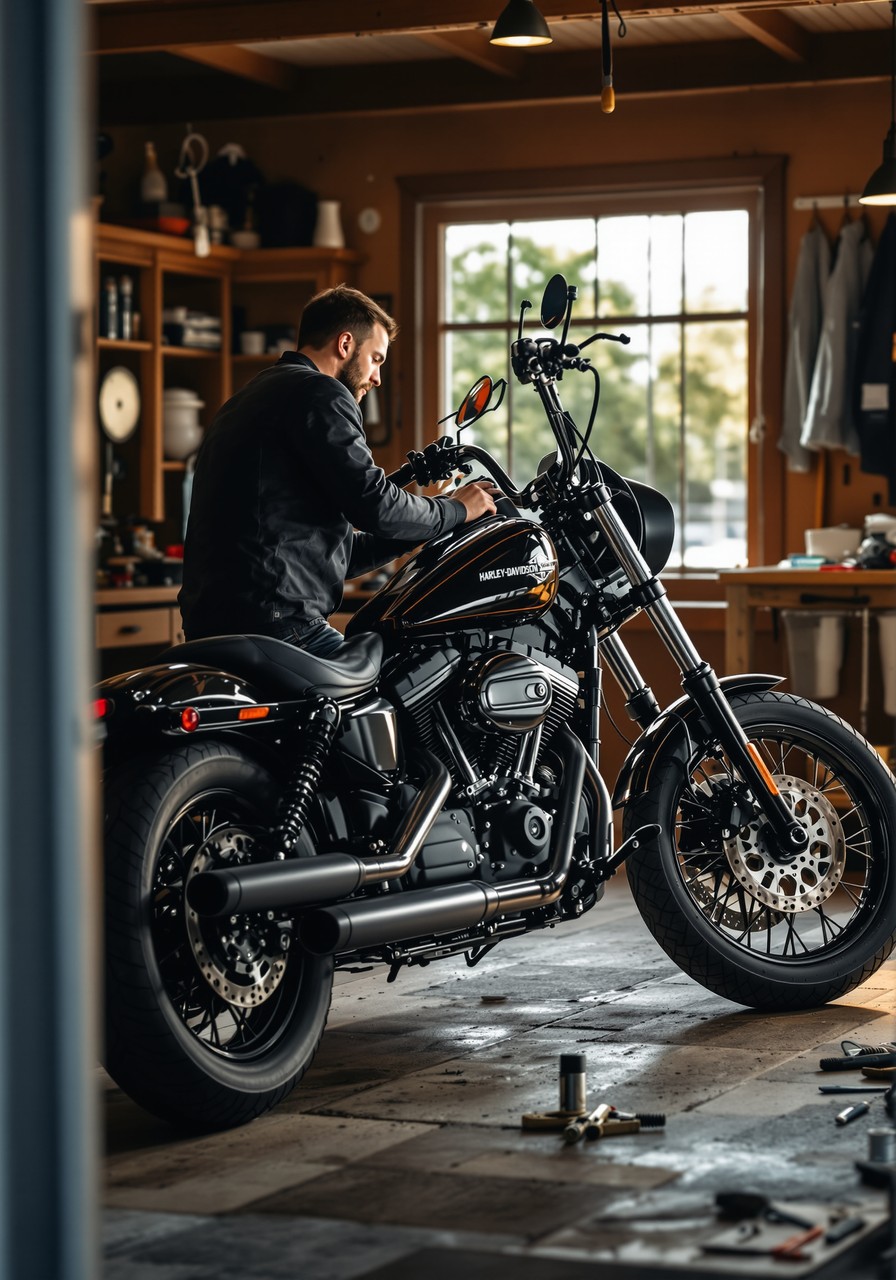
A tank bag or tail bag turns errands into ride time. Carry more, stress less. #RideNationDMV #MotorcycleGear #DMVriders
Safety & DMV Law
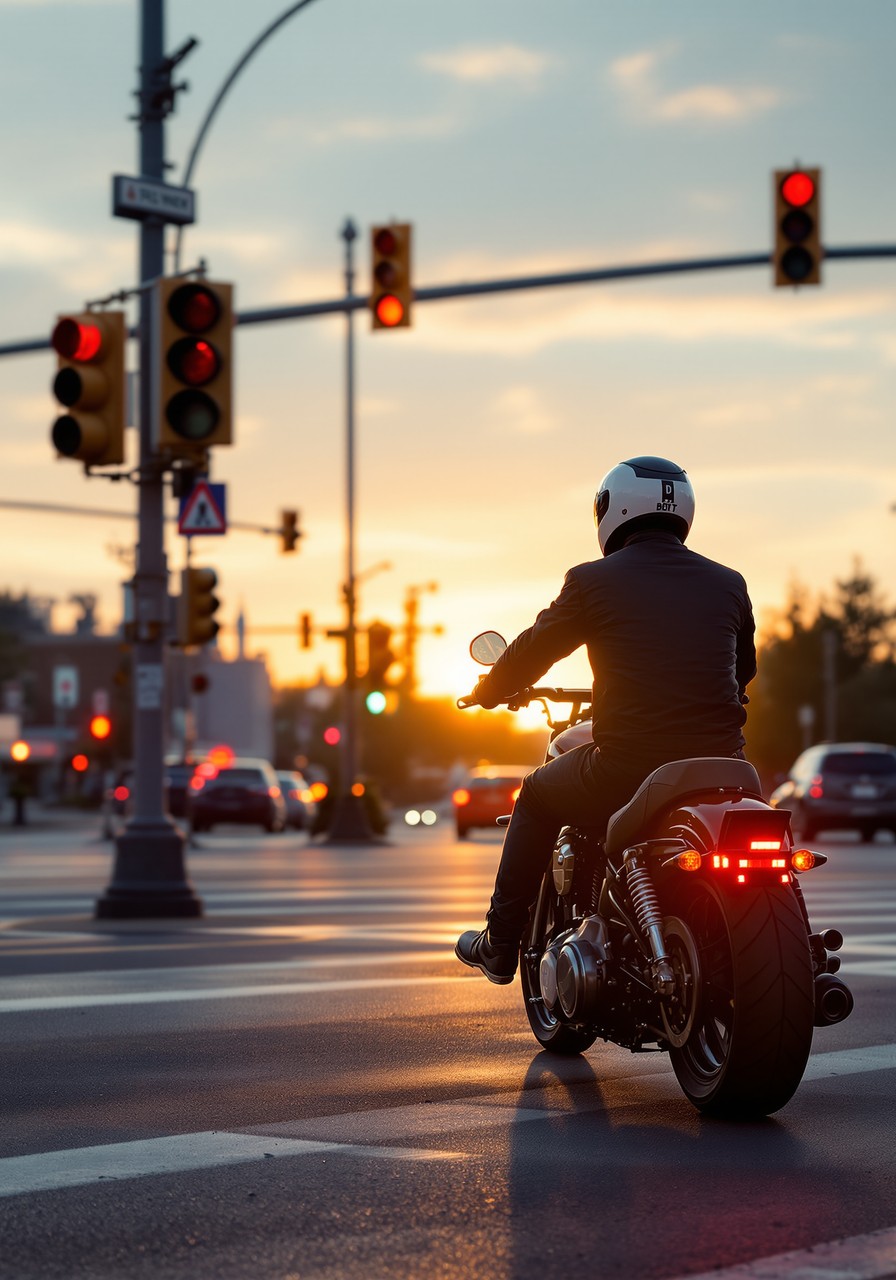
Bright gear beats dark leathers for being seen in traffic. Add reflective strips for low light and highway speeds. #RideNationDMV #NightRiding
Engagement
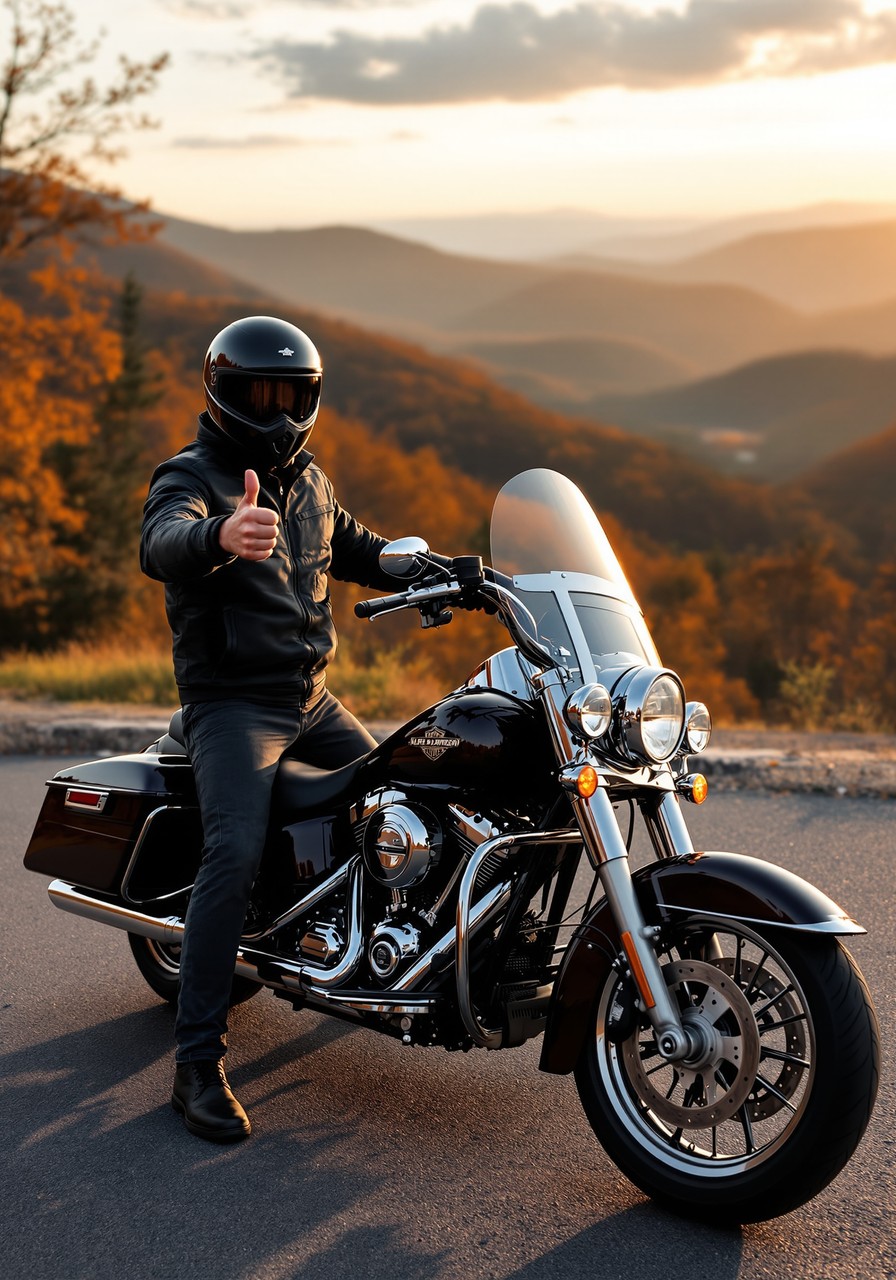
This or that: twisties on Skyline Drive or that smooth Potomac roll on the GW Parkway? Choose wisely. #RideNationDMV #SkylineDrive #GWParkway
Giveaway & Countdown
Want in on the $20K? Talk to Malloy Law Offices about your crash and get entered for free. Call (888) 485-1372 to ask how it works. #RideNationDMV #BikersWin
Local DMV & Rides
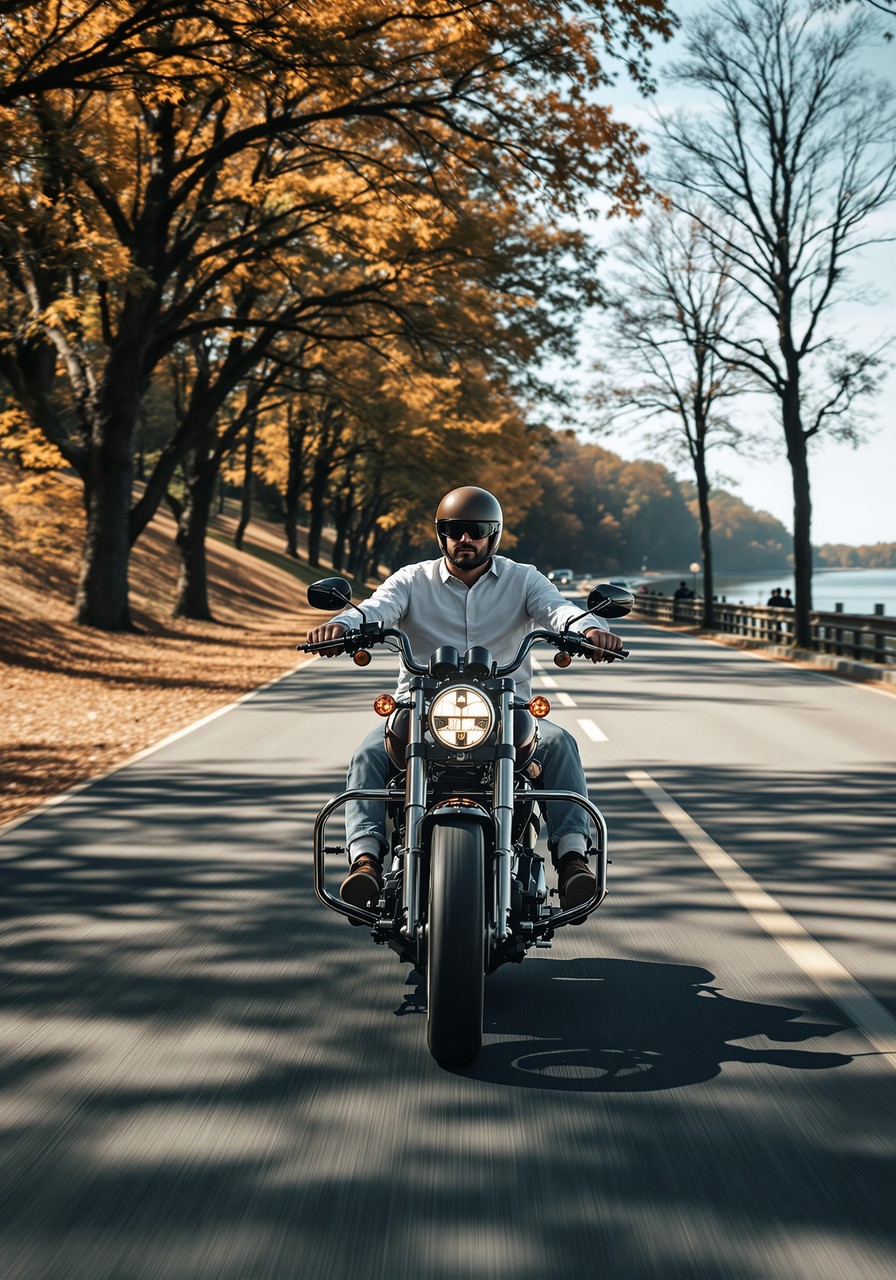
US-15 through Loudoun and up toward Frederick is pure open-road therapy. Farm stands, rolling hills, and mountains on the horizon. Grab cider on the way back. #RideNationDMV #NOVA #MarylandRiders
Gear & New Iron
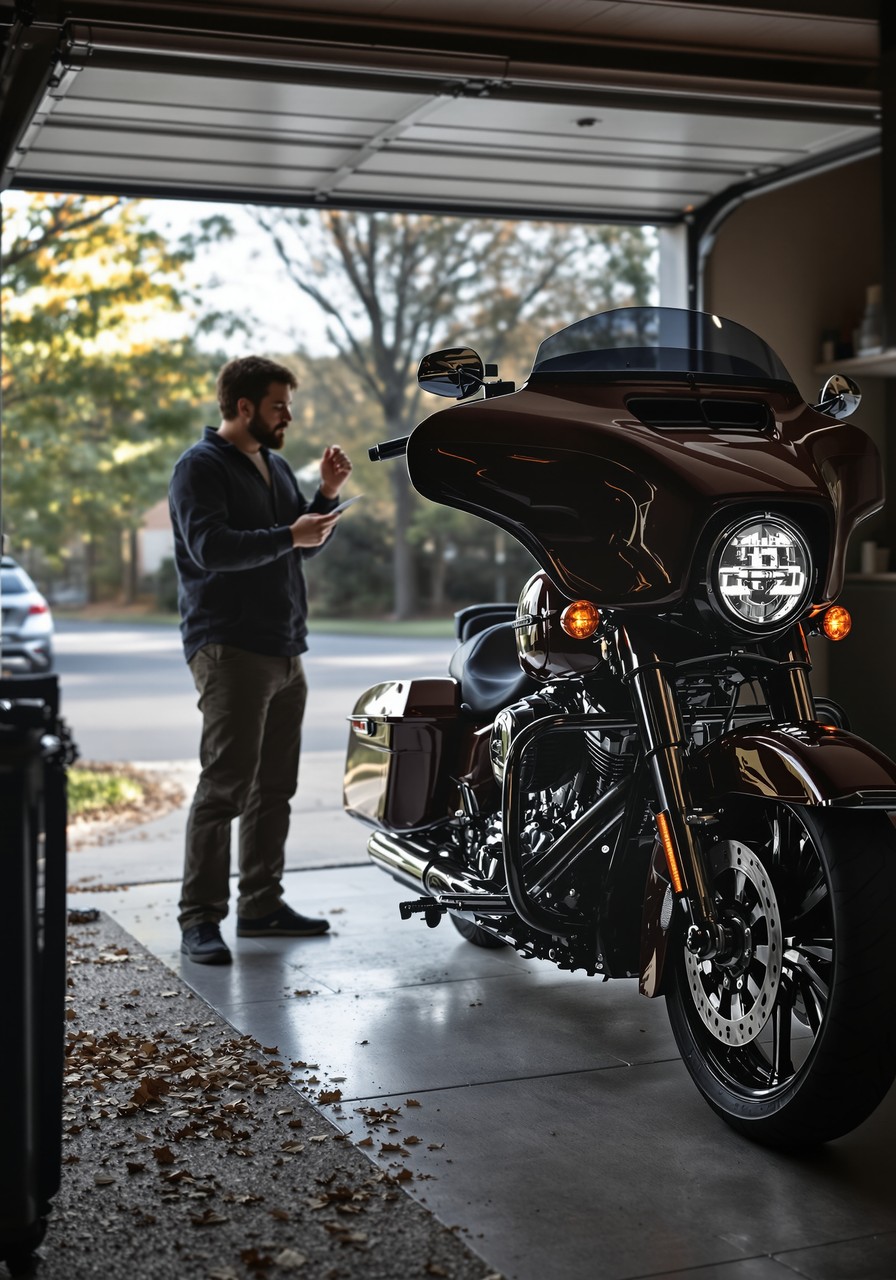
All three DMV jurisdictions require a helmet, so make yours one you are proud to wear. Fit, comfort, safety, style. #RideNationDMV #ATGATT #RideSafe
Safety & DMV Law
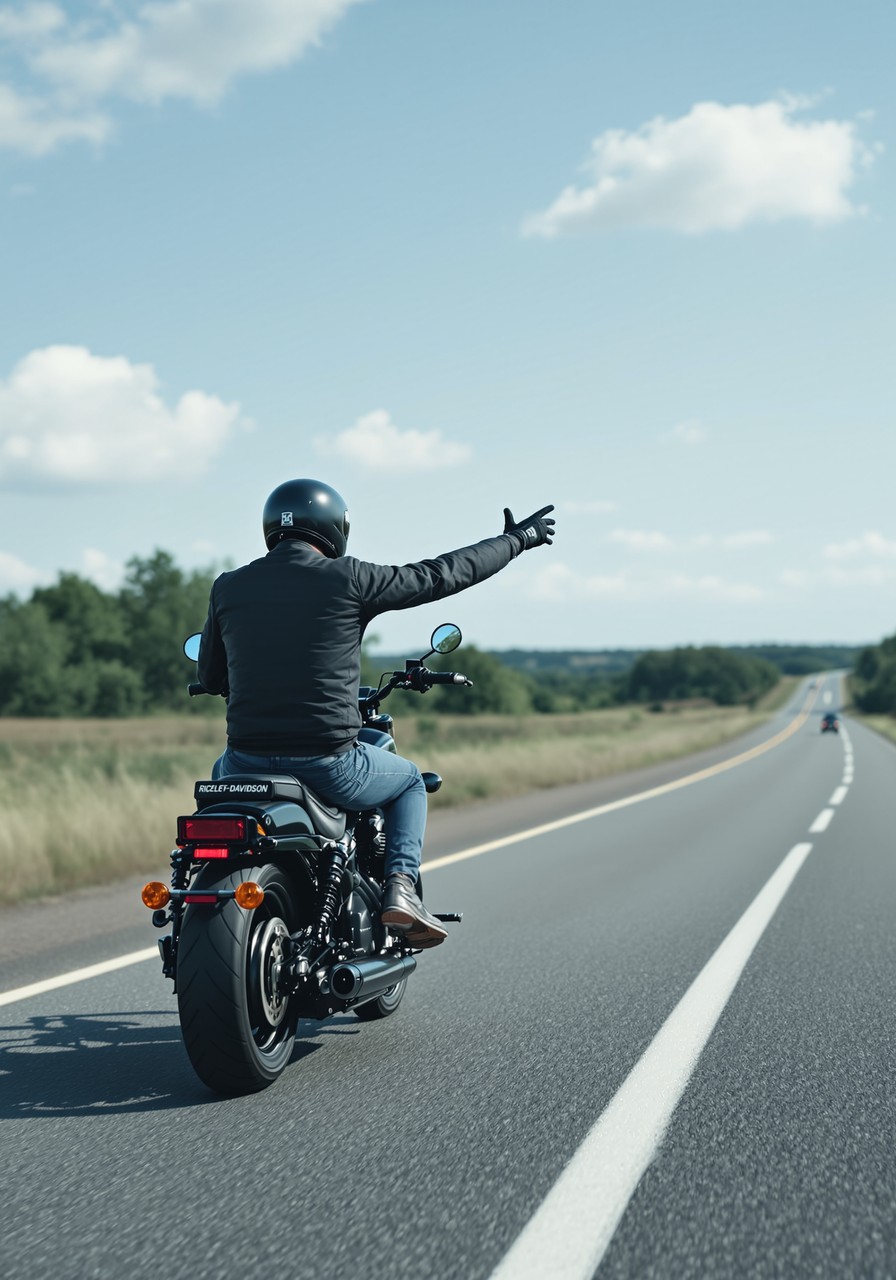
See a doctor after a crash even if you feel okay. Some injuries show up days later, and the record can matter. Questions? Call Malloy Law Offices at (888) 485-1372. #RideNationDMV #AfterACrash
Engagement
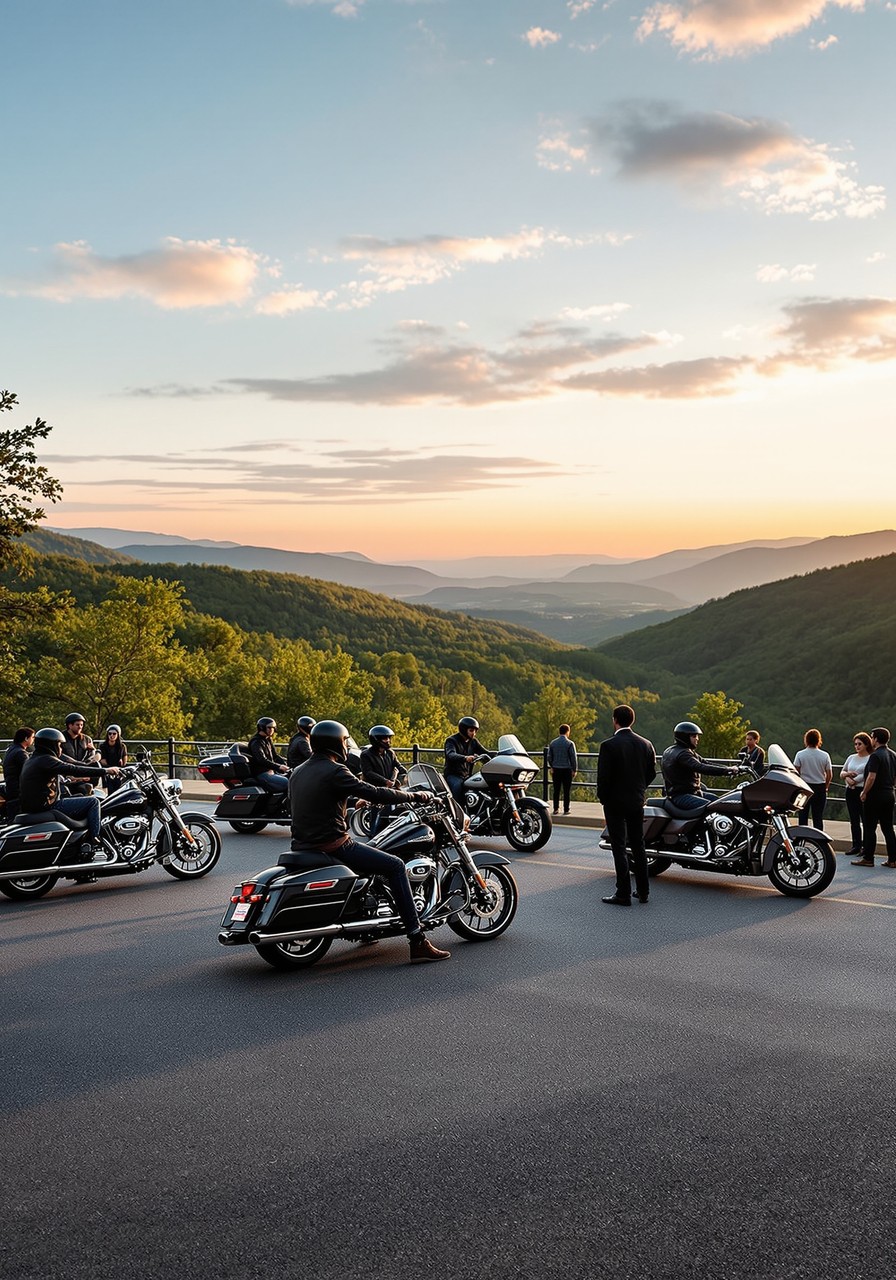
Caption this: the group photo where everyone is squinting into the Blue Ridge sun. Give it a title. #RideNationDMV #BlueRidge #DMVriders
Giveaway & Countdown
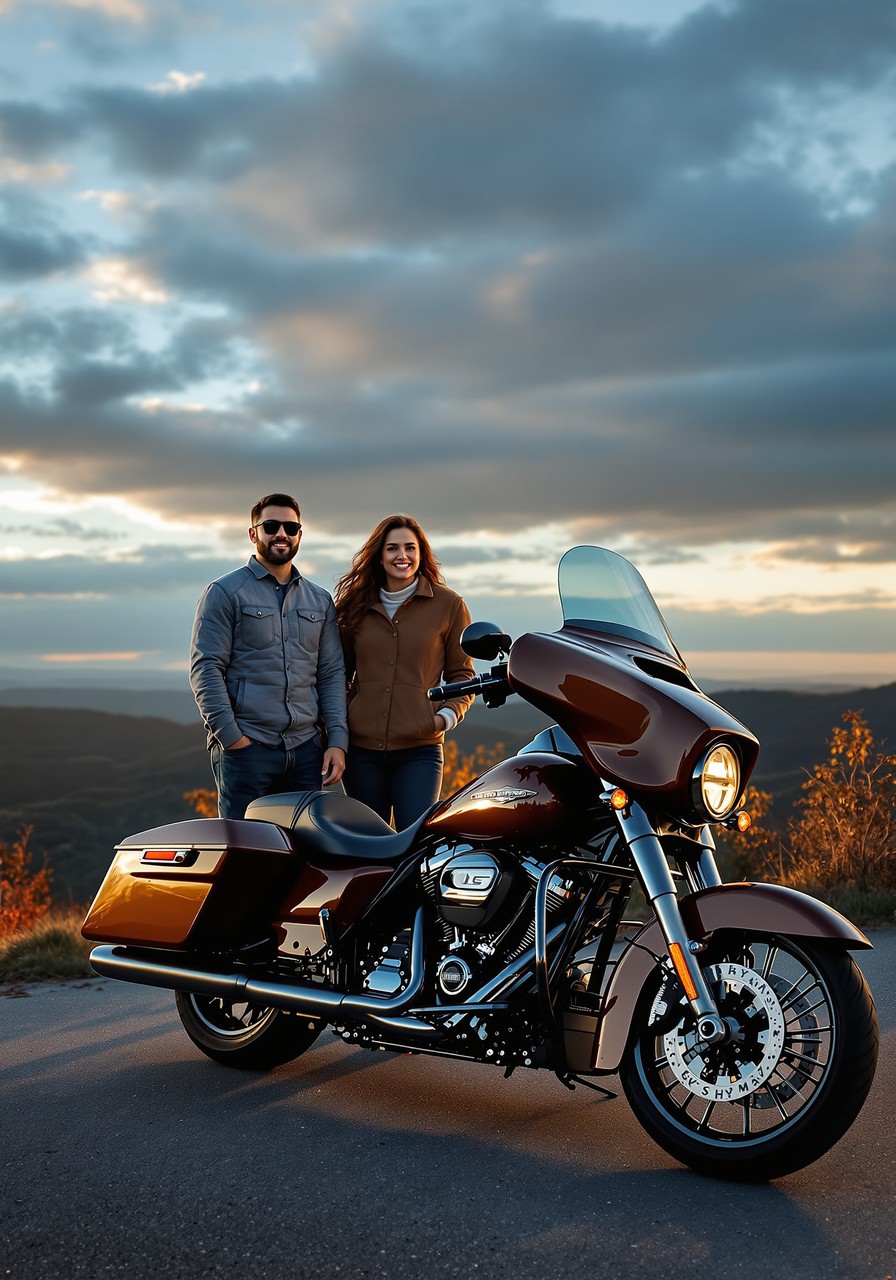
From Maryland to Virginia to DC, the whole region is watching December 10. The BikersWin $20,000 giveaway is almost here. #RideNationDMV #20kGiveaway #BikersWin
Local DMV & Rides
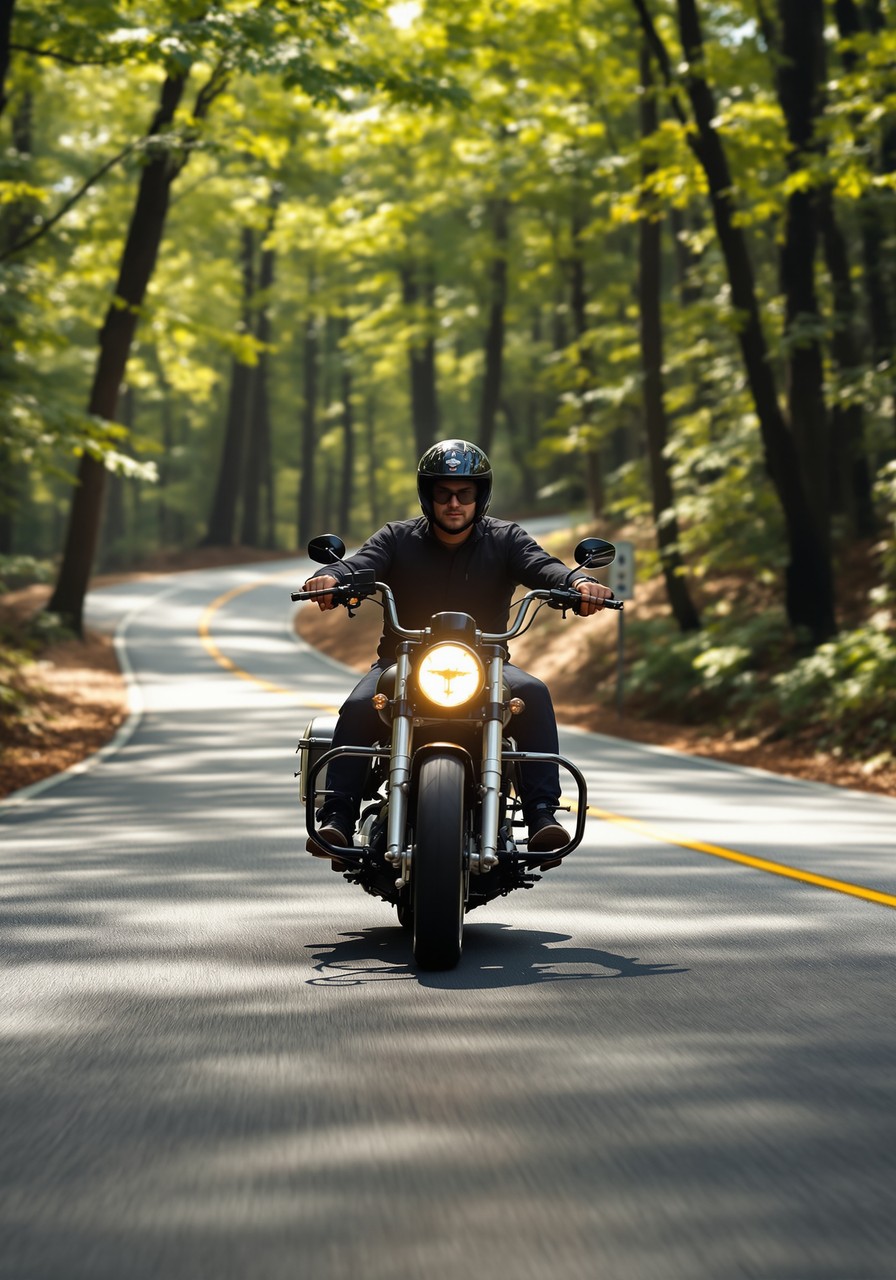
Mild-to-icy DMV winters mean watching the bridges and overpasses first. They freeze before the roads do, even on a sunny afternoon. Ride the warm hours and stay smooth. #RideNationDMV #DMVriders #MarylandRiders
Gear & New Iron
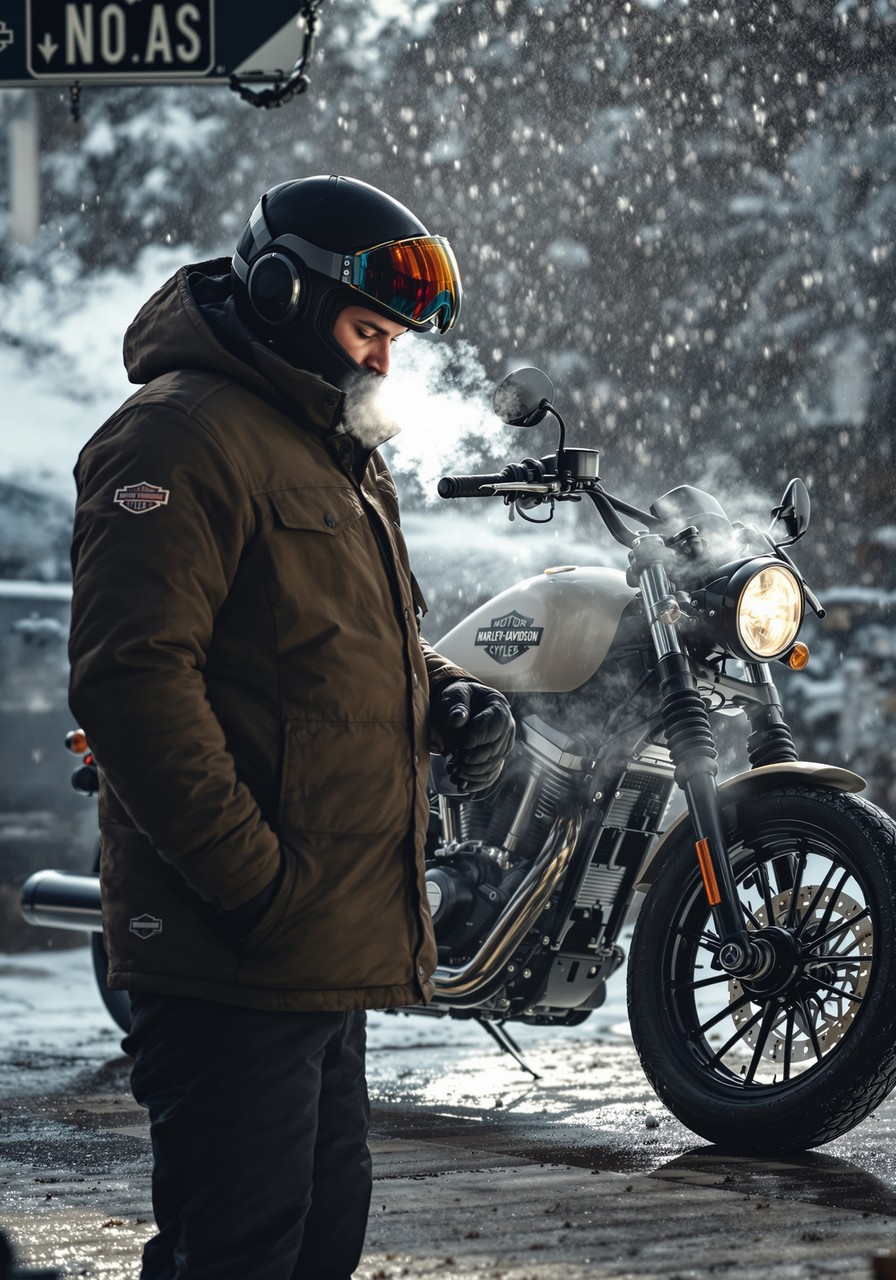
Brake pads are your best friends. Check thickness now and never learn their limits the hard way. #RideNationDMV #RideSafe #MotorcycleGear
Safety & DMV Law
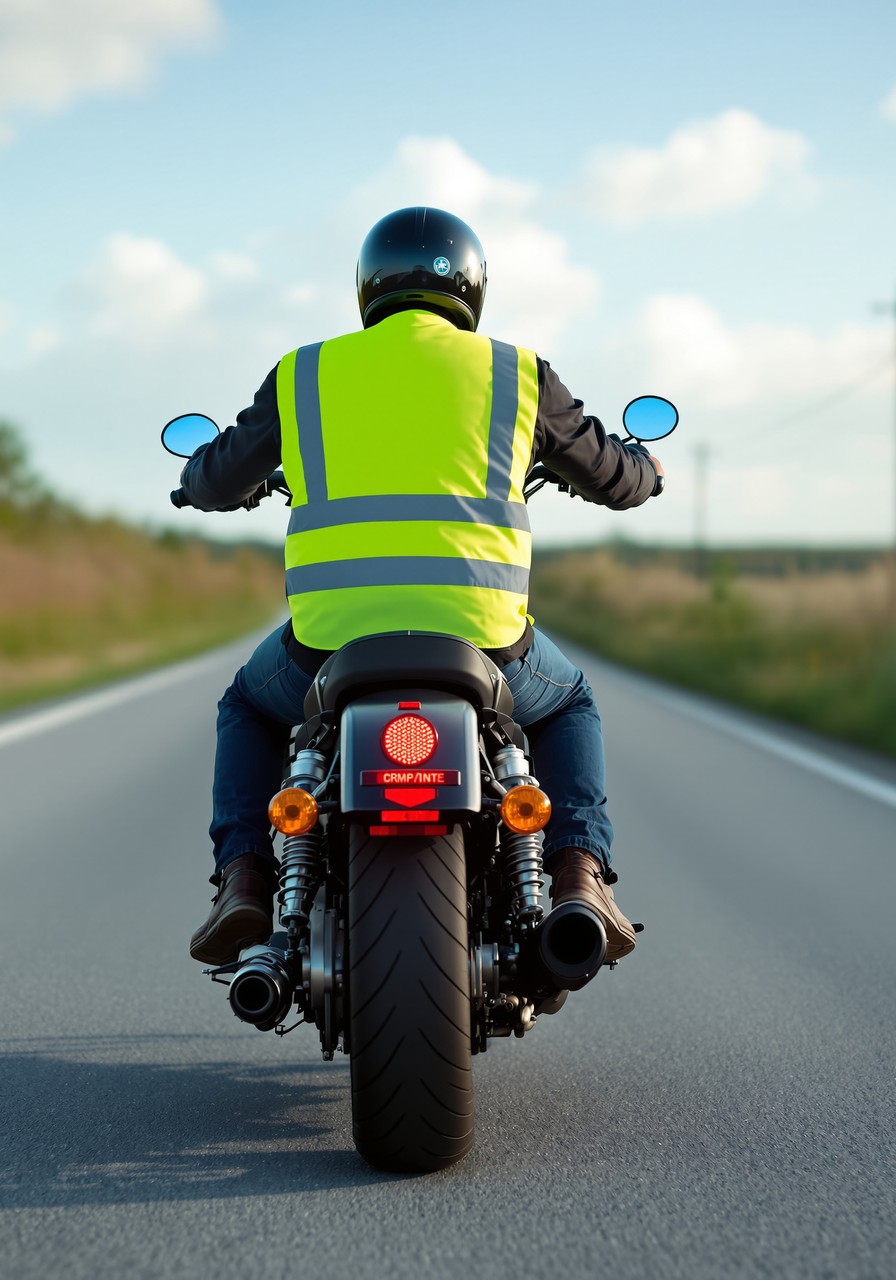
Watch for drivers turning across your path at gaps and driveways. Cover the brakes and set up an out before you need it. #RideNationDMV #SMIDSY
Engagement
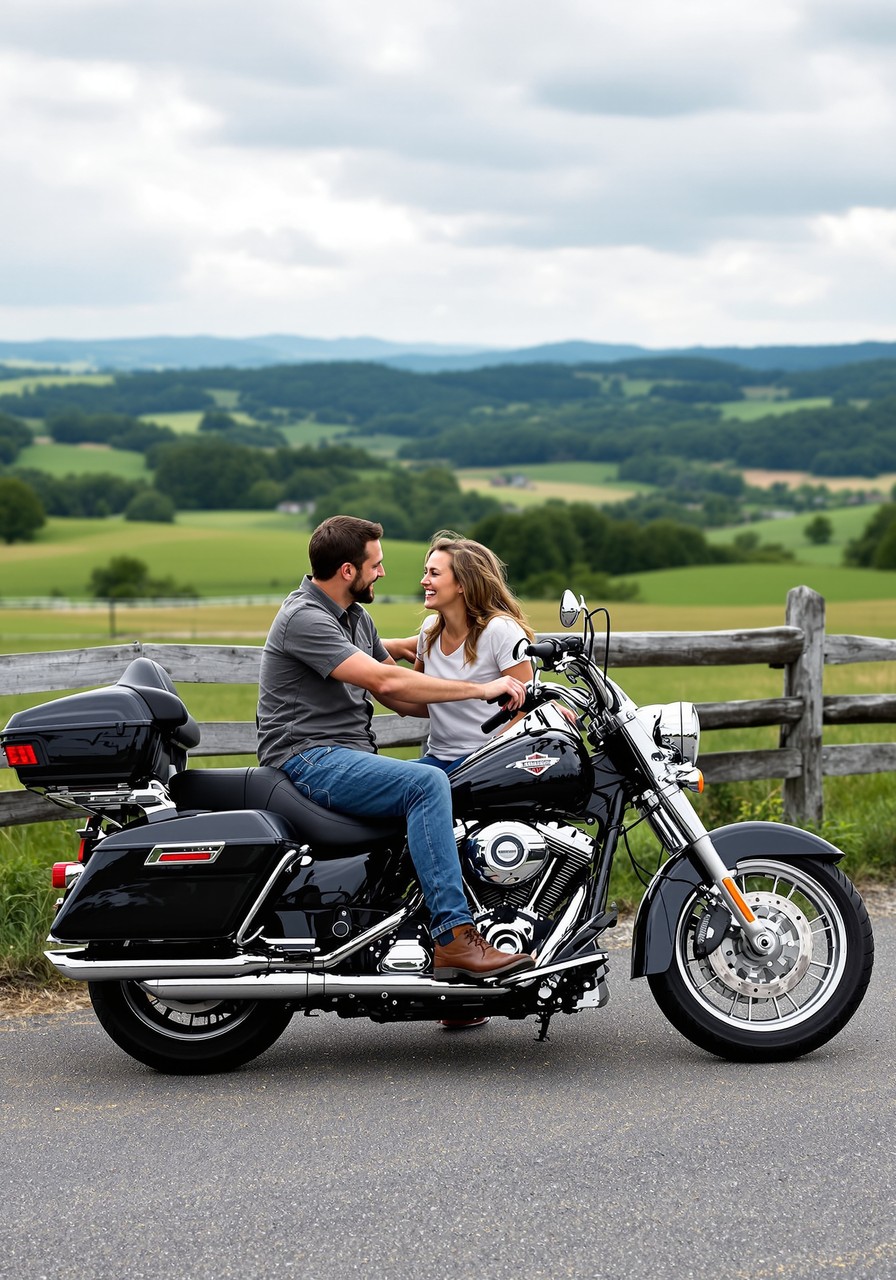
Poll time: chrome or blacked out? One comment, no essays. Okay, short essays allowed. #RideNationDMV #DMVriders #WashingtonDC
Giveaway & Countdown
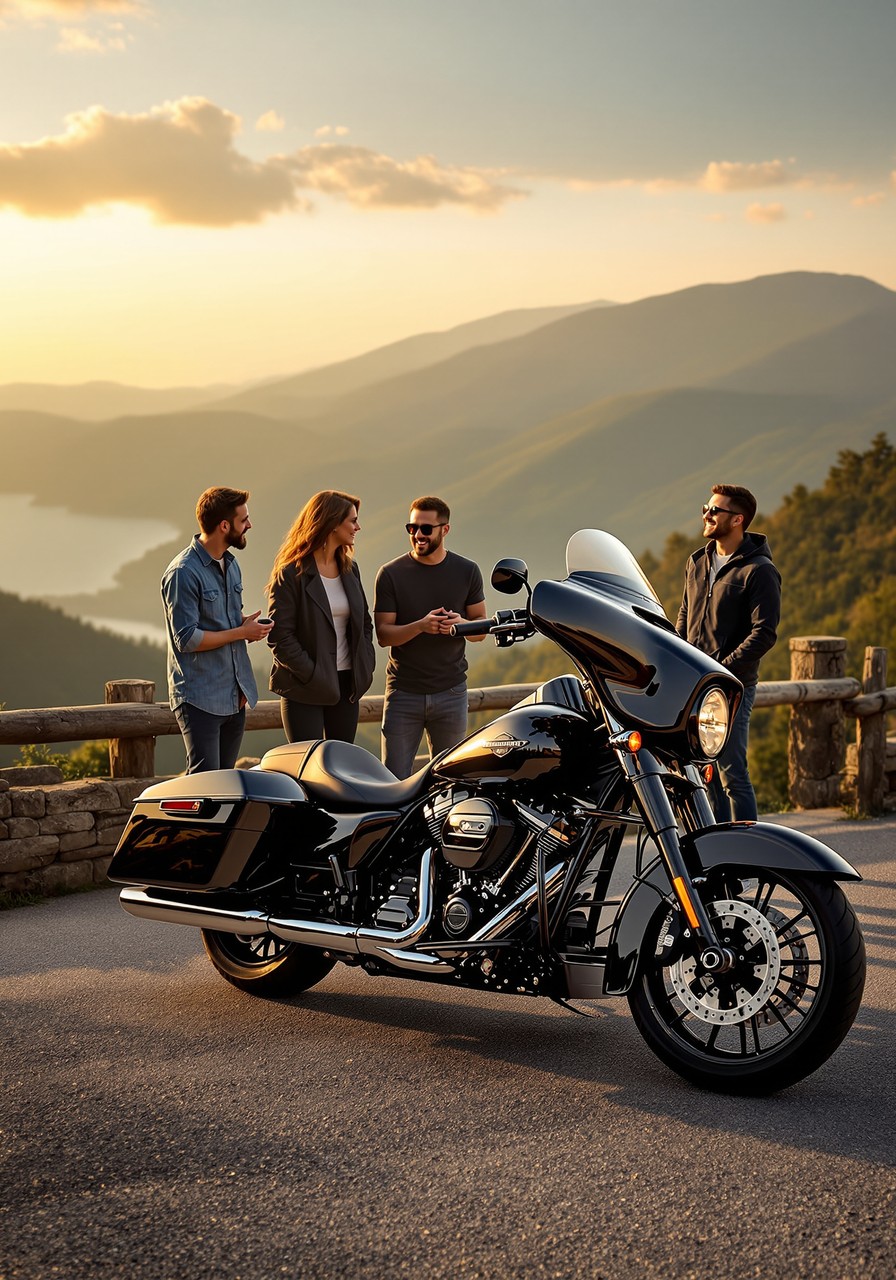
Free entry is the best kind of entry. Riders who talk to Malloy Law Offices about a crash are getting into the $20K BikersWin giveaway at no cost. #RideNationDMV #BikersWin
Local DMV & Rides
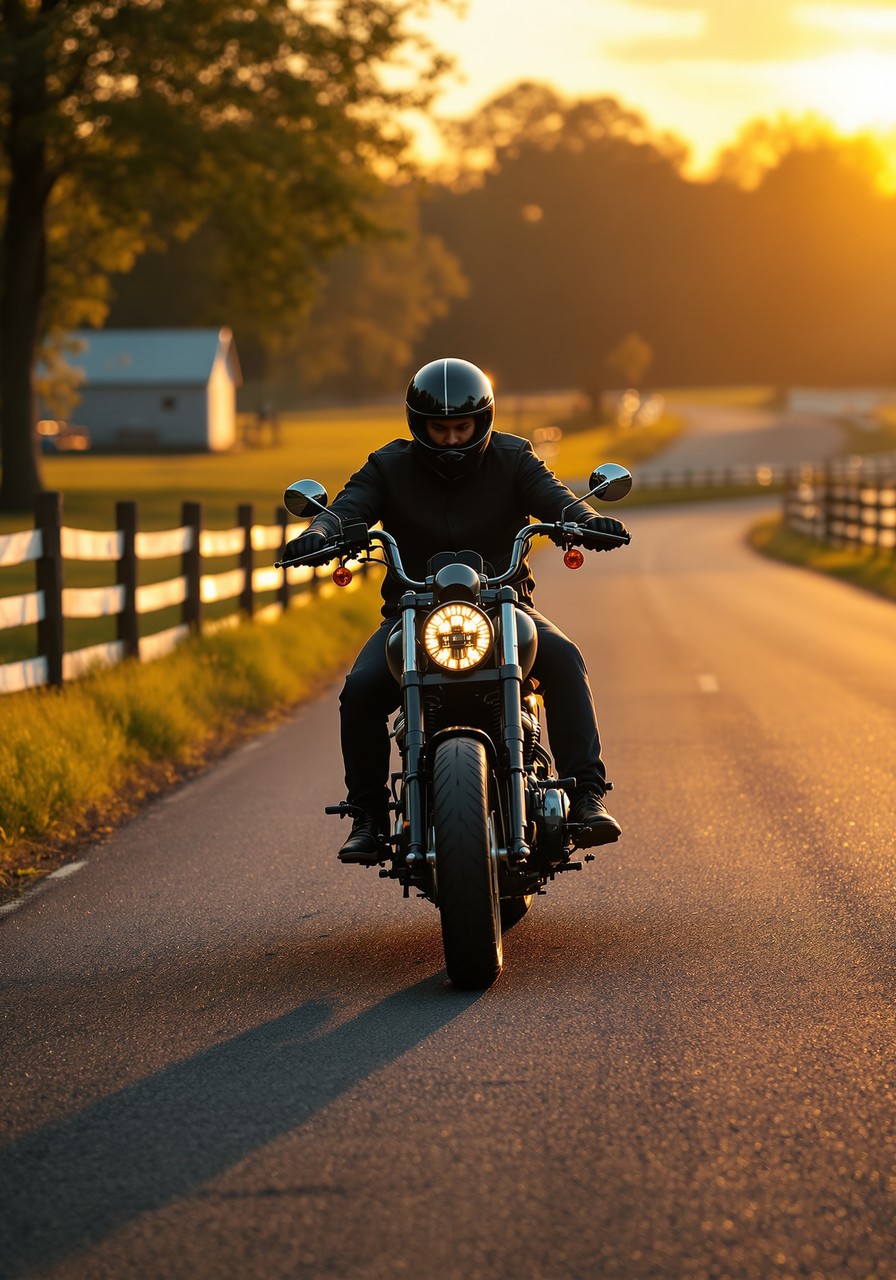
Rock Creek Parkway is the city ride that feels like an escape. Tree cover, gentle curves, and the creek running beside you. Green in the heart of DC. #RideNationDMV #DMVriders #GWParkway
Gear & New Iron
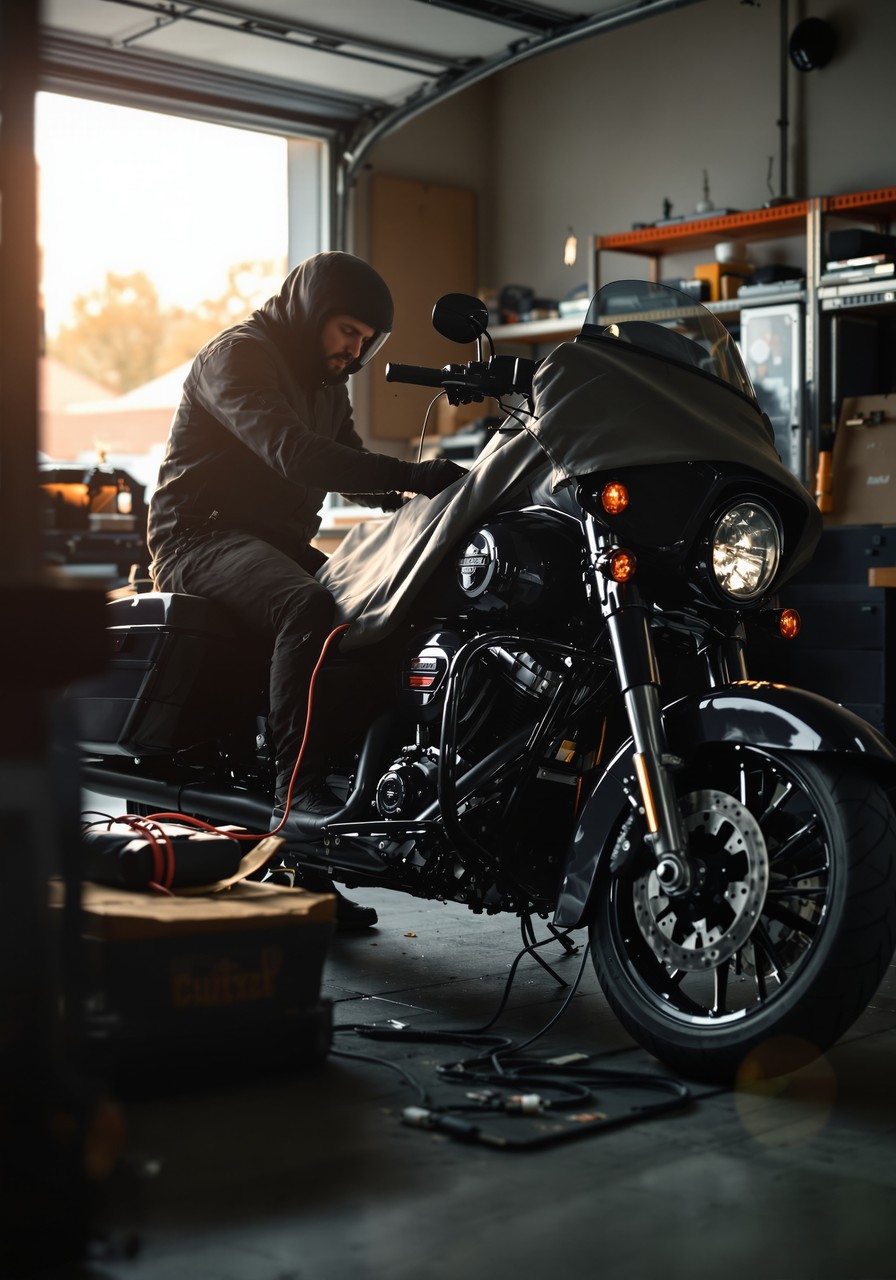
Ventilated summer gloves for July, insulated gauntlets for January. The DMV rewards a well-stocked gear closet. #RideNationDMV #GearUp #MotorcycleGear
Safety & DMV Law
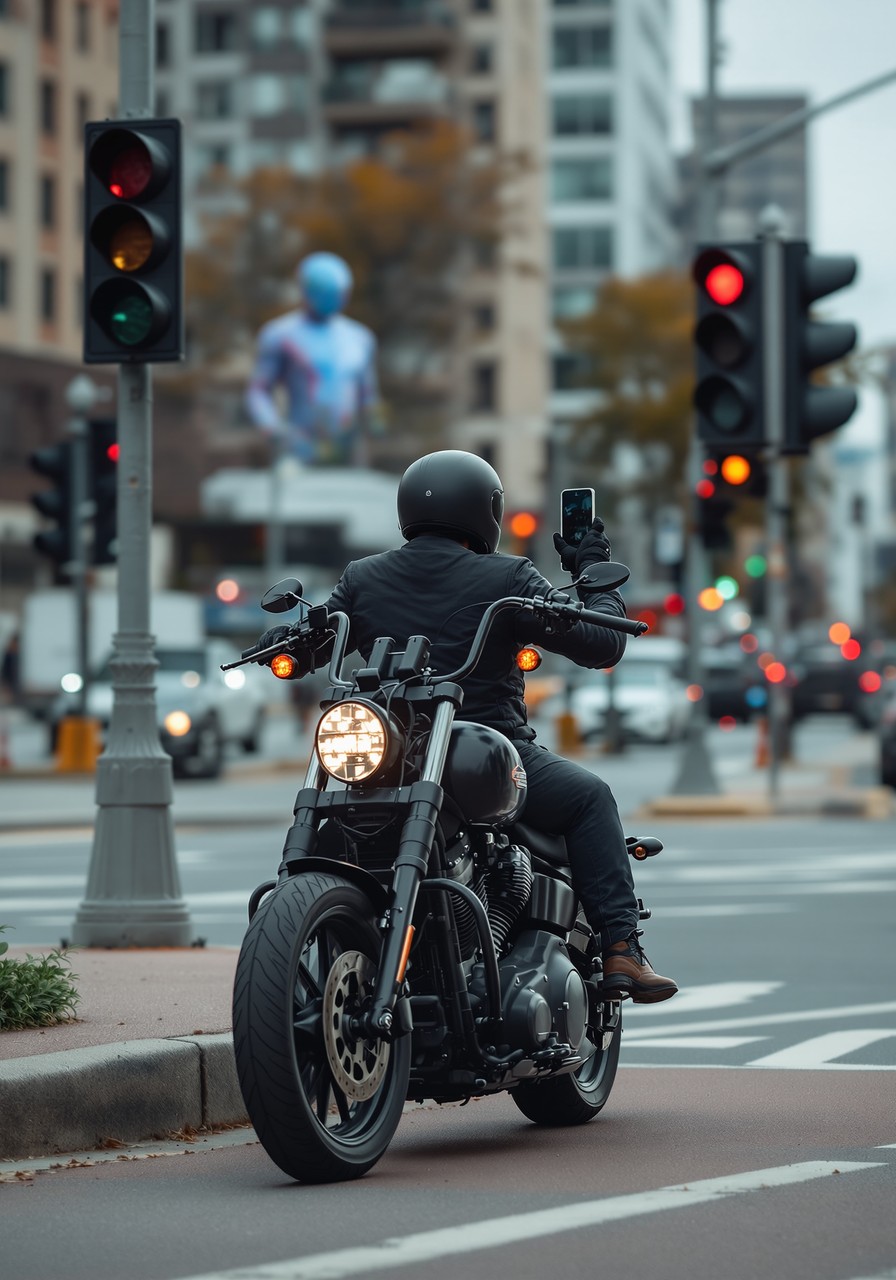
Health insurance, MedPay, and UM/UIM can all play a role in covering crash bills in the DMV. Knowing the order of coverage helps. Call Malloy Law Offices at (888) 485-1372. #RideNationDMV #RiderRights
Engagement
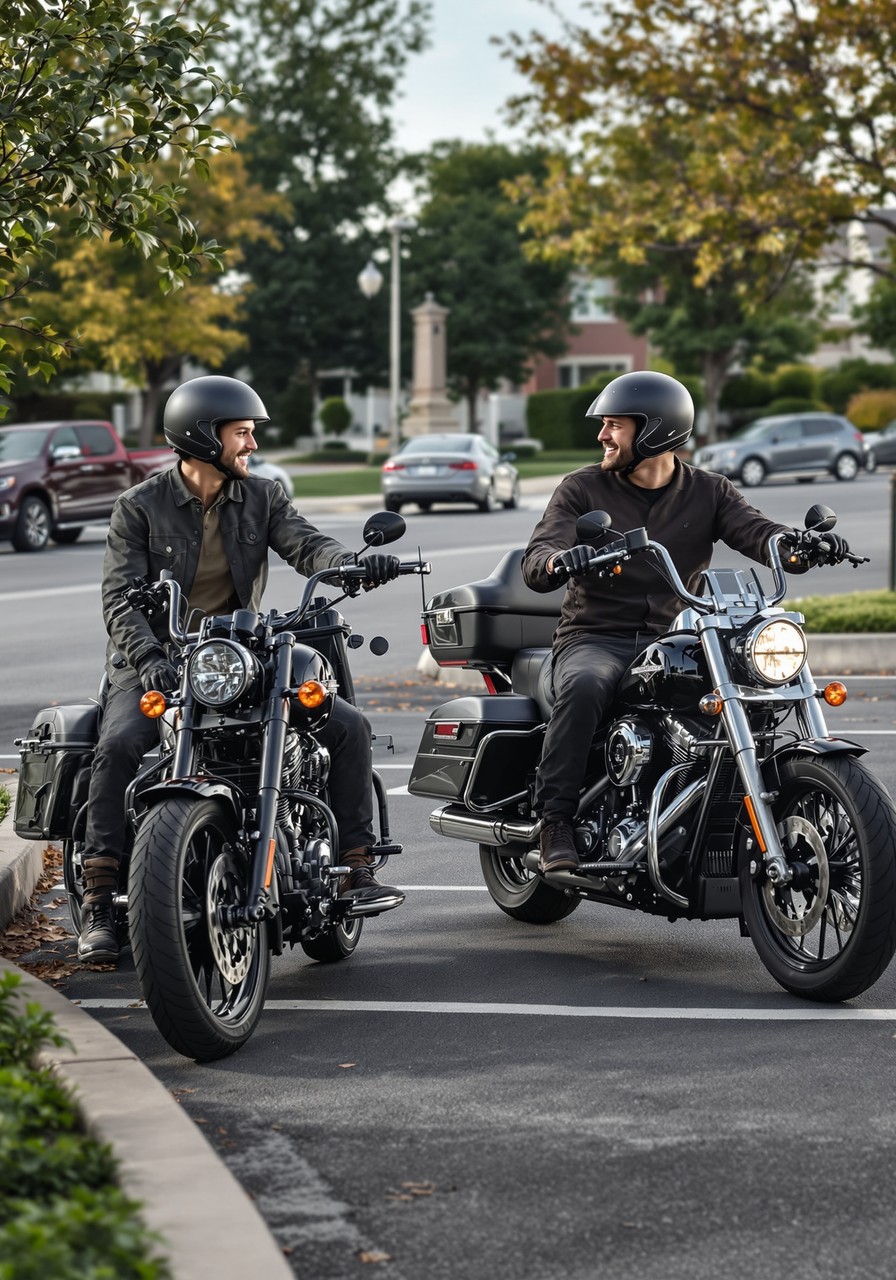
Fill in the blank: You are not a real DMV rider until you have ______. #RideNationDMV #NOVA #MarylandRiders
Giveaway & Countdown
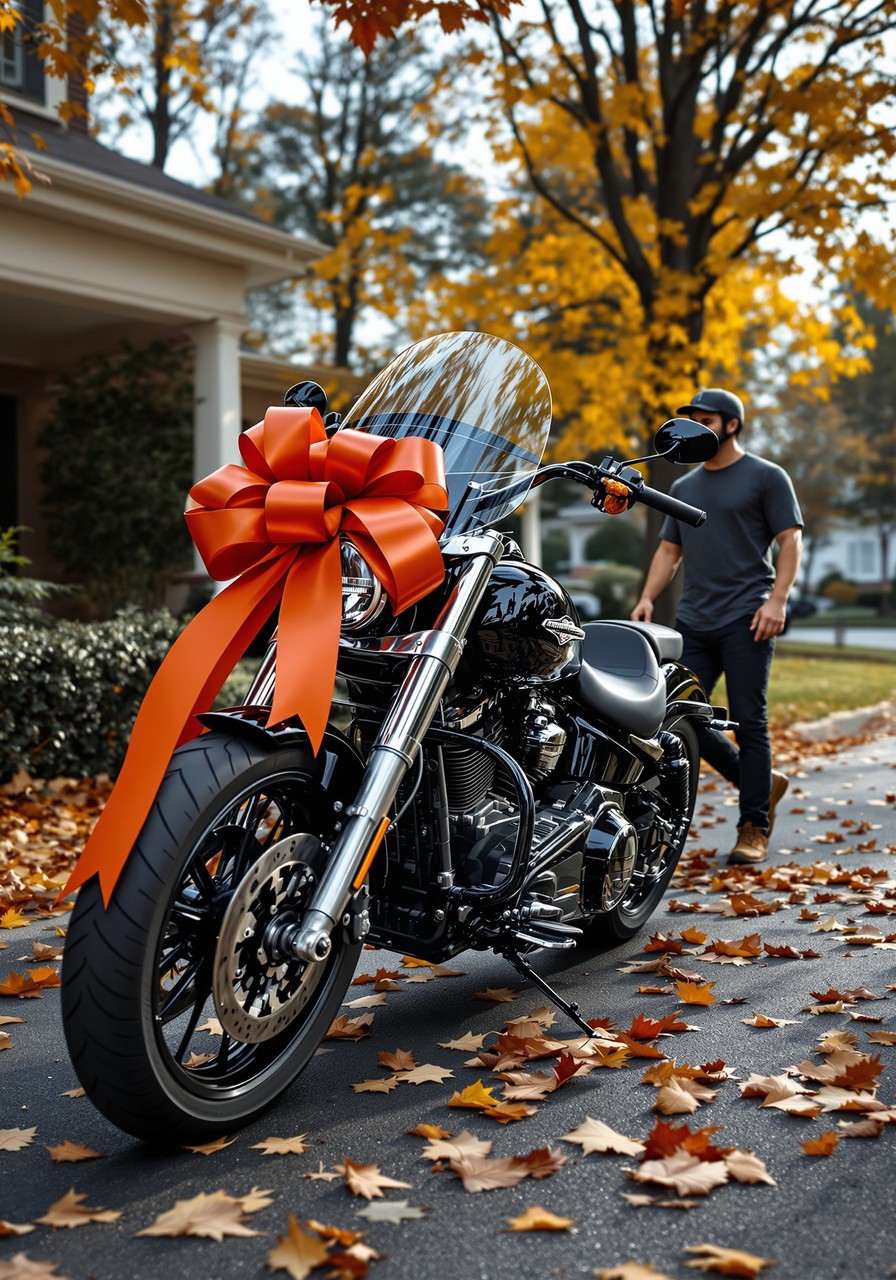
One month. One drawing. Twenty thousand dollars. December 10 is coming up fast, DMV. Head to malloy-law.com to learn more. #RideNationDMV #20kGiveaway #BikersWin
Local DMV & Rides
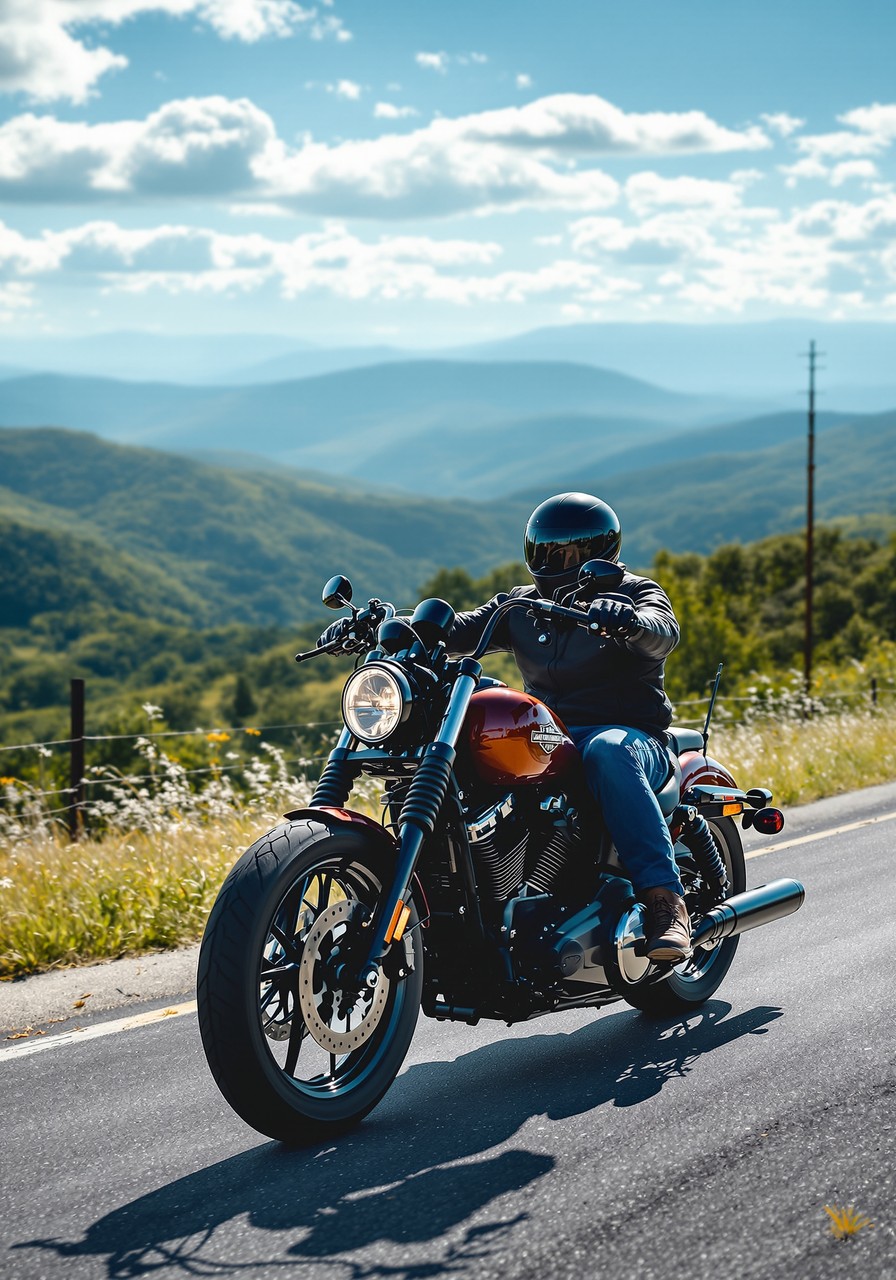
Shenandoah overlooks stack up one after another on Skyline Drive. Stop at a few, skip the rest for next time. There's always a reason to come back. #RideNationDMV #SkylineDrive #Shenandoah #BlueRidge
Gear & New Iron
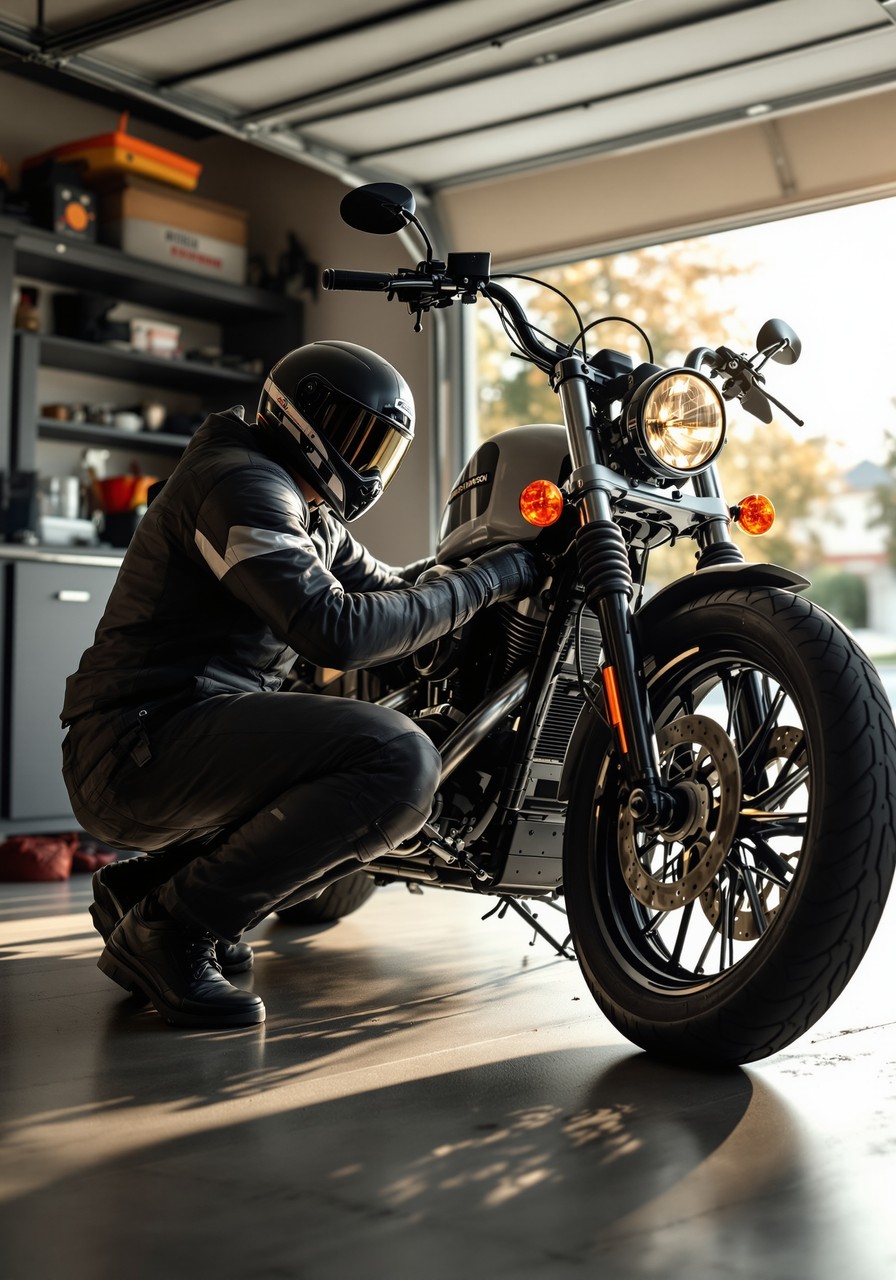
A flip-up visor and a clear plus tinted setup means you are ready for sunrise and sunset. Chase the light. #RideNationDMV #GearUp #BlueRidge
Safety & DMV Law
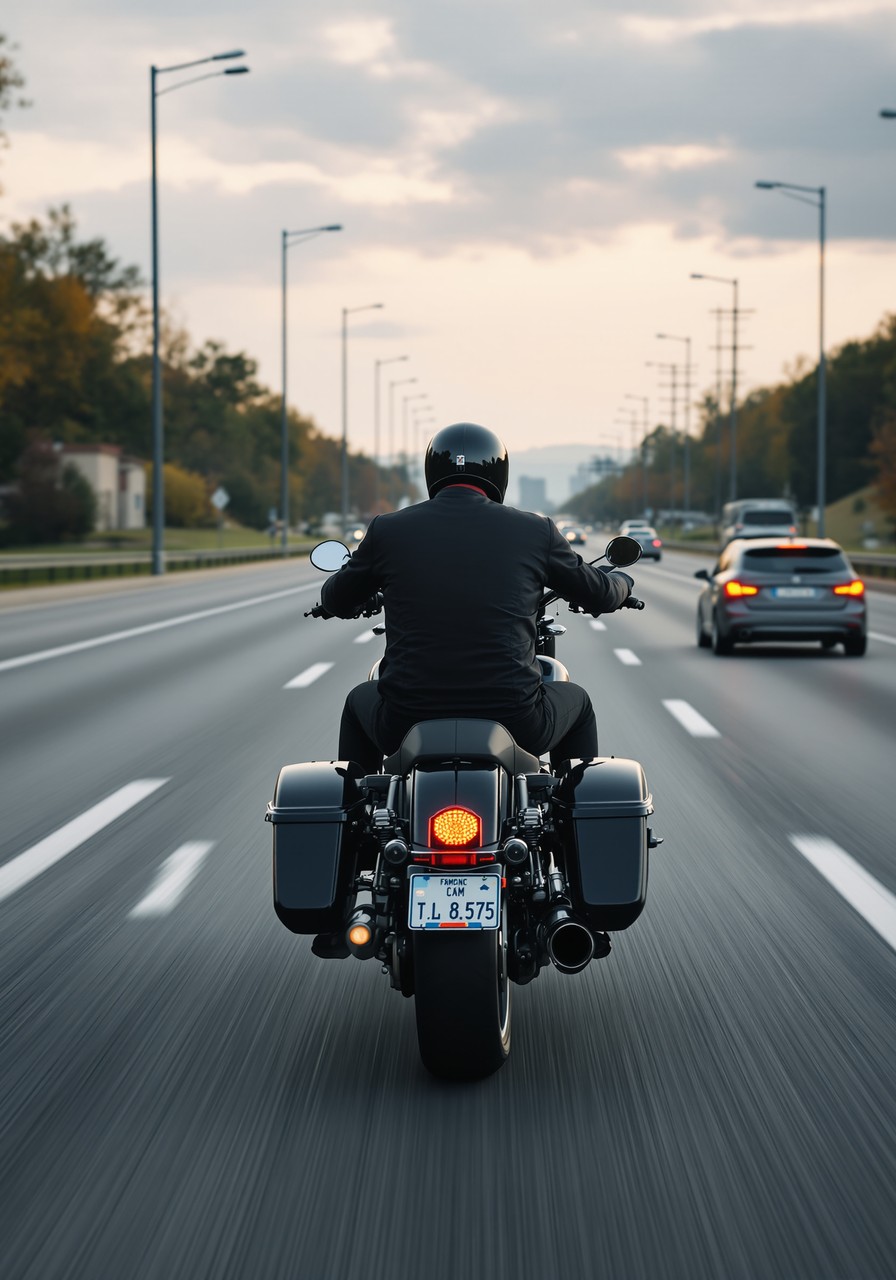
Potholes and road defects on DMV commutes can upset a bike fast. Scan the pavement and pick a smooth line early. #RideNationDMV #RideSafe
Engagement
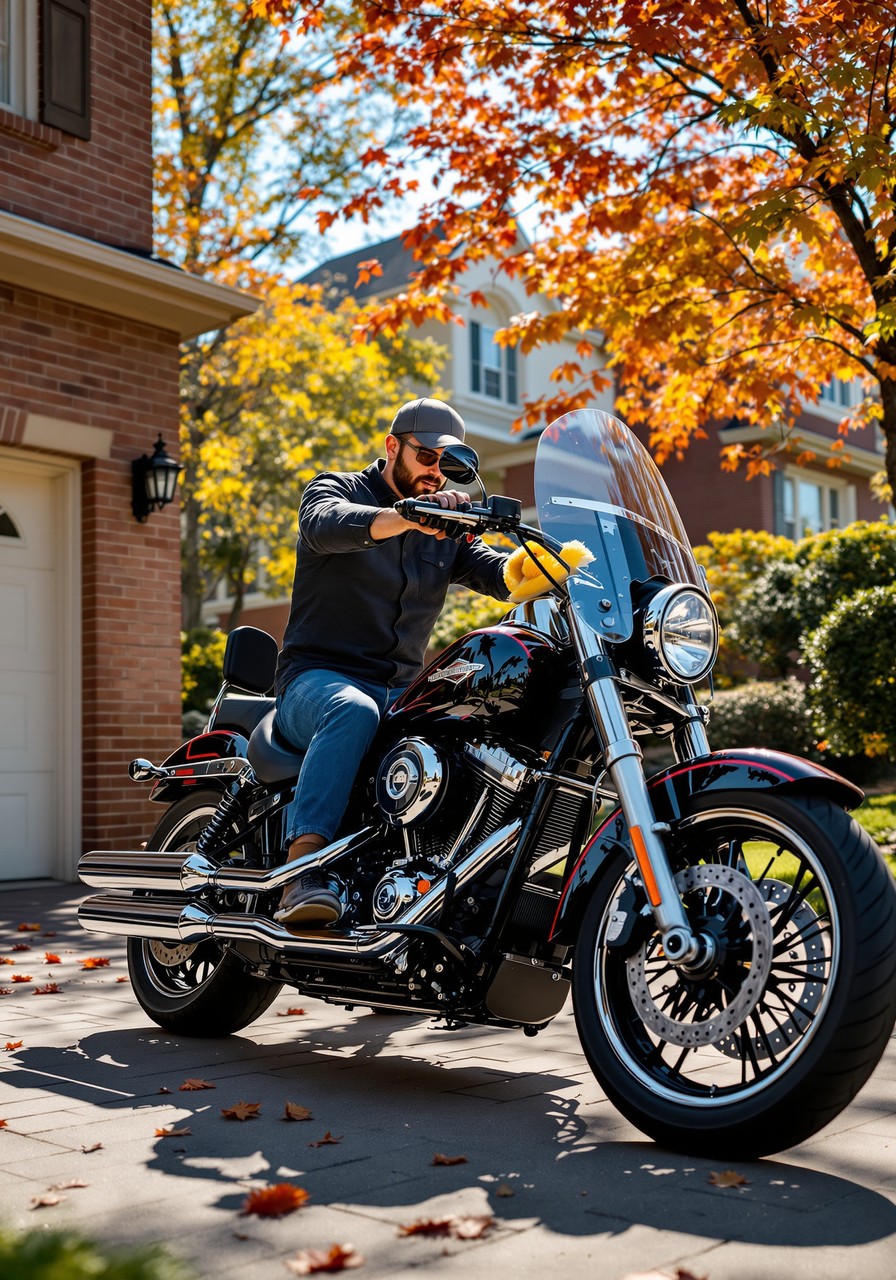
Sunday roll call: who is chasing fall foliage up toward Harpers Ferry this weekend? #RideNationDMV #BlueRidge #MarylandRiders
Giveaway & Countdown
Injured in a motorcycle crash? You deserve answers and a shot at $20,000. Call Malloy Law Offices at (888) 485-1372 to ask how to enter for free. #RideNationDMV #BikersWin
Local DMV & Rides
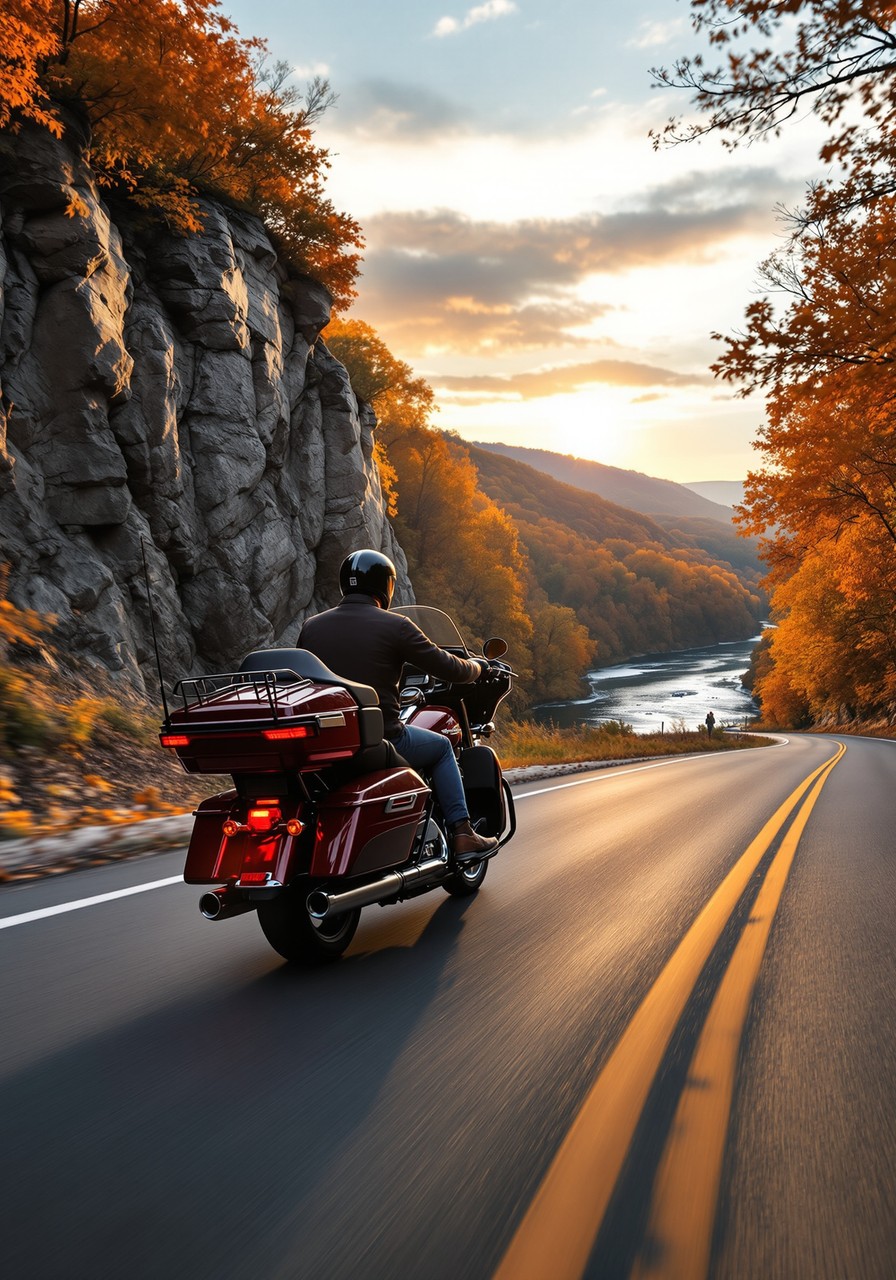
The countryside west of Poolesville is farm-road heaven. Quiet lanes, big barns, and a slow pace that suits a Sunday. Wave at every rider you pass. #RideNationDMV #MarylandRiders #DMVriders
Gear & New Iron
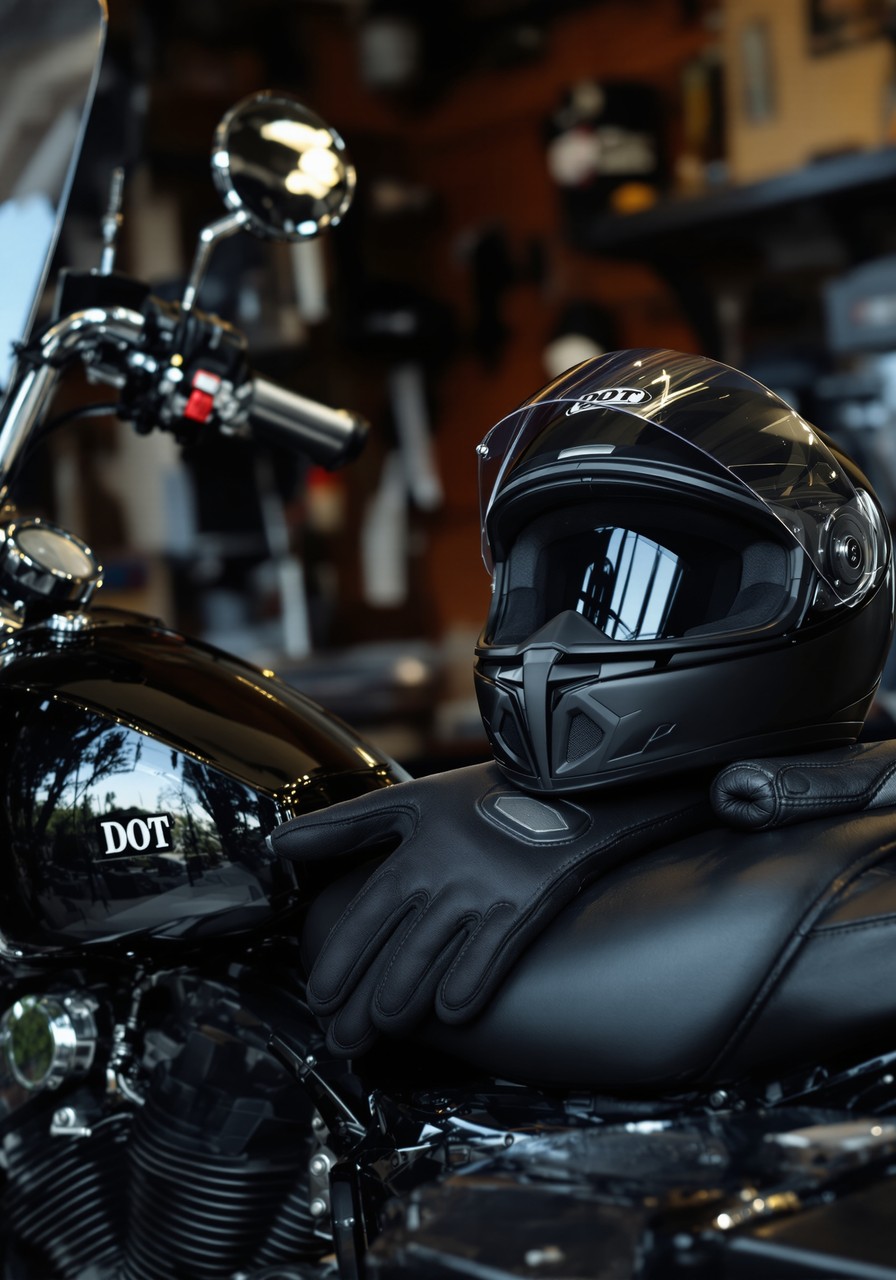
New iron break-in is a ritual, not a race. Easy revs, varied load, let that engine settle in right. #RideNationDMV #NewBikeDay #MotorcycleGear
Safety & DMV Law
Virginia's window is shorter, about 2 years, while Maryland and DC run roughly 3. Deadlines are strict, so don't wait. Call Malloy Law Offices at (888) 485-1372. #RideNationDMV #RiderRights
Engagement
Tag the buddy whose bike is cleaner than their car. We all have one. #RideNationDMV #DMVriders #NOVA
Giveaway & Countdown
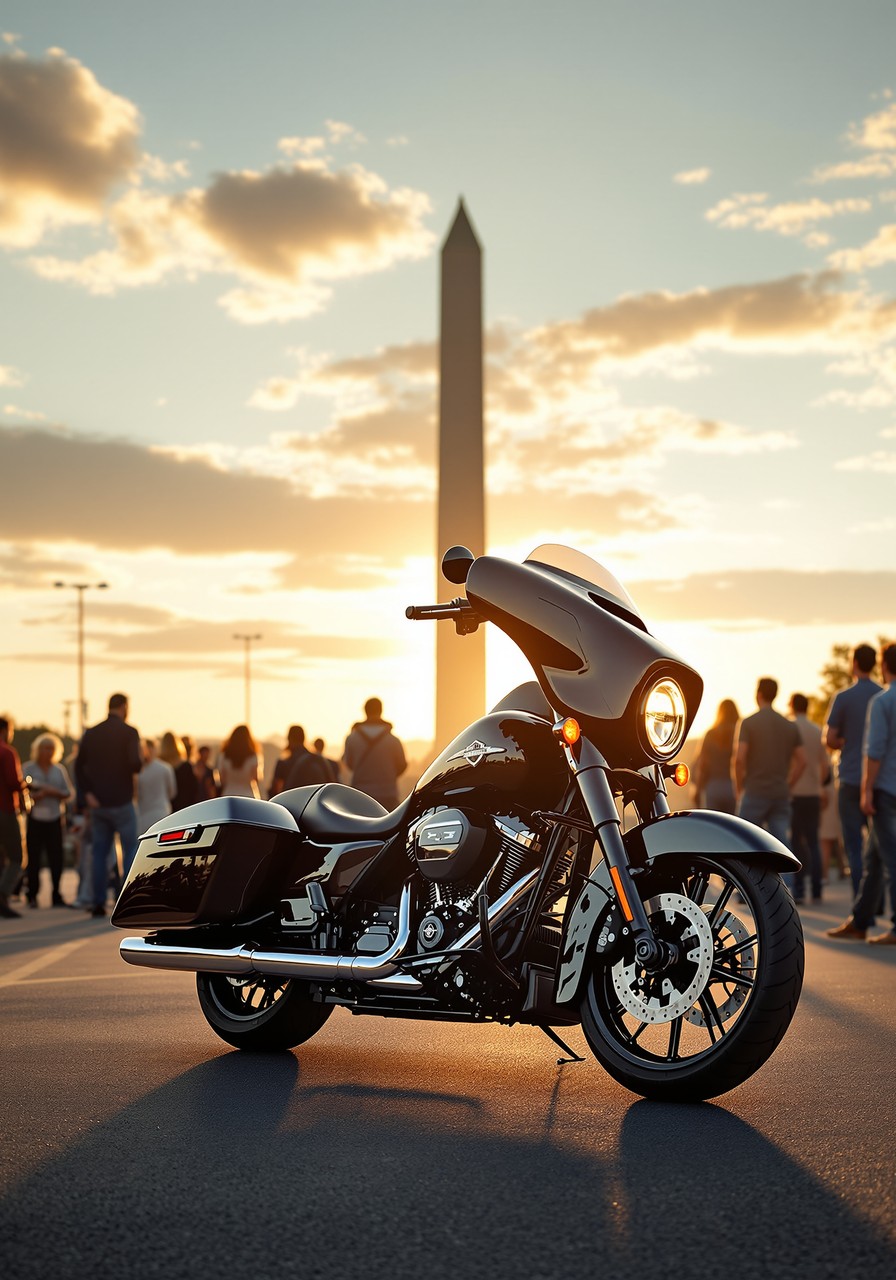
The energy around this giveaway is contagious. DMV riders are lining up to enter the BikersWin $20K, and it costs nothing. #RideNationDMV #BikersWin #20kGiveaway
Local DMV & Rides
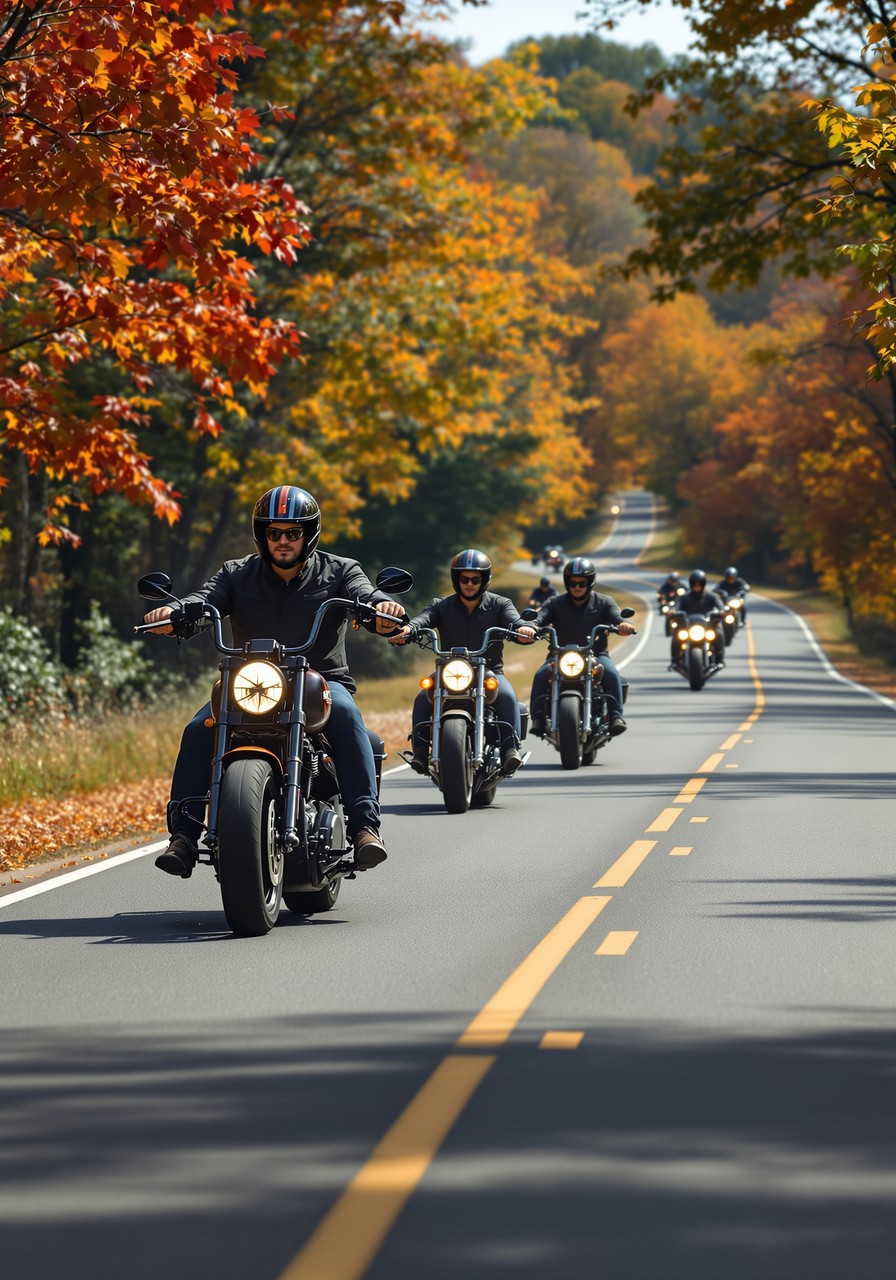
Beltway got you boxed in? Point the bike at Great Falls and breathe. Fifteen minutes from the traffic to the roar of the gorge. Reset and roll home. #RideNationDMV #NOVA #DMVriders
Gear & New Iron
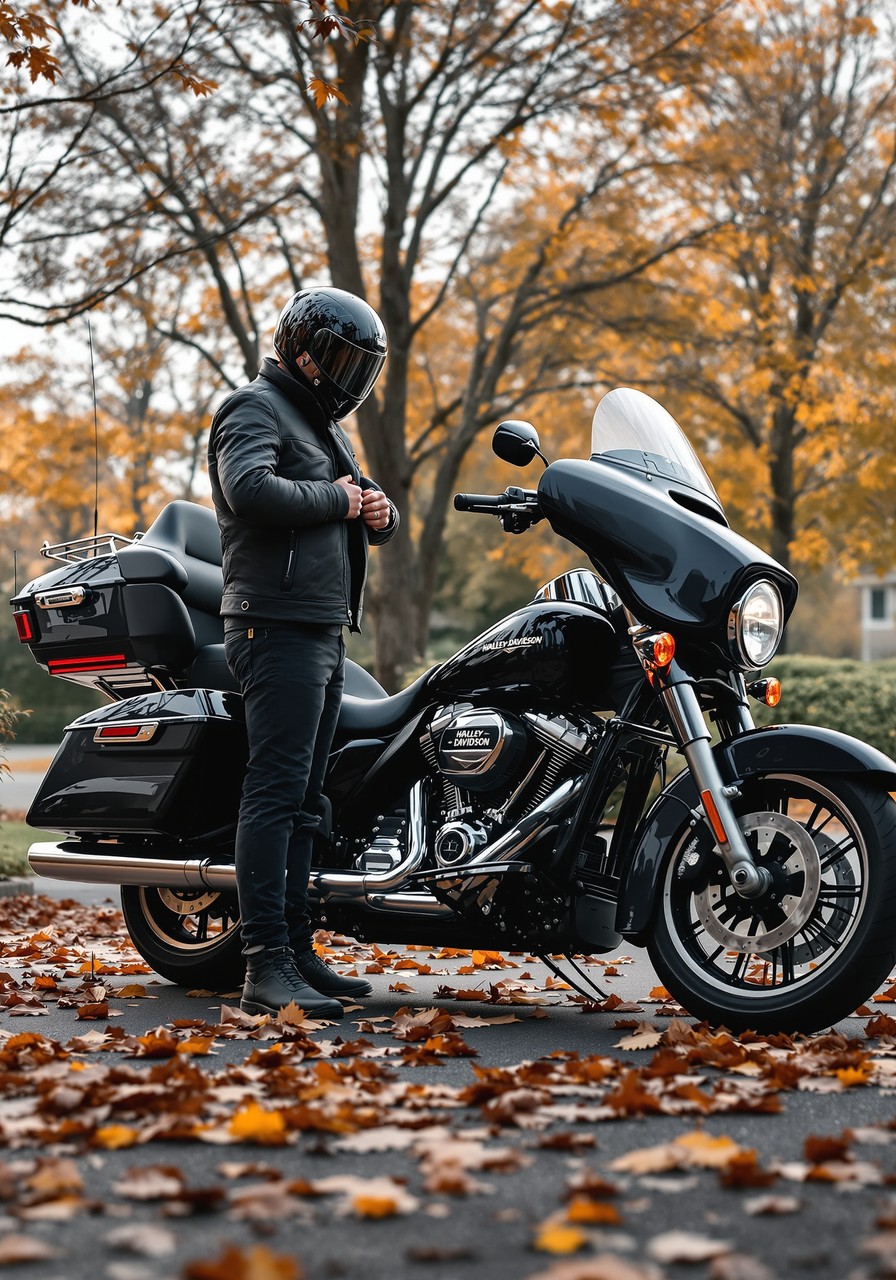
Reflective piping and light-up gear make evening rides safer on dark DMV back roads. Shine on. #RideNationDMV #RideSafe #DMVriders
Safety & DMV Law
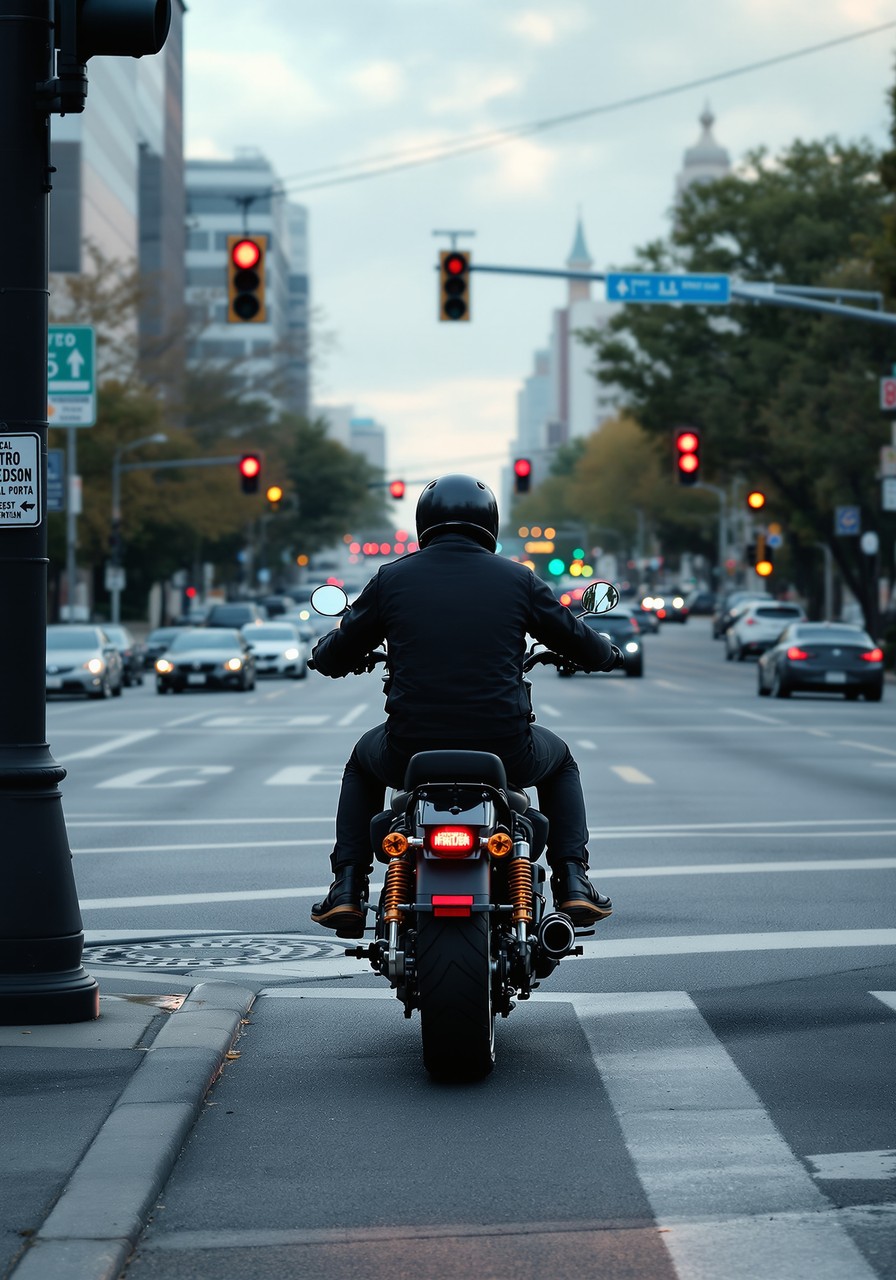
Space is safety. In heavy Beltway traffic, hang back from the car ahead so you own a clear buffer. #RideNationDMV #RideSafe
Engagement
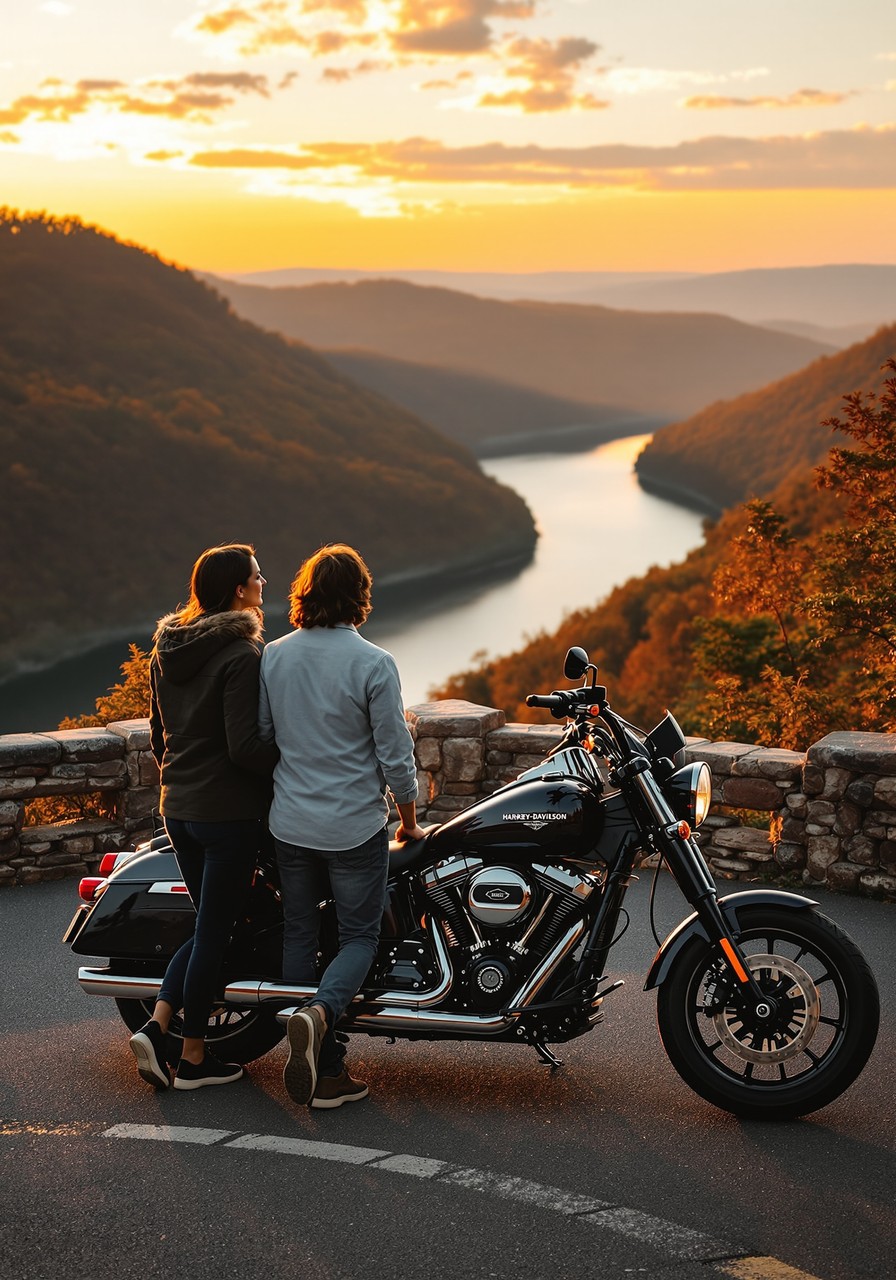
This or that: cherry-blossom-season crowds for the views or a quiet backroad all to yourself? #RideNationDMV #WashingtonDC #GWParkway
Giveaway & Countdown
Save the date, riders: December 10. That's when one lucky entrant takes home $20,000 in the BikersWin giveaway. #RideNationDMV #20kGiveaway #BikersWin
Local DMV & Rides
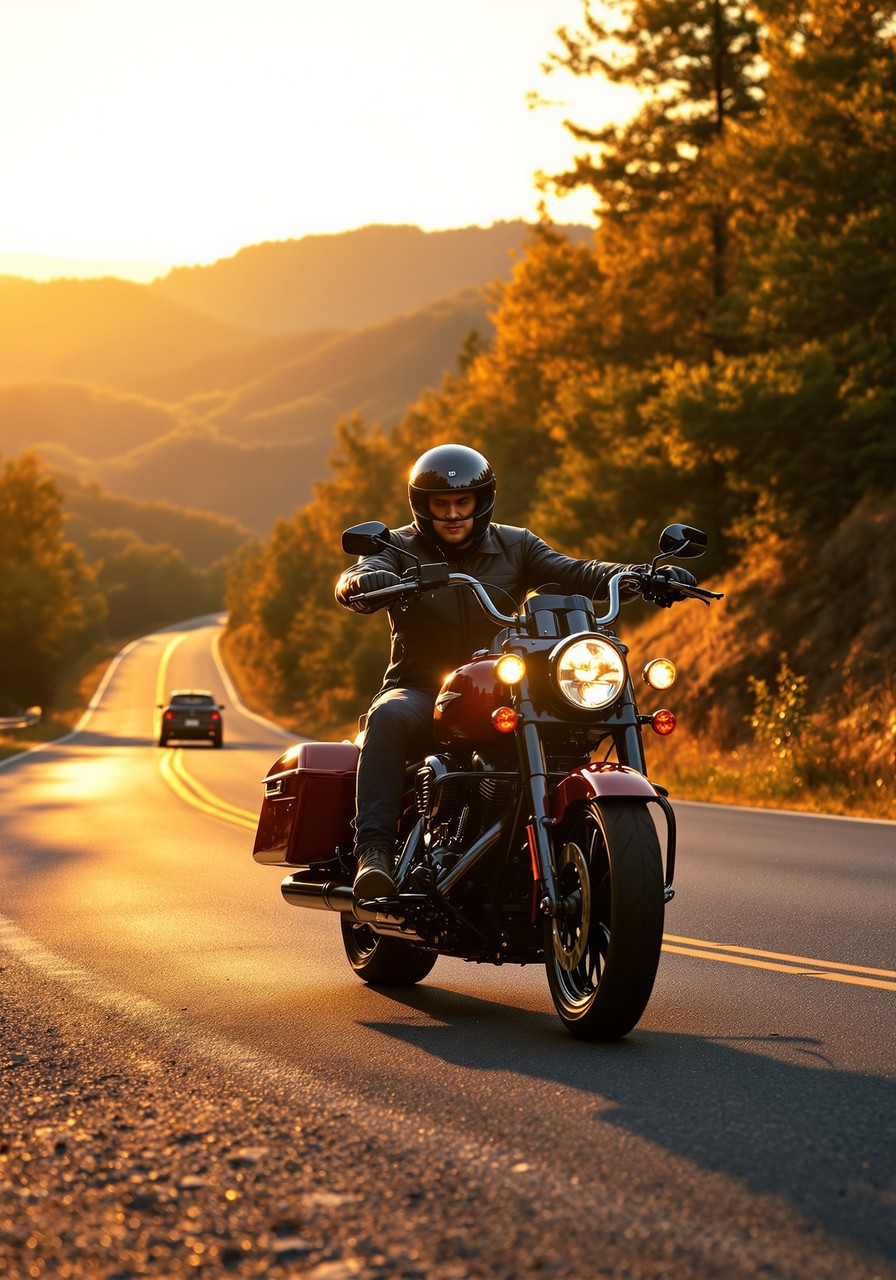
Middleburg to Harpers Ferry on the backroads is a full day well spent. Horse country giving way to river bluffs and mountain climbs. Pack a lunch, no rush. #RideNationDMV #NOVA #BlueRidge #MarylandRiders
Gear & New Iron
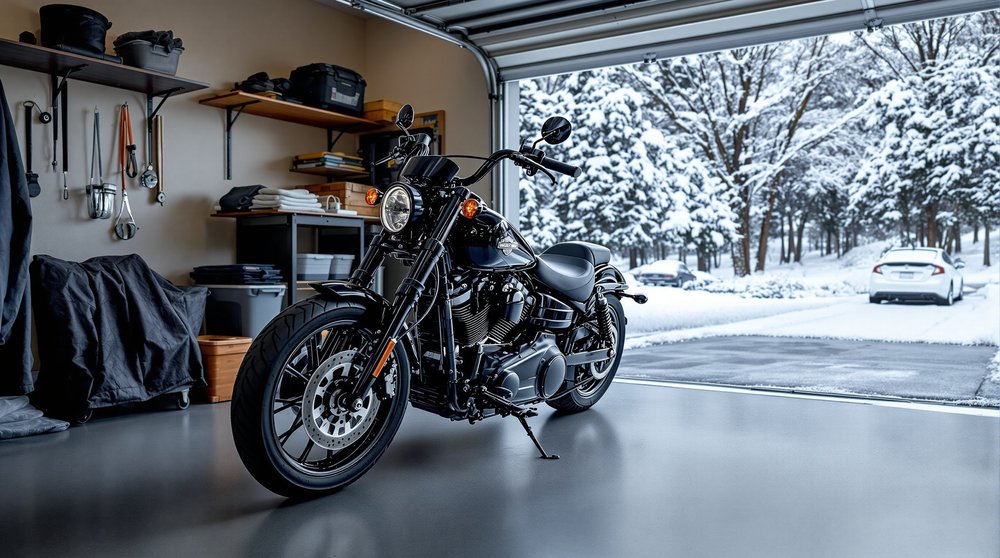
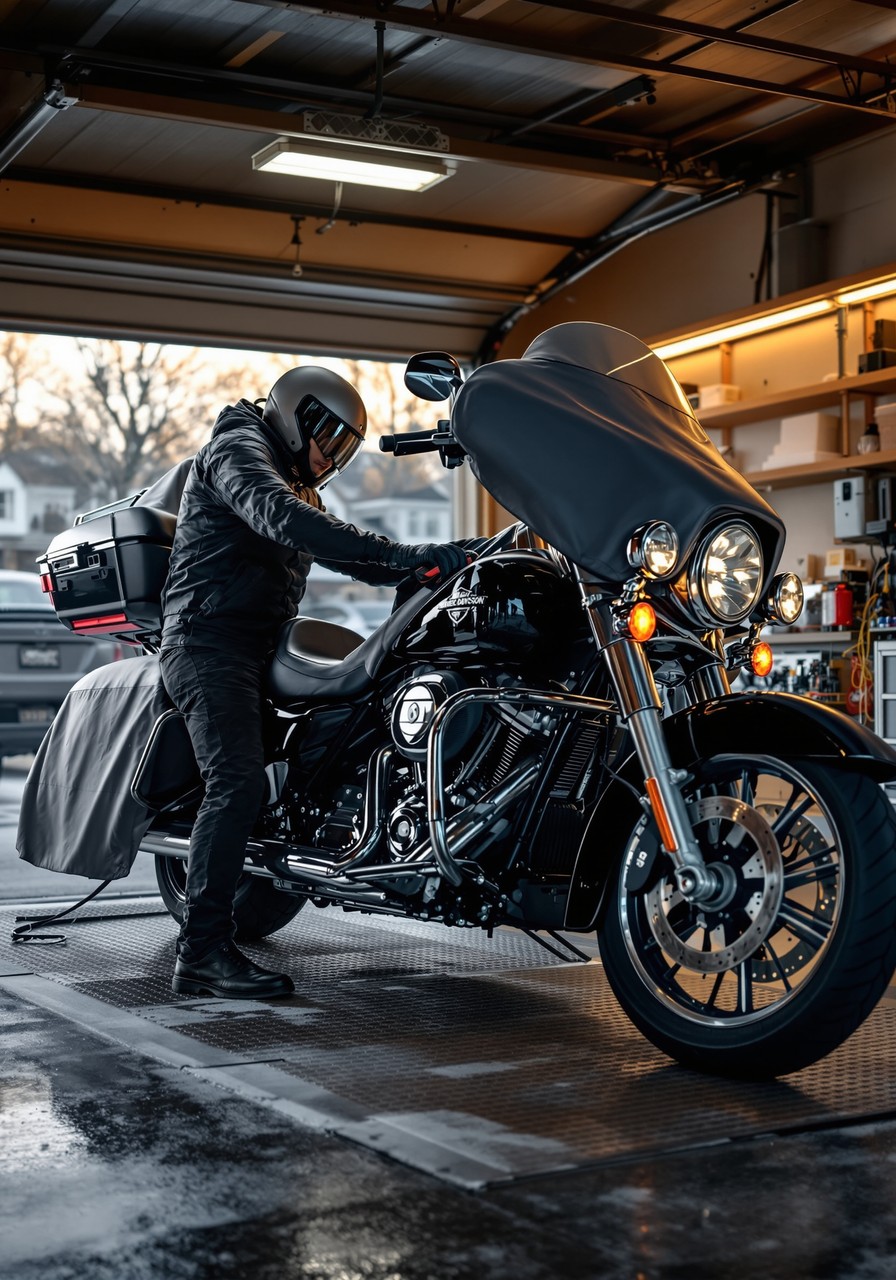
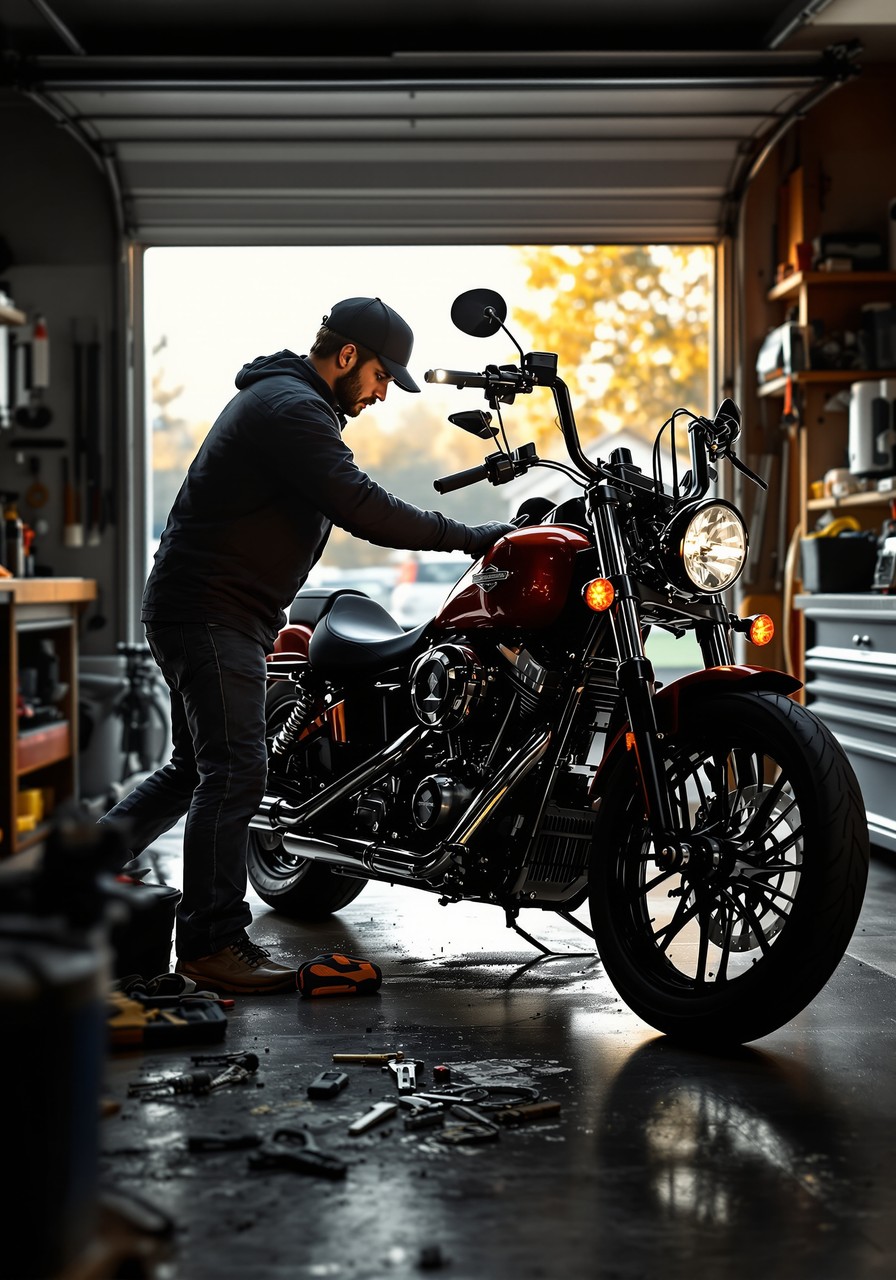
A proper bike cover saves your paint from sun, sap, and surprise storms. Cheap insurance for good-looking iron. #RideNationDMV #MotorcycleGear #GearUp
Safety & DMV Law
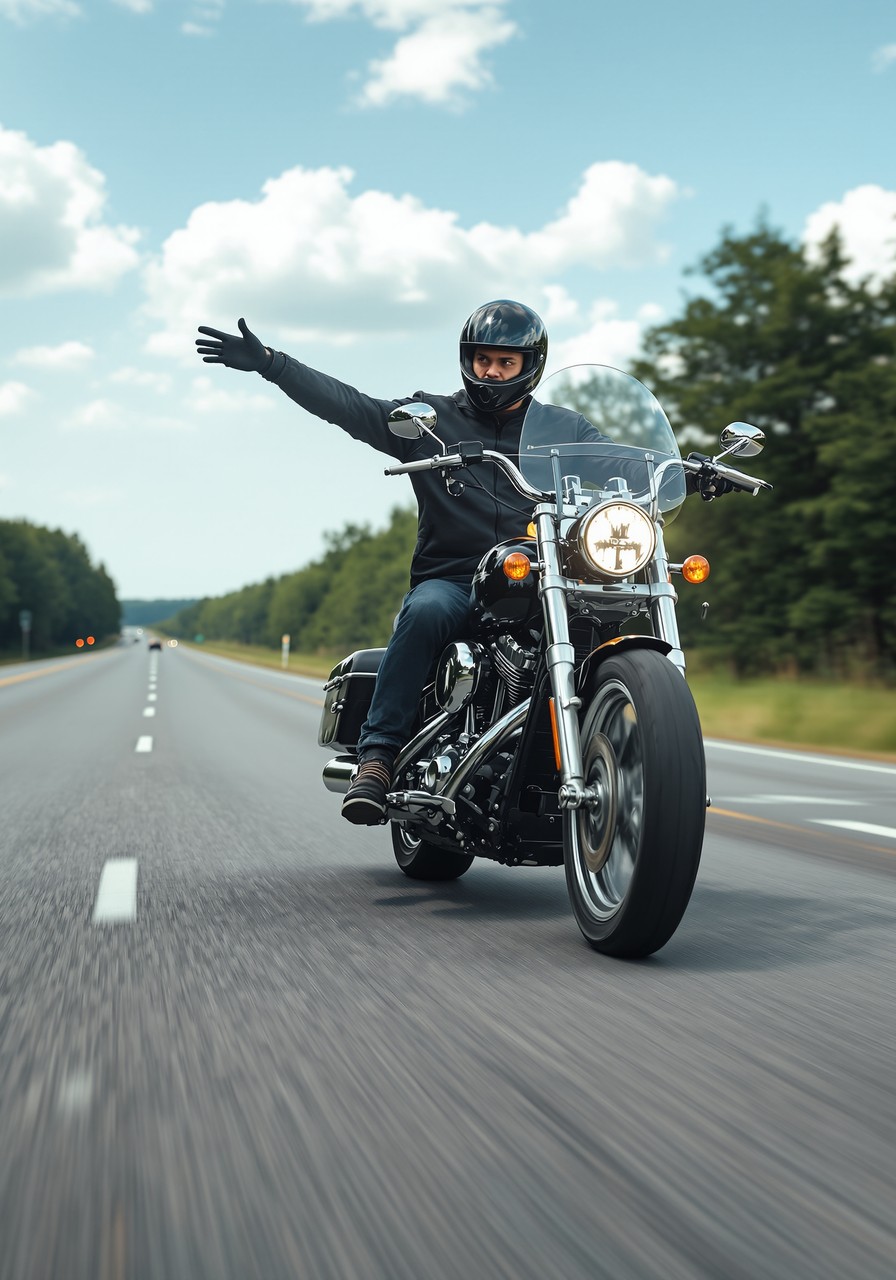
Passengers are covered by the helmet requirement too in DC, Maryland, and Virginia. Make sure your rider is geared up before you roll. #RideNationDMV #RideSafe
Engagement
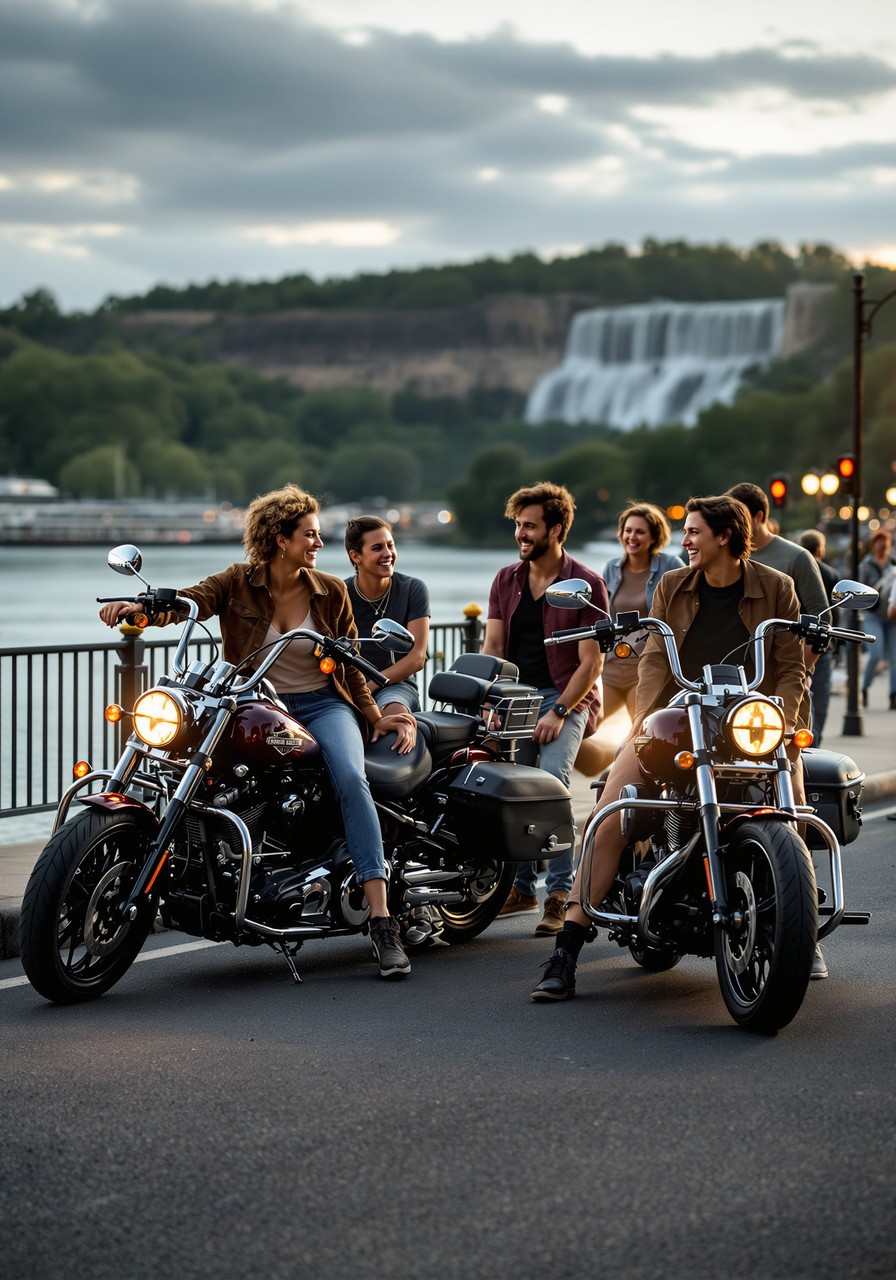
Rider confession: how long do you really spend picking the playlist before a Skyline Drive run? #RideNationDMV #SkylineDrive #DMVriders
Giveaway & Countdown
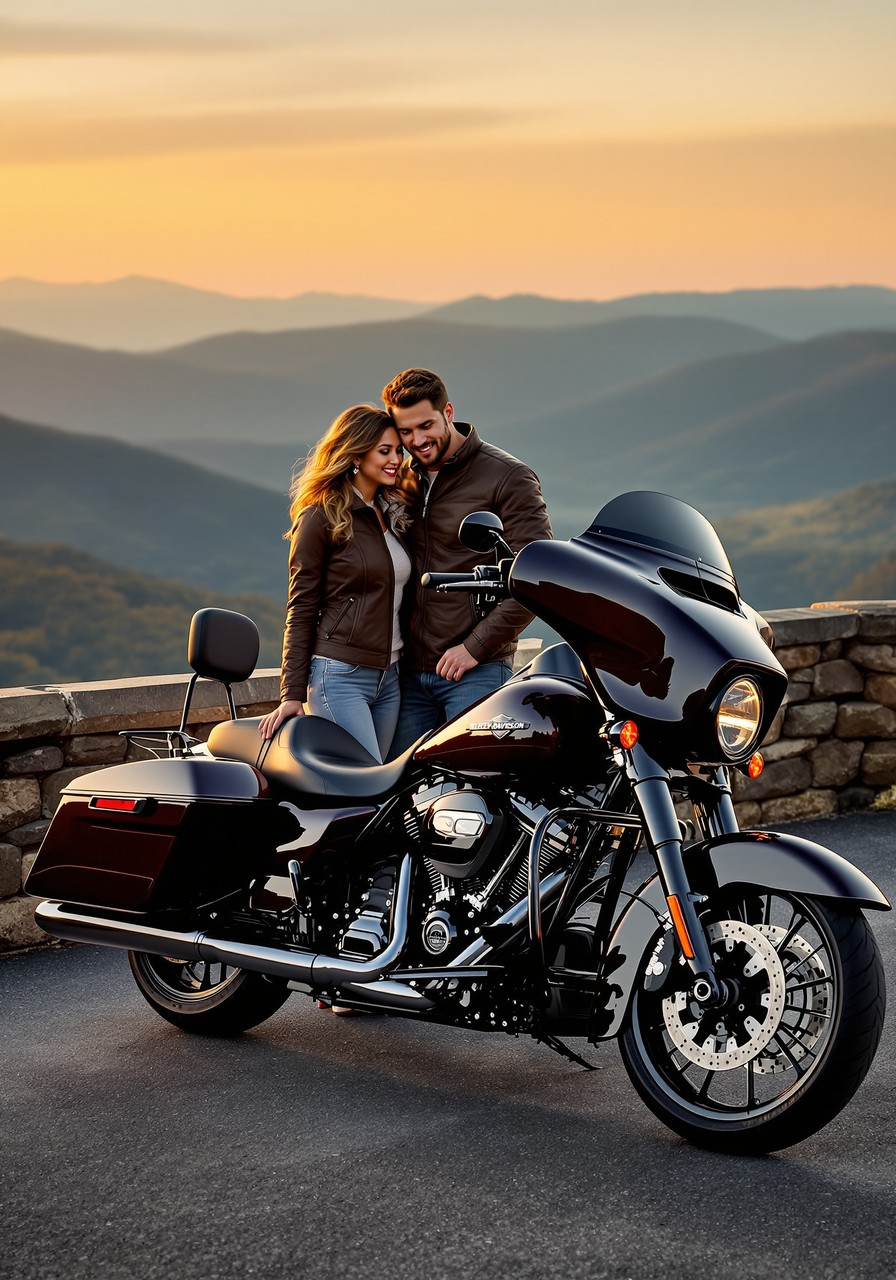
Still on the fence? Entry is free, the prize is $20,000, and the drawing is December 10. Call Malloy Law Offices at (888) 485-1372 to ask how to enter. #RideNationDMV #BikersWin
Local DMV & Rides
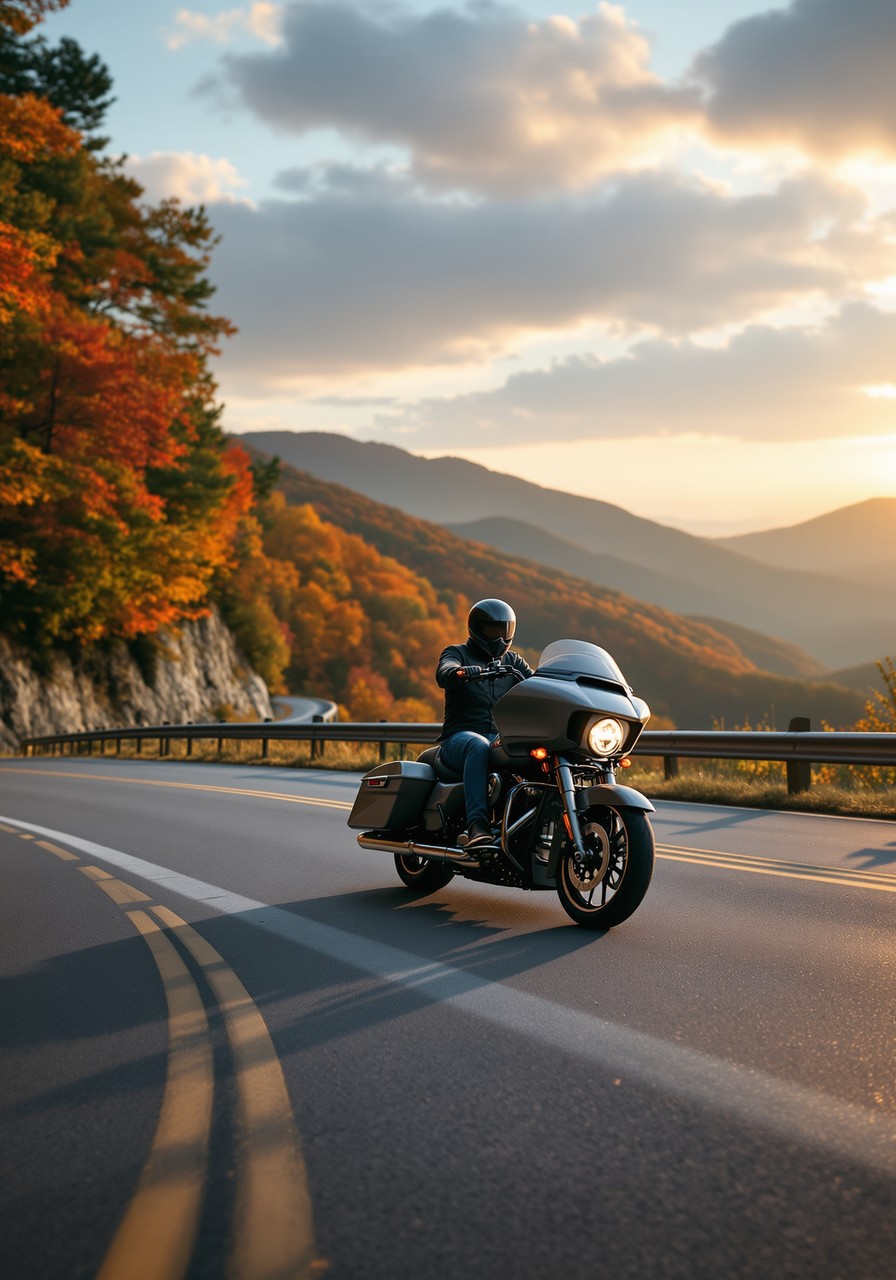
Cool fall mornings on the Blue Ridge Parkway are the best kind. Layer up, warm up the tires, and chase the foliage south. Crisp air, endless curves. #RideNationDMV #BlueRidge #Shenandoah
Gear & New Iron
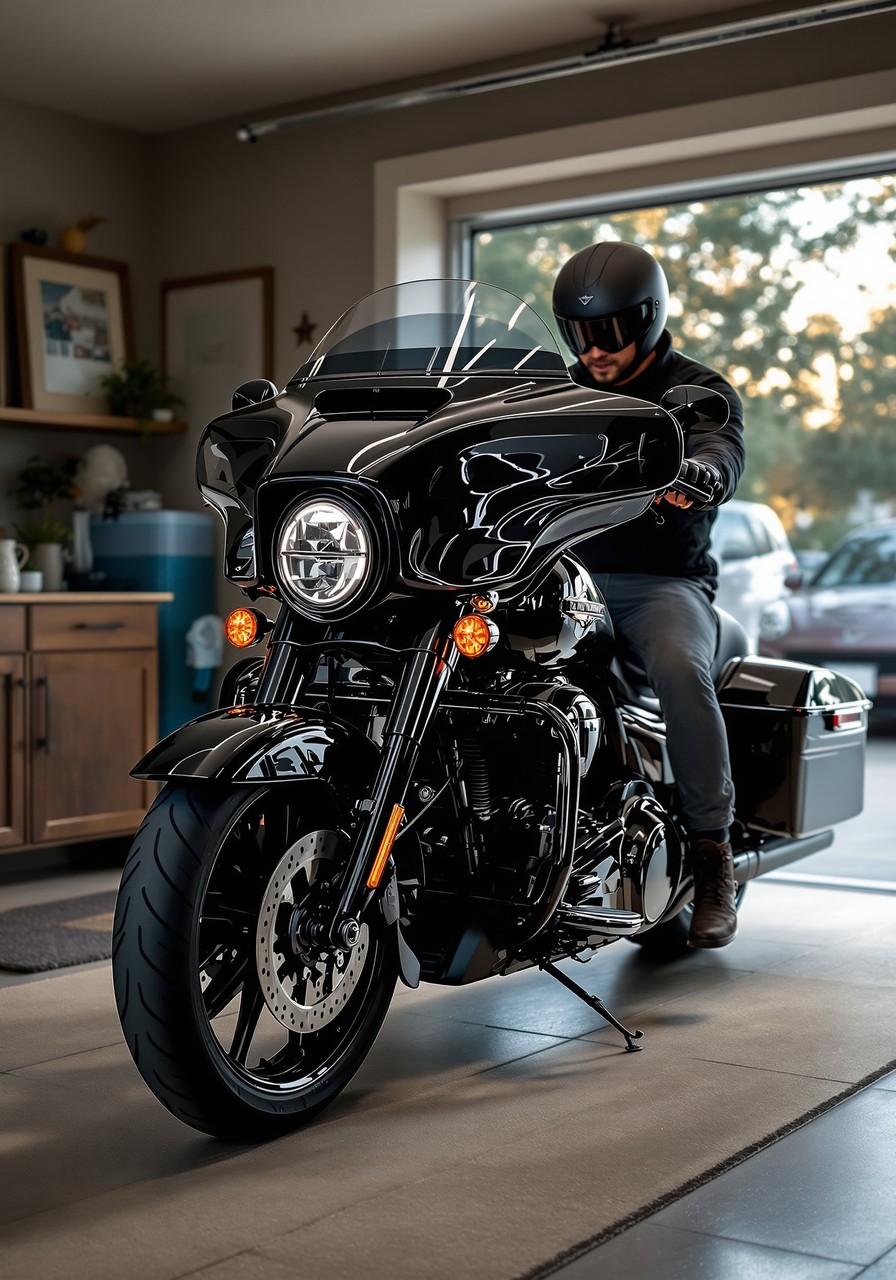
Adjustable levers fit the bike to your hands, not the other way around. Small farkle, all-day comfort. #RideNationDMV #MotorcycleGear #GearUp
Safety & DMV Law
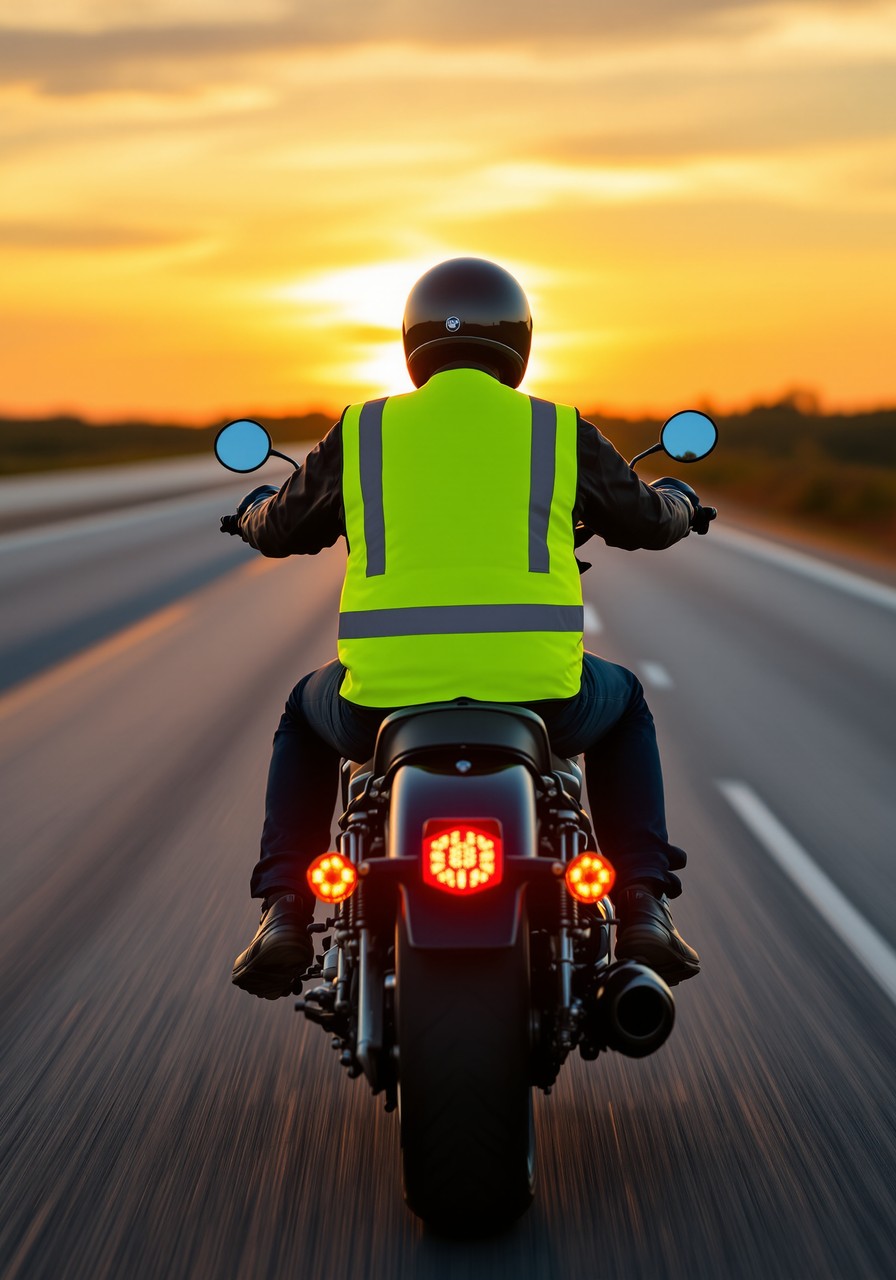
Gather witness names and photos at the scene when it's safe. In a contributory negligence state, that proof can carry your claim. Call Malloy Law Offices at (888) 485-1372. #RideNationDMV #AfterACrash
Engagement
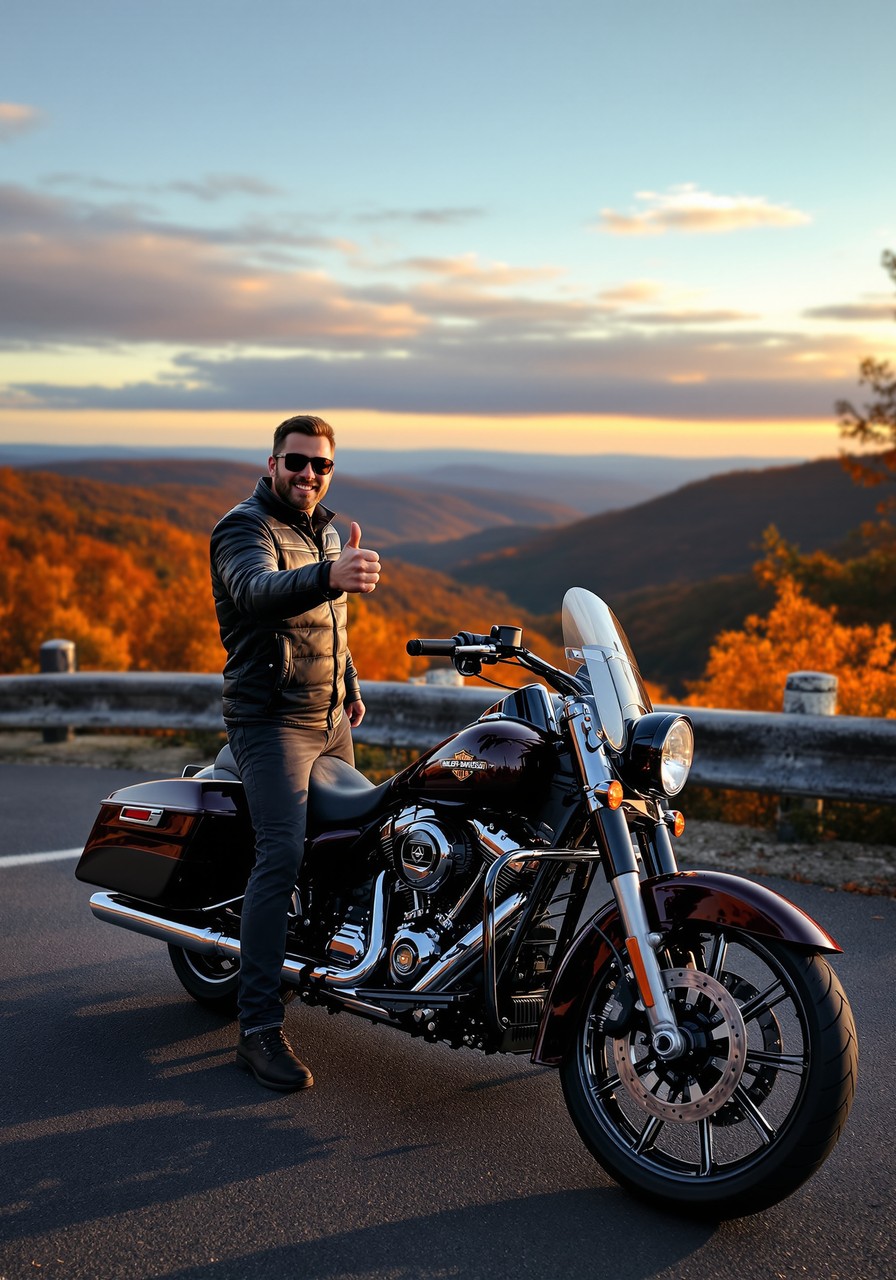
Poll: Rock Creek Parkway morning loop or Great Falls afternoon stop? Cast your vote. #RideNationDMV #WashingtonDC #MarylandRiders
Giveaway & Countdown
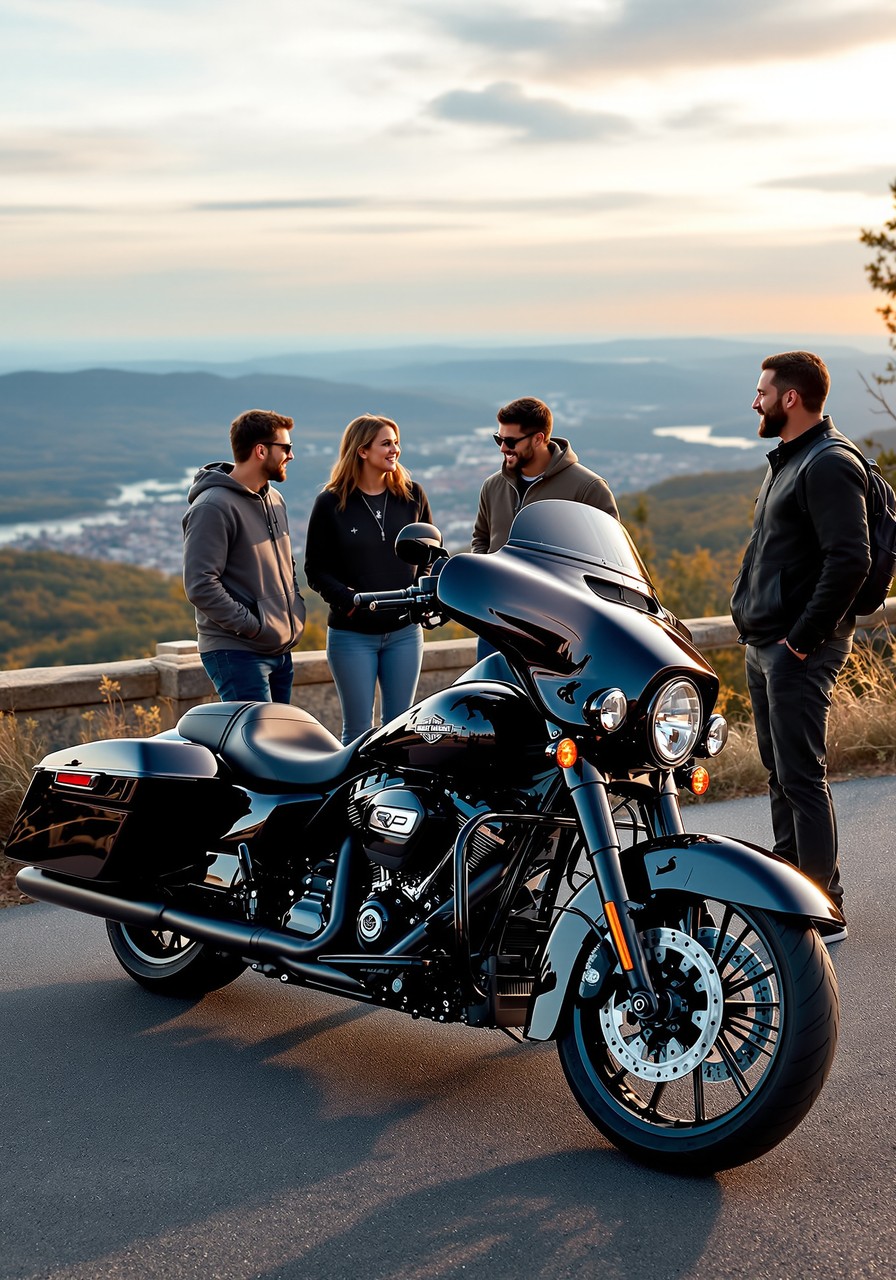
DMV riders, your moment is here. Talk to us about your crash and get entered in the $20K BikersWin giveaway for free. Details at malloy-law.com. #RideNationDMV #20kGiveaway
Local DMV & Rides
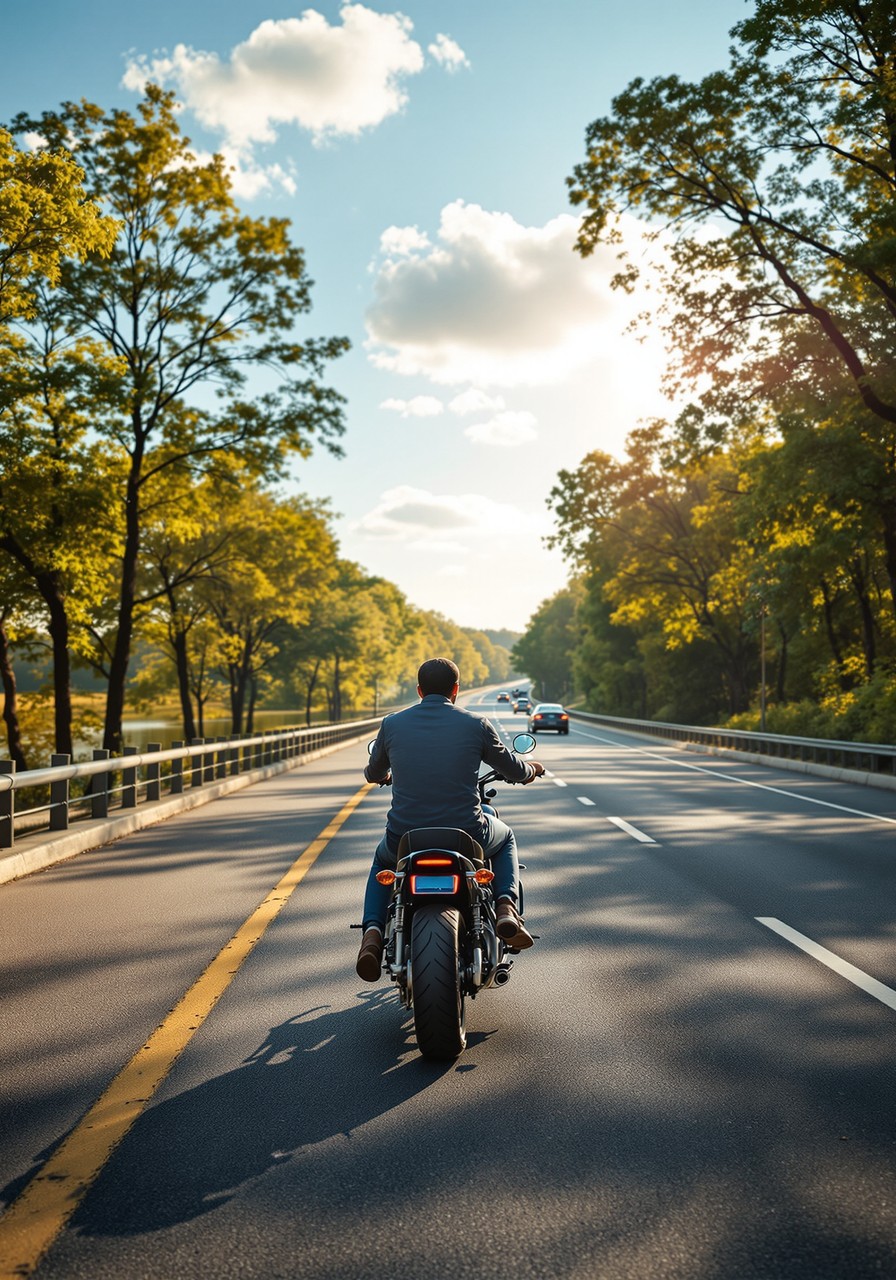
I-270 north gets you to the good Maryland roads fast. Slip off toward Sugarloaf or Poolesville and the world slows down. The commute's worth it out here. #RideNationDMV #MarylandRiders #DMVriders
Gear & New Iron
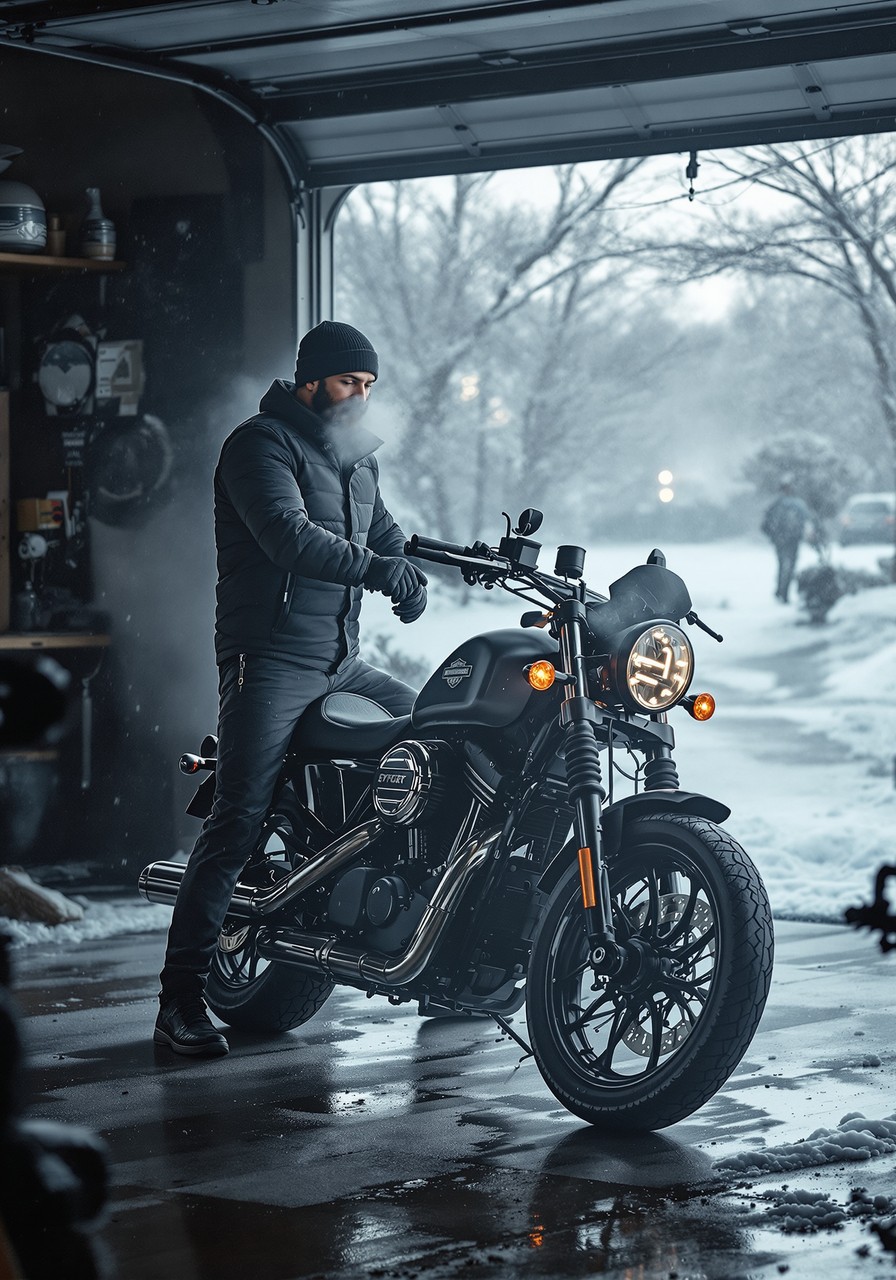
Neck tube plus a windproof collar keeps the cold out on those crisp Blue Ridge climbs. Little piece, big difference. #RideNationDMV #BlueRidge #GearUp
Safety & DMV Law
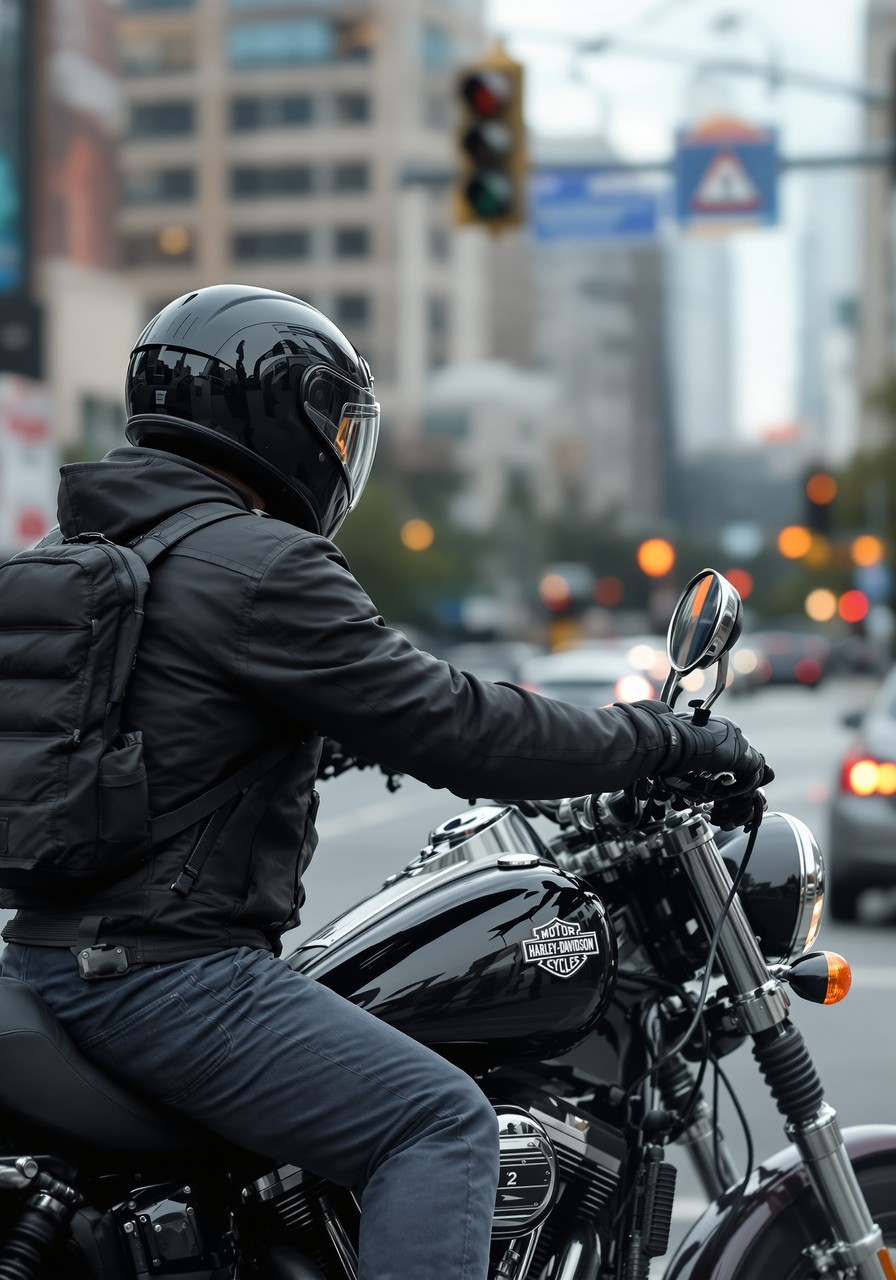
On rainy days, brake earlier and smoother, and avoid painted lines and metal plates. Wet DMV crossings are less forgiving. #RideNationDMV #WetRoads
Engagement
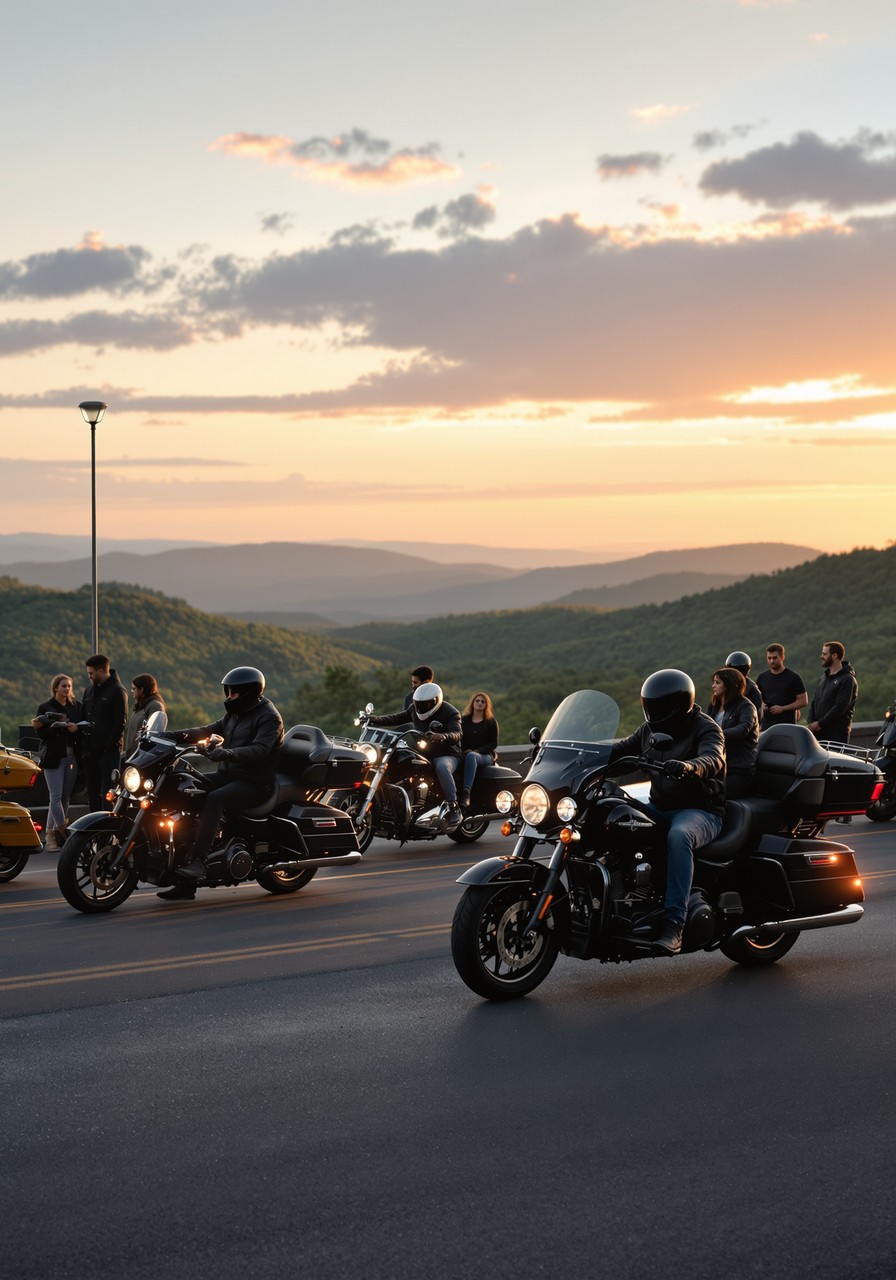
Fill in the blank: The DMV rider community is the best because ______. #RideNationDMV #DMVriders #NOVA
Giveaway & Countdown
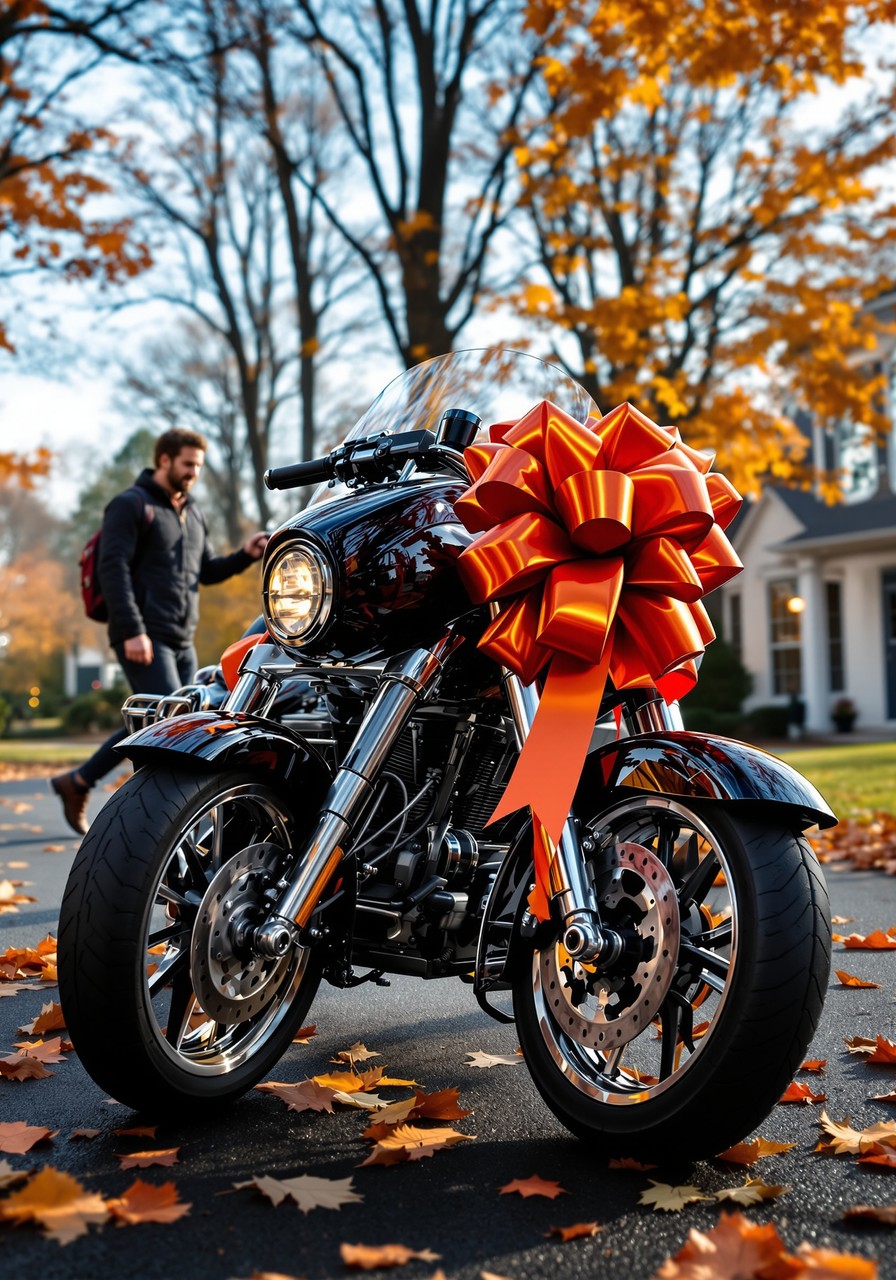
Last call vibes are setting in. The BikersWin $20,000 giveaway draws December 10, so don't let this one pass you by. #RideNationDMV #BikersWin #20kGiveaway
Local DMV & Rides
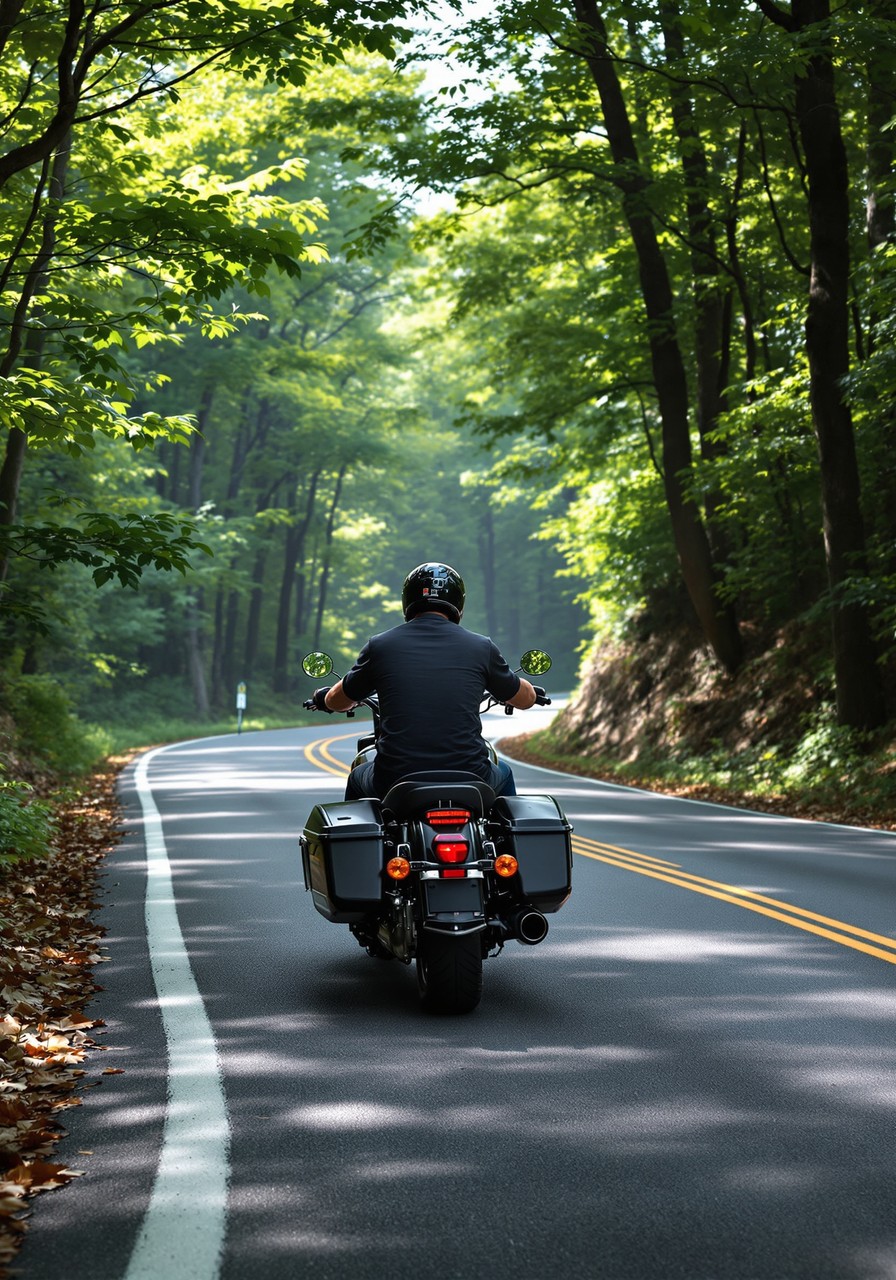
The Potomac from the GW Parkway never stops being beautiful. Riding the curves with the river on one side and the trees on the other. A DMV ride worth doing often. #RideNationDMV #GWParkway #NOVA
Gear & New Iron
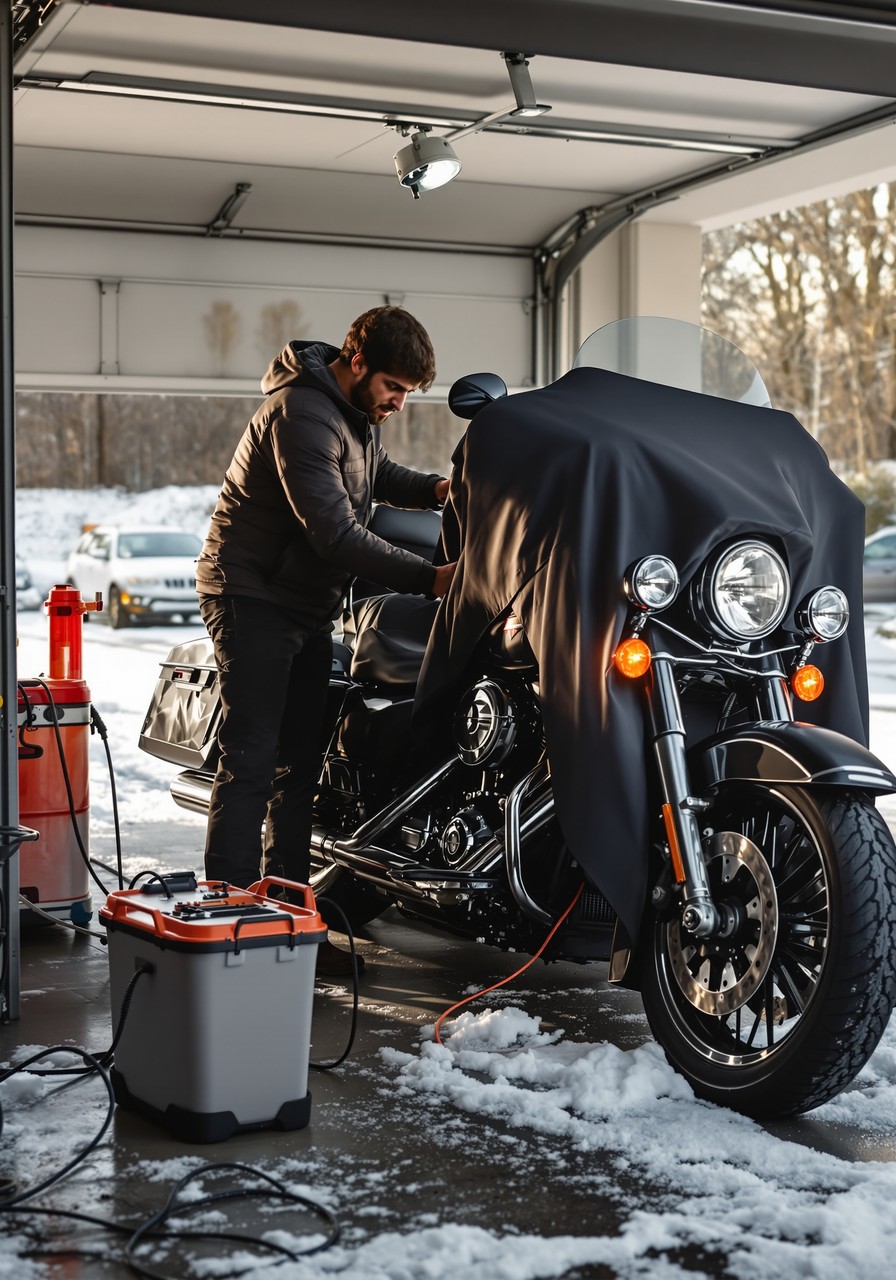
Practice gear checks like a pre-flight. Lights, oil, leaks, tires, chain. Two minutes, total peace of mind. #RideNationDMV #RideSafe #MotorcycleGear
Safety & DMV Law
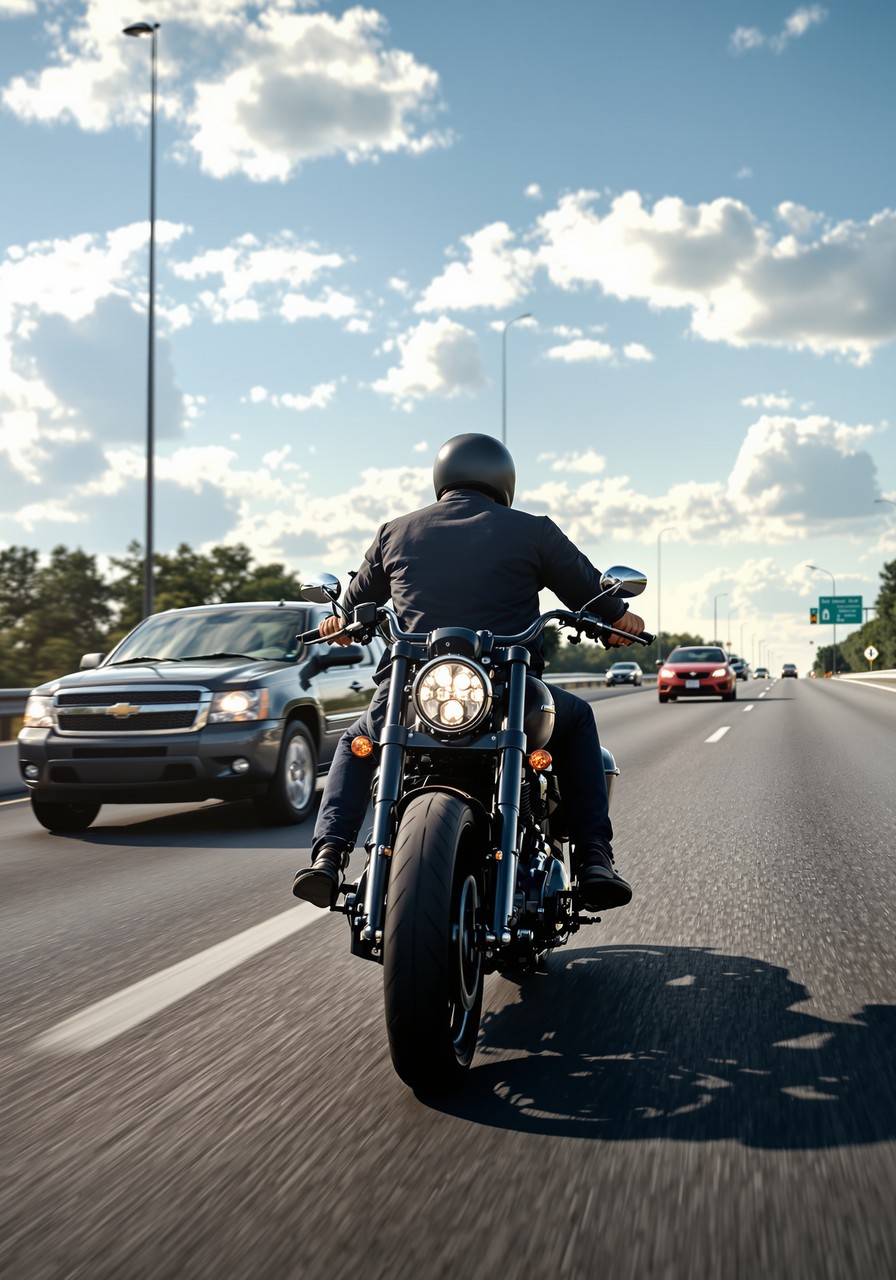
Check your insurance declarations page before the next ride. Low minimum limits leave gaps that UM/UIM can help fill. Questions? Call Malloy Law Offices at (888) 485-1372. #RideNationDMV #RiderRights
Engagement
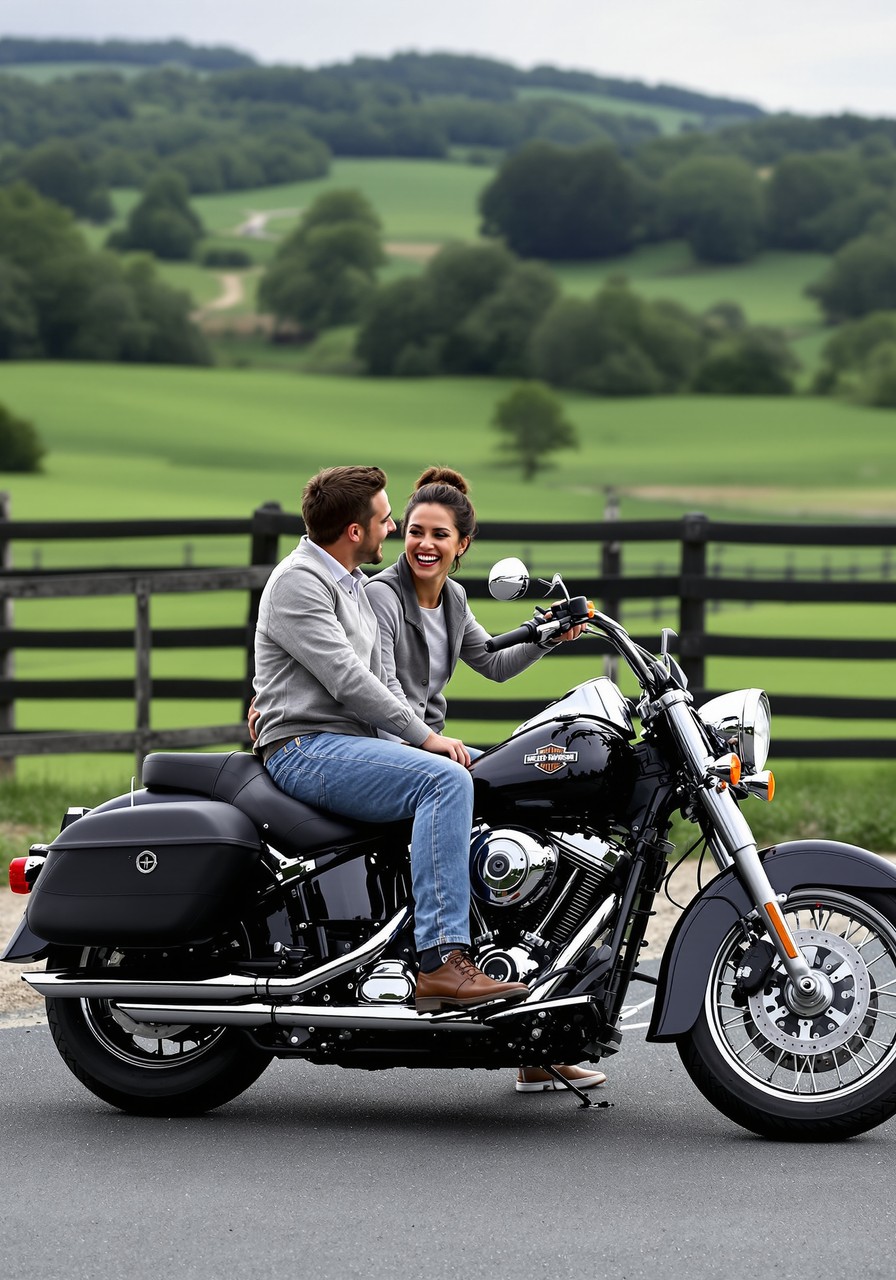
Last one of the week: drop your favorite DMV road in three words or fewer. Go. #RideNationDMV #BlueRidge #MarylandRiders
Giveaway & Countdown
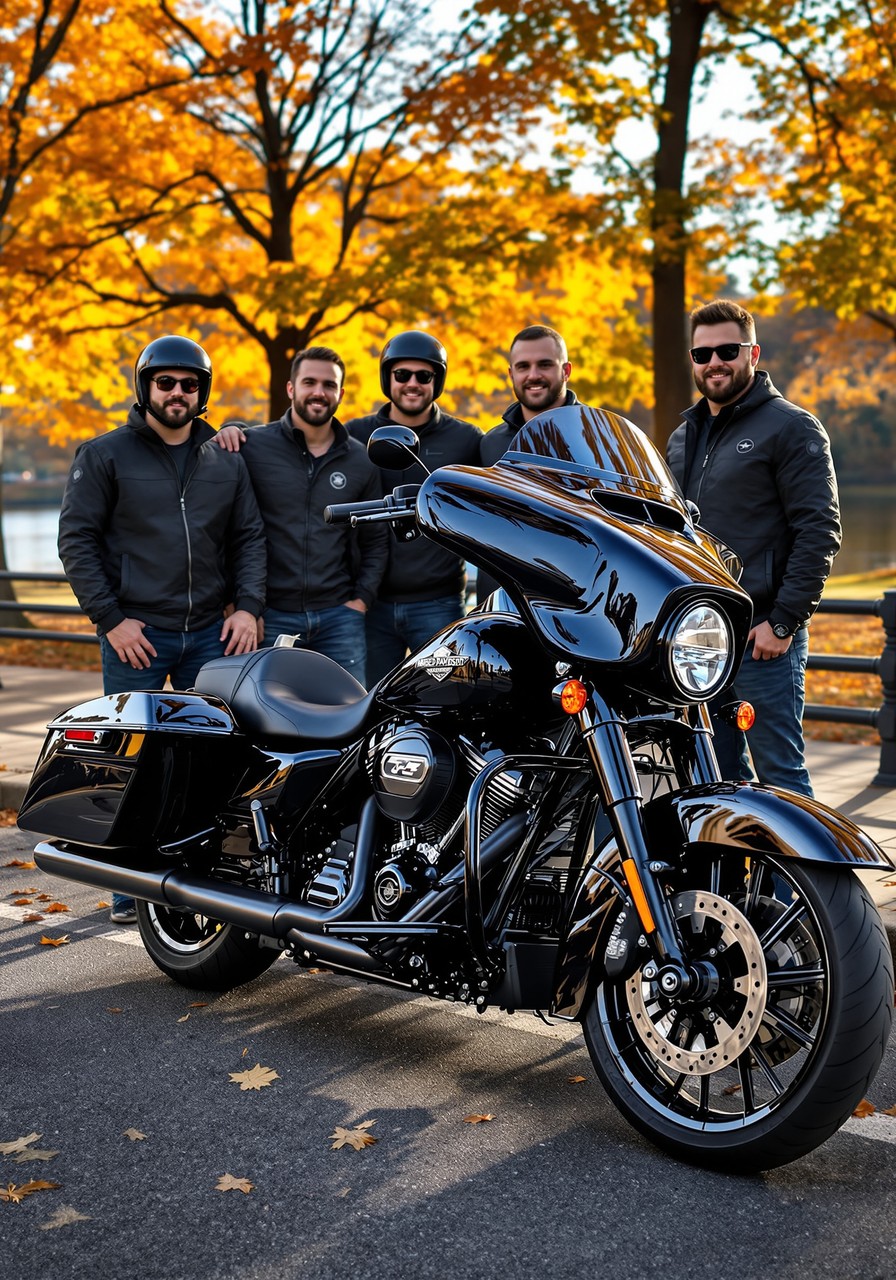
Been down on the road this year? A conversation with Malloy Law Offices could enter you in our $20K giveaway, free of charge. Call (888) 485-1372. #RideNationDMV #BikersWin #20kGiveaway
Local DMV & Rides
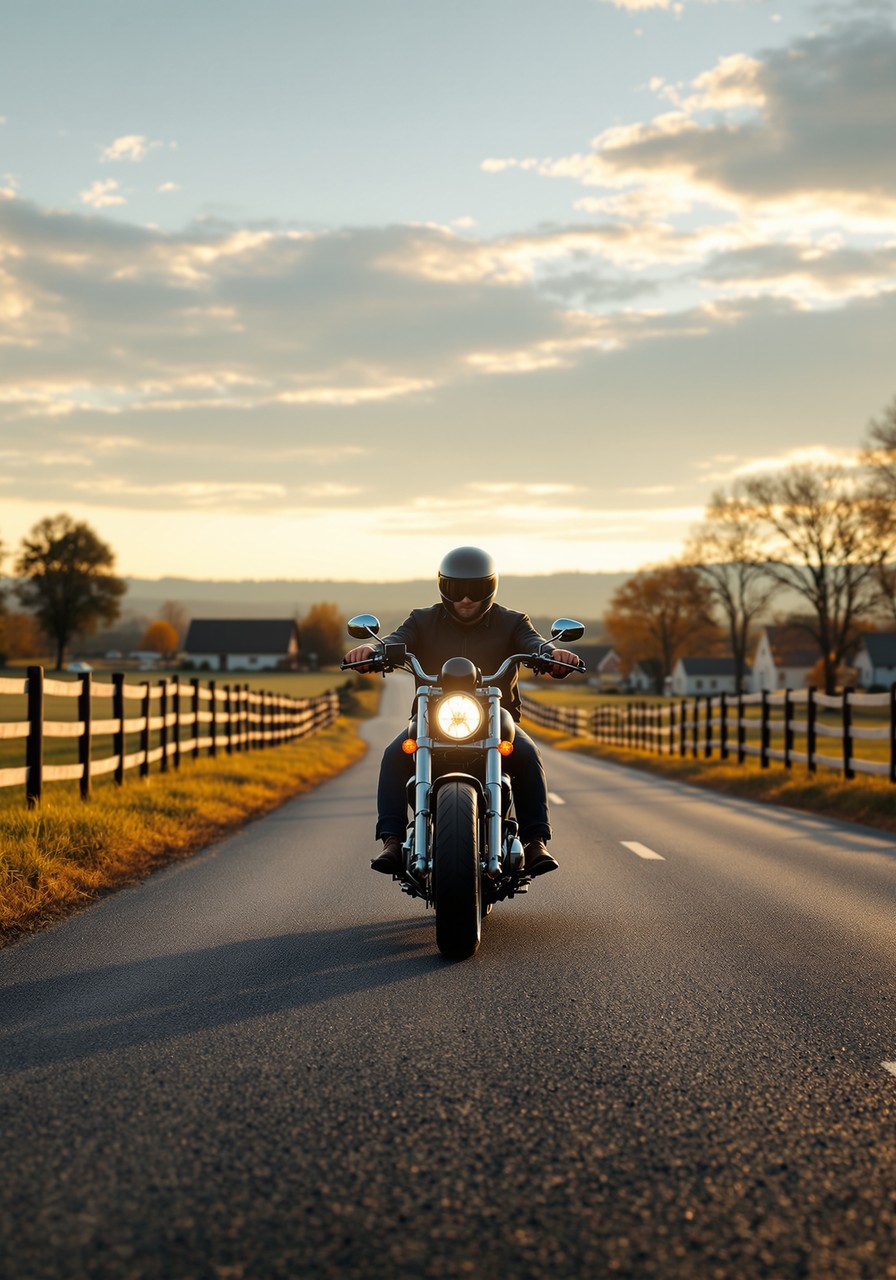
New to riding the DMV? Start with Rock Creek and the GW Parkway, then build toward Skyline Drive. Easy miles first, mountains when you're ready. More routes at malloy-law.com. #RideNationDMV #DMVriders #Shenandoah #SkylineDrive
Gear & New Iron
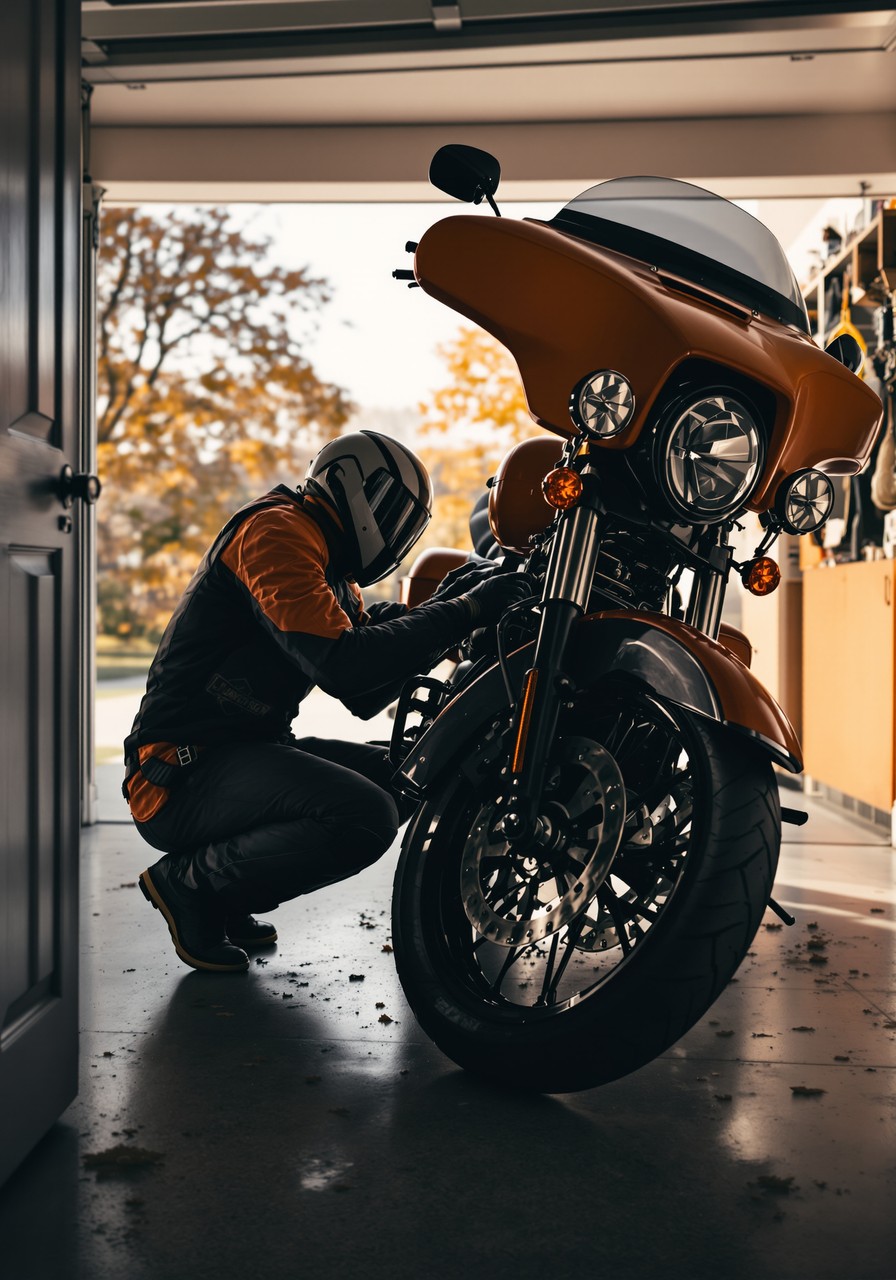
Whether it is a first helmet or a fifth bike, gearing up is part of the joy. Ride smart and ride often out there, DMV. Find us at malloy-law.com. #RideNationDMV #ATGATT #DMVriders
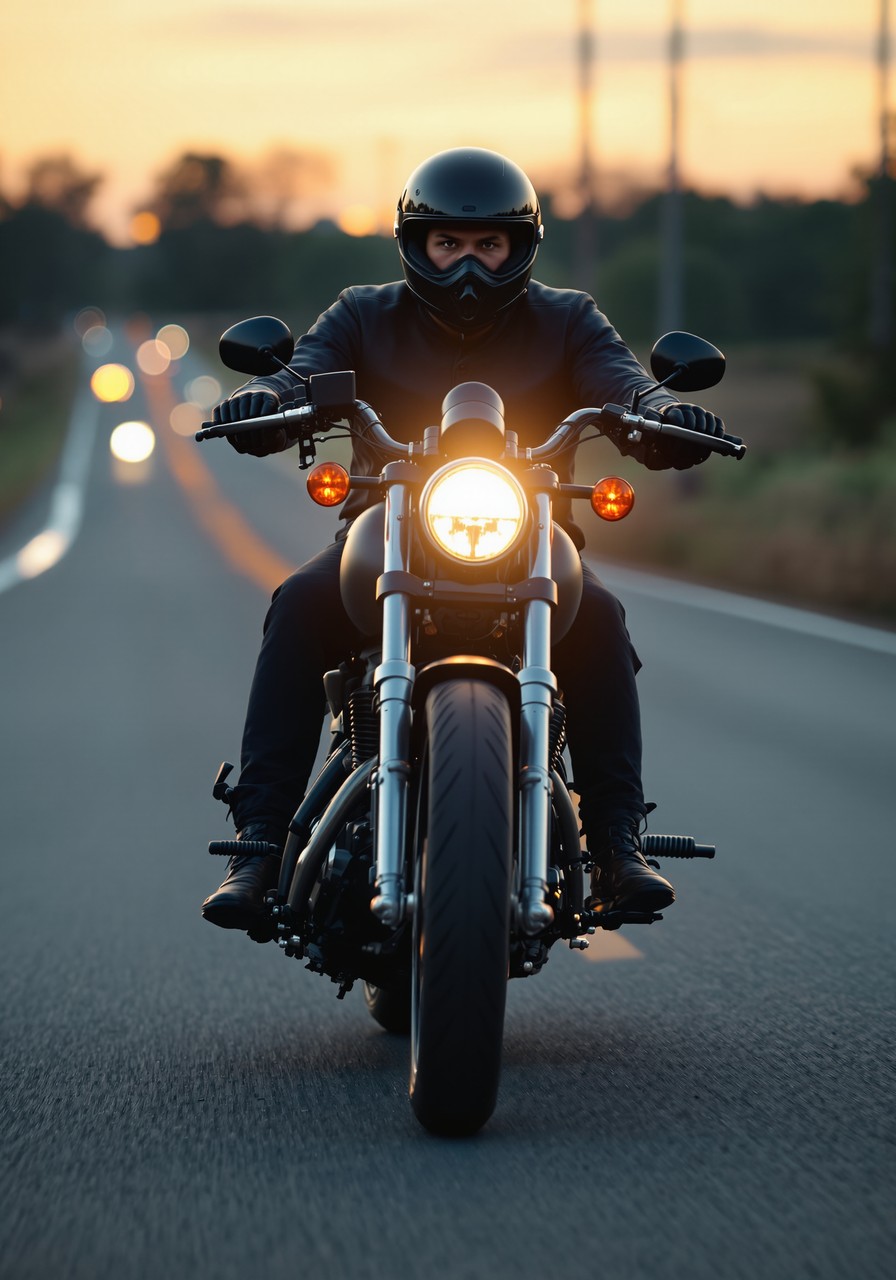
Safety & DMV Law
Ride your own pace and leave room to react. The safest miles in the DMV are the ones where you saw it coming. Questions after a crash? Call Malloy Law Offices at (888) 485-1372. #RideNationDMV #RideSafe